
Can You Wear Dentures During Captain Cook Snorkeling?
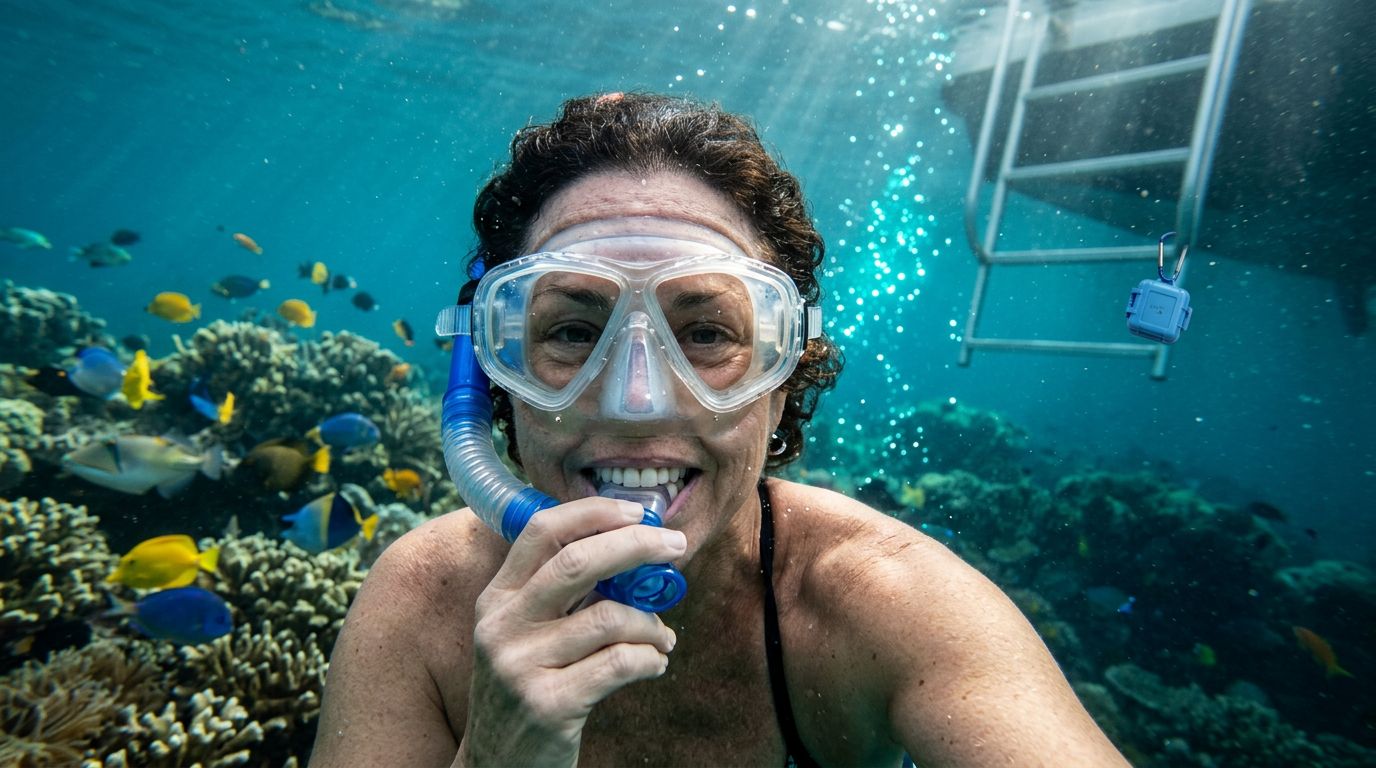
Kona Snorkel Trips gives you access to the clear waters of Kealakekua Bay, but removable dentures add one detail you should plan before boarding. If you’ve searched for “dentures snorkeling,” the short answer is yes, you may be able to wear them, but you shouldn’t assume they will stay secure in the ocean.
The main concern is movement, not salt water. A wave, snorkel mouthpiece, cough, or awkward boat entry can loosen a full or partial denture. Your safest plan starts with your dentist, continues with a direct question to the tour operator, and includes a secure storage option if you decide to remove the appliance.
Dentures snorkeling at Captain Cook: the short answer
You can potentially snorkel with dentures if they fit well and your dentist has cleared them for your planned activity. However, snorkeling creates more movement around your mouth than ordinary swimming. You need to hold a mouthpiece, breathe through a tube, clear your mask, and sometimes deal with waves or boat ladders.
For most travelers, the conservative choice is to remove removable dentures before entering the water. Keep them in a hard, labeled case on the boat, then put them back in after you finish snorkeling. If you rely on your dentures for speech, chewing, or confidence, discuss the plan with your dentist before the trip.
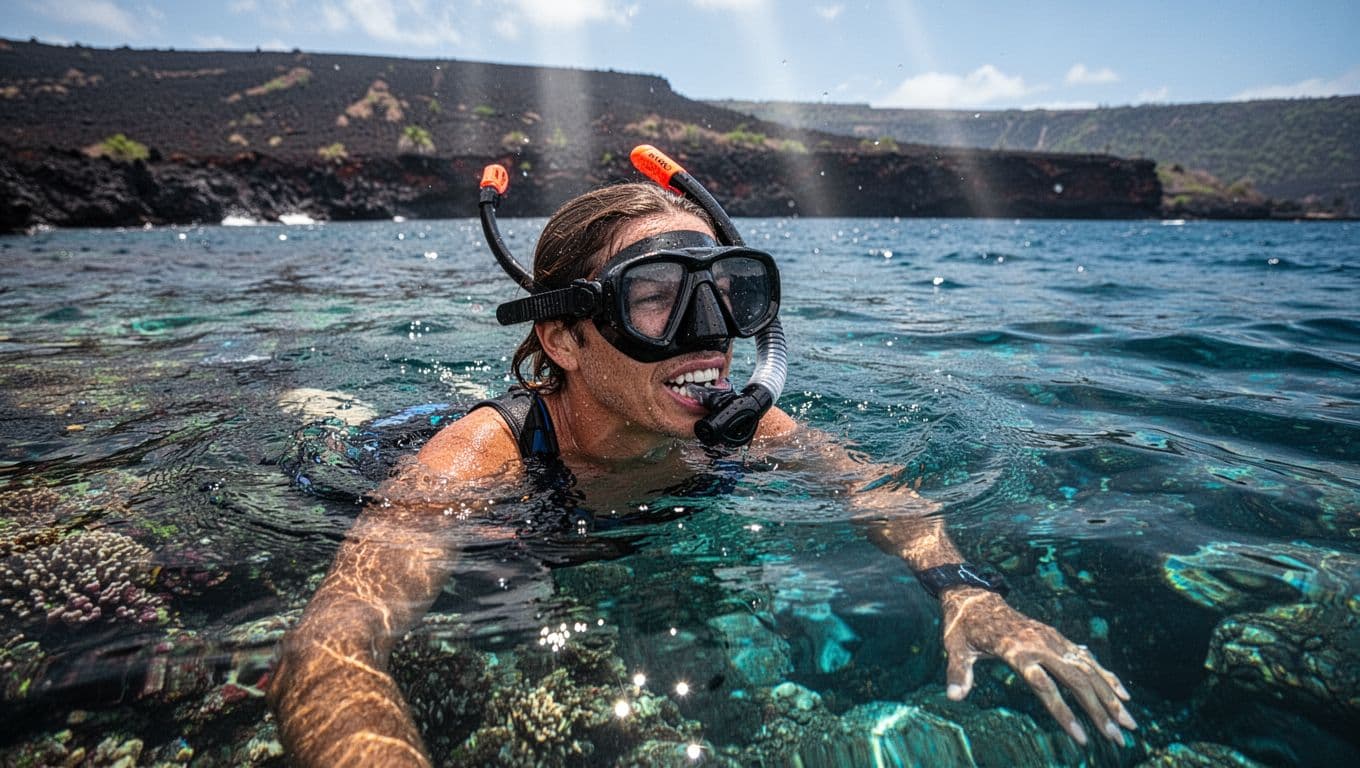
Water is rarely the only problem
A removable denture doesn’t have a strap, so sudden movement can dislodge it. The risk increases when you jump, climb a ladder, swim through surge, or cough while using the snorkel.
A loose appliance can also affect your breathing. You may panic, bite down harder, or swallow water while trying to keep it in place. That reaction can turn a small comfort issue into a safety problem.
Your plan for dentures snorkeling should therefore focus on retention, breathing, and recovery. Ask whether your denture has ever shifted during exercise, laughing, coughing, or eating chewy foods. If it moves on land, the ocean is the wrong place to test it.
Captain Cook conditions can change
Kealakekua Bay often offers calm, clear water, but conditions aren’t identical every day. Wind, swell, surge, and boat movement can affect your entry and exit. Shore access near Napo’opo’o can become uncomfortable or unsafe when waves push across the ledges near the landing area.
A boat tour can reduce the need to handle shore surge, yet you’ll still enter and exit by a ladder or boat step. Ask the captain how guests get into the water and whether the crew changes locations when conditions become rough.
The safest approach is to plan for the denture to come out, even if you hope to wear it.
Why full and partial dentures behave differently
Your type of dental appliance affects the decision. Full dentures and partial dentures have different shapes, retention points, and movement risks, so you shouldn’t rely on another traveler’s experience.
| Appliance | Main snorkeling concern | Practical question |
|---|---|---|
| Full upper denture | Suction can weaken with movement or water around the seal | Does it stay firm during coughing and mouthpiece use? |
| Full lower denture | The tongue and jaw may move it more easily | Can you breathe calmly if it shifts? |
| Partial denture | Clasps may catch or the appliance may move around natural teeth | Does it remain stable with a snorkel mouthpiece? |
| Implant-retained denture | Attachments may provide more stability, but it is still removable | Has your dentist approved ocean activity? |
Full dentures need a strong seal
An upper full denture often depends on suction against the roof of your mouth. That seal can feel secure during normal conversation, but mouth breathing and a snorkel mouthpiece change how your lips, cheeks, and tongue work.
Lower full dentures usually have less surface area and may move more during swimming. If you wear one, pay close attention to whether it lifts when you swallow, laugh, or open your mouth wide.
The American Dental Association’s denture care guidance warns that adhesive isn’t a fix for an ill-fitting denture. Don’t apply extra adhesive right before your tour as a substitute for a proper fit check.
Partial dentures have extra points of movement
Partial dentures attach around natural teeth, often with clasps or precision components. A snorkel mouthpiece can press against the appliance or change how your jaw closes.
You shouldn’t force a partial denture into position or adjust its clasps yourself. The American Dental Association’s guidance on partial denture care recommends following your dentist’s instructions instead.
If you have recently received a partial, give yourself time to test it during ordinary activities before adding ocean swimming. A short walk or meal doesn’t recreate snorkeling, but it can show whether the appliance already feels loose.
Prepare your dentures before the boat leaves
A little preparation helps you avoid making a rushed decision beside the water. You want your denture secure, protected, and easy to identify if you remove it.
Ask your dentist about the specific activity
Tell your dentist that you’re planning a Captain Cook snorkeling trip, not simply a beach visit. Mention the mouthpiece, boat ladder, salt water, possible waves, and the time you expect to spend in the water.
Ask whether your appliance fits well enough for swimming and whether a particular adhesive is appropriate for you. Your dentist may recommend wearing it, removing it, or scheduling an adjustment before travel.
Don’t test a new adhesive for the first time on tour day. Use only a product and amount your dental professional has approved. If you experience soreness, slipping, or an unusual bite at home, arrange a professional check before your vacation.
Pack a proper storage case
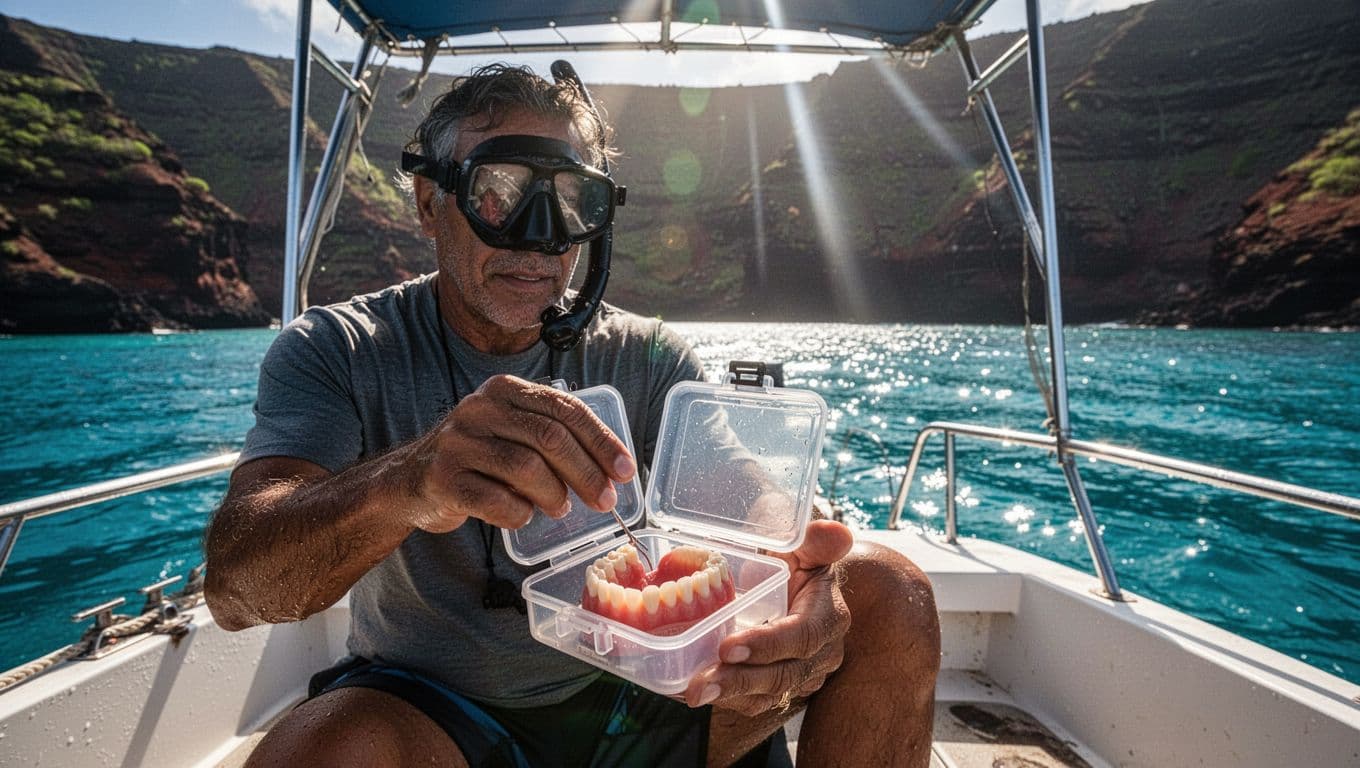
Bring a hard denture case with your name and phone number. A soft pouch can crush, open, or disappear under towels and personal items. Choose a case that closes securely and fits inside your day bag.
If you remove the appliance, keep it away from direct sun and extreme heat. The ADA advises against hot or boiling water because it can warp dentures. Follow your dentist’s instructions about whether the appliance should remain covered in clean water or use a recommended soaking solution.
Practice your backup plan
Before leaving your hotel, practice speaking, smiling, and eating with the denture removed if you’ll need to do those things after snorkeling. You may also want to pack a small towel, bottled water for rinsing, and a second container in case the first one becomes wet or misplaced.
Never put a denture loose in a cup, pocket, or open gear bin. Those places make it easy for someone to mistake it for trash or knock it into the water.
Questions to ask before you book a Captain Cook tour
Tour operators commonly list masks, snorkels, fins, flotation devices, and safety jackets. They don’t always publish a denture-specific policy, so you should ask before paying for a reservation.
Ask about entry and exit
Start with the physical part of the trip. Ask whether you’ll enter from a ladder, step from a platform, jump from the boat, or use a shore landing. Also ask how high the ladder is above the water and whether a crew member can assist you.
A jump or rough ladder climb creates more force than a calm step into the water. If you plan to remove your denture, ask where you can store it before entry and how you’ll retrieve it afterward.
You should also ask how the captain responds to swell and surge. A professional crew can explain its weather limits and whether the itinerary changes when conditions affect a safe entry.
Ask about swimming ability and flotation
Basic swimming skills are required on many Captain Cook tours. Some operators ask weaker swimmers to wear a life jacket and remain close to the boat. Those rules matter even more when you have a removable appliance.
For snorkeling Big Island Hawaii trips, choose an operator that explains its flotation equipment and crew supervision clearly. You should know whether you can rest at the boat, hold a rail during mask adjustments, or return aboard without assistance.
If you cannot swim comfortably without your dentures, tell the operator before booking. You may be better suited to staying aboard, using flotation under close supervision, or choosing a private trip with a more flexible pace.
Ask about mouthpieces and alternative gear
A standard snorkel mouthpiece may press against your gums or denture. Ask whether the operator allows you to bring a dentist-approved mouthpiece or whether it offers different sizes.
Don’t assume a full-face mask solves the problem. Many tour gear lists focus on conventional masks and snorkels, and some operators may not permit full-face systems. Ask about the policy before you arrive.
When snorkeling Big Island destinations, clear communication with the crew matters. Tell the guide if your mouthpiece feels unstable, your denture shifts, or you need to pause. You don’t need to push through discomfort to make the trip worthwhile.
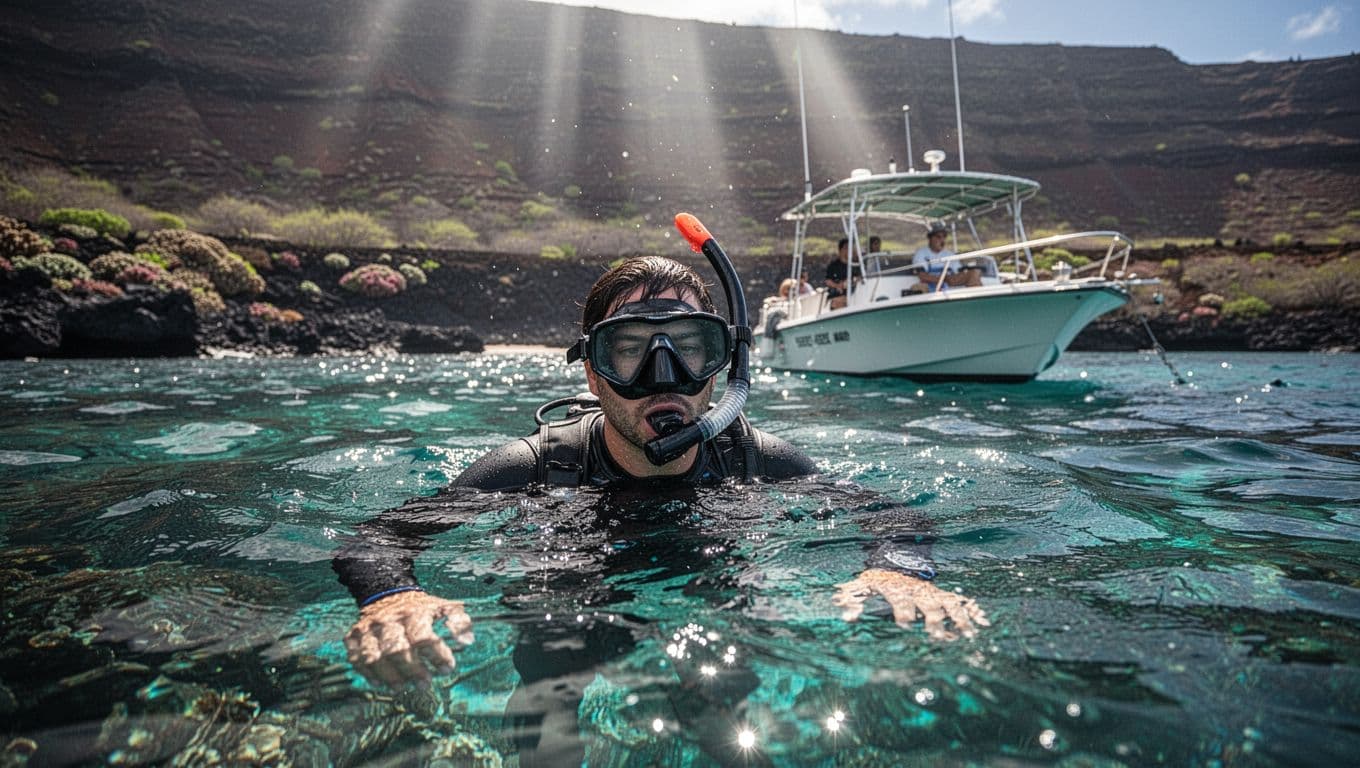
Choose a tour setup that lowers the risk
The right tour structure can make your day easier. You want clear instructions, enough space for your belongings, and guides who take safety seriously.
A boat tour may be easier than shore access
A boat tour usually brings you close to the reef without requiring a long walk over uneven lava or a shore entry through surf. That can reduce the chance of losing your denture before you even reach the snorkeling area.
You still need to manage the boat ladder and water movement. However, a crew member can explain the entry sequence and help you take your time. If you plan to snorkel without dentures, the boat also gives you a known place to store them.
If you’re researching Captain Cook snorkeling tours in Kealakekua Bay, ask about departure location, water entry, trip length, and storage for removable medical or dental items.
Smaller groups can make communication easier
A small-group tour gives you more opportunities to speak with the guide before entering the water. You can explain your denture plan without trying to get attention in a crowded group.
Kona Snorkel Trips follows a “Reef to Rays” philosophy, with small-group ocean adventures, lifeguard-certified guides, quality snorkeling equipment, and reef-safe practices. The company focuses on personal service and marine education, but you should still ask the crew directly about your removable appliance because individual denture policies can change.
The company offers guided snorkeling tours on the Big Island that include Captain Cook experiences. Review the current trip details, then contact the team with your specific questions before booking.
A private charter can offer more flexibility
A private boat gives your group more control over timing, pace, and communication. You can discuss whether one person needs extra time before entering or wants to remain aboard while others snorkel.
Kona Snorkel Trips offers private Kona boat charters for groups that want a more customized outing. A private trip doesn’t remove the need for swimming ability or safe conditions, but it may make your denture plan easier to manage.
If you want to compare departure dates and tour options, you can check availability.
What to expect from Kona Snorkel Trips
Kona Snorkel Trips is built around guided ocean experiences rather than a rushed, crowded boat ride. Its team supplies snorkeling gear, explains the marine environment, and uses reef-conscious practices during each excursion.
The Captain Cook route visits Kealakekua Bay, where you may see tropical fish and coral in protected coastal water. Conditions still determine the day’s exact experience, so your guide may change the plan for safety.
Captain Cook Snorkeling Tours is another company you may compare while researching Captain Cook Snorkeling Tours. Regardless of which operator you choose, ask the same denture questions about entry, flotation, storage, mouthpieces, and weather limits.
Before booking, tell the company that you wear a removable full or partial denture. A direct answer is more useful than a generic gear list.
What to do if your denture shifts or goes missing
Even with preparation, you need a simple response plan. Panic makes breathing harder and can cause you to swallow water, so act quickly and signal the crew.
If the denture moves in the water
Stop swimming and keep your face above the surface. Hold your mask or flotation device in place, breathe slowly, and tell the guide that your denture has shifted.
Don’t dive after it while you are struggling to breathe. The crew can help you return to the boat, assess the situation, and decide whether you should continue. If the appliance is loose but still in your mouth, avoid biting down forcefully. Remove it only when you’re safely supported.
If you have trouble breathing after removing it, alert the crew immediately. Persistent breathing difficulty needs urgent medical attention.
If you lose the denture
Tell the crew right away and remember the location, depth, and direction where it disappeared. Don’t leave the group or attempt a risky dive.
A denture may be difficult to spot against coral, rock, and changing light. The crew can decide whether a controlled search is possible without putting anyone else at risk. If recovery isn’t safe, contact your dentist or dental insurance provider after the trip to discuss replacement options.
The Dental Health Foundation’s denture care guidelines support regular professional maintenance. A replacement may need more than a quick purchase, especially if your appliance includes a partial framework or implant attachments.
Build a simple denture plan for your Hawaii trip
If snorkeling Big Island is on your itinerary, decide before vacation day whether you’ll wear, remove, or avoid using your denture in the water. Base the decision on your dentist’s advice, the appliance’s fit, your swimming ability, and the tour’s entry conditions.
A practical pre-trip plan includes:
- Schedule a fit check if the denture moves, causes soreness, or feels different.
- Ask the operator about entry, exit, flotation, storage, and mouthpiece options.
- Pack a labeled hard case and follow your dentist’s cleaning instructions.
- Tell the guide about the appliance before you enter the water.
- Stop immediately if the denture shifts or your breathing becomes uncomfortable.
You may still enjoy the reef without swimming. A scenic boat ride, coastal views, and marine-life viewing can make the day worthwhile if conditions or comfort don’t support snorkeling.
Conclusion
You can wear dentures during Captain Cook snorkeling only when the appliance fits securely, your dentist approves the plan, and the tour conditions support safe swimming. The ocean adds movement, while the snorkel mouthpiece and boat entry create extra chances for a denture to shift.
For most people, the lowest-risk option is to store removable dentures in a hard case before entering the water. Ask clear questions, choose a well-supervised tour, and treat comfort or breathing problems as a reason to stop. That preparation lets you focus on Kealakekua Bay instead of searching the reef for a lost smile.