
Can You See Spotted Eagle Rays During Captain Cook Snorkeling?
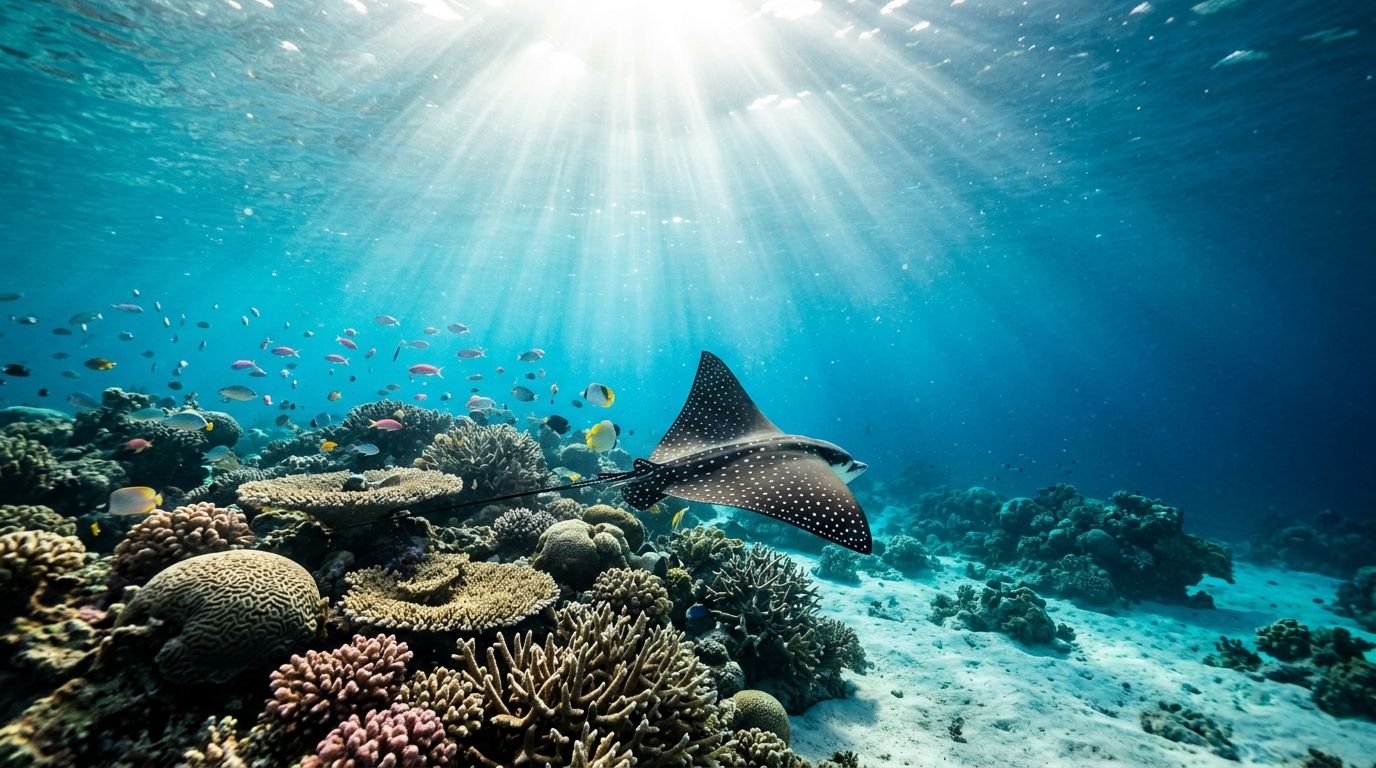
Yes, you can sometimes see spotted eagle rays during Captain Cook snorkeling, and that is part of what makes Kealakekua Bay special. They are not guaranteed, though, so the right mindset is curiosity, not expectation.
If you are planning snorkeling Big Island Hawaii style, this is the kind of place where a single passing ray can steal the whole show. Kona Snorkel Trips is a smart place to start when you want a guided, small-group outing, and you can compare options on Big Island snorkeling tours.
The short answer for Captain Cook snorkeling
A spotted eagle ray sighting is possible on a Captain Cook snorkel trip, especially when the water is calm and clear. The bay gives you a mix of reef, open water, and depth changes, which can draw all kinds of marine life through the area.
That said, rays move on their own schedule. Food, current, visibility, and time of day all matter more than your wish list. You can snorkel the same stretch twice and get two very different days.
A spotted eagle ray is a bonus, not a promise.
That is why a good Captain Cook outing feels rewarding even when a ray does not appear. You still get protected water, healthy reef life, and a setting that feels far removed from a crowded beach swim.
Kona Snorkel Trips follows a Reef to Rays approach, so you get a trip built around safety, small groups, and respect for the reef. If you want a quick way to lock in a date, you can check availability for a guided Kona trip.
Why Kealakekua Bay can bring eagle rays close
Kealakekua Bay has the kind of underwater layout that helps marine life move through the area. The reef breaks into darker blue water, sand pockets, and open lanes, so you are not staring at one flat wall of coral the entire time. That gives you more chances to notice something large and graceful moving past.
Spotted eagle rays often use open space. They do not need to hug the reef the way some fish do. Instead, they glide through the blue, then vanish just as quickly. If you are only staring at coral heads, you can miss them.
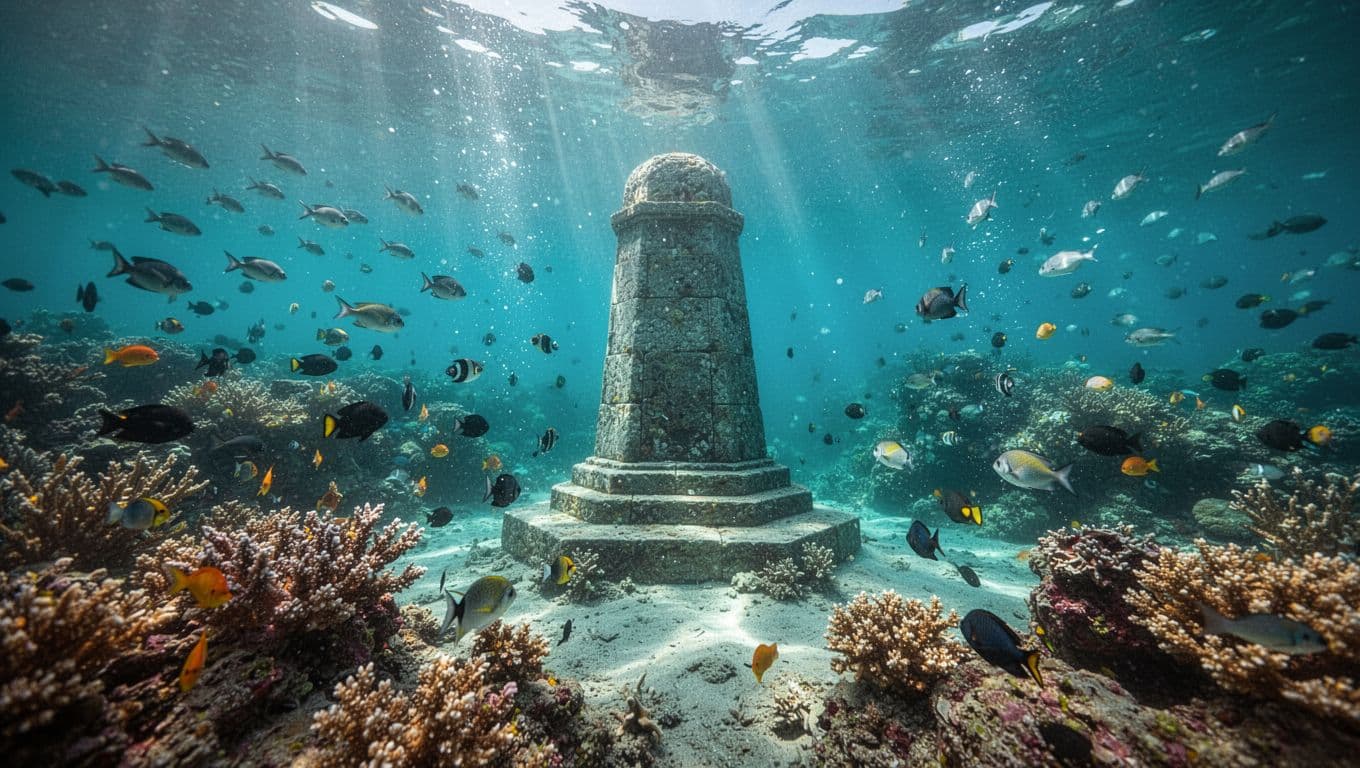
The bay also sits at the center of many snorkeling Big Island conversations for a reason. It combines history, scenery, and marine life in one trip. If you want a fuller look at the area before you go, this Kealakekua Bay snorkeling guide gives you a useful picture of what the water around the monument can feel like.
You should think of eagle rays here as passing visitors, not permanent residents. That is what makes the sighting memorable. It feels like the bay opened a curtain for a moment, then closed it again.
How to spot a spotted eagle ray in open water
A spotted eagle ray is easier to recognize once you know what to look for. Its body is broad and winglike, and it moves with slow, smooth strokes. The dark back with white spots stands out against blue water, especially when sunlight cuts down through the surface.
You will usually have the best luck if you scan beyond the reef edge. Rays often appear where the water opens up and the bottom drops away. If you only watch the coral in front of you, you may miss the shape moving just outside your comfort zone.
Look for these signs:
- A smooth, gliding shadow: Eagle rays do not dart around like small reef fish.
- Wide, winged fins: Their movement looks almost airborne underwater.
- A long, trailing tail: This often shows up after the body appears.
- White spotting on the back: The pattern is easier to see when the ray turns or banks.
If one passes below you, slow your kicking and hold still. You do not want to chase it. You want to let it choose the path. That approach gives you a better look and keeps the encounter calm for both of you.
A good rule is simple. Watch the blue water as much as the reef. Many snorkelers get so focused on the coral that they miss the larger animals moving through the open lane beside it.
Conditions that improve your odds
You cannot control whether a ray shows up, but you can pick better conditions. Clear water, light wind, and a calm surface all make a difference because they improve visibility and reduce glare. Morning trips often help here.
Here is a quick comparison of what tends to matter most:
| Condition | What you may notice | Why it helps |
|---|---|---|
| Calm morning water | Less surface chop and fewer bubbles | You can spot movement sooner |
| Clear visibility | Longer sight lines into the blue | Rays stand out faster |
| Open sandy channels | More space between coral heads | Rays often move through these lanes |
| Light boat traffic | Less disturbance in the water | You can keep scanning without rushing |
The takeaway is simple. If you want to snorkel Big Island waters with a better shot at seeing larger marine life, choose a calm, early outing when possible. That is true for eagle rays, and it also helps with almost every other part of the snorkel.
Weather can shift fast on the Kona coast, so flexibility matters. A guide who knows the bay can read the day and take you to the best water available.
What you may see besides eagle rays
Even if a spotted eagle ray does not appear, Kealakekua Bay still gives you plenty to watch. The reef usually holds a steady mix of tropical fish, and the clear water makes the colors pop. That is one reason people who enjoy snorkeling Big Island trips keep coming back.
You may see yellow tang, parrotfish, butterflyfish, and surgeonfish moving in loose groups. Sometimes a Hawaiian green sea turtle passes through. On other days, the action is smaller and more subtle, with wrasse and goatfish weaving through coral gaps.
For many people, that variety is part of the appeal. You are not chasing one headline animal. You are stepping into a moving scene where something new can happen at any moment.
If you want the best chance at a ray sighting, stay patient. If you want the best overall trip, stay observant. Those two habits work together. The first keeps your expectations in check, and the second helps you notice the unexpected.
People planning snorkeling Big Island Hawaii trips often put Kealakekua Bay near the top of the list because the bay does not need a rare animal to feel special. The setting itself does enough.
Picking a Captain Cook snorkel trip that suits you
The kind of trip you choose affects how much you enjoy the day. A crowded boat can make it harder to relax, while a smaller group gives you more room to look around and more help from the crew. That matters when you are hoping to catch sight of a ray in open water.
Kona Snorkel Trips is a strong choice if you want a safety-minded, small-group experience with reef-aware guides. Their approach fits travelers who want comfort without losing the sense of adventure. If you want the Captain Cook outing to be the centerpiece of your day, that is a good place to start.
For a dedicated option, Captain Cook Snorkeling Tours focuses on Kealakekua Bay and the Captain Cook monument. That makes it a clean fit if your main goal is this exact snorkel experience.
When you compare options, look for these details:
- Small group size: You get a calmer ride and a less crowded swim area.
- Clear safety briefing: You should know how the boat, entry, and swim plan work.
- Quality gear: Well-fitting masks and fins make a big difference.
- Early departure timing: Morning light and calmer seas often help visibility.
- Reef-safe practices: Good operators respect the bay and the life in it.
If you already know the day you want, you can check availability for a Captain Cook snorkel trip. That is often the easiest way to turn a maybe into an actual date on the calendar.
A good Captain Cook trip gives you more than a chance at a ray. It gives you a clear view of the bay, enough time to settle into the water, and a better shot at noticing what moves through the blue.
Conclusion
You can see spotted eagle rays during Captain Cook snorkeling, and when it happens, it is one of the best surprises in the bay. The sighting is never guaranteed, but calm water, good visibility, and a steady scan of the open blue all improve your odds.
If you keep your expectations light and your attention wide, Kealakekua Bay gives you a lot to enjoy even on a ray-free day. The reef, the monument, and the water itself make the trip worth it.