
Captain Cook Snorkeling Water Temperature by Month
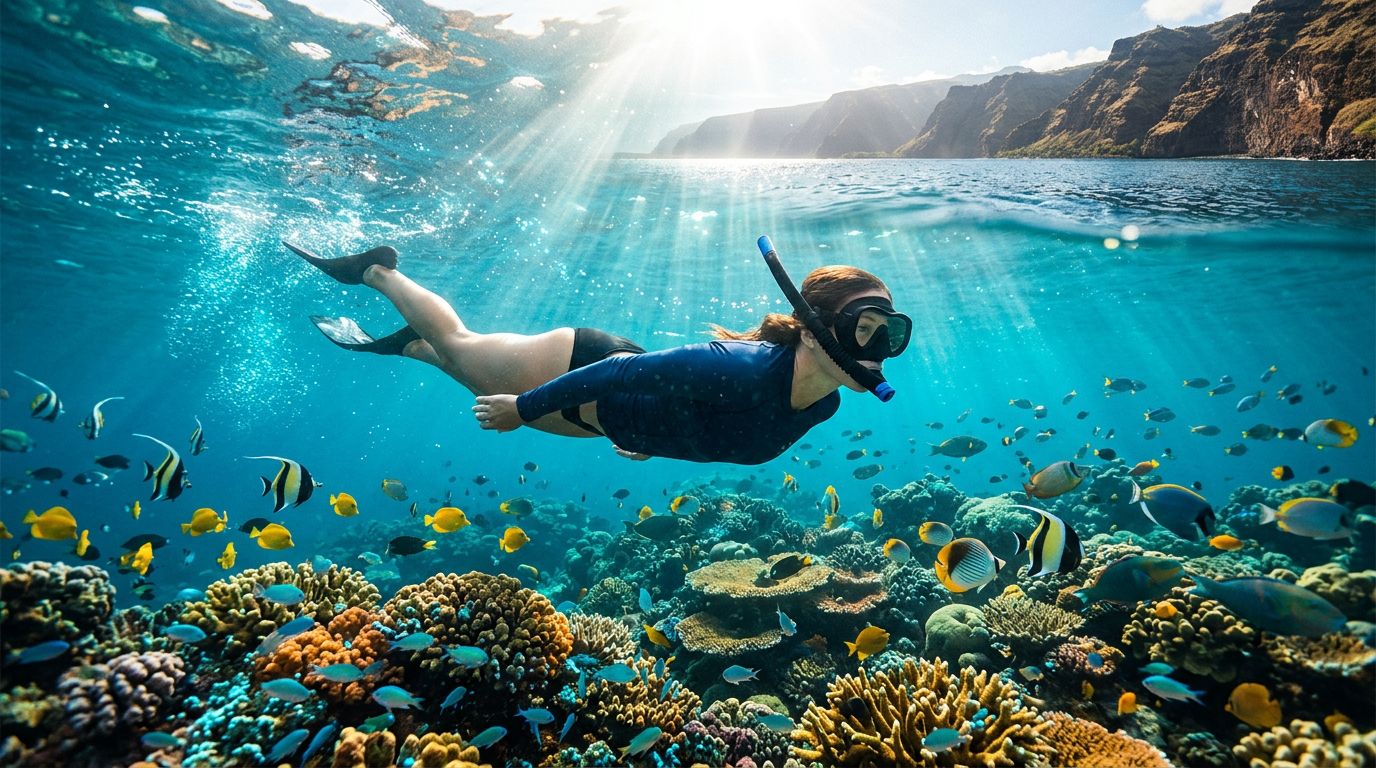
Water temperature can decide whether your Captain Cook snorkeling trip feels comfortable or chilly after an hour in the ocean. Around Kealakekua Bay, surface temperatures usually stay between 77°F and 81°F throughout the year, so you can snorkel in every season.
If you’re researching snorkeling Big Island Hawaii, the monthly pattern matters less than the small differences between winter and summer. Your comfort also depends on wind, sun, your time in the water, and the gear you wear.
Use the guide below to choose the month that fits your plans, then prepare for the conditions you may actually experience at Captain Cook.
Key Takeaways
- Kealakekua Bay water temperatures generally range from 77°F in late winter to 81°F in late summer and early fall.
- February and March are usually the coolest months, while August through October tend to feel warmest.
- A rash guard works for many swimmers, but a thin wetsuit top can help during longer sessions.
- Morning trips often offer calmer conditions, although wind and ocean swell change daily.
- Your guide’s current weather and ocean report matters more than a monthly average.
Why Captain Cook’s Water Temperature Matters
Captain Cook snorkeling takes place in and around Kealakekua Bay, a protected marine area on the western side of Hawaii Island. The bay’s clear water, coral formations, and abundant reef fish attract swimmers throughout the year.
The ocean never becomes cold by mainland standards. Still, 77°F water can feel different after you spend 45 minutes floating, swimming, and watching fish below the surface. You may feel comfortable at first, then notice the cool once your body stops moving.
Your personal experience depends on several factors:
- Time in the water: Longer snorkel sessions create more heat loss.
- Sun exposure: Strong sunshine helps you feel warmer between swims.
- Wind: Breezy conditions can make wet skin feel cold on the boat.
- Body size and activity: Children and smaller adults often cool faster.
- Gear: A rash guard or wetsuit top adds insulation.
- Sea conditions: Choppy water requires more effort and can make you feel colder.
Water temperature also changes gradually. A cold front or a few windy days won’t suddenly turn tropical water cold, but surface conditions can affect how warm the water feels. Your guide may adjust the route or timing when wind, swell, or visibility changes.
The Kealakekua Bay water temperature averages show the same broad pattern, with cooler winter conditions and warmer summer water. That seasonal difference is useful when you’re choosing travel dates, but it shouldn’t keep you from booking a winter snorkel.
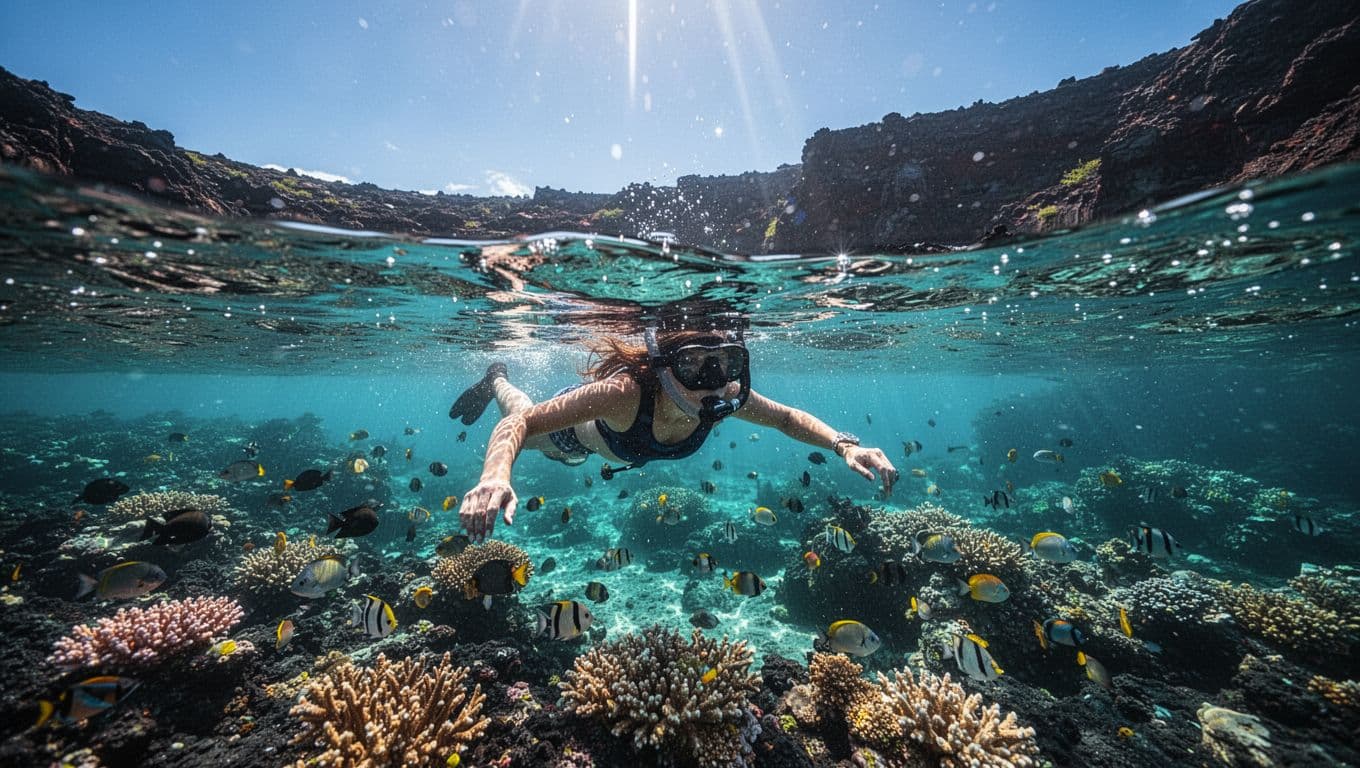
Clear water and steep volcanic coastline near a Captain Cook snorkeling site.
Captain Cook Snorkeling Water Temperature by Month
The table below gives practical planning temperatures for Kealakekua Bay and nearby Kona waters. Values are rounded averages, so daily readings may vary by a degree or two.
| Month | Typical water temperature | Approximate Celsius |
|---|---|---|
| January | 78°F | 25.6°C |
| February | 77°F | 25.0°C |
| March | 77°F | 25.0°C |
| April | 78°F | 25.6°C |
| May | 79°F | 26.1°C |
| June | 80°F | 26.7°C |
| July | 81°F | 27.2°C |
| August | 81°F | 27.2°C |
| September | 81°F | 27.2°C |
| October | 81°F | 27.2°C |
| November | 80°F | 26.7°C |
| December | 79°F | 26.1°C |
The main takeaway is simple: the yearly range is narrow. You may notice a cooler feel in February or March, but you can still enjoy comfortable snorkeling with suitable gear.
A monthly Kona water temperature guide lists a similar progression, with readings near 77°F in February and March, rising to about 81°F during summer. You can compare those monthly figures in this Kona water temperature guide.
January through March
January usually brings water around 78°F. February and March often dip to about 77°F, making this the coolest part of the year for Captain Cook snorkeling.
Most visitors still swim comfortably during these months. A long-sleeve rash guard may be enough if you stay active, while a thin wetsuit top helps if you tend to feel cold.
Winter also brings shorter daylight hours and occasional changes in wind or swell. Check the forecast before you leave, and bring a warm layer for the boat ride back to Kona.
April through June
Water temperatures climb from about 78°F in April to 80°F in June. Many swimmers find this range ideal because the water feels refreshing without becoming cool.
April and May can work well for families, couples, and first-time snorkelers. By June, warmer water makes longer sessions easier, especially when you want to stay in the bay and observe fish behavior rather than rush through one short swim.
July through October
July, August, September, and October usually have the warmest water, close to 81°F. If you prefer a bath-like ocean temperature, these months offer the best odds.
Warm water doesn’t guarantee perfect visibility every day. Wind, ocean movement, and recent weather still affect the surface. For that reason, consider the full forecast instead of choosing a date based only on the temperature table.
November and December
November generally falls near 80°F, while December averages about 79°F. The water remains comfortable, although wind and weather can vary more than the temperature suggests.
December is a popular travel month, so boat availability may become limited around the holidays. Reserve your preferred day early if you want a morning departure or need space for a larger family.
When the Water Feels Warmest
If you want the warmest Captain Cook snorkeling conditions, plan for late summer through early fall. August, September, and October usually offer water near 81°F, with plenty of sunshine between passing clouds.
September often feels especially comfortable because the ocean has had months to warm. You can spend more time in the water without needing heavy thermal protection. A swimsuit and rash guard may work well for many active swimmers.
However, the warmest month isn’t always the best month for every traveler. You may care more about calm seas, family schedules, flight prices, or reef visibility. A 79°F day in December can still produce a wonderful snorkeling experience when the ocean is calm and the sun is out.
The boat ride matters too. You may feel warm while swimming, then cool quickly when wind hits wet skin. Bring a dry towel, a lightweight cover-up, and a layer for the return ride even during summer.
If you compare nearby readings, you’ll see small differences between locations. A Napoopoo water temperature record, for example, places July near 80°F and August near 81°F. Those Kealakekua Bay July temperatures help confirm the general summer pattern without promising an identical reading at every reef.
When the Water Feels Coolest
February and March typically bring the lowest monthly averages, around 77°F. That temperature is still mild, but you may notice the difference during a long, relaxed swim.
You may also feel cooler when clouds cover the sun or when wind picks up after you exit the water. For many travelers, the air temperature creates more discomfort than the ocean itself. Wet skin loses warmth quickly in a breeze.
A thin wetsuit top can make a major difference. It adds insulation across your chest and back while allowing you to swim normally. Some people prefer a shorty wetsuit, while others use a full-length suit for extra warmth.
Children may need more support with comfort and energy. Keep their first swim shorter, watch for shivering, and let them warm up on the boat before returning to the water. A flotation device can also reduce the effort required to stay in position.
You shouldn’t choose a different travel month only because the water may reach 77°F. Instead, match your equipment to the conditions. The same approach works across most snorkeling Big Island destinations, where water temperatures remain fairly stable year-round.
What to Wear for Snorkeling at Captain Cook
Your ideal snorkeling outfit depends on your tolerance for cool water and the length of your trip. Most guided excursions provide basic snorkeling equipment, but you should ask what the operator includes before departure.
A practical setup often includes:
- A swimsuit that stays secure during swimming
- A rash guard for sun protection and light insulation
- A thin wetsuit top if you feel cold easily
- Reef-safe sunscreen for exposed skin
- A towel and dry layer for the boat ride
- Water shoes or sandals for walking around the launch area
Avoid applying sunscreen immediately before entering the water if the product hasn’t had time to absorb. Choose reef-conscious products, avoid touching coral, and keep your hands away from marine animals.
A wetsuit can also improve your confidence. When you aren’t thinking about the cold, you can focus on breathing slowly, clearing your mask, and looking beneath the surface.
Your guide may recommend different equipment based on the day’s conditions. Follow those instructions, especially if you are traveling with young swimmers or anyone who has limited ocean experience.
If you plan to snorkel Big Island waters at several locations, pack gear that works for more than one temperature. A rash guard suits warm afternoons, while a wetsuit top covers cooler mornings and longer sessions.
How Weather and Ocean Conditions Change Your Experience
Water temperature is only one part of a Captain Cook snorkeling forecast. Wind, swell, clouds, current, and visibility can change the experience more than a one-degree difference in the ocean.
Morning departures often receive calmer conditions because trade winds tend to increase later in the day. That pattern isn’t guaranteed, but early trips frequently appeal to travelers who want smoother boat rides and clearer surface conditions.
Cloud cover can affect visibility even when the water is calm. Bright sunlight helps illuminate the reef, while overcast skies create softer light below the surface. You can still see fish and coral in cloudy weather, but colors may appear less vivid.
Recent rainfall can also affect water clarity near shore. A boat trip to Kealakekua Bay may avoid some runoff areas, but your captain will consider current conditions when choosing where to swim.
Safety should guide every decision. Listen to your lifeguard-certified guide, stay within the designated swimming area, and tell the crew if you’re tired, cold, or uncomfortable. Strong swimmers can become fatigued when they spend too long fighting chop or current.
Kona Snorkel Trips builds its tours around small-group service, high-quality equipment, and safety-focused guidance. Its “Reef to Rays” philosophy includes reef education and responsible practices, so you can enjoy the bay without damaging the habitat that brings you there.
You can compare guided Big Island snorkeling tours when you want help choosing a route, departure time, and trip style.
Choosing the Best Month for Your Trip
The best month depends on what you value most. Use water temperature as one filter, then consider your comfort, travel schedule, and preferred ocean conditions.
Choose February or March if you don’t mind slightly cooler water and want to travel during the lowest temperature period. Bring a thermal top if you plan to stay in the bay for a long session.
Choose April through June if you want a balanced combination of comfortable water and warm weather. These months suit travelers who want to swim without the hottest summer conditions.
Choose July through October if warm water is your highest priority. The temperature usually reaches about 81°F, which feels comfortable for most swimmers in light gear.
Choose November or December if your vacation schedule points toward the holiday season. Water remains warm enough for snorkeling, but you should book early during busy travel weeks.
Kona Snorkel Trips offers guided ocean adventures for families, couples, and independent travelers who want a personal experience rather than a crowded boat. Lifeguard-certified guides help you with equipment, water entry, reef awareness, and swimming comfort.
When you describe a company or tour, current departure times and availability can change. Use the booking page to check availability for your travel dates.
Captain Cook Snorkeling Tours also focuses on Kealakekua Bay trips for travelers who want to explore the historic coastline and protected reef area. When your main goal is Captain Cook snorkeling, confirm the route, trip length, departure time, and included equipment before you reserve.
What to Expect During a Captain Cook Snorkeling Tour
A typical trip begins with a boat ride along the Kona coast. As you approach Kealakekua Bay, volcanic cliffs and clear blue water create a striking change from the open shoreline.
Your guide usually reviews mask fitting, snorkel use, entry procedures, and basic ocean safety before you swim. That briefing helps you avoid common problems, such as a leaking mask or a snorkel that sits at the wrong angle.
Once you’re in the water, take a few minutes to settle your breathing. Keep your face relaxed, breathe steadily through the snorkel, and avoid kicking hard when you don’t need to move quickly. Slow movement helps you conserve energy and reduces contact with coral.
The bay is known for reef fish and underwater structure. Your guide can point out species, explain reef behavior, and show you where to look without requiring you to chase marine life.
You may spend part of the trip swimming and another part resting on the boat. That rhythm helps you stay warm, hydrated, and alert. If you start to shiver, return to the boat and tell the crew rather than pushing through discomfort.
Before booking, consider the swimming ability of everyone in your group. Some tours suit children and beginners, while others require stronger swimming skills. Ask about flotation support, water entry, and accessibility if those details affect your decision.
For a Kealakekua Bay or Captain Cook trip, you can check avaialbility for the dates you want.
Simple Ways to Stay Comfortable in the Water
You can make a 77°F or 81°F swim feel better with a few practical choices. Start with equipment that fits properly. A loose mask forces you to stop and adjust it, while an overly tight strap can cause discomfort.
Apply sunscreen well before boarding when possible. Wear a rash guard to reduce exposed skin and limit the need to reapply sunscreen during the trip.
Eat a light meal before you depart, and drink water throughout the morning. Swimming requires energy, even when the ocean feels calm. Dehydration can make you feel tired and cold sooner.
Enter the water after your guide gives instructions. Once you begin swimming, stay close enough to hear directions and keep track of the boat or group.
If you need warmth, say so early. A wetsuit top works best before you become chilled. After your swim, dry off quickly and put on your cover-up before the boat begins moving.
Families can plan short rest periods for children. A child who seems excited at the start may tire quickly in open water, especially when wearing a mask and snorkel for the first time.
These habits apply whether you’re planning a dedicated Captain Cook trip or comparing other options for snorkeling Big Island Hawaii. Comfortable swimmers see more, conserve energy, and enjoy a longer look at the reef.
Conclusion
Captain Cook snorkeling water temperatures stay comfortable across all twelve months, with typical readings near 77°F in February and March and around 81°F from summer into early fall. The difference is small, but a rash guard or thin wetsuit top can improve your comfort during longer swims.
Choose your travel month based on the full experience, including weather, wind, visibility, crowds, and your group’s swimming ability. Then follow your guide’s current ocean advice, because daily conditions matter more than any monthly average.
With the right gear and realistic expectations, Captain Cook snorkeling can be a rewarding part of your Big Island trip in winter, spring, summer, or fall.