
Morning or Afternoon? Captain Cook Snorkeling Cruises
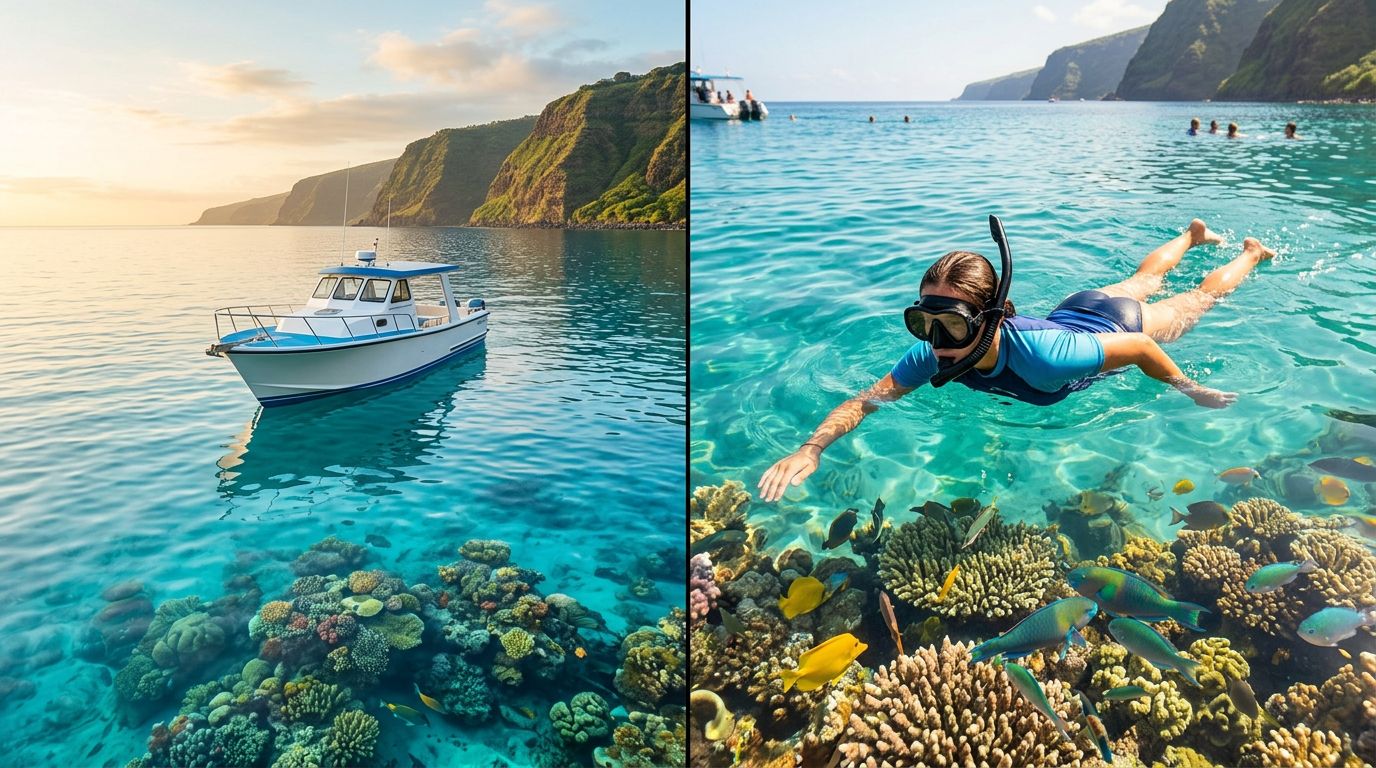
The time of day you choose can shape your entire Captain Cook snorkeling cruise. Morning trips often offer calmer conditions, while afternoon tours give you a slower start and warmer sunshine.
If you’ve searched for snorkeling Big Island Hawaii trips, you may have noticed that departure times vary by operator. Your choice should match your priorities, swimming comfort, travel plans, and tolerance for wind or bright sun.
Kona Snorkel Trips offers guided Captain Cook excursions for travelers who want personal service, safety-focused instruction, and time in one of the Big Island’s most beautiful marine areas. You may also see Captain Cook Snorkeling Tours while comparing Kealakekua Bay options. The right departure time depends on what you want from your day on the water.
Key Takeaways
- Morning cruises usually have the best chance of calmer water and clear visibility.
- Afternoon trips work well when you prefer a relaxed schedule or want to sleep in.
- Wind, swell, clouds, and boat traffic can change conditions on any given day.
- Families and first-time snorkelers often appreciate morning energy and cooler temperatures.
- Your ideal cruise depends on the bay conditions, your itinerary, and how you handle the sun.
Why Timing Matters at Kealakekua Bay
Kealakekua Bay sits along the Kona coast, where volcanic cliffs meet clear Pacific water. The protected bay can offer excellent snorkeling, but conditions still change throughout the day.
Morning air is often cooler, and overnight winds may have had less time to build. That can mean a smoother boat ride and a calmer surface when you enter the water. Clearer water also makes it easier to spot reef fish, sea turtles, and the coral formations below you.
Afternoon conditions can remain excellent, especially when the day stays calm. However, trade winds commonly become stronger as the hours pass. Wind creates surface chop, which can make swimming harder and reduce the comfort of passengers who are prone to seasickness.
Sun angle matters, too. Midday light reaches the reef from above, which can bring out bright colors and improve underwater visibility. On the other hand, intense sunlight can make the ride hot if you don’t bring enough water, sun protection, or a long-sleeve rash guard.
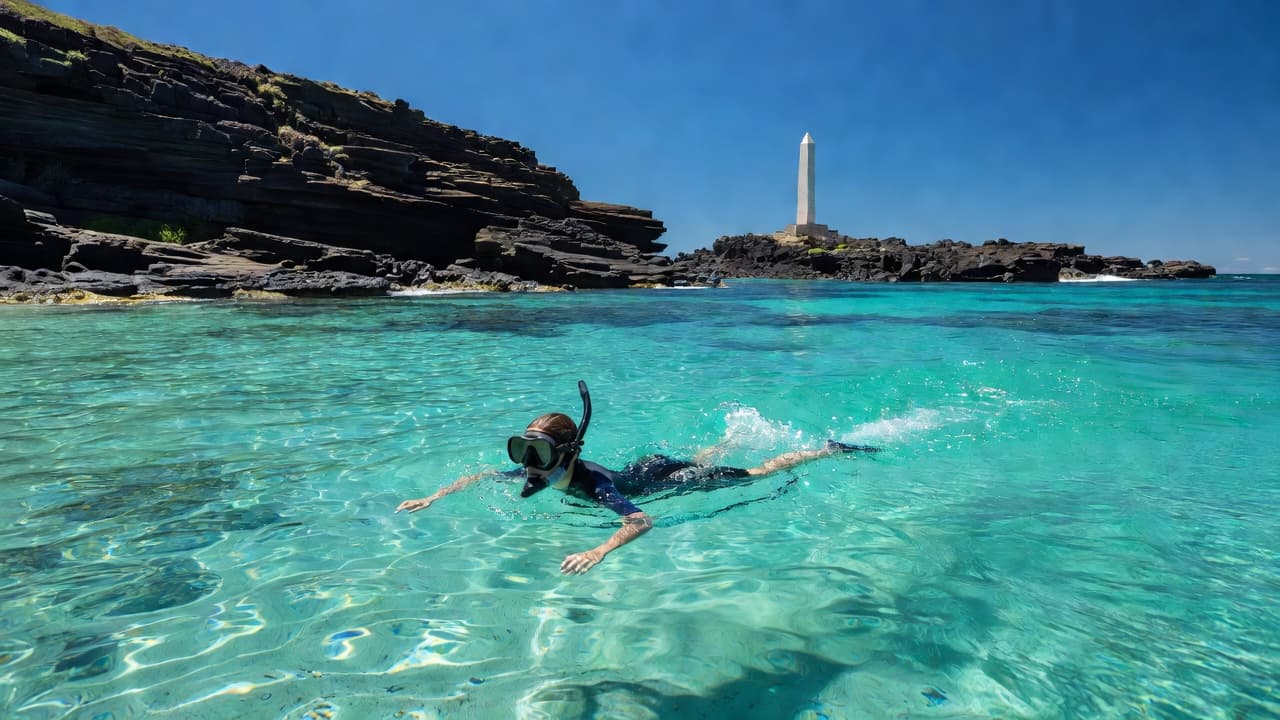
The Captain Cook Monument is located on the shoreline at the northern end of the bay. Many cruises visit the area by boat because the monument is difficult to reach by land. You can snorkel near the monument while learning about the bay’s history, geology, and marine life.
No departure time guarantees perfect conditions. Ocean weather changes quickly, so your captain’s judgment remains more important than a general morning-versus-afternoon rule.
What You Can Expect on a Morning Captain Cook Cruise
A morning cruise gives you an early start, but that schedule often comes with favorable conditions. The water may feel calmer, and the boat ride can be more comfortable before the day’s wind picks up.
Morning light also creates a strong contrast between the dark lava cliffs and the blue water. Under the surface, the reef can look sharp and colorful. You may find it easier to take photos because the sun is bright without reaching its harshest intensity.
Early departures suit travelers who want to use the rest of the day for another activity. After snorkeling, you can visit coffee farms, explore Kailua-Kona, drive toward South Kona, or relax at your hotel. This timing also helps if you have dinner plans, a luau, or an evening manta ray tour.
Families often prefer morning trips because children usually have more energy after breakfast. You also avoid scheduling a water activity after a full day of driving or sightseeing. If your children are new to snorkeling, calmer water can make the first experience feel more manageable.
Morning cruises can have drawbacks. You may need to wake up early, reach the marina on time, and organize breakfast before departure. If you enjoy slow vacation mornings, the schedule may feel demanding. Early water can also feel cooler, especially when clouds cover the sun.
Your best preparation includes eating a light breakfast, drinking water, and arriving with enough time to check in. Avoid a heavy meal immediately before boarding if you tend to feel motion sickness. The best Big Island snorkeling tours can vary in schedule and destination, so check the meeting time and estimated duration before booking.
If calm conditions and strong underwater visibility matter most to you, a morning Captain Cook cruise is usually the safer starting point.
When an Afternoon Snorkeling Cruise Makes More Sense
An afternoon cruise gives you more flexibility. You can sleep later, eat breakfast at an easy pace, and enjoy another short activity before heading to the harbor.
This schedule works well for couples who want a less structured morning. It can also suit families staying in Waikoloa, Kohala, or another area north of Kailua-Kona, especially if the drive to the marina takes time.
Afternoon sunlight can make the water feel inviting. Warmer air and brighter skies may help you stay comfortable after entering the ocean. If you get cold easily, the later departure can be appealing.
However, you should expect a greater chance of wind and surface chop as the day continues. The conditions won’t always become rough, but the possibility is higher. People who rarely spend time on boats should consider this factor carefully.
Afternoon cruises may also have more activity on the water. Other boats, rental vessels, and visitors can affect the feel of the bay. Kealakekua Bay remains a large marine area, but the experience may feel less quiet than an earlier departure.
A useful comparison from another Hawaiian snorkeling destination points to the same tradeoff: afternoon Molokini trips can offer warmer water and a relaxed departure, while stronger winds remain a possible downside. Conditions at Molokini and Kealakekua Bay aren’t identical, but the timing principle is similar.
Choose an afternoon Captain Cook cruise when your schedule matters more than the best odds of calm water. You can still have an excellent snorkel, especially when the forecast shows light winds and stable weather. Ask the operator about the day’s conditions before you commit if you have flexibility.
Morning vs Afternoon: A Practical Comparison
Your decision becomes easier when you compare the factors that affect comfort, visibility, and planning.
| Factor | Morning cruise | Afternoon cruise |
|---|---|---|
| Water conditions | Often calmer early | Wind may increase later |
| Underwater visibility | Frequently clear | Can remain excellent, depending on wind |
| Air temperature | Cooler at departure | Usually warmer |
| Sun exposure | Moderate to strong | Stronger during midday |
| Family energy | Children may be more rested | Kids may be tired after a full day |
| Daily schedule | Leaves the afternoon open | Allows a slower morning |
| Seasickness concerns | Often the better choice | More wind can create extra motion |
| Photography | Soft, bright early light | Strong midday color and brightness |
The table gives you a starting point, not a promise. A cloudy morning can produce lower visibility, while a calm afternoon can deliver perfect snorkeling. Your captain checks the ocean before departure and may adjust the route when conditions require it.
Morning and afternoon cruises can both reach the same areas of Kealakekua Bay. The difference is usually the feel of the outing rather than the destination itself. You should review the exact itinerary, time on the water, included equipment, and cancellation policy.
If you want additional perspective, a morning versus afternoon Molokini guide also highlights calm seas and visibility as common reasons travelers choose earlier departures. Again, use the forecast and your own comfort level to make the final decision.
Choose Your Cruise Based on Your Travel Style
The best departure time depends on the kind of day you want to create. Your party’s age, experience, and plans can matter more than a small difference in water conditions.
Choose morning if you want the calmest start
Morning is a strong choice when you care most about a smooth ride and relaxed swimming. It also suits first-time snorkelers, people who get seasick, and families with young children.
You may also prefer morning if snorkeling is the main activity of your day. You’ll have more energy in the water and time to recover afterward. A successful early cruise can set the tone for the rest of your vacation.
Choose afternoon if your morning is already full
An afternoon trip fits travelers who want breakfast, sightseeing, or a longer drive before boarding. It works well when your accommodation is far from the harbor or when your group doesn’t function well before 8 a.m.
You can make the later start more comfortable by limiting other activities before the cruise. Give yourself enough time to arrive, park, use the restroom, and listen to the safety briefing without rushing.
Consider your swimming experience
Strong swimmers may feel comfortable in a wider range of conditions. Still, even experienced swimmers can find wind and chop tiring. If you spend most of your vacation on land, choose the departure time with the greatest chance of comfort.
First-time snorkelers should tell the crew about their experience level. A good guide can explain how to use the mask, fins, and flotation equipment. You should never feel pressured to enter water that feels unsafe.
Match the trip to your evening plans
An afternoon cruise may conflict with dinner reservations, sunset plans, or a nighttime manta ray experience. Morning allows more space between activities, which can be useful if you want a full day on the Kona coast.
Travelers who plan to snorkel Big Island waters more than once can split their schedule. Choose a morning Captain Cook trip for reef viewing, then reserve another outing for a different marine experience later in the vacation.
What to Check Before Booking
Departure time is only one part of the decision. Read the tour details so you know what the day will require.
First, confirm the meeting location and arrival time. Kailua-Kona has several harbor areas, and traffic can slow your drive during busy vacation periods. Leave extra time for parking and check-in.
Next, review age requirements and swimming expectations. Some tours welcome young children, while others may recommend a minimum age based on boat size, water access, or trip length. Ask about flotation devices if anyone in your group feels uncertain in open water.
Check what equipment the operator supplies. A properly fitting mask can make the difference between enjoying the reef and constantly clearing water. Fins, flotation support, and instruction also affect your confidence.
Sun protection needs attention on every Hawaiian boat trip. Use reef-conscious sunscreen, wear a rash guard, and bring a hat for the ride if the crew allows it. Hawaii restricts the sale of sunscreens containing oxybenzone and octinoxate, so check the ingredients before you travel. The National Park Service information on reef-safe visitor practices can help you understand how sunscreen choices affect coral reef areas.
Motion sickness preparation is easier when you plan ahead. Eat lightly, drink water, and focus on the horizon if you feel queasy. Ask your doctor or pharmacist about motion sickness medication before your trip, especially if you’re unsure how you react to boats.
Finally, ask how weather decisions work. A professional operator should explain when a trip may be altered, moved, or canceled. Ocean safety takes priority over keeping an original route.
Why Kona Snorkel Trips Fits a Captain Cook Day
Kona Snorkel Trips follows a “Reef to Rays” approach across its guided ocean adventures. Its Captain Cook trips focus on personal service, safety, and respect for the marine environment.
The company uses small-group trips instead of an impersonal crowded format. That gives you more chances to ask questions, get help with your equipment, and learn about the reef from a lifeguard-certified guide.
You can expect attention to the details that affect comfort on the water. The crew provides quality snorkeling gear and explains reef-safe practices before you enter the bay. Guides also share information about the volcanic coastline and marine life without turning the outing into a lecture.
For families, couples, and solo travelers, group size can shape the experience. A smaller group makes it easier to stay connected with your guide. It also gives you more space to enjoy the water at your own pace.
Kona Snorkel Trips has built a five-star reputation through consistent service and a strong focus on guest safety. The team treats the reef as a living ecosystem, not a backdrop for photographs. That approach matters when you visit a place as sensitive as Kealakekua Bay.
If you’re choosing between morning and afternoon, ask the crew which departure best fits the day’s ocean conditions. They can give you current guidance that a general comparison cannot provide. You can also check avaialbility for a Captain Cook snorkeling tour before finalizing your itinerary.
When you choose a cruise, you can check availability and compare the available departure times. Book the time that fits your group, then stay open to guidance from the crew if conditions shift.
The Best Time Is the One That Matches Your Day
Morning Captain Cook snorkeling cruises usually give you the best odds of calm water, clear visibility, and a comfortable ride. They also leave your afternoon open for more island plans.
Afternoon trips make sense when you want a slower morning, warmer air, or a schedule that fits your accommodation and other activities. They can offer beautiful snorkeling, but you should prepare for the chance of stronger wind.
Your choice comes down to conditions and priorities. If calm water matters most, choose morning. If flexibility matters most, afternoon may fit better. Either way, Kealakekua Bay rewards you when you arrive prepared, listen to your guide, and treat the reef with care.