
How Long Kids Usually Stay in the Water on a Captain Cook Snorkeling Trip
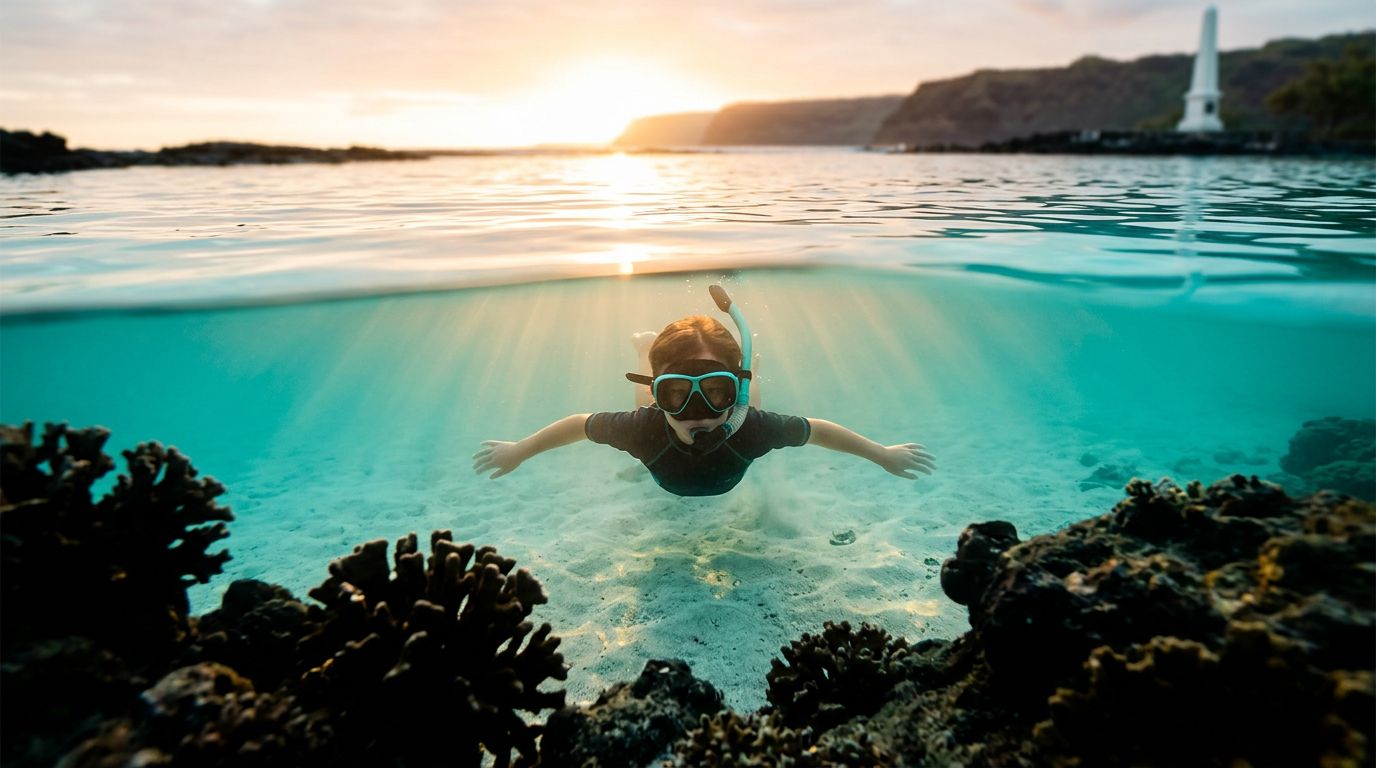
If you’re comparing Kona Snorkel Trips and Captain Cook Snorkeling Tours, the real question is simple: how long will your child actually want to stay in the water? On a good day, the answer is longer than most parents expect. On a tired or chilly day, it can be much shorter, and that’s normal.
Kids do best when the pace feels easy, the water is calm, and the first few minutes go well. That’s why a Captain Cook snorkeling trip can be such a strong family choice, especially if you want to check availability before the best dates fill up. If you want a wider look at trip types, the Big Island snorkeling tours page is a helpful place to start.
The short answer most parents want
Most kids stay in the water about 10 to 30 minutes at a time on a Captain Cook snorkeling outing. Younger children often sit near the lower end of that range. Older kids, or children who already like swimming, can usually do more.
That said, the clock matters less than the rhythm. A short snorkel, a break on the boat, then another short snorkel usually works better than one long push. On snorkeling Big Island Hawaii trips, that pattern often keeps the day fun instead of tiring.
Most kids do best in short bursts, not one long swim.
Here’s a simple planning guide:
| Child’s age and comfort | Typical first stretch in the water | What usually helps most |
|---|---|---|
| 4 to 6, new to snorkeling | 5 to 10 minutes | Float help, close adult support, quick breaks |
| 7 to 9, curious but cautious | 10 to 20 minutes | Fish spotting, calm entry, no rushing |
| 10 to 12, comfortable swimmers | 15 to 30 minutes | Longer swims, stronger kicking, more independence |
| Teens | 20 to 40 minutes or more | Good gear fit, flexible pacing, fewer interruptions |
Treat that table as a guide, not a rule. A fearless six-year-old can outlast a hesitant eleven-year-old. A child who is excited about the fish may also stay in longer than you planned.
If you’re trying to snorkel Big Island with kids for the first time, think in blocks, not hours. One good snorkel is enough to make the day a success. Two good snorkels make it memorable.
If you want another parent’s point of view, snorkeling on the Big Island with kids offers a useful broader look at what helps children stay comfortable in the water.
Age, confidence, and comfort set the pace
Kids do not all react to the ocean the same way. Age matters, but comfort matters more. A child who has practiced with a mask in a pool often settles into the water faster than an older child who feels unsure.
Breathing through a snorkel can feel strange at first. Some kids take to it right away. Others need a few minutes just to stop thinking about the gear. That first adjustment period often decides how long they stay in the water.
The child who is relaxed usually lasts longer. The child who is focused on a leaky mask, a cold shoulder, or a fin strap that feels odd tends to ask for a break sooner. That’s why good gear fit matters so much on a Captain Cook snorkeling trip.
A lot of parents ask whether the bay is “easy enough” for children. The answer depends on the day, but the setting often helps. Calm water, visible fish, and clear lines of sight make the experience feel less like work. When kids can look up and spot bright fish right away, they tend to forget about time.
Families who enjoy snorkeling Big Island often find that one successful, low-pressure trip changes everything. Kids who are nervous on day one may be asking for another swim by day three. That shift is common when the first outing feels manageable.
Why Kealakekua Bay often works better for kids
Kealakekua Bay is one reason Captain Cook snorkeling has such a strong family reputation. The water is often clear, the reef is full of color, and the bay can feel calmer than many open-coast spots. That calm matters when your child is still learning how to relax in the water.
Kids usually stay longer when the water gives them something to see right away. Fish are better than pep talks. A bright reef is better than a long explanation. The more immediate the reward, the easier it is for them to stay engaged.
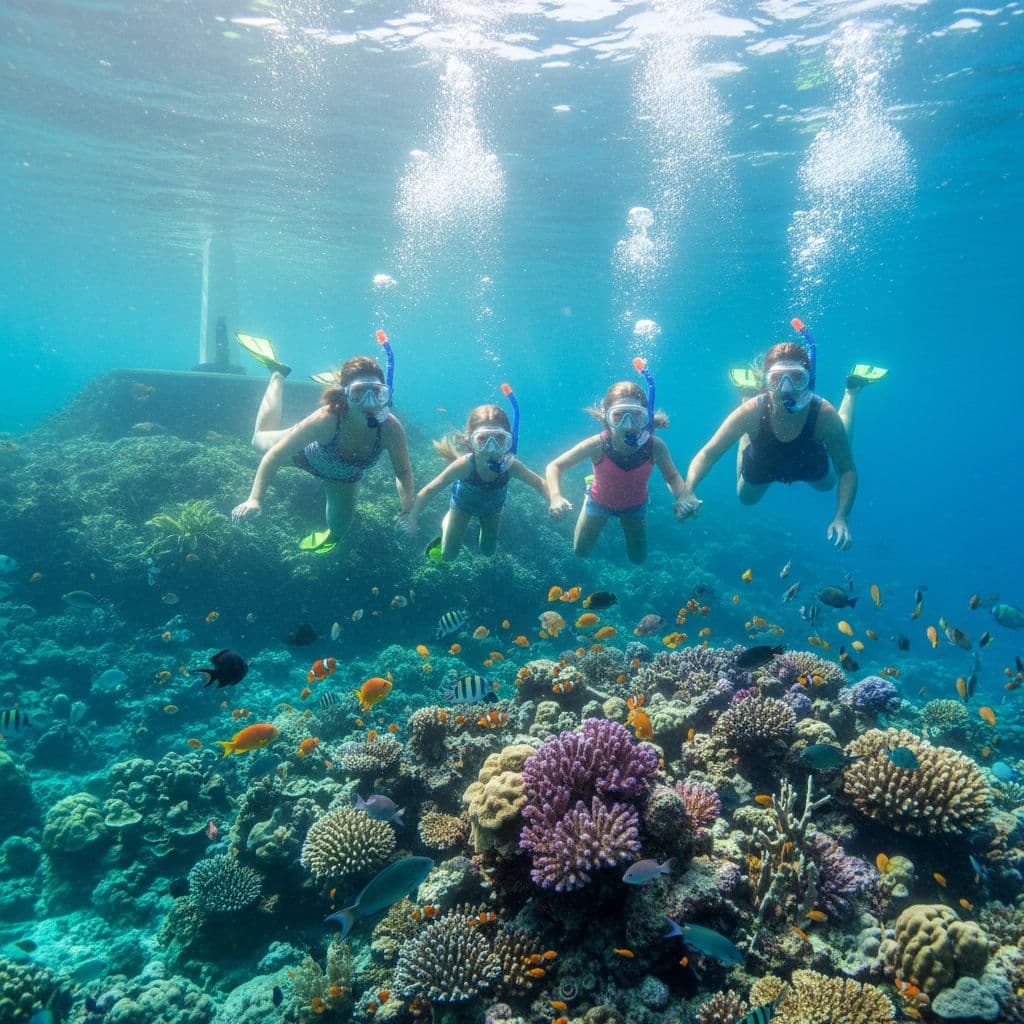
That visual payoff is part of why many families who snorkel Big Island keep returning to this bay. They don’t have to work hard to see life underwater. They just look down, and the reef starts doing the rest.
The boat experience helps too. A guided trip gives you a place to rest between sessions. Kids can warm up, drink water, and reset before the next swim. That kind of pause can add a lot of time to the overall experience, even if each snorkel stay is short.
Kona Snorkel Trips keeps the day small and personal, which makes a difference when you’re watching a child’s energy level. Their lifeguard-certified guides, small-group format, and reef-safe approach help the outing feel calm instead of crowded. When your child needs a break, you want a crew that understands the difference between tired and done.
A quiet, well-paced trip usually keeps kids in the water longer than a packed schedule does.
If you want to compare openings for a family trip, you can check avaialbility before you plan the rest of your day.
What shortens a snorkel session fast
A child can love the reef and still want out quickly. Cold, hunger, and mask problems can shorten the swim fast. Even warm Kona water can feel chilly after enough time floating with little movement.
Mask leaks are a common deal-breaker. So is a snorkel that feels awkward in the mouth. If your child keeps touching their face or stops looking around, the fun is slipping away. At that point, a break is the smart move.
Wave motion matters too. Some kids handle gentle water without any issue, then get tired as soon as the surface starts to bounce. Others stay relaxed in light chop but need more help with breathing rhythm. The point is to watch your own child, not the child next to them.
Sun and energy also count. A kid who starts the day hungry, overheated, or under-slept can fade fast once they get in the water. That has nothing to do with courage. It’s just fatigue.
A tired child gets chilly faster than you think, even in warm Kona water.
Parents sometimes try to squeeze one more ten-minute swim out of a child who is already done. That usually backfires. A short rest on the boat, a sip of water, and a reset often does more than pushing through one extra lap around the reef.
How to help your child stay in longer without pushing
The best way to stretch a kid’s water time is to make the first entry easy. Keep the first session short and calm. If that first round feels good, the second one usually lasts longer.
Simple prep goes a long way. A mask that fits well is worth more than a last-minute pep talk. A rash guard can help with sun and chill. Practice breathing through the snorkel before the trip if you can.
You can also turn the swim into a game. Ask your child to spot a yellow fish, then a blue one. Ask them to count coral shapes or point out the biggest fish they see. That keeps attention on the reef instead of the clock.
A good family routine often looks like this:
- Start with a short swim, not a long one.
- Stay close to the group on the first round.
- Take a break before your child gets tired.
- Offer water and a warm layer between sessions.
If you want a deeper checklist for planning, How to Choose a Family-Friendly Captain Cook Snorkel Tour is a helpful read before you book.
The same idea applies when you snorkel Big Island with children anywhere else. Don’t wait until the first complaint. Aim for the moment before the complaint. That small timing change can add a lot of happy time in the water.
When to call it a good day
The best family snorkel is rarely the longest one. It’s the one your child still talks about at lunch. If they leave the water smiling, asking about the fish, and ready for the next stop, you timed it well.
Watch for early signs that the session is winding down. A loose mask seal, slower kicking, shivering, or a child who stops looking around usually means the fun is fading. By then, the reef is no longer the main attraction. Warmth and comfort are.
That’s why short, positive sessions work so well on Captain Cook snorkeling trips. You’re not trying to turn your child into a marathon swimmer. You’re giving them enough time to enjoy the bay without crossing into frustration.
Families who try snorkeling Big Island for the first time sometimes think more water time is better. Usually, the opposite is true. Two upbeat 15-minute swims beat one drained 40-minute struggle.
If you keep that in mind, the day gets easier to plan. You can build in breaks, keep expectations realistic, and let the setting do the heavy lifting. Kealakekua Bay already gives you clear water and plenty to see. Your job is to keep the pace light.
Conclusion
Kids usually stay in the water for short bursts, not long marathons, and that’s exactly how it should be. On a Captain Cook snorkeling trip, most families do best with 10 to 30 minutes at a time, plus breaks that let everyone reset.
Kealakekua Bay gives you a strong chance to stretch that time without stress. Clear water, easy visibility, and a calm group pace can turn a first snorkel into a trip your child remembers for the right reasons.
If your child comes out of the water wanting one more look at the fish, you’ve already won. That’s the sweet spot.