
Captain Cook Snorkeling Tour: Night-Before Checklist
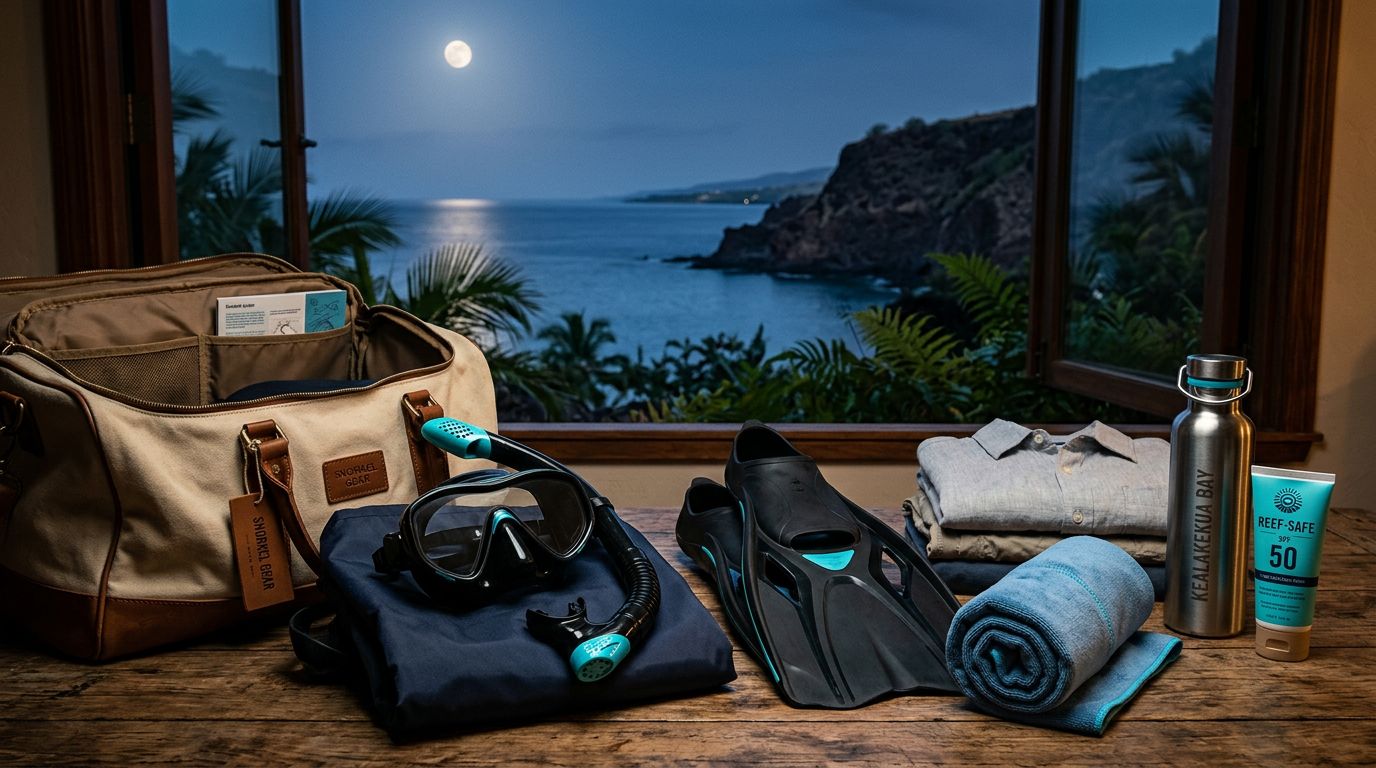
Your Captain Cook snorkeling tour can feel effortless, but the best morning usually starts the night before. A few simple choices will help you arrive rested, prepared, and ready for Kealakekua Bay.
Kona Snorkel Trips offers small-group ocean adventures with high-quality gear, lifeguard-certified guides, and a strong “Reef to Rays” focus. Captain Cook Snorkeling Tours is another name you may see while comparing Kealakekua Bay options, so check meeting details, inclusions, and cancellation terms before you book. Then use this night-before checklist to prepare for your time on the water.
Why the night before matters
Kealakekua Bay sits south of Kailua-Kona, and your tour may involve an early start, a boat ride, and several hours outside. Packing at the last minute often means forgetting the items that matter most, such as dry clothes, water, or sun protection.
A short preparation routine also gives you time to handle practical concerns. You can check the weather, confirm the meeting point, choose a suitable meal, and tell the operator about any mobility or swimming concerns.
Confirm your reservation details
Open your booking confirmation and read it carefully. Check the departure time, meeting location, parking instructions, tour length, included equipment, age requirements, and cancellation policy.
Save the confirmation where you can access it without relying on weak cell service. A screenshot or downloaded copy is useful. Also check whether the operator has sent a weather update or requested any additional information.
If you’re still comparing options, the Captain Cook snorkeling tour details from Kona Snorkel Trips provide information about the Kealakekua Bay route, equipment, guides, and what you can expect during the excursion.
Check the forecast, then keep watching
Look at the forecast the evening before, but don’t treat it as a guarantee. Wind, swell, visibility, and rainfall can change quickly along the Kona coast.
Your guide will make the final decision about the route and water conditions. A calm harbor doesn’t always mean calm conditions at the reef.
A weather app can show general conditions, but your captain sees the actual ocean before departure and during the trip.
Kona Snorkel Trips puts safety first, with lifeguard-certified guides who monitor guests, conditions, and equipment. If the operator contacts you about a schedule change, respond promptly and follow the updated instructions.
Captain Cook snorkeling tour details to confirm tonight
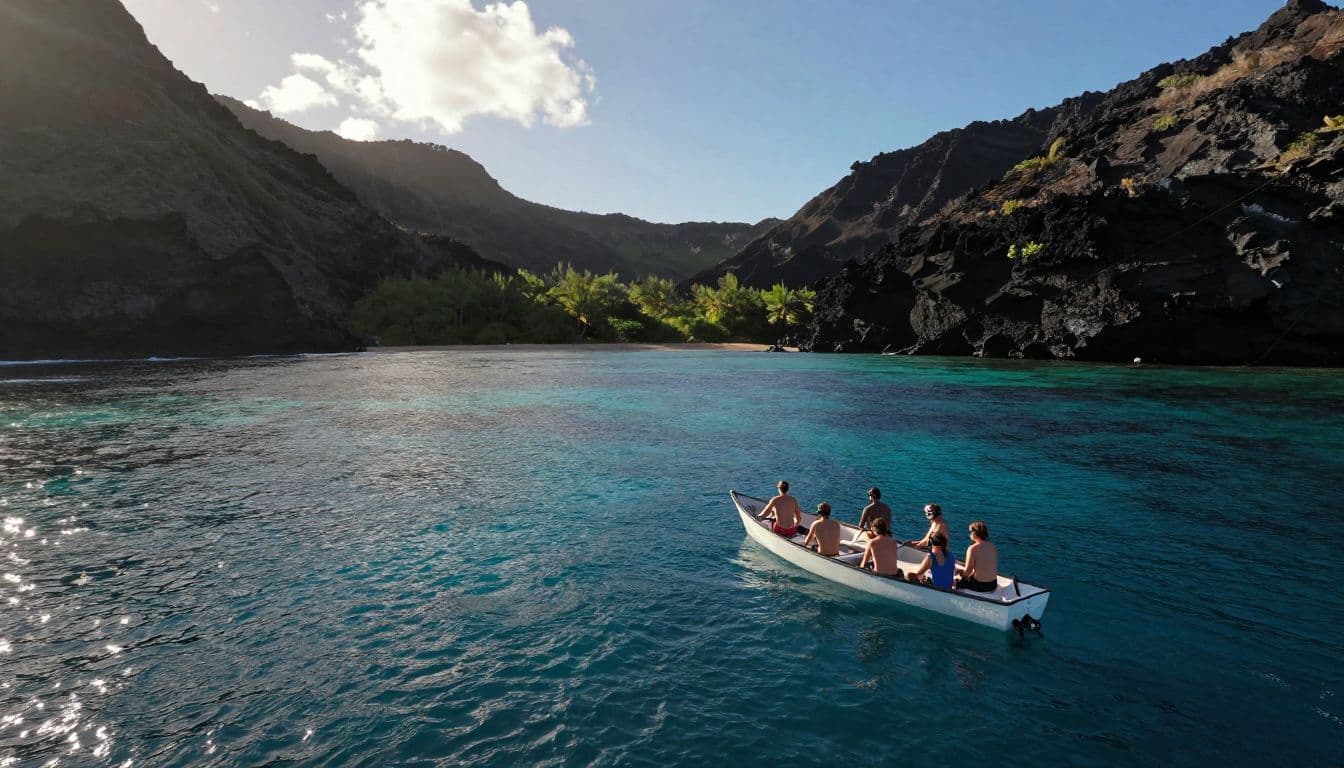
Kealakekua Bay is a Marine Life Conservation District with clear water, coral habitat, and abundant tropical fish. The bay is also connected to the history of the Captain Cook Monument, which stands along the shore.
The setting is special, but ocean conditions still shape your experience. Your Captain Cook snorkeling tour may include a boat ride along the coast, time in the water, and a guide-led introduction to the bay’s marine life and history.
Know what the tour includes
Read the tour page and confirmation together. Look for details about:
- Masks, fins, flotation equipment, and other snorkeling gear.
- The number of guests and the type of boat.
- Restroom access, snacks, water, and meal arrangements.
- Time spent snorkeling compared with time spent traveling.
- Requirements for children, non-swimmers, or guests with health concerns.
Kona Snorkel Trips focuses on a personalized small-group experience rather than an impersonal, crowded outing. Guides can help you adjust your mask, understand the entry process, and identify marine life without rushing you through the experience.
Check the meeting plan twice
Use the night before to map the drive from your accommodation. Add time for traffic, parking, fuel, and finding the correct launch area.
Keep your confirmation, identification, payment card, and emergency contact information together. If your group has several travelers, send everyone the meeting time and location so nobody depends on a single person’s phone.
When you’re ready to book or review current tour times, you can check avaialbility for the Captain Cook outing.
Pack for sun, salt water, and boat time
You don’t need a huge beach bag. A few well-chosen items will keep you comfortable before, during, and after the tour.
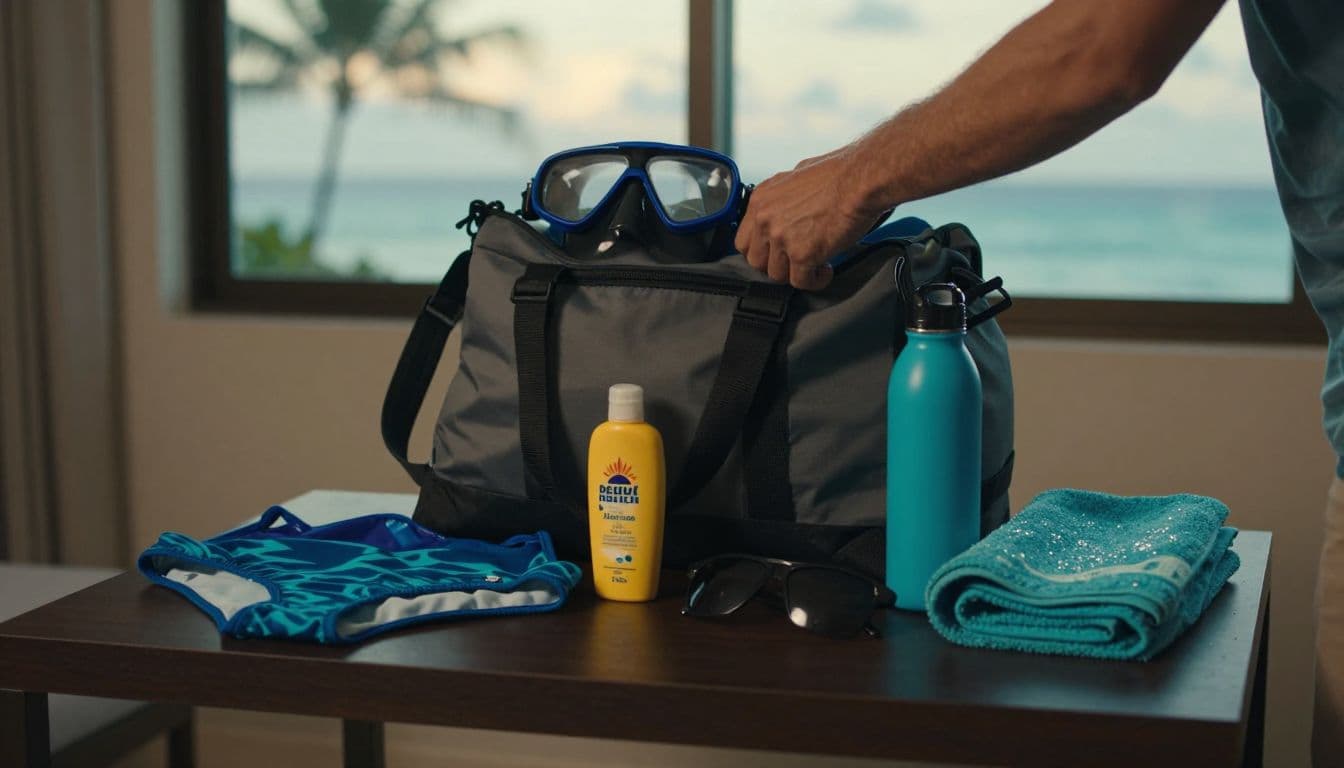
Pack everything the night before and place the bag beside your clothes. That small step prevents a rushed search for sunscreen or a swimsuit in the morning.
Choose clothing that dries quickly
Wear a swimsuit under lightweight clothing if that makes your morning easier. Bring a cover-up, sandals with secure straps, and a change of clothes for the ride back.
A long-sleeved rash guard can add comfort in the sun and reduce the amount of sunscreen you need. Bring a hat and sunglasses for the boat, but secure them so wind doesn’t carry them away.
Keep a small towel and a plastic-free bag for wet swimwear. A dry bag or waterproof pouch can protect your wallet, room key, and phone.
Pack reef-safe sun protection
Apply sunscreen before you leave, especially on your shoulders, neck, back, ears, and legs. Reapply according to the product directions and your guide’s instructions.
Choose reef-conscious sun protection and use clothing for extra coverage. Avoid applying oily products immediately before entering the water, since residue can transfer to masks, boat surfaces, and the marine environment.
Don’t bring glass containers, loose jewelry, or anything you would worry about losing overboard. Leave expensive watches and unnecessary electronics in your room.
Plan food and hydration before bed
A snorkeling trip uses more energy than many travelers expect. Swimming, balancing on a moving boat, and spending time in the sun can leave you tired by midday.
Eat a familiar meal the night before. Heavy, greasy food may make some people uncomfortable, especially if they tend to feel motion on boats.
Drink water without overdoing it
Drink water through the evening and have some before departure. Avoid arriving dehydrated after spending the night outdoors or drinking alcohol.
Bring a reusable bottle if the operator allows it. Confirm whether water and snacks are provided so you don’t pack more than you need.
Alcohol can affect sleep, hydration, balance, and judgment. Skip it the night before if you want your body to feel steady in the morning.
Prepare for motion sensitivity
If boat rides sometimes bother you, plan ahead. Speak with your healthcare provider about suitable options, and follow the directions for any over-the-counter product you choose.
Have a light breakfast that you know your stomach handles well. Avoid trying unfamiliar foods before a morning on the ocean.
Tell your guide if you start feeling unwell. Moving to a more stable part of the boat, looking toward the horizon, or taking a break may help, but you should follow the crew’s instructions.
Prepare your body and mind for snorkeling
You don’t need to be an athlete for a guided snorkeling tour. You do need to understand your own comfort level in open water.
If you swim regularly, consider a short, easy session before your trip. Practice breathing slowly through a snorkel, clearing your mask, and floating without touching the bottom.
Be honest about your swimming comfort
Tell the crew if you feel nervous, tire quickly, or haven’t snorkeled before. A guide can explain flotation support and help you choose a safer position in the water.
Never hide a health condition, recent injury, pregnancy, or medication concern that could affect swimming or balance. Ask the operator before booking if you’re unsure whether the tour fits your needs.
Hawaii Ocean Safety encourages visitors to understand their limits, health, fitness, and familiarity with ocean activities. Review its snorkeling safety guidance before your trip.
Set expectations for children
Children may love the fish and clear water, but open-ocean snorkeling requires attention and patience. Discuss the plan before bed so everyone knows the rules.
Explain that children must listen to the guide, stay with the group, and avoid standing on coral. Pack familiar swimwear and any comfort item they can safely keep on the boat.
Ask about child-sized flotation equipment and age requirements when you book. Equipment availability can vary, and infant flotation needs special attention.
Practice reef-safe habits before you arrive
Kealakekua Bay is protected for a reason. Its coral, fish, and other marine life need space to survive, and small actions can cause lasting damage.
The Hawaii Department of Land and Natural Resources rules for Kealakekua Bay explain the boundaries and protections for the Marine Life Conservation District. Read them if you want a clearer picture of the area’s status.
Keep your hands and fins off the reef
Coral may look like rock, but living coral can break or suffer damage from contact. Keep your body horizontal, maintain space above the bottom, and use slow fin movements.
Don’t stand on coral, grab rocks, or hold onto animals. If you need help, signal your guide rather than reaching for the reef.
Your guide may ask you to adjust your position, stay within a certain area, or return to the boat. Follow those instructions even when you see something exciting.
Watch animals without chasing them
Fish, turtles, dolphins, and other wildlife need room to move. Stay calm, keep your distance, and let animals decide whether to approach.
Never feed fish or collect shells, rocks, coral, or other natural items. The state’s Hawaii fishing regulations provide additional information about protected areas and marine resources.
Responsible snorkeling makes the experience better for everyone. You get more natural behavior from wildlife when you stop chasing and observe quietly.
Protect your phone, valuables, and photos
You may want photos of the cliffs, boat ride, and water. Decide in advance what you can safely bring.
A waterproof phone case can work for surface photos, but test it before the trip. Don’t wait until you’re on the boat to discover that the seal leaks.
Bring only what you can secure
Place your room key, wallet, and identification in a sealed dry bag. Ask the operator where personal items should stay during the water portion.
Avoid carrying loose phones, jewelry, prescription sunglasses, or cameras into the water unless you have reliable equipment and understand the risk. A lost item can distract you from the experience and create a recovery problem.
If you bring an action camera, attach it securely. Use a floating handle only if it doesn’t interfere with your swimming or the people around you.
Leave room in your schedule
Don’t book a demanding hike, long drive, or late-night activity immediately before the tour. Sleep matters, especially if you have an early departure.
After snorkeling, allow time to dry off, eat, and return to your accommodation. If you plan another ocean activity, check the timing and physical demands before committing.
A search for “snorkeling Big Island Hawaii” may show many activities, but your itinerary still needs breathing room. Clear water is more enjoyable when you’re not watching the clock.
Follow the guide’s plan on tour day
The morning routine should be simple. Eat, hydrate, dress in sun-safe layers, and leave with enough time to arrive without rushing.
At check-in, keep your confirmation ready and tell the crew about any concern you didn’t mention during booking. Guides can help more effectively when they know what you need.
Pay attention during the briefing
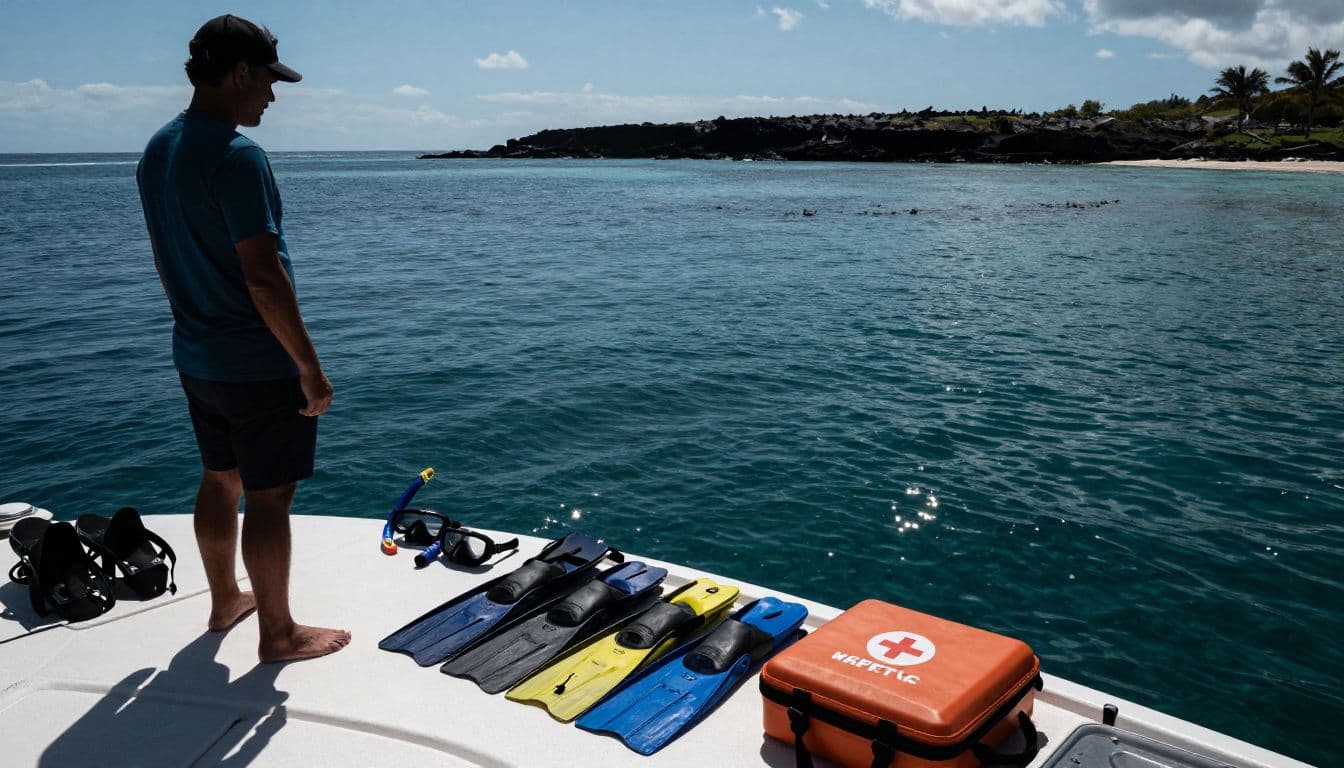
The safety briefing covers more than where to find your mask. Listen for instructions about entering and exiting the boat, flotation devices, hand signals, boundaries, and what to do if you become tired.
Practice the signals before entering the water. You should know how to indicate that you’re okay, need help, or want to return to the boat.
Ask questions before you jump in. A short question about your mask fit or flotation support can prevent a stressful moment later.
Let the ocean set the pace
Visibility and marine life can change during the day. Your guide may move the group, shorten the swim, or choose a different area based on the conditions.
If you want to snorkel Big Island waters confidently, stay close enough to hear the guide and keep your attention on the group. Strong swimmers can still become separated when wind, current, or boat traffic affects visibility.
Don’t measure the trip by how many animals you see. The bay’s cliffs, reef structure, fish behavior, and changing light all make the experience worthwhile.
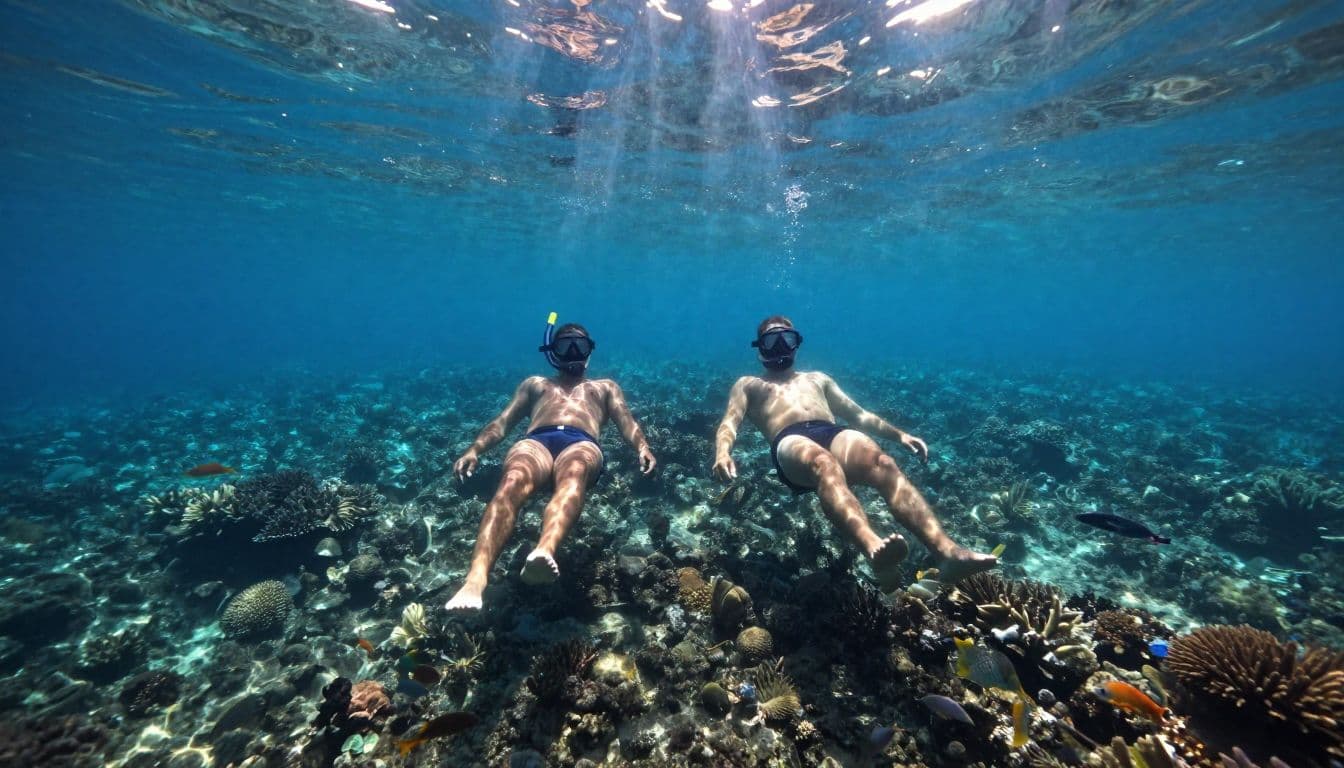
Plan other Kona water activities carefully
A Captain Cook outing can be the main ocean day of your vacation. If you want more time on the water, avoid packing every activity into one exhausting schedule.
Kona Snorkel Trips also offers a Kona manta ray snorkeling tour and seasonal Kona whale watching tours. These experiences have different timing, conditions, and physical demands, so review each tour before adding it to your itinerary.
For families, reunions, proposals, or groups with different interests, a private Kona boat charter may offer more flexibility. You can discuss the pace, locations, and activities before committing to a schedule.
The company’s Big Island snorkeling tours page is a useful place to compare available options. Choose the trip that matches your group’s comfort, time, and interests rather than selecting activities by title alone.
Your final night-before checklist
Use this quick reference before you turn in for the night.
| Item | What to confirm |
|---|---|
| Reservation | Start time, meeting location, duration, and cancellation terms |
| Clothing | Swimsuit, rash guard, cover-up, dry clothes, towel, and secure sandals |
| Sun protection | Reef-conscious sunscreen, hat, sunglasses, and extra coverage |
| Personal items | Dry bag, room key, identification, and a tested phone case |
| Health | Swimming comfort, motion sensitivity, medications, and questions for the crew |
| Food and water | Light breakfast plan, hydration, and included refreshments |
| Travel time | Parking, fuel, traffic, and a calm arrival buffer |
Place your bag, clothes, confirmation, and water bottle together. In the morning, you should only need to dress, eat, and leave.
Conclusion
A great Captain Cook snorkeling tour begins with practical preparation. Confirm the details, pack light, protect yourself from the sun, respect the reef, and tell your guide what you need.
Kealakekua Bay rewards patience and attention. When you arrive rested and ready, you can spend less time solving small problems and more time enjoying the clear water, volcanic coastline, and living reef.