
Best Seat on a Captain Cook Snorkeling Tour
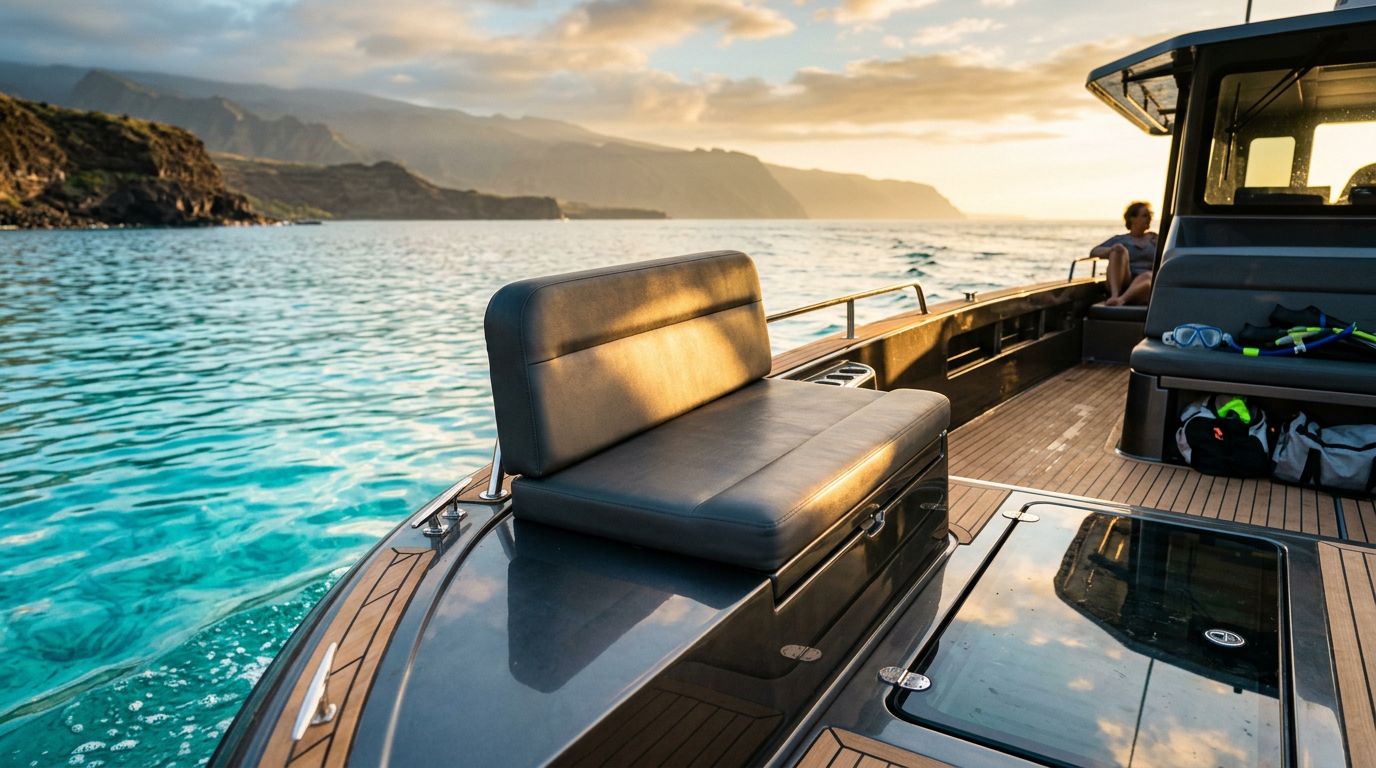
The best seat on a Captain Cook snorkeling tour is usually near the boat’s centerline, slightly behind the midpoint, and low enough to reduce motion. You get a steadier ride there without giving up the view.
Your ideal spot can change based on seasickness, shade, photography, family needs, and how quickly you want to enter the water. The boat’s design also matters, since a rigid inflatable boat, center-console vessel, and larger catamaran each move differently.
Before you board in Kona, learn how each seating area affects comfort and views. A few minutes of planning can make your ride to Kealakekua Bay much more enjoyable.
Key Takeaways
- The middle of the boat, slightly aft of center, is the best all-around seat for most passengers.
- Choose a low, stable seat near the centerline if you get seasick.
- Sit near the stern if quick water access matters most, but expect more engine noise.
- The bow offers the biggest forward view, yet it usually gets the most motion and spray.
- Follow crew instructions because the safest seat can change with ocean conditions.
Why the Middle of the Boat Usually Works Best
Boat motion feels strongest at the bow and stern. The bow rises and drops over waves, while the stern can lift and settle with the boat’s wake. Near the center, the vessel pivots less, so you experience less vertical movement.
For most guests, the best general position is slightly aft of the midpoint. You stay close to the boat’s balance point while gaining a calmer ride than you would at the front. A low seat with back support is even better, especially if you plan to spend several hours on the water.
Staying near the centerline also helps. When you sit far out on one side, the boat’s rolling motion can feel stronger. A center position keeps your body closer to the vessel’s natural balance.
That advice matters most when the ocean has a light chop. Even a calm-looking sea can produce repeated rises and drops as the boat crosses open water. A stable seat reduces the effort your body uses to brace against each movement.
You may also find the best view from this area. The boat’s rails, passengers, and equipment can block parts of the horizon near the stern or bow. From the middle, you can often look ahead, watch the shoreline, and turn toward either side without moving far.
Your crew may assign seats or ask passengers to spread out. In that case, accept the position you’re given first. Guides understand how weight distribution affects handling, and they may adjust seating as conditions change.
The most reliable choice is a low, supported seat near the centerline, slightly aft of the boat’s midpoint.
Choose Your Seat Based on What You Want
There isn’t one perfect seat for every passenger. Your best location depends on whether you care most about comfort, views, shade, photography, or easy entry into the water.
If you get seasick
Choose the center of the boat and keep your eyes on the horizon. Looking at a fixed point helps your eyes and inner ear process the boat’s movement more consistently.
Avoid the bow, where the boat may rise sharply over waves. The far stern can also feel active, especially when the vessel accelerates or crosses its own wake.
Fresh air helps, so don’t choose an enclosed cabin if you feel uncomfortable in warm, moving air. However, sitting outside doesn’t mean you need to claim the most exposed seat. A center position with a clear view gives you airflow without the strongest motion.
Eat a light meal before departure, drink water, and follow any medication guidance from your doctor. If you use motion sickness medicine, check timing instructions before boarding because some products work best before the trip begins.
If you want the best coastal views
The bow usually offers the clearest forward view. You can watch the Kona coastline approach and see more of the water ahead. That position works well if you enjoy boat travel and don’t tend to feel motion sick.
The tradeoff is movement. The bow rises more as the boat meets swells, and spray can reach the front rail. Hold your camera securely and keep loose items inside a dry bag.
Side seating can also provide excellent views of lava cliffs and the bay. Yet the better side can change during the trip. Your captain may turn the boat or position it differently based on wind, current, and other vessels.
Don’t assume one side always faces the monument or the best reef. The route and approach vary with conditions, and guides may move the boat to protect passengers and the marine environment.
If you want shade
Look for a covered section near the middle or aft portion of the boat. Shade can make a major difference during a bright Kona morning, especially when you spend time sitting between snorkeling sessions.
Shade may limit your view, though. If you want both protection and scenery, choose a seat near the edge of the covered area. You can step toward the open side when the boat is stationary and return to shade during the ride.
Bring a hat with a secure chin strap rather than a loose cap. Wind can carry it overboard, where retrieving it could put you and the crew at risk.
If you want easy water access
A stern seat near the swim step is often the most convenient choice. You won’t need to cross the full deck when the crew calls your group into the water.
This area can also help families with confident swimmers who need a shorter path to the entry point. Still, the stern may have more engine noise and exhaust than the center of the boat. You should never sit on a step, block a ladder, or enter the water before the guide gives instructions.
Your crew controls the entry order for a reason. They account for current, nearby swimmers, equipment, and the boat’s position relative to the reef.
Your Boat’s Layout Changes the Answer
The phrase “best seat” means something different on each boat. Before booking, look at the vessel description or ask where passengers sit during the ride and while preparing to snorkel.
On a small center-console boat, passengers may sit along side benches, across the bow, or on padded seats near the console. The center console often creates a natural point of stability, but the best available seat depends on the boat’s passenger arrangement.
A rigid inflatable boat can provide a low ride and open views. Its inflatable tubes may offer comfortable leaning support, yet seating near the bow can still bounce more than seats behind the console.
Larger catamarans usually feel wider and steadier. They may offer multiple shaded areas, broad forward decks, and more room to move. However, a large open deck can expose you to wind, so bring a light cover-up even on a warm day.
Ask these questions before you reserve:
- Where do passengers sit during the ride?
- Are seats assigned, or can you choose after boarding?
- Which areas have shade and back support?
- Where do guests wait while they put on masks and fins?
- How far is the usual seating area from the swim ladder?
The answers tell you more than a generic promise of a comfortable boat. A seat that works for one passenger may not suit another, so match the layout with your own priorities.
For a broader look at available options, you can review Kona snorkeling tours before choosing a departure and boat style.
The Best Seat for Families and First-Time Snorkelers
Families often benefit from sitting near the guide or crew station. You can ask questions without crossing the deck, and children can receive instructions before the boat reaches Kealakekua Bay.
A seat with a backrest gives younger passengers something stable to hold. It also helps adults monitor children during the ride. Keep personal bags under seats or in the storage area so walkways remain clear.
If one family member gets seasick, don’t place that person at the bow while everyone else sits in the middle. A calm seat near the center benefits the whole group because the passenger can focus on the ride instead of managing discomfort.
First-time snorkelers may prefer a position close to the gear area. You can listen as the crew explains mask fit, fin use, flotation equipment, and water entry. That short briefing can make the first few minutes in the ocean feel much easier.
You should also tell the crew about comfort concerns before departure. Mention seasickness, limited swimming confidence, mobility restrictions, or a child who needs extra help. Guides can often suggest a better position, but they need the information early.
The best seat isn’t always the one with the biggest view. For a family, a location that keeps everyone calm, close, and able to hear instructions usually creates a better day.
Where Photographers and Wildlife Watchers Should Sit
If you want photos during the boat ride, choose an open side seat near the middle. You can capture the coastline without standing or leaning over the rail. A middle position also reduces camera shake compared with the bow.
Keep your equipment protected. Salt spray can reach side seating, even when the ocean looks calm. Use a waterproof case or dry bag, and attach small cameras to a wrist strap.
Wildlife sightings are unpredictable. Dolphins, seabirds, turtles, and whales may appear on either side of the boat, depending on the season and location. Staring at one side can cause you to miss activity behind you.
Instead, sit where you can scan the horizon easily. The center or a slightly raised seat near the console often provides that flexibility. Ask the captain before standing, because sudden movement can affect balance and block another passenger’s view.
During a Captain Cook snorkeling tour, the reef deserves your attention as much as the ride. Once you reach the snorkeling area, put the camera away when the guide gives instructions. You need both hands free for your mask, fins, and entry.
Never chase marine life for a photograph. Keep a respectful distance, avoid touching coral, and don’t stand on the reef. A clear photo is never worth damaging the habitat you came to see.
Kealakekua Bay has a strong cultural and historical connection to Hawaii. The National Park Service overview of Kealakekua Bay provides useful background before you visit.
What to Expect on a Captain Cook Snorkeling Tour
Captain Cook snorkeling takes place at Kealakekua Bay on the Kona coast. The bay is known for clear water, volcanic coastline, and reef habitat near the Captain Cook Monument.
Your boat may pause during the ride so the guide can point out landmarks or explain local history. That makes a center or side seat useful because you can turn toward the speaker and the shoreline.
Once the boat reaches the snorkeling area, the crew chooses the safest position for entry. Wind, current, swell, and other boats all affect where the vessel stops. The exact spot can change even when the itinerary stays the same.
You may enter from a swim step, ladder, or designated side of the boat. Listen for instructions about fins, flotation gear, buddy spacing, and where you can swim. Those details matter more than securing a preferred seat for the ride.
The reef can look different at various depths. You may see branching coral, rocky formations, tropical fish, and other marine life, but conditions vary by season and visibility. Keep your movements slow so you use less energy and avoid kicking coral.
A guide-led trip also gives you a chance to learn reef-safe habits. Use only approved sunscreen, rinse gear when instructed, and keep food, drinks, and personal items away from the water.
If you want a trip focused on this location, you can review the Kealakekua Bay Captain Cook tour before booking. Captain Cook Snorkeling Tours also provides information about Captain Cook snorkeling trips for travelers comparing options in the bay.
For most guests, the right seat and a good crew work together. A steady position helps you arrive comfortable, while clear instructions help you enjoy the reef responsibly.
How Kona Snorkel Trips Handles Seating and Comfort
Kona Snorkel Trips follows a “Reef to Rays” philosophy, with a focus on safety, small-group service, and care for Hawaii’s ocean environment. Its Captain Cook trip is a practical choice if you want a guided snorkeling experience with quality equipment and lifeguard-certified guides.
When you board, ask the crew to recommend a position based on your needs. Tell them if you get motion sick, want shade, need help with equipment, or prefer to stay close to the water entry point.
The crew may adjust seating as the boat moves or conditions change. That decision protects balance and comfort for everyone onboard. You should move when asked, even if you chose a different seat at the dock.
Kona Snorkel Trips also emphasizes reef-safe practices and education. That approach matters at Kealakekua Bay, where every visitor shares responsibility for protecting coral and marine life. Good snorkeling includes what you avoid touching, feeding, or disturbing.
The company uses carefully maintained snorkeling gear and creates a small-group atmosphere rather than packing guests into an impersonal trip. You can also consider a private Kona tour if your group needs more control over timing, seating, or activity pace.
When you book, check the trip details for departure time, age guidance, duration, meeting location, and current pricing. You can also check availability for a Captain Cook snorkeling tour.
Simple Ways to Make Your Seat More Comfortable
Arrive early enough to listen to the crew and settle your belongings. Rushing onto the boat can leave you with a poor position and unsecured bags.
Wear a swimsuit under light clothing, and bring a cover-up for the ride home. Even warm weather can feel cool after snorkeling, especially when wind reaches wet skin.
Pack only what you need. A small dry bag, reef-safe sunscreen, water, sunglasses with a strap, and a towel are usually more useful than a large beach bag. Keep expensive items secured on land whenever possible.
Avoid sitting on railings, coolers, equipment bins, or narrow edges. Those surfaces may look convenient at the dock, but they don’t provide proper support once the boat starts moving.
If you need to change seats, wait until the boat slows or stops and ask the crew first. Never cross the deck while the captain is turning or accelerating.
During the ride, look toward the horizon if you start to feel uncomfortable. Breathe slowly, loosen tight clothing, and tell a guide before symptoms become severe. Crew members can help you find a safer position or discuss whether you should remain out of the water.
Finally, keep your seat area clear. Fins, masks, phones, and towels can create trip hazards when passengers move toward the swim platform.
The Seat You Should Avoid
Avoid any position that blocks a walkway, emergency equipment, boarding ladder, or crew station. The most scenic spot becomes a poor choice if it prevents people from moving safely.
You should also avoid the very front if you already know you react badly to motion. The view may look attractive at the dock, but repeated bouncing can make the trip unpleasant before you reach the bay.
Seats exposed to constant spray may not suit you if you carry cameras, prescription glasses, or electronics. Ask about storage before choosing an open side position.
Don’t assume the stern is always safer because it sits lower. Engine noise, wake movement, and activity near the swim step can make it less comfortable for some passengers.
Most importantly, don’t move into a restricted area without permission. Boat layouts differ, and a crew member may need that space for navigation, safety equipment, or snorkeling preparation.
How to Snorkel Big Island Waters Responsibly
When you snorkel Big Island reefs, your body position affects the habitat below you. Stay horizontal, use gentle fin strokes, and keep enough distance to avoid brushing coral.
If you are learning to swim or snorkel, use flotation equipment and remain near your group. You don’t need to swim far from the boat to see marine life. Guides can point out features close to the designated snorkeling area.
Reef-safe sunscreen helps reduce harmful runoff, but physical protection also matters. A rash guard, hat, and shade can reduce the amount of sunscreen you need.
You may see fish approach closely, but don’t feed them. Feeding changes animal behavior and can affect the natural balance of the reef. Turtles and other wildlife need space as well.
These habits matter whether you’re snorkeling Big Island Hawaii for the first time or returning for another trip. A respectful visitor leaves the reef looking the same for the next group.
Good preparation also improves your own experience. When you move slowly, control your breathing, and stay aware of the guide’s signals, you spend more time observing instead of correcting your position.
Final Seat Recommendation for Your Trip
For most people, choose a low, supported seat near the centerline and slightly aft of the midpoint. That position usually offers the best balance of comfort, visibility, and access without placing you in the roughest part of the ride.
Choose the bow only if forward views matter more than a smooth ride. Pick the stern when easy water access is your priority. Families, first-time snorkelers, and guests prone to seasickness should ask the crew for a stable middle position.
The ideal seat won’t guarantee calm water, but it can reduce unnecessary movement and help you arrive ready to snorkel. When you snorkel Big Island waters, comfort gives you more time to focus on the reef, the coastline, and the experience in front of you.