
Captain Cook Snorkeling: Keep Water Out of Your Nose
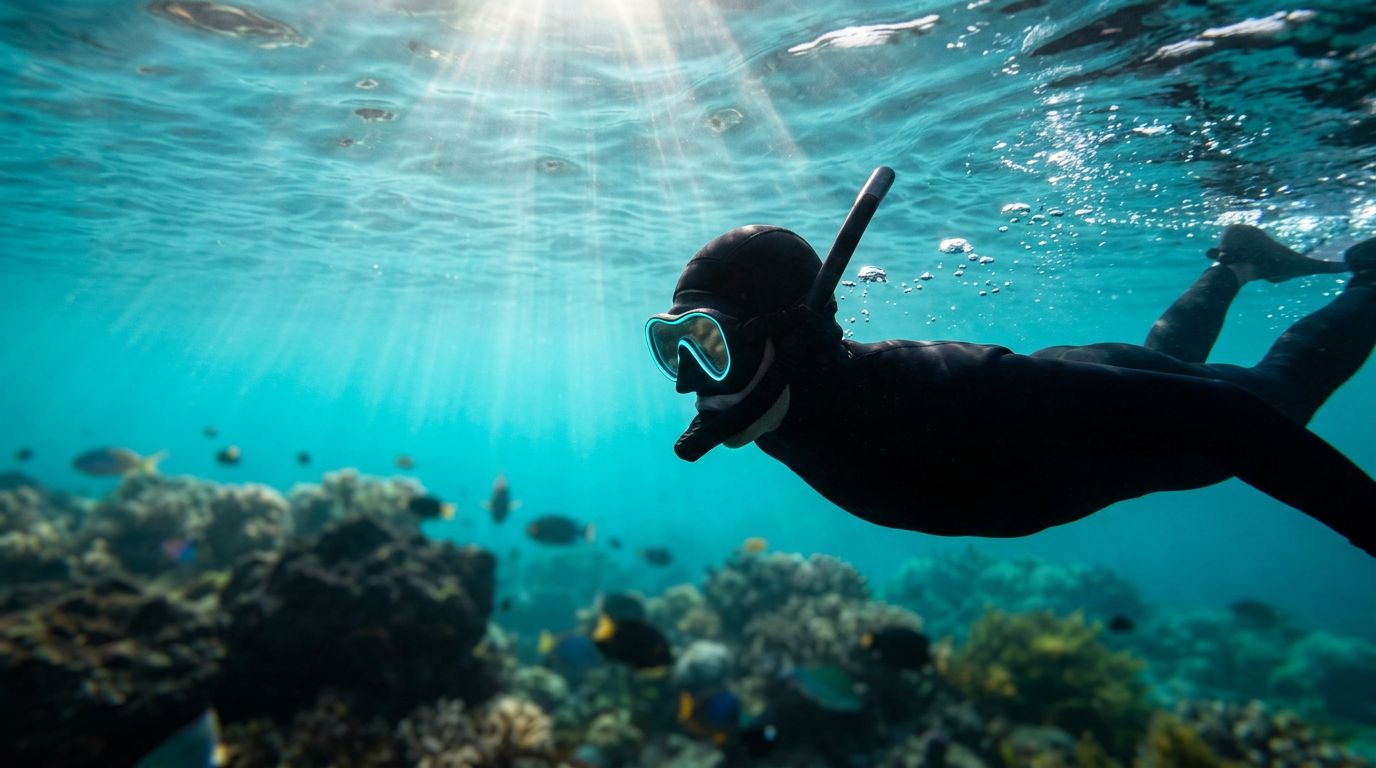
Captain Cook snorkeling is one of the signature snorkeling Big Island Hawaii experiences, and it feels a lot better when your nose stays dry. Kona Snorkel Trips keeps the day simple with small groups, solid gear, and clear guidance, which helps more than most people expect. Water in your nose usually comes from a poor mask seal, rushed breathing, or a small panic move at the wrong time.
The good news is that you can fix most of it before you ever slip into Kealakekua Bay. Start with the fit, then your breathing, then what you do if a little water sneaks in.
Why Water Sneaks Into Your Nose at Kealakekua Bay
Your nose sits inside the mask, so the problem is rarely the ocean “getting into your nose” by itself. More often, water slips past the mask skirt, creeps in during a splash, or appears when you inhale too fast and pull the mask off its seal. Kealakekua Bay can feel calm and friendly, but clear water also makes every small leak more obvious.
That clarity is part of the fun. It also means you notice things that might stay hidden on a rougher day.
These are the most common ways nose water starts.
| Cause | What you notice | Quick fix |
|---|---|---|
| Strap too tight | cheeks feel pinched, small drip near the nose | loosen the strap and reseat the mask |
| Hair or sunscreen on the seal | a wet line near the cheeks or upper lip | clear the skin and tuck hair flat |
| Fast breath or laugh | sudden splash or a tiny flood | slow your breathing and reset |
| Splash on entry | water reaches the nose pocket right away | exhale gently and check the seal |
When you know the trigger, the fix gets much easier. Most of the time, you do not need a new mask. You need a cleaner seal and calmer breathing.
Fit Your Mask Before You Hit the Water
Mask fit matters more than strap pressure. If the skirt sits flat on your face, the seal does the work. If you crank the strap, you often create more leaks and more nose water.
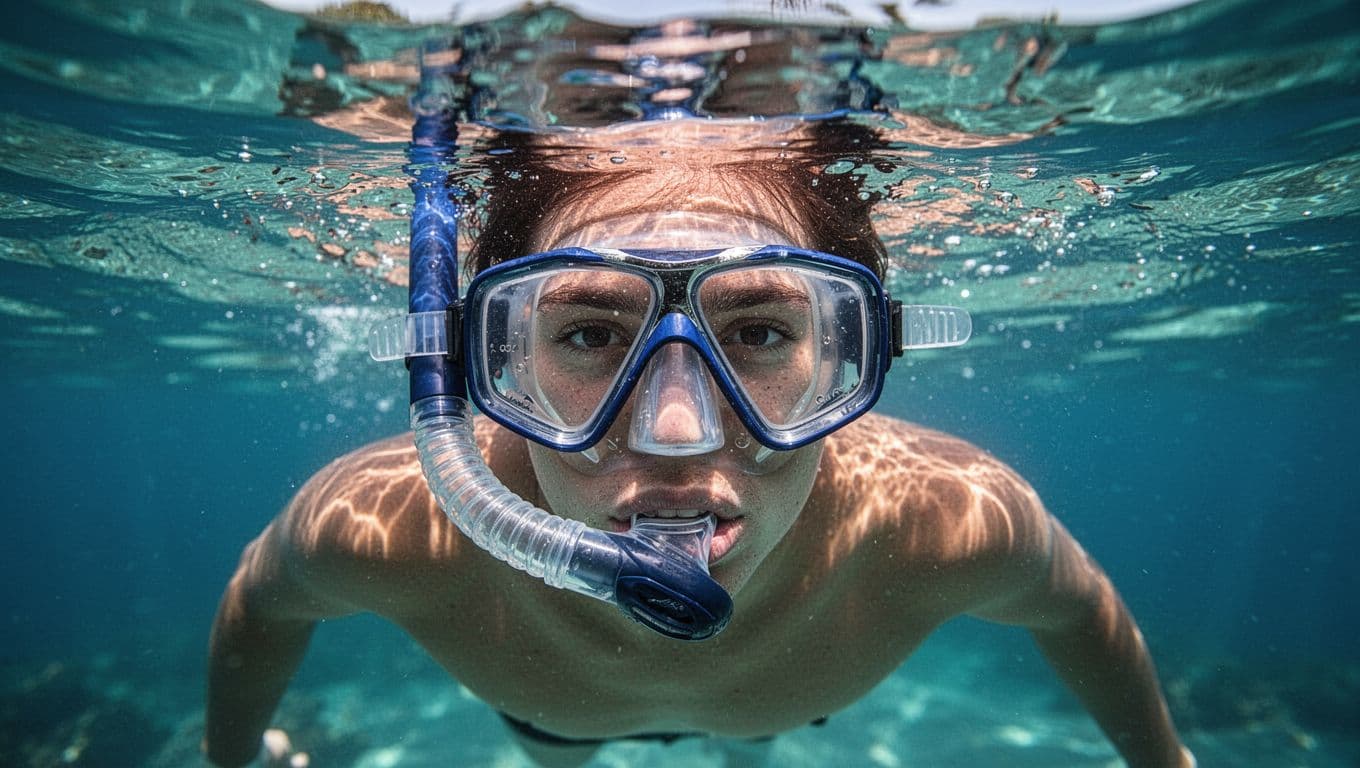
Start with a simple check before you enter the water.
- Hold the mask to your face without the strap.
- Inhale lightly through your nose and feel for suction.
- Move the mask a little higher or lower until the seal feels even.
- Put the strap high on the back of your head, not low on your neck.
- Check for hair, sunscreen, or loose straps before you launch.
A snug mask matters more than a tight strap.
If you can feel the skirt pressing evenly without pinching, you are close. If one side leaks while the other side feels fine, the fit is off. A quick reset on the boat saves you from a lot of saltwater later.
Breathe With a Calm Rhythm
Once the mask fits, your breathing is the next piece. Keep your inhale and exhale slow through the snorkel, and keep your nose quiet unless you are clearing water. A sharp sniff can pull water into the nose pocket, especially if you are laughing, turning, or fighting the urge to rush.
When you duck your face under, start a gentle nose exhale before you submerge. That small stream of air helps hold the seal and keeps the mask from flooding. If a wave splashes you, stay still for one breath, then reset.
If you want a visual reminder, the short mask flooding and clearing tips video shows the motion clearly.
Slow breathing gives you more control than a tight grip on the mask.
Your body relaxes once your breathing settles. Your shoulders drop. Your face loosens. That matters, because tension around the eyes and upper lip can break the seal just enough to let water creep in.
Choose Gear That Helps the Seal
Good gear will not rescue a bad fit, but it can make the whole snorkel feel smoother. A softer skirt, a mask that matches your face shape, and a snorkel that does not tug at the strap all help you keep water where it belongs.
| Gear choice | Why it helps | What to watch |
|---|---|---|
| Soft silicone skirt | bends to your face more easily | old, stiff rubber leaks faster |
| Low-volume mask | sits closer to your skin | try it on before you commit |
| Secure snorkel keeper | keeps the snorkel from pulling the mask | the strap should not drag downward |
| Clean lens and seal | helps you see clearly and stay calm | greasy fingers can ruin the fit |
If you have facial hair, pay extra attention to the upper lip area. A beard can break the seal faster than you expect. In that case, a different mask shape may help more than extra strap tension.
Hair matters too. Long strands near the cheeks act like tiny channels for water. Wipe off sunscreen where the mask touches your face, tuck your hair flat, and check the skirt with your fingers before you climb in. Those small habits matter more than most people realize.
What to Do the Moment Water Gets In
Even with a good fit, a small leak can happen. That does not mean your snorkel is ruined. It means you need a quick clear and a calm reset.
- Stop moving your head fast.
- Keep breathing through your mouth.
- Tilt your head slightly back.
- Press the top frame of the mask lightly if needed.
- Exhale through your nose to push the water out.
- Surface and reset if the leak keeps coming back.
The goal is not perfect stillness. It is a quick reset without drama.
If the water keeps entering the nose pocket, check your strap and hair before you keep swimming. A repeated leak usually means the seal shifted, not that you did something wrong. Once you fix the fit, you can go right back to the reef instead of thinking about your mask every ten seconds.
Stay Comfortable if You Are New to Snorkeling
If you plan to snorkel Big Island with kids or if this is your first time, start smaller than you think. A five-minute practice in shallow water can do more for your nerves than a long talk on the boat.
A few simple habits make the first swim much easier.
- Practice putting your face in the water while holding a ladder or float.
- Keep your first swim close to the boat.
- Use slow mouth breaths before you kick out farther.
- Take a break the moment the mask starts to feel off.
Kids often do best when they focus on fish, not gear. Give them one simple job, like breathing out through the snorkel or pointing at a bright fish. The less they think about their nose, the less they tense up and gulp water.
When you compare snorkeling Big Island options, ask how much in-water coaching the crew gives. The right guide makes the first few minutes feel much easier, and those first few minutes set the tone for the rest of the trip.
Choosing a Guided Captain Cook Trip That Helps You Stay Dry
Kona Snorkel Trips keeps the focus on small groups, clear instruction, and gear that fits before you leave the boat. If you want to compare Big Island snorkeling tours, look at trip length, group size, and how much mask help the crew gives. That kind of support matters when you want to enjoy the bay instead of fussing with your face gear.
If you are ready to book a guided day on the water, you can check availability.
For a route centered on Kealakekua Bay, Captain Cook Snorkeling Tours gives you another focused option. It is a smart choice when you want the day built around the bay itself, not a long list of extras.
You can also check avaialbility if your plan is already set.
Conclusion
Water in your nose usually comes down to three things, a mask that does not seal well, breathing that gets too fast, or a small mistake during entry. Once you slow down and treat the mask fit like part of the trip, most of the hassle disappears.
Captain Cook snorkeling is far more fun when you spend your time watching the reef instead of clearing saltwater. That is true for first-timers, families, couples, and anyone who wants a smoother day on the water.
If you remember one thing, make it this: fit the mask first, then let your breathing stay calm. The rest of the swim gets easier from there.