
Captain Cook Snorkeling Mistakes to Avoid on Your First Trip
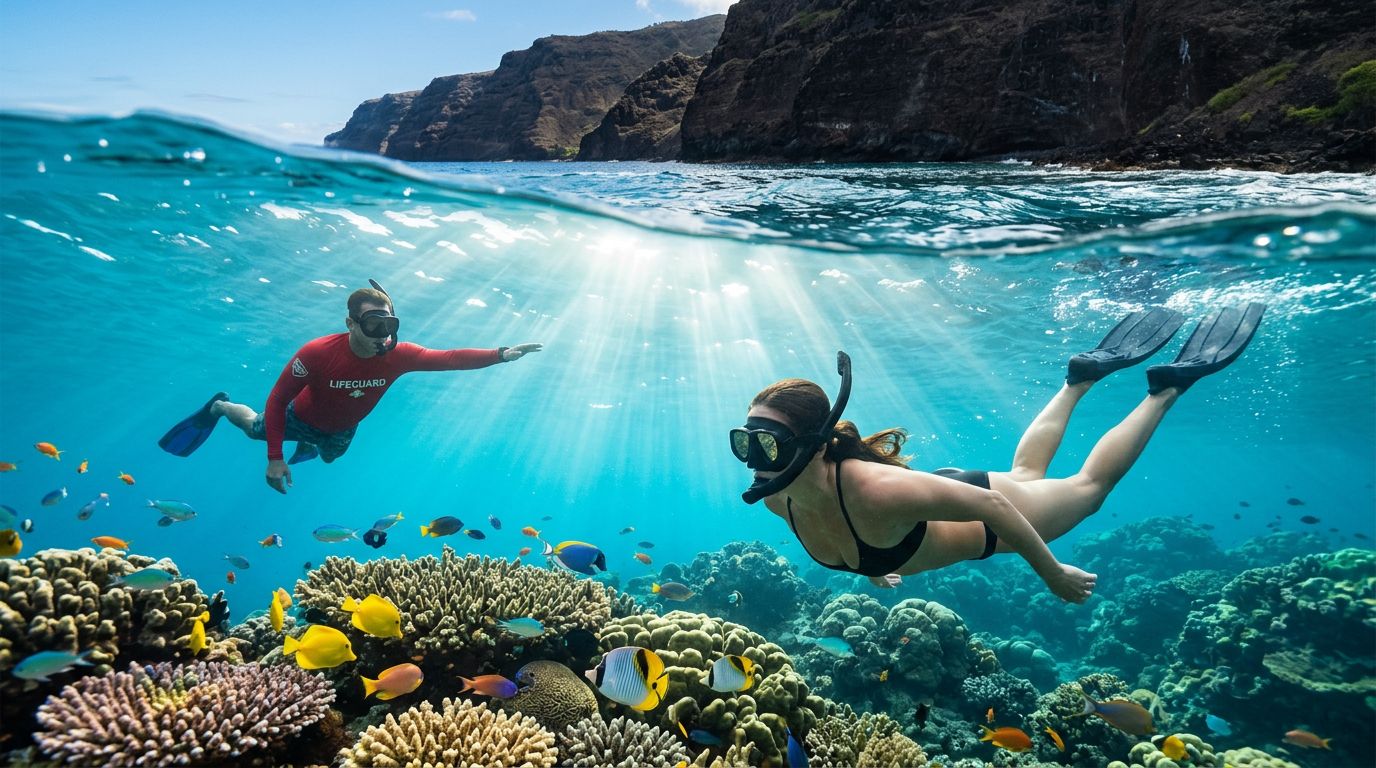
The clearest water in Hawaii can still produce a rough day if you arrive unprepared. During your first Captain Cook snorkeling trip, small choices about timing, gear, access, and ocean safety can shape the entire experience.
Kona Snorkel Trips gives you a guided way to explore Kealakekua Bay with lifeguard-certified guides, quality equipment, and a strong focus on reef protection. You can also compare information from Captain Cook Snorkeling Tours before choosing the trip that fits your group. Avoid these common mistakes, and you’ll spend more time enjoying the reef and less time solving preventable problems.
Key Takeaways
- Check the meeting point, access plan, weather, and cancellation policy before booking.
- Choose a mask and fins that fit well, then test them before leaving the boat.
- Keep your breathing calm, stay with your group, and respect currents, coral, and wildlife.
- Pack sun protection, water, medication, and a realistic schedule for ocean conditions.
- A guided tour can simplify logistics, especially when you’re visiting Kealakekua Bay for the first time.
Captain Cook snorkeling mistakes that start before launch
The first mistakes often happen on land. Visitors may focus on seeing the Captain Cook Monument and forget that the bay requires planning around ocean conditions, transportation, and physical ability.
1. Assuming every route to Kealakekua Bay is the same
Kealakekua Bay is a protected marine area on the Kona coast. You may reach the snorkeling area by boat, kayak, or land access, but each option has different demands.
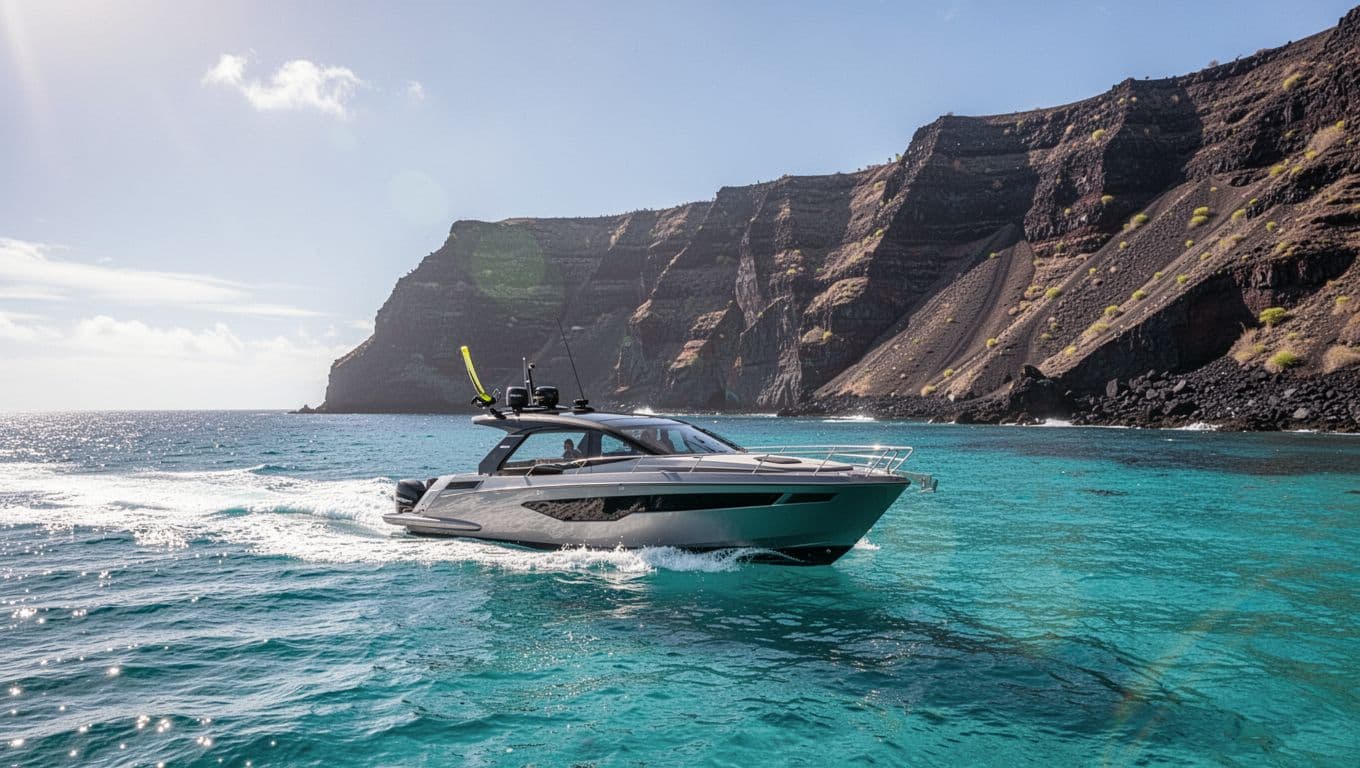
A boat tour usually gives you a direct route to the reef, along with equipment, supervision, and a place to rest between swims. Kayaking requires more paddling and careful attention to conditions. Shore access can involve a difficult entry over uneven lava rock, followed by a long swim to the best snorkeling area.
Read the details before reserving. Check where you need to meet, how long the ride takes, whether transportation is included, and whether the trip suits children or less confident swimmers. The Kealakekua Bay visitor information is useful for understanding the bay’s layout and access options.
A beautiful destination doesn’t remove the need for a practical plan. If you want a shorter walk and a more controlled entry, a boat-based excursion may suit you better.
2. Booking without checking the weather and ocean conditions
Kona often has excellent snorkeling weather, but conditions can change. Wind, swell, visibility, and surface chop affect comfort and safety. A calm morning can also become less comfortable later in the day.
Before booking, ask how the operator handles unsafe conditions. Look for clear policies on cancellations, rescheduling, and alternate locations. You should also avoid scheduling a tight airport transfer, wedding event, or major dinner immediately after your tour.
Morning departures are often popular because the ocean may be calmer and the sunlight can provide excellent visibility. However, no departure time guarantees perfect water. Your captain and guide make the final call based on current conditions.
Arrive early enough to park, check in, and listen to instructions without rushing. Stress on the dock usually follows you into the water.
3. Choosing a tour without checking the guest experience
A low price doesn’t tell you how much attention you’ll receive in the water. Ask about group size, guide qualifications, equipment quality, rest breaks, and the operator’s approach to reef protection.
Kona Snorkel Trips follows a “Reef to Rays” philosophy. Its guides are lifeguard certified, and the company focuses on small-group service, guest safety, marine education, and responsible interaction with the reef. State-of-the-art snorkeling gear is provided, and guides help guests who need support with masks, fins, or flotation.
You can check availability for Kona Snorkel Trips when you know your preferred date.
A strong guide doesn’t replace your responsibility, but it gives you another trained person watching conditions, group spacing, and comfort levels. That matters when you’re unfamiliar with the coastline.
Gear mistakes that make snorkeling harder
Your mask, snorkel, fins, and flotation equipment affect your confidence more than most first-time guests expect. Poorly fitting gear can turn a relaxed swim into a constant struggle.
4. Skipping the mask-fit test
A mask that leaks forces you to stop, empty water, and adjust the strap. That can make you anxious, especially when you’re still learning to breathe through a snorkel.
Test the mask before entering the water. Press it gently against your face without using the strap and inhale through your nose. If it stays in place for a moment, the seal may fit. If air enters immediately, try another size or shape.
Keep the strap level around the back of your head. Pulling it too tight can create pressure points and may even cause leaks. Hair caught beneath the silicone skirt can also break the seal.
Ask your guide for help instead of accepting a bad fit. A few minutes spent adjusting equipment can give you an entire hour of comfortable viewing.
5. Wearing fins that are too loose or too tight
Fins should stay secure without squeezing your feet. Loose fins can slip off, while tight fins may create blisters or cramps. Either problem becomes more serious when you need to swim against a gentle current.
Wear fins in the water if possible. Walking across sharp lava rock in fins is awkward and can damage the equipment. Enter slowly, use the ladder or handhold when available, and keep your fins from scraping the reef.
You don’t need to kick hard to move efficiently. Use relaxed movements from your hips and ankles. Fast, stiff kicks waste energy and can stir up sand near the bottom, reducing visibility for everyone.
6. Bringing gear that doesn’t belong in the water
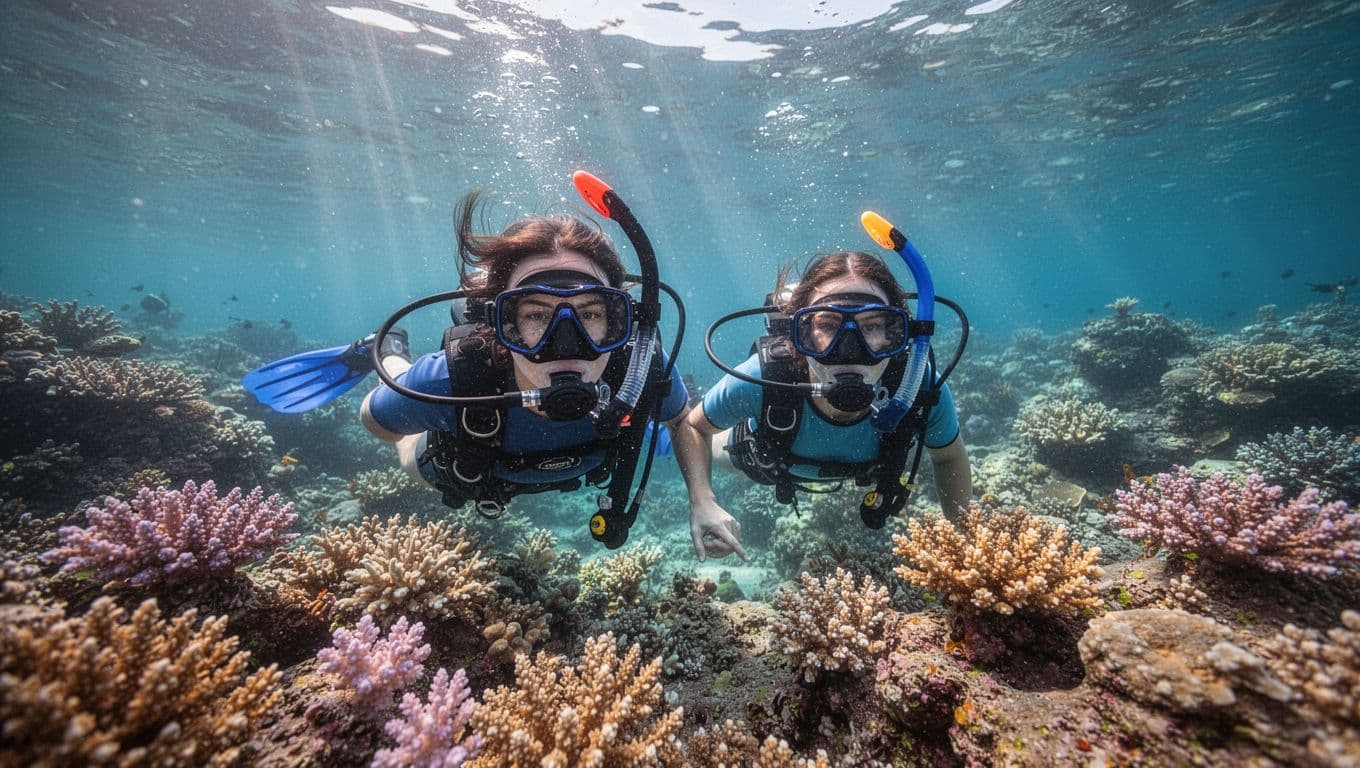
Loose belongings are easy to lose from a boat deck or kayak. Phones, wallets, keys, sunglasses, and cameras should stay secured in the place your operator provides.
If you bring an underwater camera, attach it with a secure wrist strap. Don’t let photography distract you from your guide, your buddy, or the boat’s location. A camera is also a poor substitute for attention. You need to monitor your breathing and position even when the reef looks spectacular.
Pack only what you need. A swimsuit, towel, reef-conscious sun protection, water, and any required medication usually matter more than extra accessories.
In-water mistakes that affect safety and visibility
Once you enter Kealakekua Bay, your behavior affects more than your own experience. The reef is a living habitat, and your fins, hands, and body position can cause damage without you noticing.
7. Swimming too hard or ignoring your breathing
Many first-time guests kick quickly because they feel nervous. That pattern raises your heart rate and makes breathing through the snorkel feel uncomfortable. You may then lift your head, swallow water, or panic over a minor issue.
Start with a slow pace. Float horizontally, keep your face in the water, and take steady breaths. If you feel tired, signal your guide and return to the boat or rest in a safe area. You don’t need to cover the entire bay to have a worthwhile outing.
A flotation vest can help you conserve energy. Wear it as directed, even if you consider yourself a strong swimmer. Ocean swimming differs from pool swimming because wind, current, waves, and distance from shore all change the effort required.
Your goal is to observe the reef without fighting the water. Calm breathing saves energy and gives you a clearer view.
Never swim away from the group to reach a fish, photograph, or isolated patch of coral. The guide knows where the group is and can help you return to the boat.
8. Touching coral, standing on the bottom, or chasing wildlife
Coral may look like rock, but living coral animals build much of the reef structure. A hand, knee, or fin can break fragile branches. Sunscreen, oils, and contact with skin can also affect marine organisms.
Keep your body horizontal and leave space between your fins and the bottom. If you need to stop, float in open water or hold a permitted boat handhold. Never stand on coral or use it to push yourself forward.
Fish, turtles, dolphins, and other animals need room to move. Don’t chase them, block their path, or reach toward them. Wildlife encounters are better when you stay still and let the animal decide whether to approach.
Use reef-safe habits throughout the trip:
- Apply sun protection before boarding, then use a rash guard for additional coverage.
- Keep your hands off coral, rocks, and animals.
- Follow the guide’s instructions about where to swim and how close to remain.
- Take all wrappers, bottles, and personal items back with you.
Your snorkeling style can protect the place you came to see. Visitors who want to snorkel Big Island waters should treat each reef as a habitat, not an attraction built for contact.
9. Ignoring the guide’s safety briefing
The safety talk may feel familiar if you’ve snorkeled elsewhere. Still, local instructions matter because every coastline, vessel, entry point, and current pattern differs.
Listen for the location of flotation equipment, the boarding ladder, the boat’s anchor line, and the boundaries for swimming. Learn the signals for “okay,” “problem,” “return,” and “stay together.” If you can’t hear the briefing, tell the guide before entering the water.
Tell the crew about seasickness, asthma, recent injuries, pregnancy, medication needs, or discomfort with deep water. You don’t need to prove anything. The information helps the crew recommend the right support and pace.
Stay close enough to see your guide. If visibility drops or the group changes direction, surface calmly and look for the boat or a guide. Don’t continue swimming alone.
Comfort mistakes that can shorten your day
You can have excellent water conditions and still leave disappointed if you overlook basic comfort. Sun exposure, dehydration, seasickness, and unrealistic expectations affect families and experienced swimmers alike.
10. Forgetting sun, water, medication, and realistic expectations
The Kona sun feels strong on the water because sunlight reflects off the surface. A rash guard, hat for the boat ride, sunglasses, and a broad-spectrum sunscreen can make the day more comfortable. Hawaii also restricts the sale of sunscreens containing oxybenzone and octinoxate, so check the ingredients before your trip.
Drink water before and after snorkeling. Saltwater, heat, and exercise can leave you tired before you recognize thirst. If you use motion-sickness medication, ask your doctor or pharmacist about timing and side effects before traveling.
Children may need shorter swims and more frequent breaks. Couples and active adults may want longer time in the water, but you should still follow the group’s schedule. Private trips can offer more flexibility when your party has mixed swimming abilities.
Wildlife sightings also vary. Kealakekua Bay is known for clear water, tropical fish, and coral habitat, but no guide can promise a particular animal at a precise moment. Visibility may change during the day, and fish may move with conditions.
The best approach is to value the whole experience: the volcanic coastline, the history of the bay, the reef community, and the time spent in the ocean. That mindset keeps one missed photograph from overshadowing an otherwise excellent trip.
A simple first-timer plan for Captain Cook
You can avoid most problems with a short preparation routine. Before booking, confirm the meeting point, duration, departure time, age requirements, swimming expectations, equipment, weather policy, and cancellation terms.
The night before, pack your swimsuit, towel, water, medication, sunglasses, a rash guard, and a secure way to carry small valuables. Eat a light meal if you are prone to motion sickness. Avoid arriving dehydrated or overly full.
At check-in, tell the crew if you feel nervous. Ask for help fitting your mask and fins. During the safety briefing, learn the hand signals and identify your guide.
Once you’re in the water, begin slowly. Breathe normally, keep your fins clear of the reef, and stay within the group’s boundaries. Surface if you need to adjust your mask or regain comfort.
If you want a guided route to Kealakekua Bay, Kona Snorkel Trips’ Captain Cook excursion includes access to a marine sanctuary known for tropical fish and coral. Review the departure details before selecting a date.
For a Captain Cook trip, you can also check avaialbility.
That preparation leaves you free to notice the details that make Captain Cook snorkeling memorable: sunlight moving across the reef, schools of bright fish, and the steep coastline above the water.
What to remember before you enter the bay
Your first Captain Cook outing doesn’t require advanced swimming skills or expensive personal equipment. It requires honest planning, a well-fitting mask, steady breathing, and respect for the marine environment.
Check the conditions, listen to your guide, conserve your energy, and leave the coral and wildlife untouched. Those choices help you stay safe while preserving the clear water and healthy habitat that make Kealakekua Bay special.
A good day in the bay begins before you step onto the boat. Prepare carefully, then let the reef set the pace.