
How to Pace Yourself on a Captain Cook Snorkeling Trip
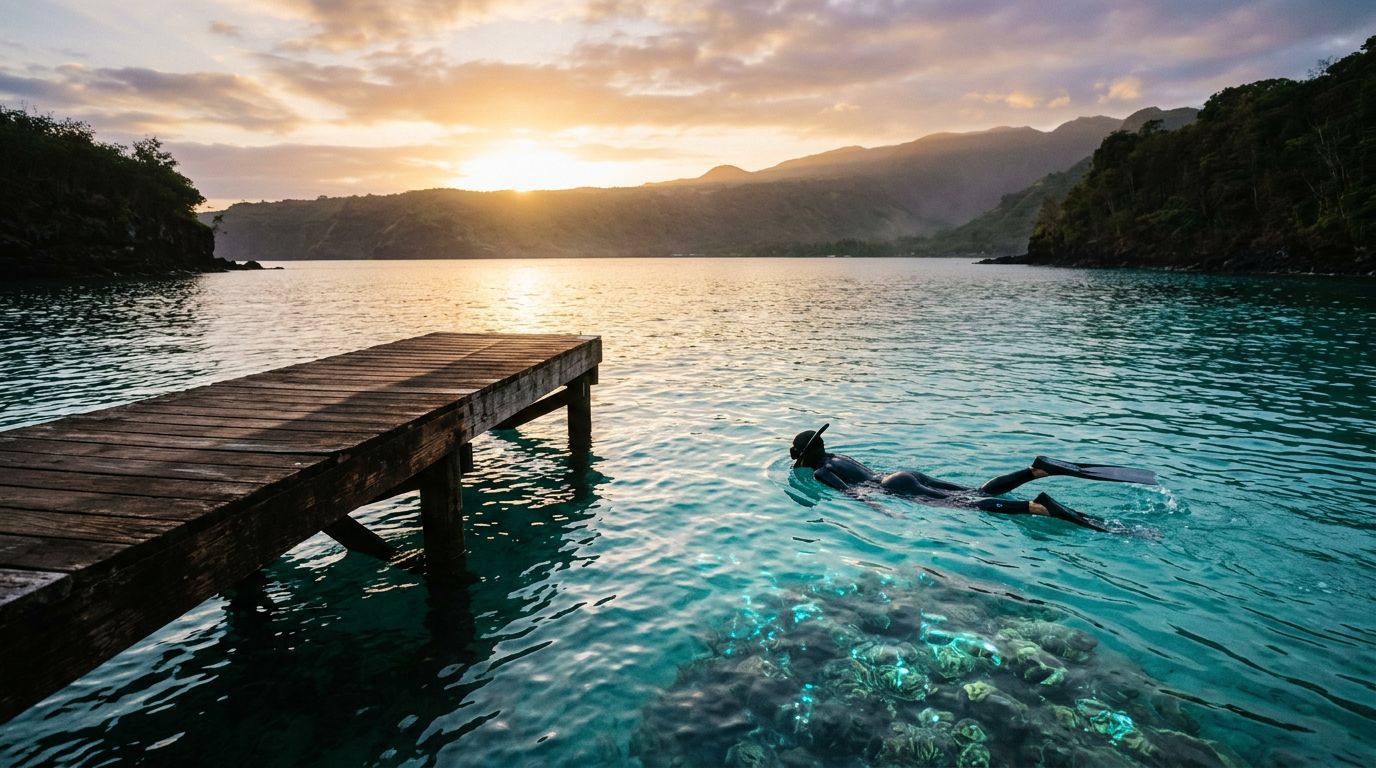
You can wear yourself out before you see the first fish. On a Captain Cook snorkeling trip, the real challenge is usually not the distance, it’s how fast you start.
Kona Snorkel Trips and Captain Cook Snorkeling Tours both give you access to Kealakekua Bay, but your own rhythm still decides how the swim feels. If you are comparing Big Island snorkeling tours or planning to snorkel Big Island reefs, pacing should be part of your plan before you leave the dock.
The good news is that you do not need to be a strong swimmer to enjoy the day. You need a calm start, steady breathing, and a few habits that keep your energy where it belongs.
Start Slow Before You Even Leave the Boat
The best pace starts before you enter the water. Take a minute to settle your mask, check your snorkel, and make sure your fins feel right while you still have room to move.
That small pause helps more than most people expect. If you are already hurrying when you step off the boat, your breathing tends to climb fast, your shoulders tighten, and the swim feels harder than it is. A slow first minute can save the rest of the trip.
If you travel with family or friends, agree on a calm start. Everyone should float, breathe, and look around before heading toward the reef. That way, no one feels rushed to keep up when the water gets busy.
When you snorkel Big Island waters, the first few minutes often set the tone for the whole outing. You can think of them like a warm-up lap, not a race.
A simple rule helps. Move only after your breathing feels even. If your chest feels tight, stop. If your mask fogs, fix it. If your legs feel tense, float and reset.
Read Kealakekua Bay Before You Commit to a Pace
Clear water can fool you. Kealakekua Bay may look gentle from the boat, yet current, surface chop, and small changes in wind can affect how much effort you need once you start swimming.
That is why early departures often feel easier. Morning water is usually calmer, and the wind often builds later in the day. The Captain Cook snorkeling tours roundup points you toward that same idea, and the Captain Cook snorkeling tour is built around this part of the coast.
Watch the water before you push forward. Notice whether the boat drifts quickly or stays steady. Notice whether other snorkelers need to work hard or move with ease. Those signs tell you more than excitement does.
You also do not need to cover the whole bay. In fact, trying to do too much is one of the fastest ways to get tired. Pick a direction, keep your strokes smooth, and stay near the group.
If you are new to snorkeling Big Island Hawaii waters, let the guide set the rhythm. A good guide knows when to linger, when to move, and when to let everyone rest for a moment.
Keep Your Breathing and Kicks Gentle
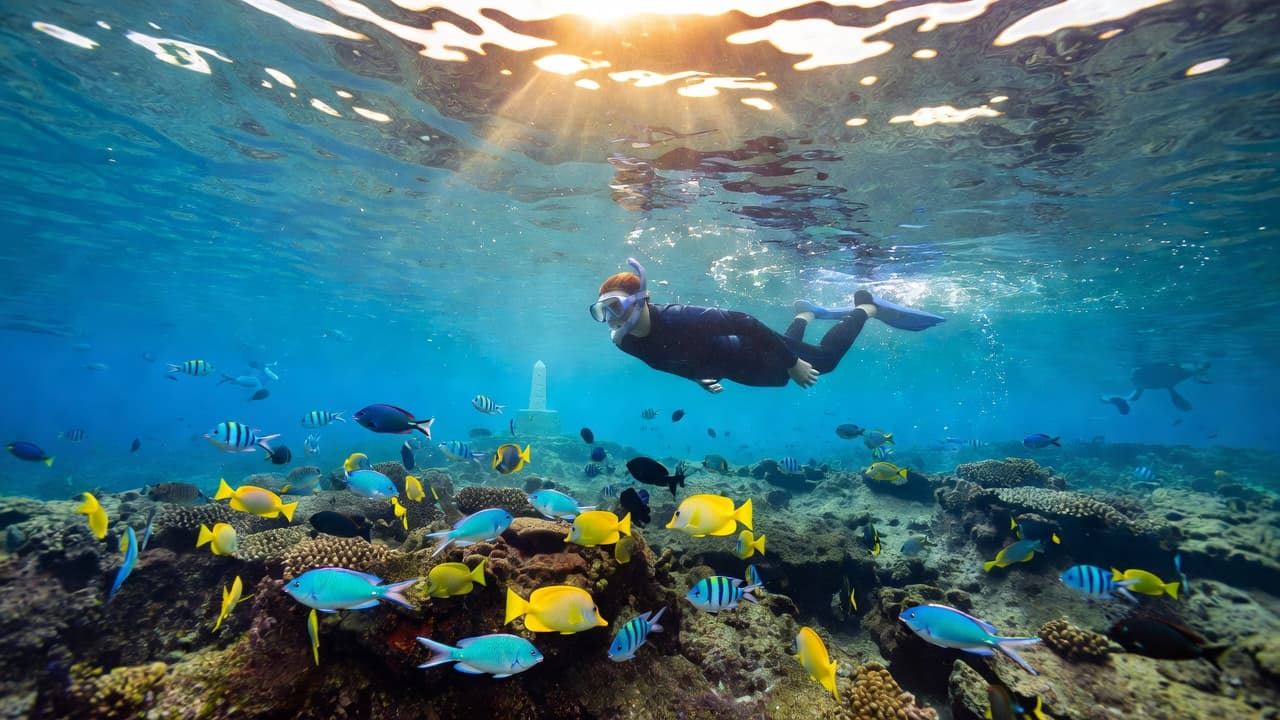
If you want to pace yourself well, start with your breathing. Many snorkelers kick too hard because they feel excited. Others hold their breath a little too long because they are focused on the fish. Both habits can wear you out fast.
A better rhythm is simple. Inhale before you move. Exhale fully when your face is in the water. Then let your kicks stay short and easy. You do not need power strokes here. You need a smooth glide.
| Pace move | What you do | How it helps |
|---|---|---|
| Short fin kicks | Use small, quiet kicks | Saves leg strength and keeps you balanced |
| Full exhale | Breathe out completely before your next inhale | Lowers tension and steadies your rhythm |
| Glide, then look | Pause between bursts of movement | Lets you enjoy the reef without rushing past it |
| Float to reset | Roll onto your back for a few seconds | Gives your shoulders and legs a break |
Those small changes add up fast. Warm water can hide fatigue until it is already building, so a relaxed pace matters more than it seems at first.
Clear water doesn’t mean easy water.
On snorkeling Big Island days, the swimmers who last longest are usually the ones who waste the least motion. They keep their hands still, their kicks light, and their eyes moving slowly across the reef.
That approach also helps you see more. Fish behavior is easier to notice when you are not racing past the scene. The reef looks different when you are drifting, not chasing.
Use Rest Moments Like Part of the Plan
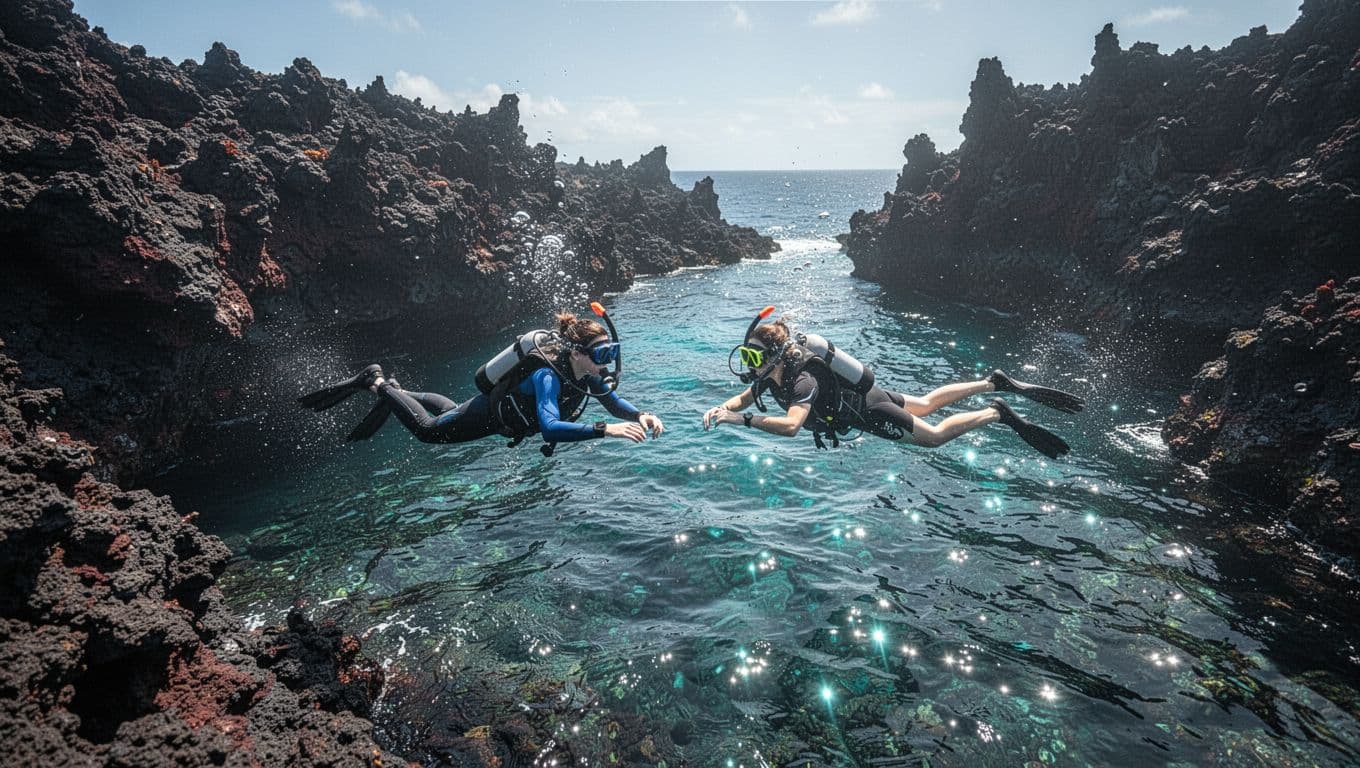
Good pacing includes pauses. You do not need to keep moving every second you are in the water.
If you feel your shoulders rising or your breathing speeding up, stop and float. Turn onto your back for a moment. Hold a flotation board if one is available. Let your eyes rest above the surface before you go back down again.
That kind of reset can save the rest of the swim. It keeps your body from slipping into a tense, noisy rhythm that makes every kick feel harder than the last.
Families planning snorkeling Big Island Hawaii trips often enjoy the day more when the slowest swimmer sets the pace. That simple choice keeps everyone together and cuts down on stress. Nobody wants to turn a reef stop into a scramble.
If your group has different comfort levels, a private trip can help a lot. Private Kona boat charters let you set the timing around your own group, so you can rest when you want and linger when the water feels right.
The more relaxed you stay, the more you notice. The reef, the fish, and even the boat ride back feel better when you are not trying to squeeze every second for speed.
Choose a Tour Pace That Fits Your Group
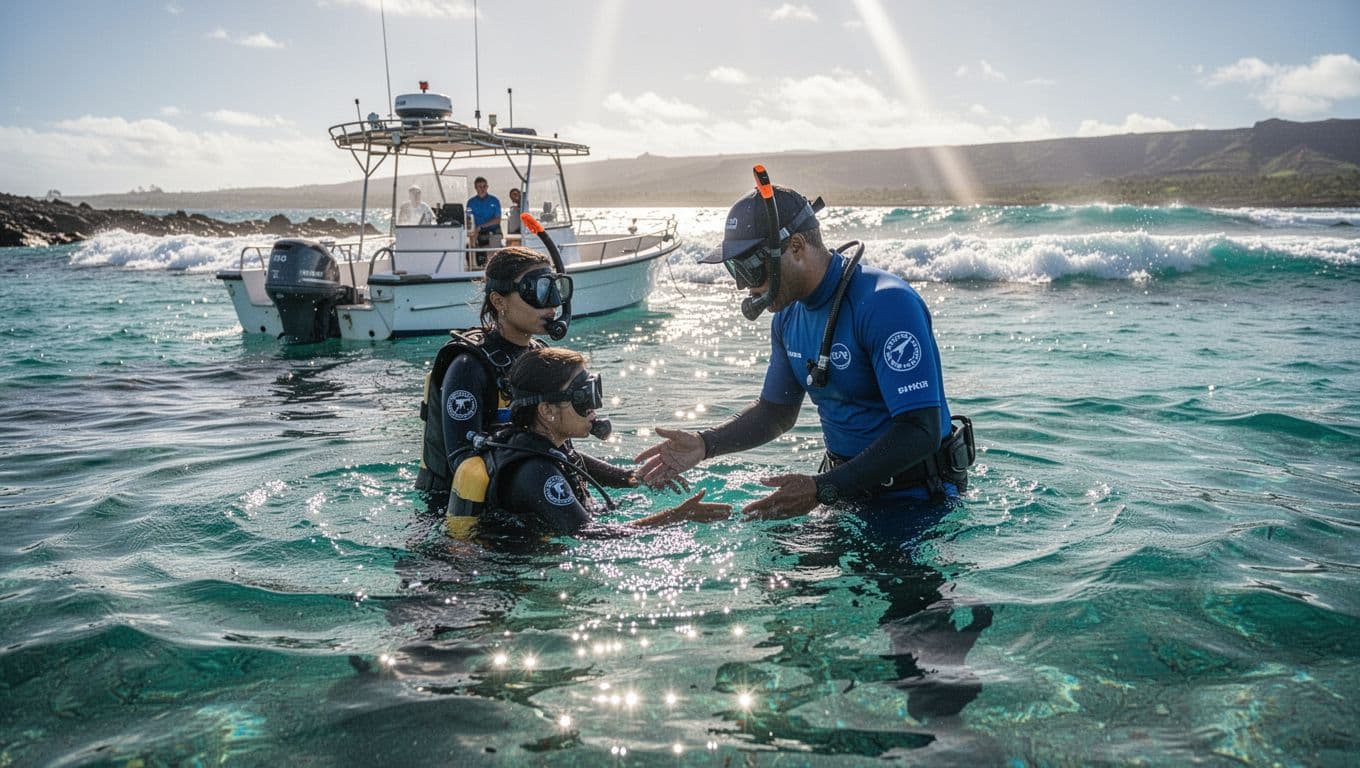
The tour you choose can make pacing easy or hard. Kona Snorkel Trips keeps the experience personal with small groups, careful planning, and guides who know how to keep the day calm. If you want to see what fits your schedule, you can check availability before you build the rest of your day.
If you are comparing operators, Captain Cook Snorkeling Tours is another company centered on this same bay. The Captain Cook snorkel guide gets one thing right, the better crews tell you whether a trip feels relaxed or active before you board.
That detail matters. When you know the rhythm ahead of time, you can match your breathing, energy, and expectations to the day instead of guessing in the water.
The goal is not to choose the flashiest trip. The goal is to choose the pace that fits your group.
If your main goal is Kealakekua Bay itself, the Captain Cook snorkeling tour gives you a focused route and less guesswork. That can help if you want to spend more time looking at the reef and less time deciding where to go next