
Can You See Monk Seals While Captain Cook Snorkeling?
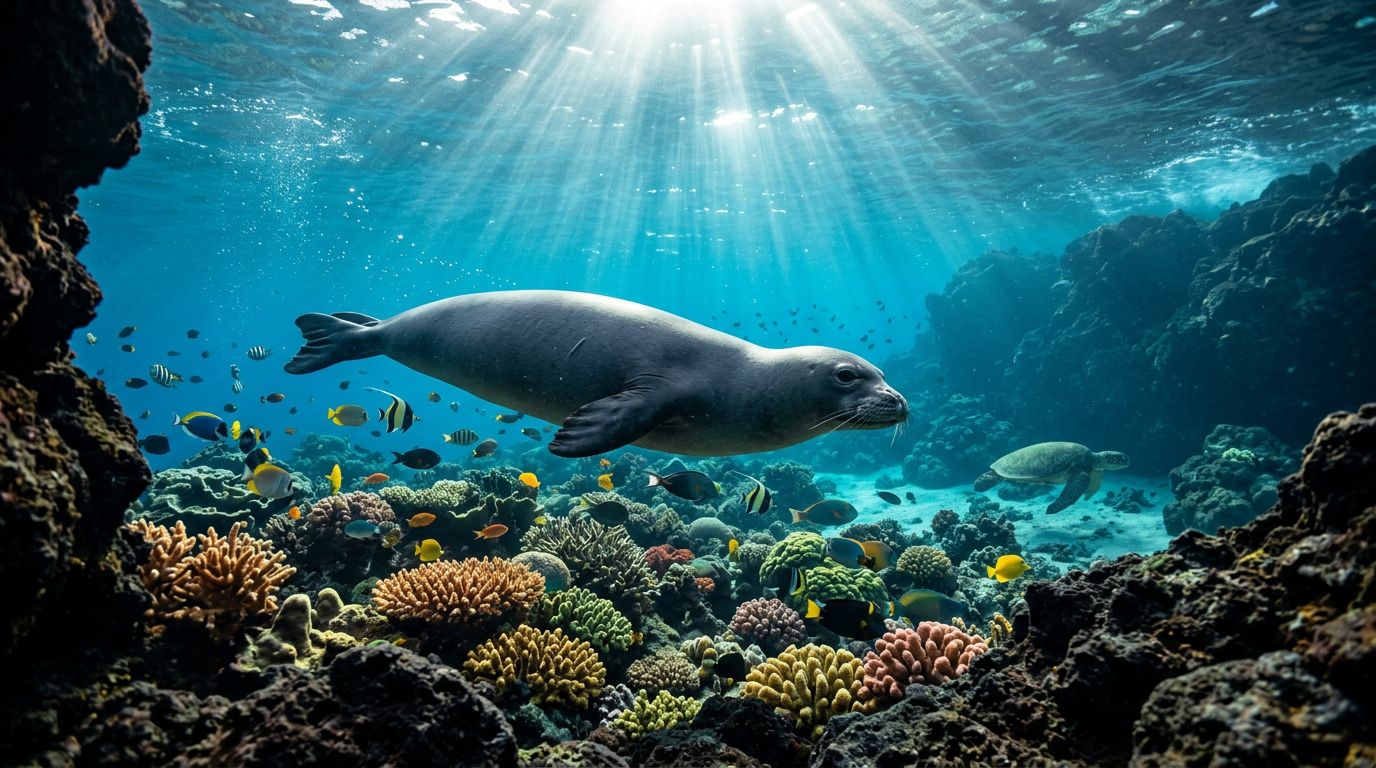
You can see a Hawaiian monk seal during Captain Cook snorkeling, but you shouldn’t plan your trip around it. Monk seals are rare visitors along the Big Island’s Kona coast, while Kealakekua Bay is better known for clear water, coral habitat, reef fish, and Hawaiian green sea turtles.
If you’re considering snorkeling Big Island Hawaii, the best approach is to treat a monk seal sighting as a lucky wildlife moment. Your tour should focus on safe water conditions, healthy reef viewing, and respectful encounters with animals that choose to appear.
The short answer: monk seals are possible, but uncommon
Hawaiian monk seals live throughout the Hawaiian archipelago. Most of the population stays around the remote Northwestern Hawaiian Islands, where quiet beaches and atolls provide important resting and breeding areas. A smaller population uses the main Hawaiian Islands, including coastlines around Kauai, Oahu, Maui, Molokai, Lanai, and Hawaii Island.
That makes a monk seal sighting around Kona possible, yet unpredictable. You might see one resting on a beach, swimming near shore, or surfacing in the distance. You might also take several snorkeling trips without seeing one at all.
Kealakekua Bay doesn’t have a resident monk seal colony. The bay is a marine life conservation district, but its protected status doesn’t mean every Hawaiian marine species lives there year-round. Monk seals move between feeding, resting, and haul-out areas. Their presence changes with food, weather, ocean conditions, and the animal’s own behavior.
For that reason, a responsible Captain Cook snorkeling operator won’t promise a monk seal encounter. A company that guarantees one is setting an expectation no wild animal can meet.
A monk seal is a bonus sighting, not the main attraction of a Kealakekua Bay snorkeling trip.
During a typical visit, you’ll have better odds of seeing Hawaiian green sea turtles resting near the reef or gliding through the bay. Reef fish are also common, especially around rocky ledges and coral-covered sections of the coastline. Depending on the day, you may notice spinner dolphins offshore, seabirds near the cliffs, or seasonal whales beyond the bay.
People searching for where to snorkel Big Island often focus on Kealakekua Bay because the site combines sheltered water with strong marine habitat. That remains true even when no monk seal appears.
What you are more likely to see at Kealakekua Bay
Kealakekua Bay sits on the western side of Hawaii Island, south of Kailua-Kona. The bay’s steep volcanic cliffs help shelter parts of the coast from open-ocean swell. Near the Captain Cook Monument, clear water often lets you view the reef without traveling far from the boat.
Conditions vary each day. Water clarity can change after rain, and wind may affect visibility near the surface. Still, the bay is one of the Big Island’s most recognized snorkeling locations because it supports a wide range of reef life.
| Marine life | Where you may see it | What to expect |
|---|---|---|
| Hawaiian green sea turtles | Near reef edges and rocky bottom | Calm animals that may rest or swim past |
| Reef fish | Coral heads, lava shelves, and ledges | Small schools and individual fish at different depths |
| Spinner dolphins | Open water near the bay | Possible distant sightings, never guaranteed |
| Hawaiian monk seals | Shoreline or open water | Rare and unpredictable visitors |
| Humpback whales | Offshore during winter | Seasonal sightings from the boat, not usually while snorkeling |
Green sea turtles are often the wildlife encounter visitors hope to find. Even so, you need to give them room. A turtle may look relaxed, but it still needs space to breathe, rest, and swim without being surrounded.
The reef can also keep your attention between larger sightings. Look for parrotfish grazing on rock, butterflyfish moving around coral, yellow tangs flashing in the sunlight, and wrasse cruising above the bottom. You may notice more life when you slow down and scan the reef instead of swimming quickly from one point to another.
If your main goal is seeing marine animals in their natural habitat, a Big Island snorkeling tour gives you several ways to experience the Kona coast. Kealakekua Bay offers a daytime reef experience, while other trips focus on different habitats and times of day.
Searches for “snorkeling Big Island” often bring up a long list of beaches and boat trips. Kealakekua Bay remains a strong choice when you want protected water, historic scenery, and a reasonable chance of seeing turtles and reef fish in one outing.
Why monk seals don’t appear reliably in Kona
Hawaiian monk seals need quiet places where they can rest without people crowding them. They may spend time on remote shorelines or small beaches, then leave when conditions change. Their movements don’t follow a sightseeing schedule.
A seal also has no reason to remain near a popular snorkeling site. It may pass through the area while searching for food, but it can continue along the coast before a boat arrives. Even if a guide knows that a seal visited the area earlier, the animal may be several miles away later that day.
Food availability affects movement as well. Monk seals hunt for fish, squid, octopus, and other prey. They may feed in deeper water and rest somewhere far from the reef where you snorkel. A calm surface doesn’t tell you whether a seal is nearby below.
Main Hawaiian Island monk seals also face pressure from people, dogs, fishing gear, disease, and habitat changes. Their small population makes every encounter important. A close approach can cause stress, interrupt rest, or push a seal away from a place it needs.
The same principle applies when a seal appears on land. You shouldn’t walk toward it for a photograph, place yourself between the seal and the water, or encourage other visitors to gather around. A resting seal may look inactive, but rest is part of its normal routine.
Your guide may ask you to leave the area, change the boat’s position, or observe from a greater distance. That response protects the animal and keeps the encounter legal and safe. It also gives the seal a chance to decide where it wants to go.
A tour can still provide excellent wildlife viewing without a monk seal. In fact, a trip that respects natural uncertainty usually gives you a better experience than one built around a promise.
What to do if you see a Hawaiian monk seal
If a monk seal appears while you’re snorkeling, pause and listen to your guide. The safest response is calm, quiet observation from a respectful distance.
Keep these actions in mind:
- Stay with your group. Your guide can judge the animal’s behavior, the current, and the safest direction to move.
- Give the seal plenty of room. Follow current guidance from NOAA Fisheries and Hawaii wildlife officials. A distance of at least 50 feet is commonly used, with much more space needed around a mother and pup.
- Never touch, feed, chase, or block it. The seal needs a clear path to swim, surface, and leave.
- Move away if it approaches you. A curious seal can cover distance quickly. Swim calmly toward your group or return to the boat.
- Avoid crowding it for photos. Several swimmers surrounding one animal can create stress even when nobody touches it.
- Tell the crew what you saw. Your guide can help other guests respond without rushing toward the animal.
Don’t try to turn a rare sighting into a closer photograph. Underwater cameras can make animals look farther away than they are, and excitement can cause swimmers to lose track of their actual distance.
If you see a monk seal resting on shore, stay away from the beach and keep noise low. Never attempt to make it move. Dogs should remain far from the animal because even a friendly pet can create a dangerous encounter.
The same care applies to turtles. Keep your hands off their shells and avoid swimming directly above them. When you leave a clear route, the animal can behave normally and you can enjoy a better view.
A good guide will explain these rules before you enter the water. Kona Snorkel Trips uses lifeguard-certified guides, onboard safety equipment, and reef-safe practices during its ocean excursions. The company follows a “Reef to Rays” philosophy, with small-group trips that place safety, marine education, and low-impact viewing ahead of crowded boat operations.
How to plan a Captain Cook snorkeling trip
A successful Kealakekua Bay trip starts with realistic expectations. You can improve your comfort and wildlife viewing opportunities, but you can’t control the ocean or the animals.
Morning departures often appeal to snorkelers because wind can increase later in the day. However, conditions change with the season and the forecast. Your captain should make the final call about departure, route, and water entry based on safety.
Choose a boat trip that matches your swimming ability. Some tours provide flotation equipment, but you should still tell the crew if you feel anxious, tire easily, or haven’t snorkeled recently. Guides can help you fit your mask, adjust your fins, and choose a comfortable way to enter the water.
Ask about the following before booking:
- Departure location and check-in time
- Trip length and time spent snorkeling
- Minimum age or swimming requirements
- Flotation devices and safety equipment
- Reef-safe sunscreen rules
- What happens if weather changes
- Whether the trip uses a small-group format
Pack a swimsuit, towel, water, sun protection, and clothing that dries quickly. Reef-safe sunscreen is important, but apply it before boarding so it has time to absorb. A rash guard can reduce sun exposure while you float on the surface.
You should also protect the reef with your body position. Keep your fins away from coral, avoid standing on the bottom, and hold onto the boat rather than grabbing rocks. Coral grows slowly, and one careless kick can damage a living section of reef.
Kona Snorkel Trips offers a Captain Cook and Kealakekua Bay snorkeling tour for visitors who want to explore the bay by boat. The trip focuses on the reef and marine life that make the area popular, while guides provide instruction and safety support.
You can check avaialbility for a Captain Cook snorkeling trip before you finalize your Kona itinerary.
For another Captain Cook-focused option, you can compare the itinerary offered by Captain Cook Snorkeling Tours. Whichever operator you choose, look for clear safety instructions, accurate wildlife expectations, and respect for Kealakekua Bay.
Choosing the right Kona ocean experience
Kona Snorkel Trips is a useful starting point when you want to compare several ways to spend time on the water. Its trips use a personalized, small-group format rather than treating every guest like part of a large crowd. Guides provide snorkeling equipment, safety support, and information about the reef ecosystem.
For a daytime Captain Cook trip, Kealakekua Bay is the natural choice. It gives you a chance to see reef fish and turtles in a protected coastal setting. A monk seal may appear, but the trip remains worthwhile without one.
If you want to focus on a different kind of wildlife encounter, you can read about the company’s Kona manta ray night snorkel. Manta rays are not Hawaiian monk seals, and the experience takes place after dark, so it should be viewed as a separate activity rather than a backup promise for daytime snorkeling.
Traveling between December and April may also give you a chance to spot humpback whales offshore. Snorkeling isn’t the activity for that encounter, but a dedicated Kona whale-watching tour lets you look for seasonal whales from the boat.
Couples, families, and groups with different schedules may prefer private Kona tours. A private trip can give you more flexibility with pacing and activities, although the crew still has to follow safe boating practices and wildlife-distance rules.
A dedicated manta trip, whale-watch outing, and private charter each serve a different purpose. Pick the experience that matches what you want to see, then treat any wild animal encounter as a gift rather than a scheduled feature.
How to improve your wildlife viewing without disturbing animals
The best snorkeling habits are simple. Move slowly, keep your breathing steady, and look across the reef instead of staring only at the surface. Fish often blend into lava and coral until you stop kicking and give your eyes time to adjust.
Your guide can point out animals you might miss on your own. Listen for directions about where to look, when to move, and how to avoid drifting into shallow coral. Staying close to the group also helps the crew monitor changing currents and boat traffic.
A few practical choices can make your trip more comfortable:
- Use a well-fitting mask that seals without excessive tightening.
- Rinse your mask before entering the water and avoid touching the inside lens.
- Wear flotation support if you need it, even if you’re a confident swimmer.
- Keep your arms relaxed and use slow fin strokes.
- Carry only what you need, since loose items can fall onto the reef.
- Follow every instruction about where you may enter and exit the water.
Don’t chase turtles, dolphins, seals, or fish for a photograph. Wildlife often comes closer when you remain still, while pursuit makes the animal move away and can put you in an unsafe position.
Families should give children a clear rule before the boat leaves: look with your eyes, keep your hands to yourself, and listen when the guide calls the group back. Couples and solo travelers should follow the same rule. Good wildlife viewing depends more on patience than speed.
When you search “snorkeling Big Island Hawaii”, you may see claims about guaranteed sightings. Wild animals don’t follow booking calendars, so focus on the quality of the trip, the guide’s experience, and the care shown toward the marine environment.
What a monk seal sighting would mean for your trip
Seeing a Hawaiian monk seal during Captain Cook snorkeling would be memorable because the encounter is unusual, not because the animal performs for visitors. You might notice a dark shape moving through blue water, a rounded head appearing at the surface, or a seal resting well away from the boat.
The sighting may last only a few seconds. That short moment is normal. The seal could dive, change direction, or continue along the coast without giving you a second look.
Your guide may decide to keep the boat moving or ask everyone to return to the vessel. That decision can feel disappointing if you wanted a longer view, but it protects both the animal and the group. A responsible crew won’t pursue a seal to create a better photo opportunity.
You should also avoid posting an exact location in real time if a seal is resting on a quiet beach. Publicizing a precise spot can attract crowds and place more pressure on the animal. Share the experience without turning the location into a destination for close viewing.
The strongest memory may be the discipline of watching without interfering. You get to see a rare native marine mammal behave on its own terms, then leave it with the space it needs.
Conclusion
You can see a Hawaiian monk seal during Captain Cook snorkeling, but the odds are low and no responsible tour can promise one. Kealakekua Bay offers more reliable opportunities to see green sea turtles, reef fish, volcanic coastline, and clear Pacific water.
Book a trip for the bay’s reef habitat and the chance to observe wildlife respectfully. If a monk seal appears, keep your distance, follow your guide, and let the animal decide what happens next. That is what makes the encounter special.