
Captain Cook Snorkeling: What to Do Near Jellyfish
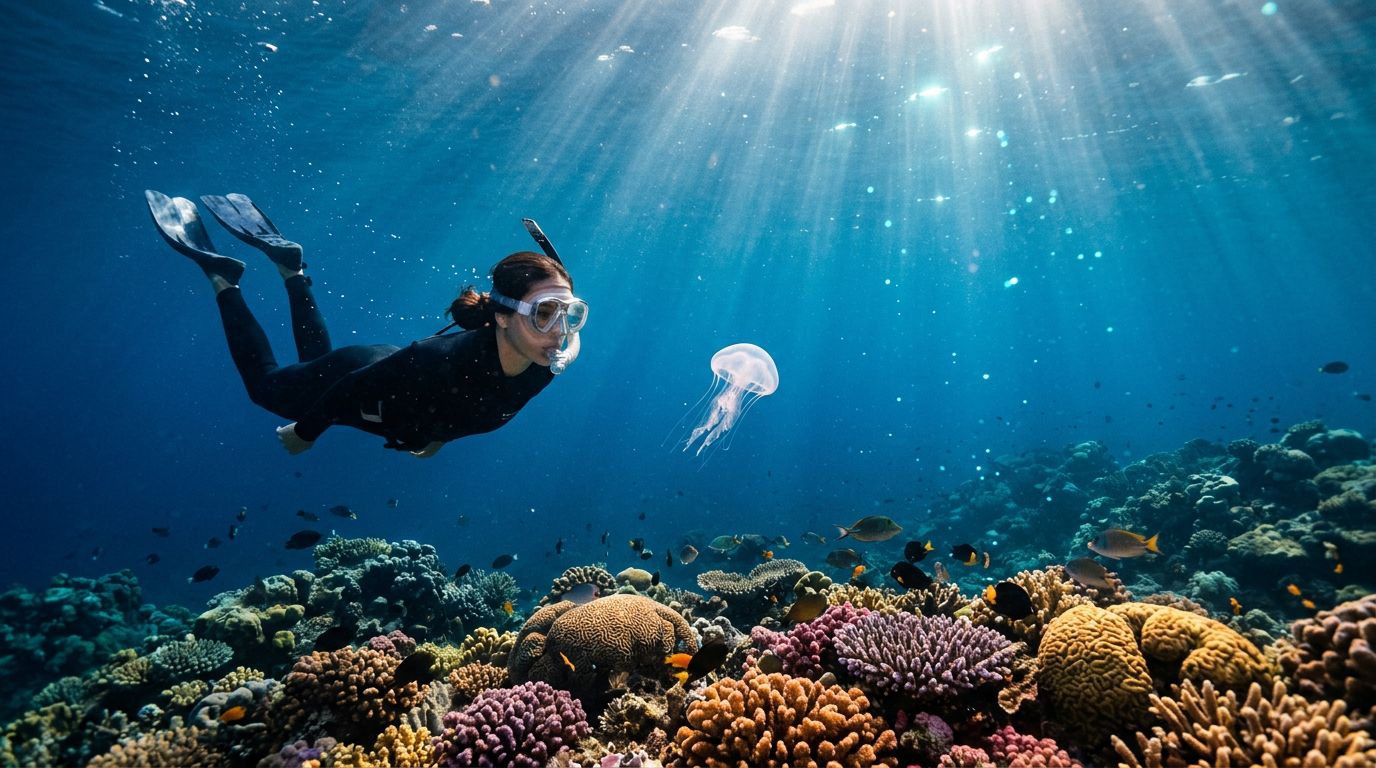
Spotting a jellyfish during Captain Cook snorkeling can turn a peaceful swim into a stressful few seconds. The safest response is simple: create distance, avoid touching it, alert your guide, and leave the water calmly if you’re told to exit.
Most sightings don’t lead to a sting. Still, when you’re planning snorkeling Big Island Hawaii waters, you should know how to respond before you enter the bay. Your guide’s instructions always come first, but these steps will help you stay calm and make good decisions.
What to do first when you spot a jellyfish during Captain Cook snorkeling
Jellyfish drift with currents, so they can appear without warning. You may see one near the surface, beneath your fins, or farther away over the reef. Don’t swim closer for a better look.
Keep your arms close to your body and use slow, controlled fin movements. Avoid splashing, kicking hard, or reaching toward the animal. Fast movements can make it harder to see nearby tentacles, which may extend well beyond the visible body.
If you’re with a tour group, raise one hand above the surface or speak through your snorkel when you reach the boat. Your guide can assess the sighting and decide whether the group should move or return to the vessel.
Move away without touching the reef
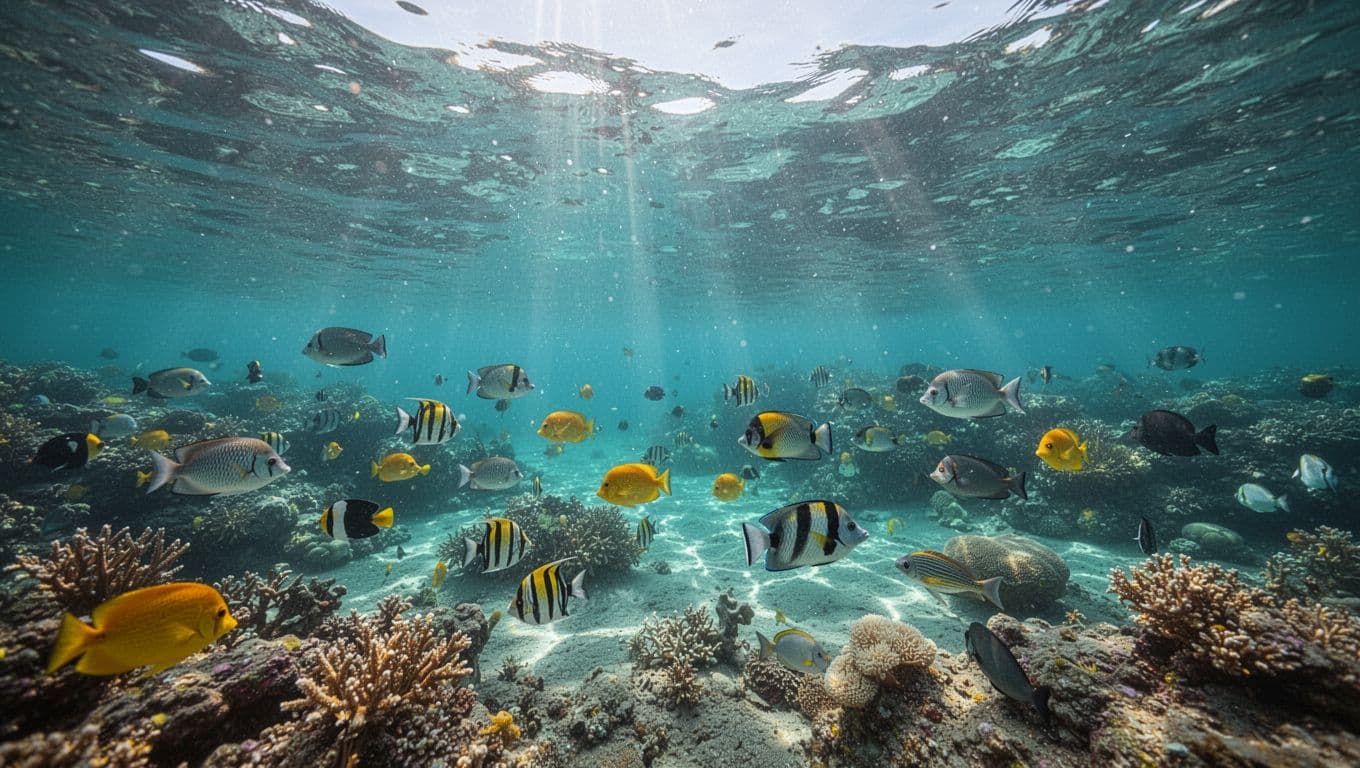
Swim sideways or slowly toward open water, keeping a comfortable gap between you and the jellyfish. Don’t grab coral, rocks, or another swimmer for support. Contact with the reef can cause cuts and harm marine life.
If you feel nervous, roll onto your back and take a few steady breaths. You can also remove your face from the water while you listen for instructions. A guide can help you reach the boat or a safe resting point.
Never try to identify a jellyfish by touching it. Even a jellyfish that looks small or inactive may still have stinging cells. Some species also lose pieces of tentacle that remain capable of causing pain.
Leave the water when your guide tells you to
A single sighting may not end a tour. However, multiple jellyfish, changing currents, or a confirmed local advisory can change the plan quickly. Follow the crew instead of making your own judgment from the water.
Use the boat ladder carefully. Keep your hands on the rails, wait for the swimmer ahead of you, and tell the crew if you feel a sting. If you’re helping a child, explain each step before moving them toward the exit.
A jellyfish sighting is a reason to pay attention, not a reason to panic. Calm movement gives you more control.
Why jellyfish can appear in Kealakekua Bay
Kealakekua Bay is a protected marine area with clear water, rocky shoreline, coral habitat, and strong connections to the open Pacific. Jellyfish can enter the bay with currents and wind. Their presence may change during the year and with daily ocean conditions.
A calm morning doesn’t guarantee jellyfish-free water. Wind can shift surface movement later in the day, while currents can carry drifting animals across a snorkeling area. Visibility also affects how early you notice them.
Hawaii waters commonly receive two types of stinging marine animals that visitors may call jellyfish. Box jellyfish have a transparent, bell-shaped body and trailing tentacles. Portuguese man o’ war have a blue or purple float at the surface, with tentacles below. The man o’ war is a jellyfish-like siphonophore, not a true jellyfish, but it can still deliver a painful sting.
You don’t need to identify the species yourself. The safest choice is to keep your distance and tell your guide. For more background on local species, timing, and basic response, review this Hawaii jellyfish guide before your trip.
What jellyfish conditions mean for your tour
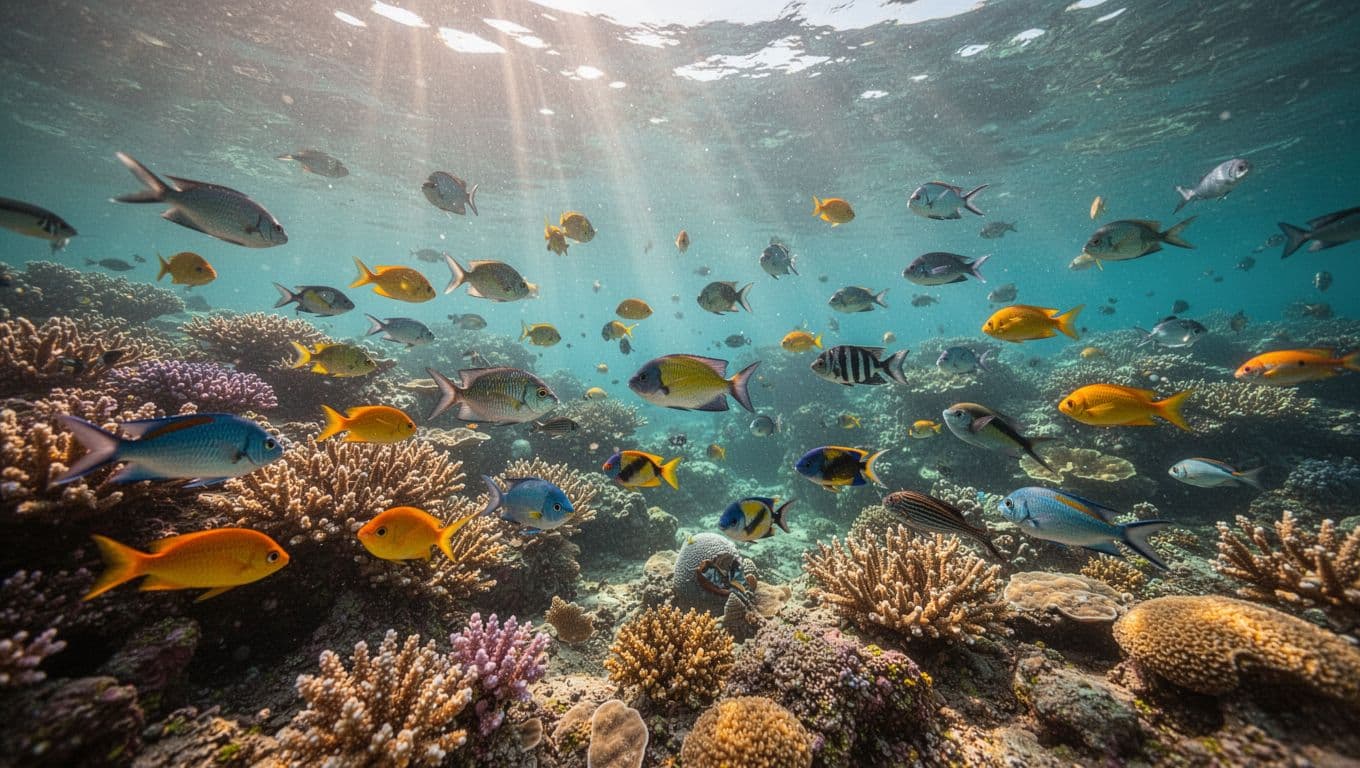
A sighting doesn’t automatically mean the water is unsafe for the entire day. Your crew considers the number of animals, their location, wind, current, water movement, and the group’s experience.
If jellyfish collect near a launch point, the captain may choose another area or shorten the swim. A professional operator should make that decision without pressure from guests who want to continue.
You can also ask about current conditions before boarding. Ask whether the crew has seen jellyfish recently, what the boat’s sting protocol is, and how the group will leave the water if conditions change.
When snorkeling Big Island sites, conditions matter as much as the location. A famous reef still requires attention to wind, swell, current, and marine life.
If you are stung, follow these steps
A jellyfish sting may feel like a sharp burn, electric shock, or sudden line of pain. Red marks, raised welts, itching, or swelling can follow. Tell your guide immediately, even if the pain seems manageable.
Do not swim back to the boat alone. A sting can distract you, affect your breathing, or cause panic. Stay with the group and accept help.
- Exit the water carefully. Alert the crew and use the ladder or another safe exit. Keep the affected area away from other swimmers.
- Let the crew inspect the sting. They can look for tentacles and identify the likely marine animal. Avoid rubbing, scratching, or scraping the skin with a bare hand.
- Rinse and remove tentacles according to the crew’s instructions. Seawater may be used to rinse away loose tentacles. A guide or medical professional may use tweezers, gloves, or another tool to remove material from the skin.
- Use species-appropriate first aid. Treatment can vary between box jellyfish and Portuguese man o’ war stings. Don’t assume one home remedy works for every species. University of Hawaii researchers found that 45 minutes of controlled heat at about 45 degrees Celsius, or 113 degrees Fahrenheit, helped inactivate injected man o’ war venom after tentacle removal. Read the University of Hawaii research on man o’ war stings for the study details.
- Watch for a serious reaction. Call 911 or follow emergency instructions if you have trouble breathing, chest pain, faintness, confusion, severe swelling, repeated vomiting, widespread pain, or symptoms that worsen quickly.
Don’t pour fresh water over an unknown sting unless a medical professional or trained crew member tells you to do so. Freshwater can cause remaining stinging cells to discharge for some species. Vinegar may be recommended for suspected box jellyfish stings in Hawaii, but it isn’t a universal treatment for every jellyfish-like animal.
Avoid urine, alcohol, ammonia, gasoline, and unverified beach remedies. They can irritate the skin or delay proper care. If you have a known severe allergy to marine stings, tell the operator before entering the water and carry any prescribed emergency medication according to your doctor’s instructions.
When a sting needs urgent medical help
A small patch of redness may remain local. Even then, tell your guide and keep monitoring it. A larger reaction deserves medical attention, particularly when the affected person is a child, older adult, or anyone with a history of serious allergies.
Get immediate help for breathing trouble, swelling around the mouth or throat, weakness, fainting, severe headache, muscle cramps, or pain across a large area. Don’t return to the water after a sting, even if the discomfort improves.
A crew member may recommend evaluation at a clinic or emergency department. Follow that advice. Delayed symptoms can occur, and a professional can check the wound and reaction properly.
How to reduce your risk before entering the water
You can’t remove every natural risk from ocean swimming. You can make a sting less likely and prepare for a quick response.
Ask about recent sightings when you check in. A good crew should give you a safety briefing, explain how to signal for help, and show you where to exit the water. Listen carefully, even if you’ve snorkeled before.
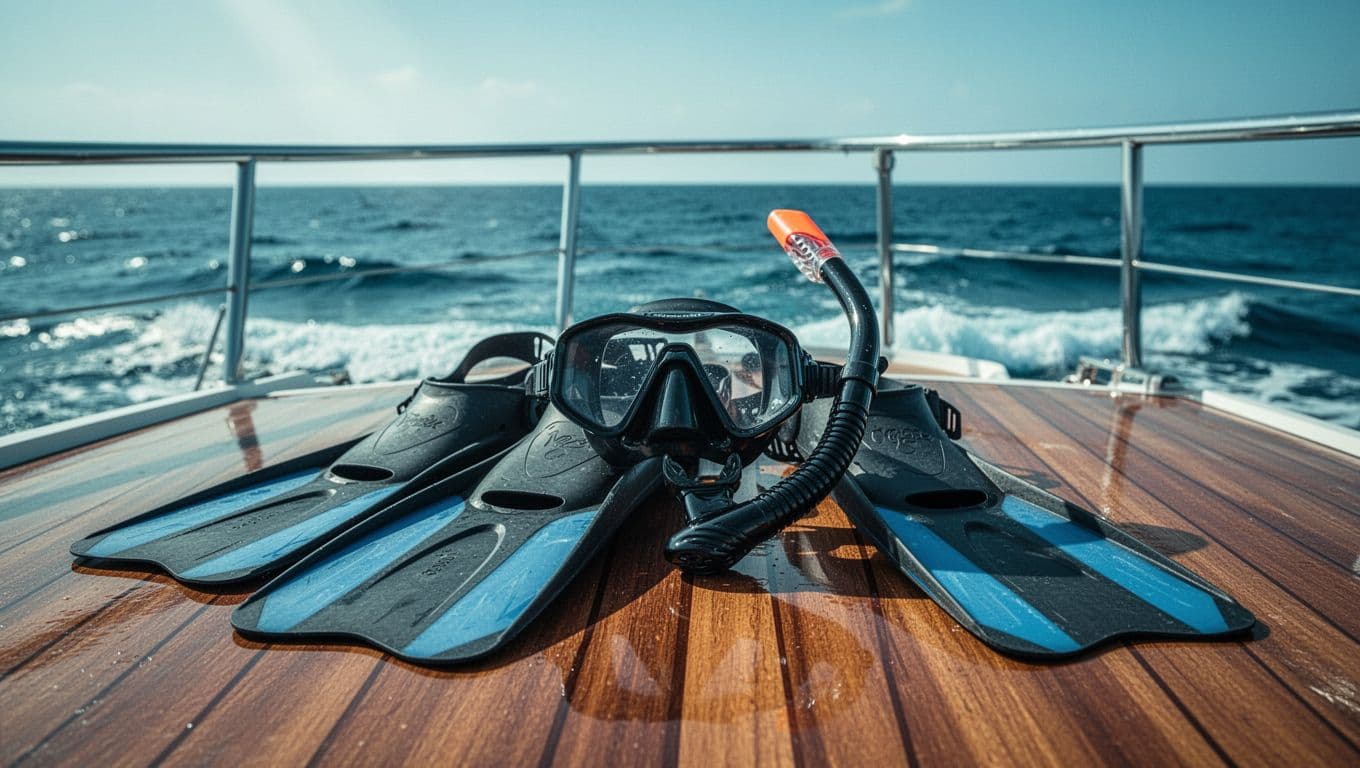
Protective clothing can reduce exposed skin. A rash guard, swim shirt, or thin wetsuit may provide some coverage, although no fabric guarantees protection from tentacles. Wear properly fitted fins and a mask so you can move comfortably without struggling.
Stay close enough to see your guide and the other swimmers. Don’t drift away while taking photos. Keep your hands off coral, shells, turtles, fish, and anything else you see below you. This protects the reef and prevents an accidental touch with a hidden animal.
Your sunscreen choice also matters for the reef. Use reef-conscious products and apply them before boarding when possible. Sunscreen doesn’t prevent jellyfish stings, but responsible habits help protect the marine area you came to enjoy.
If you’re tired, cold, seasick, or uncomfortable with the conditions, tell the crew. You don’t have to prove anything by staying in the water. A short break on the boat is safer than struggling at the surface.
Planning to snorkel Big Island reefs with children? Give them one clear rule: never touch an animal, even if it looks harmless. Keep young swimmers beside an adult and use flotation equipment recommended by the operator.
Choose a Captain Cook tour with a clear safety plan
The operator you choose affects how confidently you can respond when conditions change. Look for lifeguard-certified guides, a thorough briefing, well-maintained equipment, and a crew that welcomes safety questions.
Kona Snorkel Trips is a Kailua-Kona ocean adventure company built around small-group service, guest safety, and responsible reef visits. Its guides provide professional snorkeling gear, explain local marine life, and use reef-safe practices during guided trips. The company also focuses on personal service instead of crowded, impersonal group operations.
For a Captain Cook experience, its Kealakekua Bay snorkeling tours give you access to a guided trip with a crew familiar with the area’s marine conditions. Departures from Honokohau Marina also offer convenient boat access between Kona and the airport.
Before you book, ask how the crew handles a jellyfish sighting, whether first-aid supplies are onboard, and how they help nervous or inexperienced swimmers. A clear answer tells you more than a glossy tour description.
The company has earned a strong five-star reputation through consistent service and attention to safety. Its Lifeguard Certified guides combine ocean knowledge with education, so you can learn why the reef matters while keeping a respectful distance from wildlife.
When you’re ready to choose a date, you can check availability for a guided Kona snorkeling trip.
Captain Cook Snorkeling Tours is another company focused on Kealakekua Bay and the Captain Cook area. You can compare its trip details with your schedule, swimming ability, and preferred group size. If that option fits your plans, check avaialbility for the Captain Cook snorkeling departure.
Whichever operator you select, confirm the meeting point, departure time, cancellation policy, and minimum swimming requirements. You should also know whether the boat carries flotation devices and what happens if the crew changes the route for safety.
When you should skip the swim or leave early
You should reconsider entering the water when local officials or your operator report heavy jellyfish activity. The same applies when wind, current, or visibility makes it hard to keep track of your group.
Leaving early is also the right choice if you see several jellyfish, feel unsafe, or can’t maintain a relaxed breathing pattern. Tell the guide before fatigue becomes a problem. You may be able to rest onboard while the group continues, depending on the trip plan.
After a sting, stay out of the water for the rest of the excursion. Even a mild reaction can become worse with heat, movement, or another contact. Ask the crew whether you need medical evaluation before continuing your vacation activities.
Families should make the decision early for young children. A child who is scared, cold, or tired may panic after seeing a jellyfish. Keeping them beside an adult and following the guide’s plan is safer than trying to finish the swim.
The bay will still be there if conditions don’t suit you. A responsible tour operator may change locations, shorten the water portion, or cancel when the ocean isn’t appropriate. That decision protects guests and the marine environment.
Captain Cook snorkeling can still be a safe, memorable experience
Seeing a jellyfish during Captain Cook snorkeling doesn’t mean your day is ruined. Move away slowly, notify your guide, and follow the crew’s instructions if you need to exit.
If you are stung, avoid rubbing the area and don’t use random home remedies. Let trained crew members guide the first response, then seek emergency care for breathing problems, faintness, severe swelling, or rapidly spreading symptoms.
With a clear briefing, attentive guides, and respect for the ocean, you can enjoy Kealakekua Bay without treating wildlife as a reason to panic. The best snorkeling Big Island experiences leave you with great memories and a healthy respect for the water.