
How to Stop Jaw Fatigue During Captain Cook Snorkeling
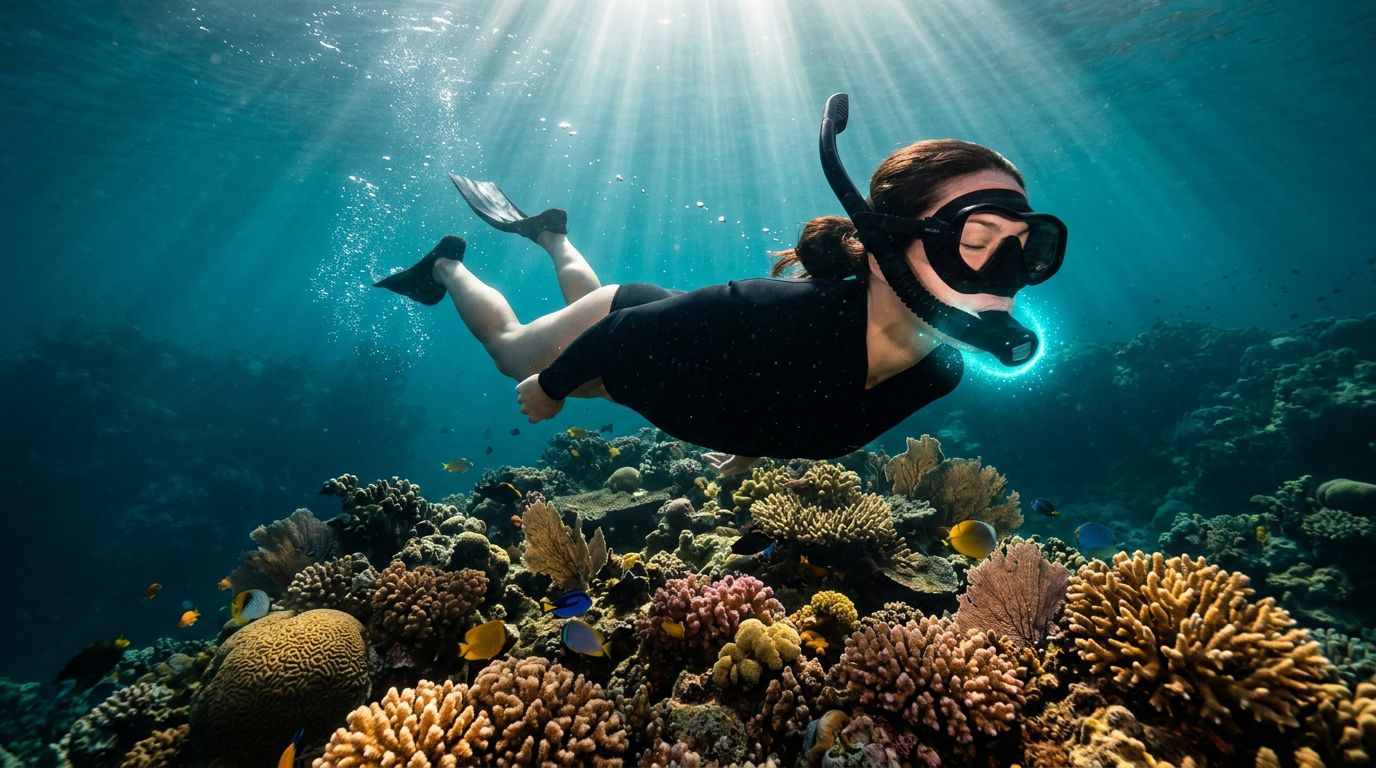
Kona Snorkel Trips keeps Captain Cook snorkeling simple and comfortable, and that matters when your jaw starts to work harder than your fins. A sore jaw can turn a dream snorkel into a distraction in minutes.
On snorkeling Big Island Hawaii trips, people often blame the water when the real issue is the mouthpiece. You can usually fix it with a better fit, less clenching, and a calmer pace once you enter the water. That matters on snorkeling Big Island days when you want your focus on the reef, not your teeth.
Why your jaw gets tired so fast in Kealakekua Bay
Jaw fatigue usually starts with tension, not strength. You bite down a little harder when you feel wave movement, excitement, or a mouthpiece that does not sit right. After a few minutes, that small grip turns into a deep ache.
Captain Cook snorkeling is especially easy to enjoy when you stay relaxed, because Kealakekua Bay often feels calm enough to make you linger. That is when jaw fatigue sneaks in. You stop thinking about the snorkel and start thinking about your face.
Here is a quick way to sort out what you are feeling.
| What you feel | Likely cause | What helps |
|---|---|---|
| Tightness shows up fast | Mouthpiece is too large or too stiff | Refit the gear or switch mouthpieces |
| Pain on one side | You are biting unevenly | Center the mouthpiece and relax your tongue |
| Soreness after waves | You are clenching when the water moves | Reset your bite before each swim |
| Cheeks feel tired too | Your head angle is pulling the snorkel sideways | Keep your neck neutral and your chin low |
That pattern shows up on many snorkel Big Island outings, because excitement makes you grip harder than you realize. The fix usually starts with the gear, then moves to your posture, then your breathing rhythm.
Get a mouthpiece that fits your face
A good mouthpiece should feel almost forgettable. You should notice the reef, the light, and the fish long before you notice your jaw. If you have to chew on the snorkel to keep it in place, the fit needs work.
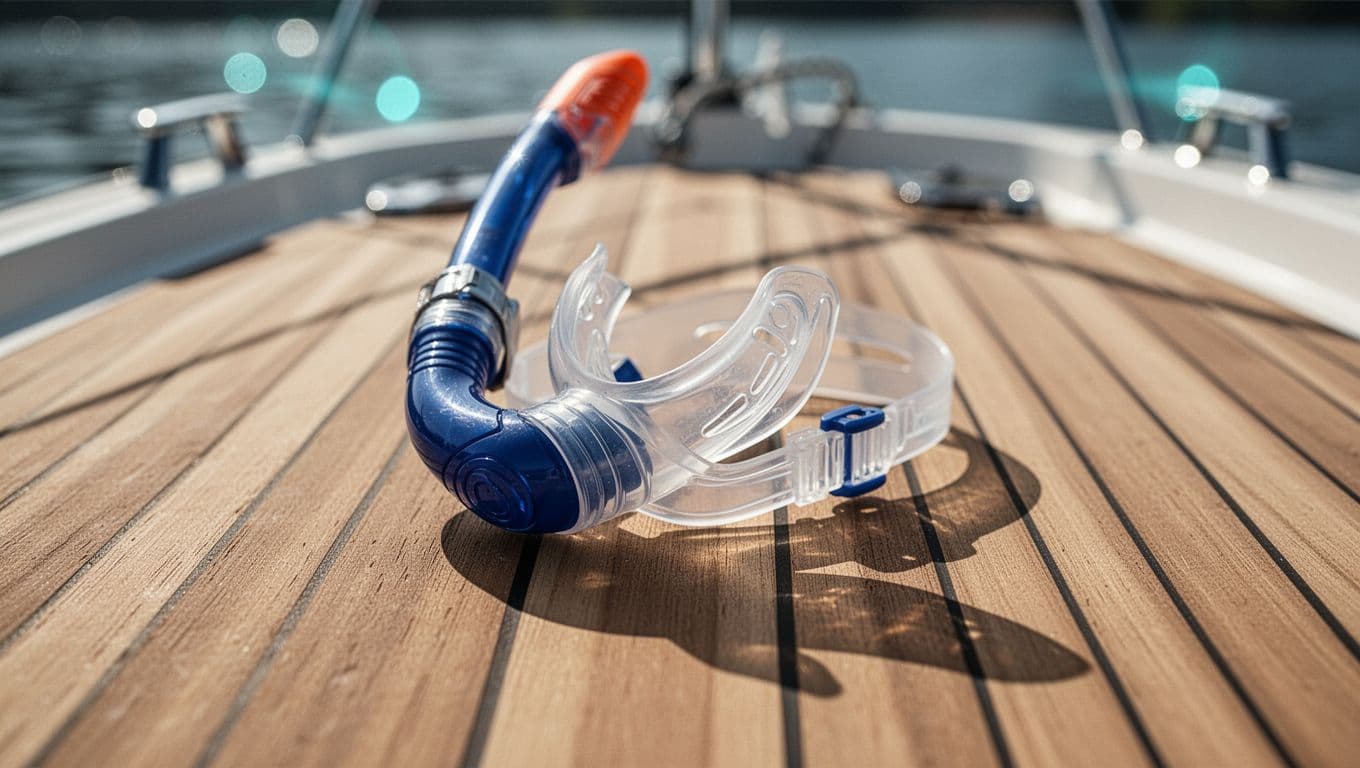
A simple gear swap can help, and Scuba.com’s notes on reducing jaw fatigue point to the same idea. Less bite pressure means less strain.
Watch for these signs before your next swim:
- The mouthpiece feels bulky in your mouth.
- You need constant pressure to keep it sealed.
- One side of your jaw works harder than the other.
- Your lips feel pinched or stretched.
- The snorkel shifts when you turn your head.
If any of those sound familiar, ask for a different size or style. Small changes can make a big difference on a long day in the water. A softer, better-shaped mouthpiece often lets you relax without thinking about it.
Relax your bite before you enter the water
Your jaw should be lightly engaged, not locked. That sounds simple, but the habit starts before you even step off the boat or walk into the bay. If you begin tense, you usually stay tense.
Your teeth should hold the mouthpiece in place, not carry its weight.
Try this quick reset before you swim:
- Close your lips gently around the mouthpiece.
- Keep your teeth apart unless you need a tiny stabilizing bite.
- Let your tongue rest low in your mouth.
- Take three slow breaths before you kick off.
- If you catch yourself clenching, stop and reset.
That tiny routine helps on snorkeling Big Island days when your body wants to rush. It also helps on snorkeling Big Island Hawaii trips where the view is so good that you forget to check your posture. A calm jaw is part of a calm swim.
You can also do a short practice run in shallow water. Float for a minute, then test whether you can keep the mouthpiece steady without biting hard. If you cannot, the gear or your habits need a small adjustment.
Stay loose while you snorkel the reef
Once you are in the water, your body position matters as much as the mouthpiece itself. If your head is too high, the snorkel pulls. If your chin lifts too much, your jaw works harder. If your kick gets wild, your whole body tenses up.
Use these simple habits while you snorkel:
- Keep your head in line with your spine. A long neck feels better than a strained one.
- Let your shoulders drop. Tension often starts there and travels upward.
- Kick slowly instead of hard. Smooth movement makes the snorkel feel lighter.
- Turn your whole body when you look around. Twisting only your neck can tug on the mouthpiece.
- Take short breaks when you need them. A brief pause is better than grinding through soreness.
The biggest mistake is trying to muscle your way through discomfort. That usually makes the bite tighter, which makes the ache worse. Relaxation is a better tool than force.
If you snorkel with family or friends, tell them you may need a slower pace. That keeps the day easy for everyone. It also gives you room to stop and reset before the jaw gets sore.
Choose a tour that gives your jaw a break
Tour style matters more than people think. A crowded, rushed boat can make you hold your jaw tight before you even enter the water. A smaller, better-paced trip gives you more room to breathe, float, and reset.
Kona Snorkel Trips uses small-group trips, strong safety practices, and well-kept gear, which helps when you want a calmer experience. If you are comparing options for guided snorkeling excursions in Kona, start with the kind of trip that gives you time, space, and good equipment.
If you want a route built around this bay, Captain Cook Snorkeling Tours focuses on Kealakekua Bay. For a deeper look at the route itself, the Kealakekua Bay marine sanctuary tour explains what the trip includes and why the water feels so inviting.
If your group wants more control over pace and stops, private Kona boat charters can help. You can set the rhythm, choose when to rest, and keep the whole outing easier on your jaw. That can make a real difference for families, couples, or anyone with a sensitive bite.
What to do when jaw fatigue starts mid-snorkel
If the ache starts during the swim, do not push through it. Jaw fatigue gets worse when you keep clenching. A short reset usually works better than forcing another ten minutes.
Try this as soon as you feel the strain:
- Float on the surface and loosen your bite.
- Remove the snorkel for a moment if it is safe to do so.
- Let your shoulders drop and take a few relaxed breaths.
- Check whether the mouthpiece is sitting crooked.
- Tell your guide before the discomfort turns into pain.
If you are on a Captain Cook snorkeling trip, speak up early. Good guides would rather help you adjust than see you tough it out in silence. A short break can save the rest of the swim.
You can also switch your focus from active kicking to easy floating for a minute. That gives your face a chance to recover. Once the jaw settles, you can re-enter with a lighter bite and a calmer body.
After the tour, reset before the next swim
A sore jaw after snorkeling does not always mean something is wrong. Sometimes you simply clenched more than usual. Still, repeated soreness is a sign that something needs to change.
Start with water and soft food after the trip. If your jaw feels tight, a warm compress can help you relax it. Gentle opening and closing movements may also ease stiffness later in the day.
Pay attention to patterns. If the same side hurts every time, the mouthpiece may be sitting unevenly. If your jaw clicks or aches long after the tour, it may be time to check the fit more carefully or ask a dental professional about it.
The goal is simple. You want your next snorkeling Big Island Hawaii outing to feel easier than the last one. Small changes add up fast when you repeat them.
Conclusion
Captain Cook snorkeling should leave you thinking about coral, fish, and clear water, not jaw pain. Most of the time, the fix is small, and it starts with a better mouthpiece fit and a lighter bite.
Once you keep your jaw relaxed and your posture easy, the snorkel fades into the background. That is when the bay does what it should, and your attention stays on the reef instead of your teeth.