
Can You Bring Prescription Medication on a Captain Cook Snorkel Tour
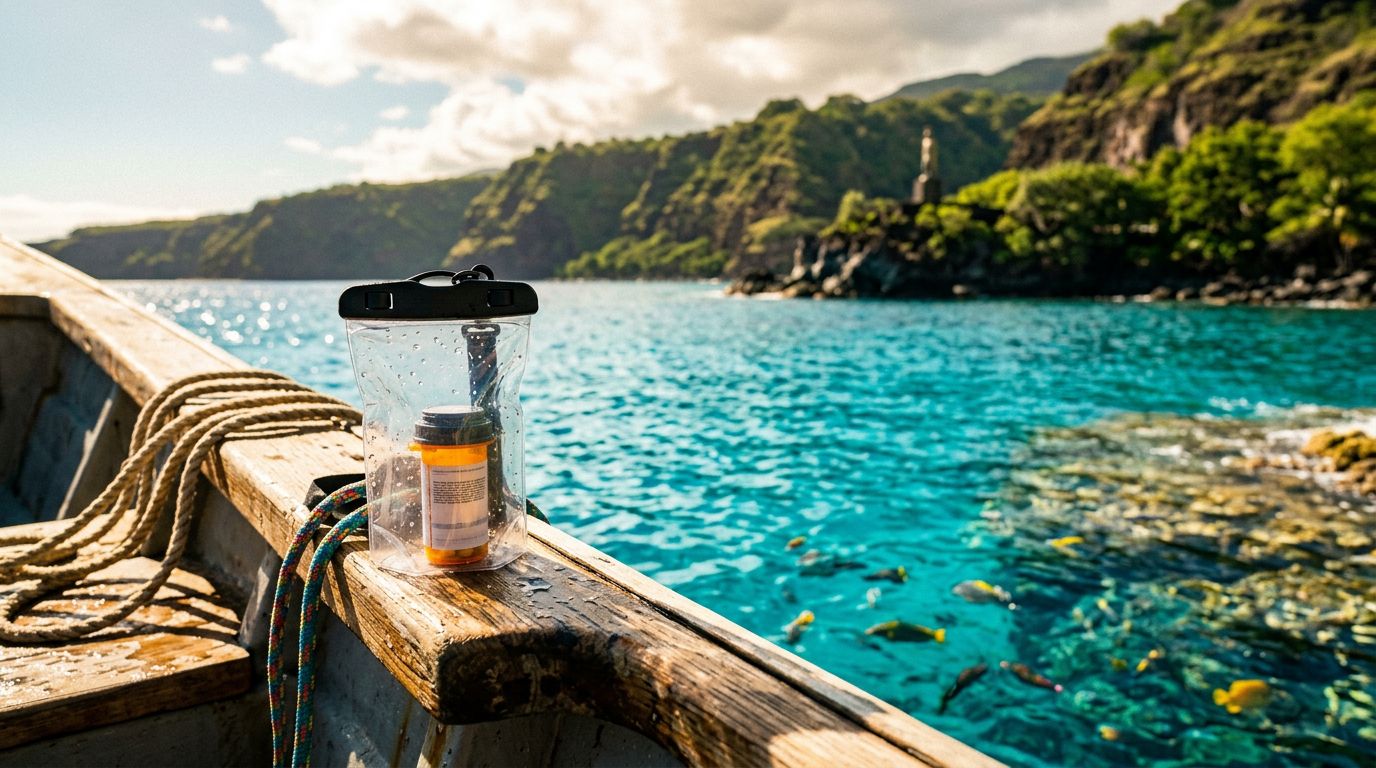
A prescription schedule shouldn’t stop you from enjoying a Captain Cook snorkel tour in Hawaii. You can usually bring your medication aboard, but you need to pack it carefully and keep it available throughout the trip.
The safest approach is simple: use the original labeled container, protect the medication from water and heat, and tell your guide about anything you may need during the outing. A little planning helps you focus on clear water, reef fish, and Kealakekua Bay instead of worrying about your bag.
Key Takeaways
- You can generally bring prescription medication on a Captain Cook snorkel tour.
- Keep medication in its original pharmacy-labeled container and carry it in a small personal bag.
- Waterproof protection helps, but essential medication should remain accessible to you and the crew.
- Ask your doctor or pharmacist about swimming, sun exposure, heat, motion sickness, and medication side effects.
- Contact the tour operator before departure if your medicine needs refrigeration, special handling, or emergency access.
Yes, You Can Bring Prescription Medication on the Boat
Most sightseeing and snorkeling boats don’t prohibit prescription medication. In fact, carrying your medicine with you is safer than leaving it in a hotel room, rental car, or checked luggage.
Your medication should stay in the container provided by the pharmacy. The label usually shows your name, prescription details, and dosage instructions. That information can help airport security, medical personnel, and tour staff identify the medicine if a problem occurs.
Avoid moving pills into an unmarked plastic bag. A small pill organizer may work for daily convenience at home, but it creates confusion during travel. Keep the original container with you, even if you carry only the amount needed for the day in a separate labeled pouch.
For general travel guidance, Cruise Critic’s medication packing advice also recommends keeping prescriptions organized and close at hand. Cruise ships and snorkel boats have different policies, but the basic principle is the same: don’t bury important medicine in luggage you can’t reach.
A Captain Cook snorkel tour often takes you away from shore for several hours. Once the boat leaves the harbor, you may not have a quick way to return to your hotel or reach a pharmacy. That makes access more important than saving space.
Your tour operator may have rules about bags, coolers, or personal gear. Those rules normally concern storage space, loose belongings, and safety around the deck. They don’t replace your doctor’s instructions. If a medication has special requirements, call the operator before your trip and explain what you need.
People traveling to Hawaii from another country should also check airline and customs rules before arrival. Hawaii is part of the United States, but your departure country may have its own documentation requirements. A current prescription, doctor’s note, or medication list can prevent delays when you travel.
How to Pack Medicine for a Captain Cook Snorkel Tour
Your medication needs protection from three common problems on the water: moisture, heat, and limited access. A careful packing setup addresses all three without making your day bag bulky.
Place the original prescription container inside a resealable waterproof pouch. Then put that pouch inside a small dry bag or personal backpack. Double protection helps if your bag gets splashed, but don’t assume a zipper pouch will stay dry after being submerged.
Keep the medicine out of direct sunlight. A shaded compartment inside your personal bag is better than an exposed seat, cooler lid, or dashboard. The temperature inside a parked car can rise quickly in Hawaii, and some medications can lose effectiveness when exposed to high heat.
You should also pack the supplies connected to the prescription. Depending on your needs, that may include a dosing syringe, glucose supplies, an inhaler spacer, an epinephrine trainer, alcohol wipes, or a written medication list. Keep accessories together so you don’t have to search through several bags.
A practical day bag can include:
- The labeled prescription container
- A waterproof pouch or dry bag
- A current medication list with dosage information
- Any required measuring or injection supplies
- A doctor’s note for controlled or medically sensitive prescriptions
- A backup supply if your doctor recommends carrying one
Don’t crush tablets or combine different medications in one container unless your pharmacist has prepared them that way. Liquid medication deserves extra care because a leaking bottle can damage labels and other supplies. Seal it upright inside a separate plastic bag, then place it inside the dry bag.
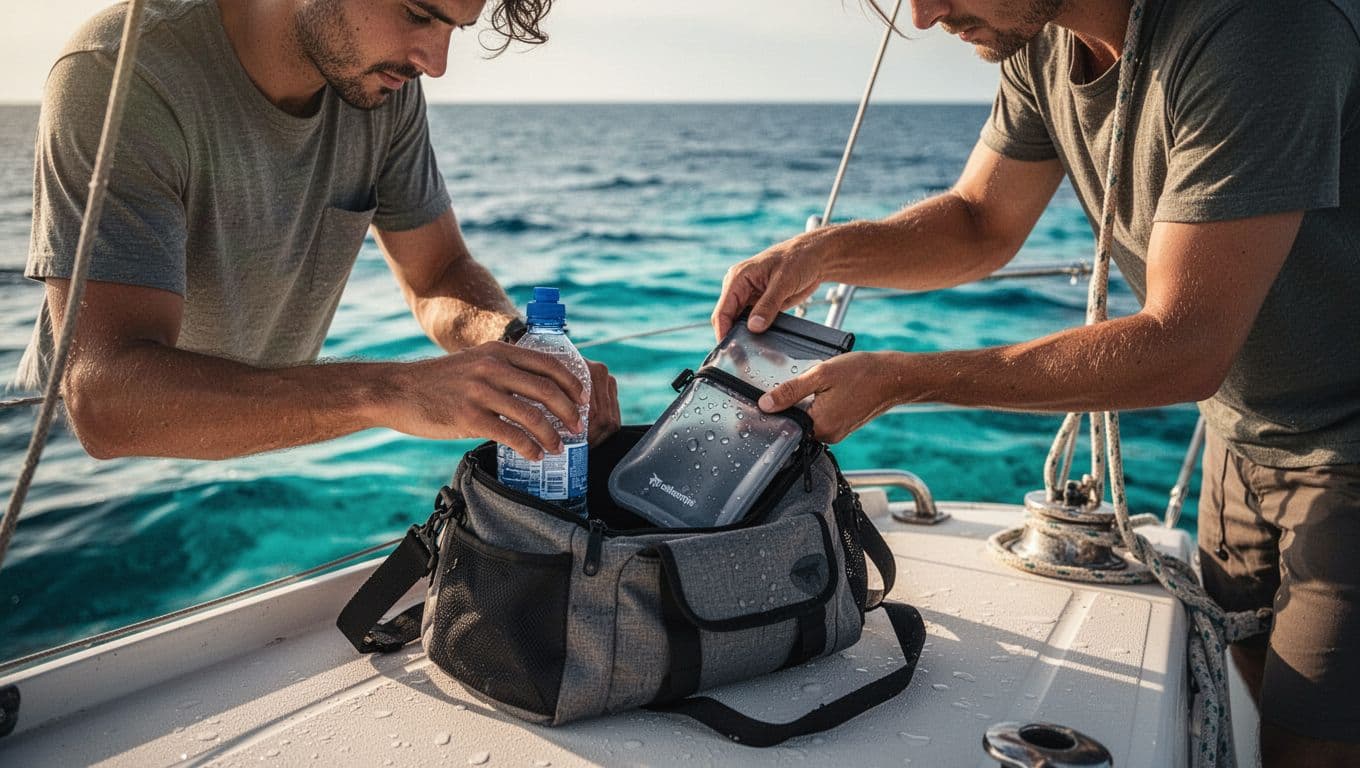
If you fly to Kailua-Kona, keep prescriptions in your carry-on rather than checked baggage. You can review Holland America’s guidance on carrying prescription medicine for another practical reminder: carry enough medicine for your trip and keep it close at hand.
Your snorkel gear may include fins, a mask, reef-safe sunscreen, a towel, and a change of clothes. Medication should not get lost beneath those items. Use a brightly colored pouch or a labeled internal pocket so you can find it quickly.
Keep Essential Medication Within Reach
A boat deck is different from a hotel room. Movement, spray, sun, and shared storage can make a small medicine container difficult to find. You should carry essential medication in the personal bag that stays near you, rather than placing it in a communal gear area.
Tell your guide if you may need medication during the trip. You don’t need to share private medical details with the entire group. A quiet conversation before departure is enough. Let the guide know what to look for, where you keep the medicine, and whether you may need help reaching it.
This matters most for fast-acting prescriptions, such as:
- Rescue inhalers
- Epinephrine auto-injectors
- Insulin or glucose supplies
- Heart medication
- Seizure medication
- Emergency allergy medication
Don’t leave emergency medicine inside a sealed bag that you can’t open easily. A waterproof case with a simple zipper is more useful than a container that takes several steps to unlock. If your medicine needs to stay cool, ask the crew whether they have an appropriate storage option before the boat leaves.
You should also keep the medication with you if you enter the water. Never leave it unattended on a sunny seat or exposed deck. Ask the crew where your personal bag can stay shaded and secure while you snorkel.
Most snorkel boats have a designated place for personal belongings, but storage arrangements vary. Some boats have open seating, while others provide dry storage. A quick call before your Captain Cook snorkeling trip can answer practical questions about bag size, shade, and access.
Keep emergency medication close enough to reach without crossing the boat or opening someone else’s gear bag.
If you take medicine at a set time, use an alarm on your phone or watch. Boat schedules can make the morning feel busy, and saltwater activities can distract you from your normal routine. Bring water if your prescription instructions call for it, and ask whether you can take your medicine before boarding if water access may be limited.
Don’t place medication in a drink bottle, sunscreen container, or another item that could be mistaken for something else. Clear labeling reduces confusion for you and anyone helping you.
Medication, Motion Sickness, and Snorkeling Safety
Prescription medication can affect your snorkeling plans in ways that have nothing to do with bringing it aboard. Some medicines cause drowsiness, dizziness, blurred vision, dry mouth, increased sun sensitivity, or changes in balance. Those effects can become more noticeable on a moving boat or in open water.
Ask your doctor or pharmacist whether your prescription is compatible with swimming, sun exposure, heat, and physical activity. You should ask before the trip, not while standing on the dock. Your healthcare provider can explain whether you need to adjust timing or take extra precautions.
Motion sickness deserves special attention. Some people take a prescription or over-the-counter medicine before a boat ride. These products can cause sleepiness or reduce alertness. If you’ve never used a particular medication before, don’t test it for the first time during a snorkel excursion.
Your medical provider or pharmacist can recommend a safer plan based on your health history. You should also tell your guide if you feel dizzy, unusually tired, short of breath, or unwell. Staying on the boat is the right choice if you don’t feel ready to enter the water.
Sun exposure can matter too. Certain prescriptions make skin more sensitive to sunlight, which can lead to a faster sunburn. Use the sun protection approved by your healthcare provider, wear a rash guard, and choose a shaded place on the boat when you’re out of the water.
Reef-safe sunscreen is commonly requested on Hawaiian snorkeling trips because ingredients can harm marine ecosystems. Apply it before boarding when possible, and follow the operator’s instructions about products allowed on the boat.
People with diabetes should plan for the full outing, including travel time before and after the tour. Bring the supplies your healthcare team recommends, protect them from heat and water, and tell the crew where they are stored. The same approach applies to anyone who needs scheduled medication or monitoring.
If you use an inhaler, keep it accessible rather than placing it in a dry bag at the back of the boat. If you carry an epinephrine auto-injector, protect it from water and extreme heat while keeping it available. Ask your doctor how to store it during a marine excursion.
Medical needs vary too much for a generic internet answer to replace professional advice. Your guide can help with access and basic trip logistics, but only your healthcare provider can tell you whether a specific prescription is safe around swimming, exertion, or sun.
Choose a Tour That Fits Your Medication Needs
The best snorkeling plan is one that matches your comfort, health, and access requirements. A smaller group may make it easier to speak with your guide and keep personal belongings nearby. A private outing can give you more control over timing, breaks, and the day’s pace.
Kona Snorkel Trips follows a “Reef to Rays” philosophy, with small-group ocean adventures, lifeguard-certified guides, quality snorkeling equipment, and attention to reef-safe practices. You can review the company’s Big Island snorkel tours before choosing an outing that fits your group.
For a Captain Cook trip, ask these questions when you book:
- Where can you store a small medication bag?
- Can the crew keep a medicine cool if the prescription requires it?
- Will you be able to reach your bag while snorkeling?
- How long will you be away from the harbor?
- What should you do if you need to remain on the boat?
- Can a guide help you access emergency medication?
The answers may depend on the boat and departure schedule. Ask early if you need refrigeration, a specific seating arrangement, frequent water breaks, or extra time to board.
Kealakekua Bay has become a popular destination for snorkeling Big Island Hawaii because of its clear water and protected coastal setting. A guided trip can reduce the planning burden, but you still need to communicate your own medical requirements. The crew can prepare for access and safety when you provide useful information in advance.
Kona Snorkel Trips focuses on personalized service rather than treating every guest the same. That doesn’t mean the crew can manage your prescription for you. You remain responsible for taking the correct dose and carrying the medication you need. The benefit is having a guide who knows where your supplies are and understands when you may need assistance.
When you compare options for how to snorkel Big Island waters, consider the full experience rather than the destination alone. A tour may look attractive online, but the right choice also depends on boat access, trip length, group size, and your ability to stay comfortable.
If you plan to book a Kona Snorkel Trips Captain Cook excursion, you can check avaialbility before your preferred date fills.
Your Medication Plan for the Day of the Tour
A simple routine can keep your medication safe and accessible on the morning of your Captain Cook snorkel tour.
Take any scheduled dose according to your normal medical instructions. Don’t change the timing because of the excursion unless your doctor has told you to do so. Pack the original container, your medication list, and any supplies before leaving your hotel.
Check the weather and your own condition before boarding. If you’re sick, dehydrated, dizzy, or experiencing unusual symptoms, tell the operator. You may need to postpone the trip or remain on shore.
Before departure, show your guide where you keep essential medication. Tell one travel companion too, especially if you have an allergy, diabetes, asthma, or another condition that could require fast assistance.
Once aboard, store your bag in the location the crew recommends. Keep water nearby, use shade when you need it, and follow all instructions about entering and leaving the water. You can enjoy snorkeling Big Island waters without spending the trip searching for a misplaced prescription.
After returning to shore, check that you have every container and supply. Heat-sensitive medicine shouldn’t remain in a parked vehicle while you have lunch or explore town.
Conclusion
You can generally bring prescription medication on a Captain Cook snorkel tour. Keep it in the original labeled container, protect it from water and heat, and carry it somewhere you can reach quickly.
Your doctor or pharmacist should guide decisions about side effects, swimming, sun exposure, and motion sickness. Meanwhile, your tour crew can help with storage and access when you explain your needs before departure. With those details handled, you can enjoy Kealakekua Bay and the rest of your snorkeling Big Island adventure with greater peace of mind.