
How to Handle a Leg Cramp During Captain Cook Snorkeling
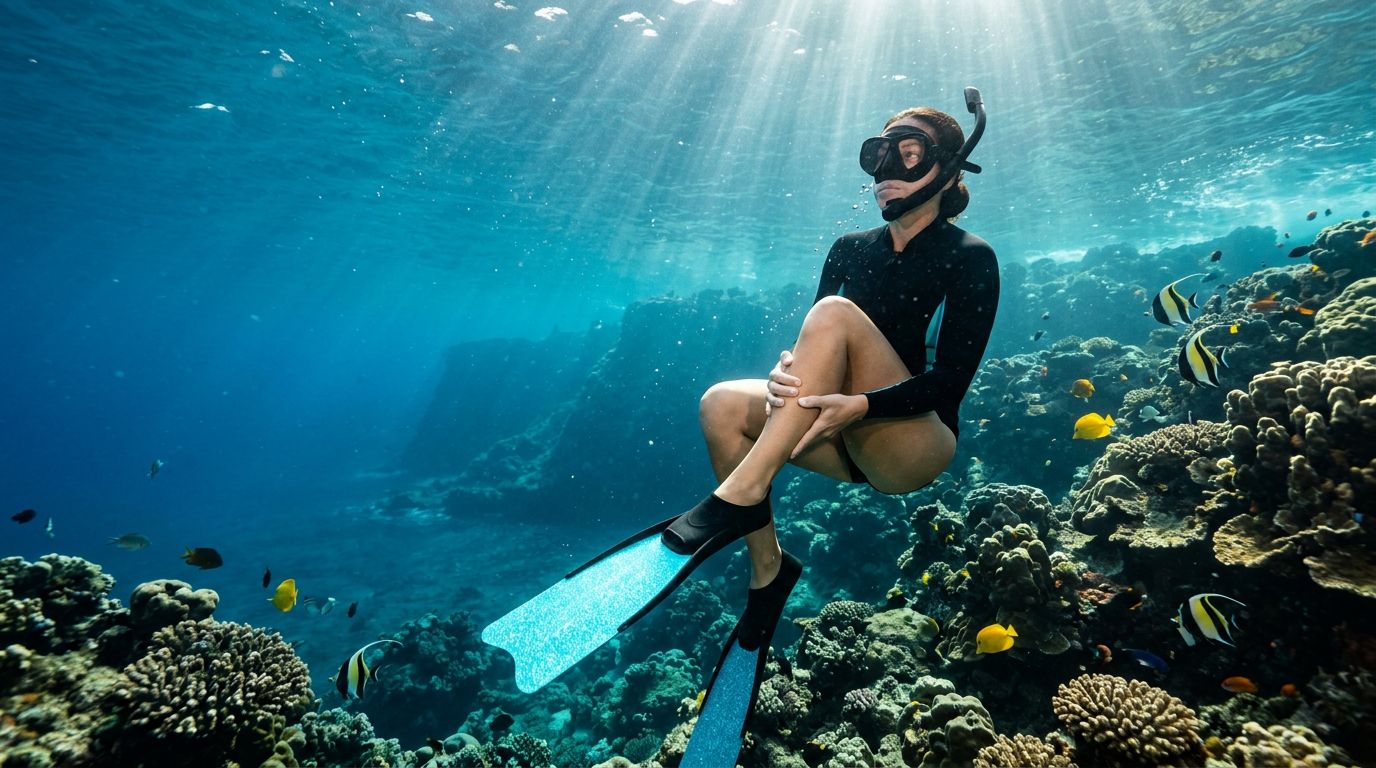
A leg cramp can turn Captain Cook snorkeling into a frightening moment, especially when you’re floating above deep water near Kealakekua Bay. The safest response is to stop kicking, keep your airway clear, signal your guide, and treat the muscle only after you feel stable.
Most cramps pass quickly with calm movement and gentle stretching. Before you enter the water, a few simple habits can lower your risk and help you enjoy the reef with more confidence. Start by understanding why cramps happen during a snorkel.
Why Leg Cramps Happen During Captain Cook Snorkeling
A cramp is a sudden, painful tightening of a muscle. In the water, the calf, foot, hamstring, and thigh are the most common trouble spots because they work constantly to keep you moving and level.
Fins can add extra resistance to every kick. If you point your toes for long periods, your calf and foot muscles stay shortened. That position can cause the familiar tight knot under your foot or along the back of your lower leg.
Fatigue also plays a major role. You may kick harder than you realize when swimming against a current, keeping up with a group, or trying to reach a turtle or colorful reef area. The clear water around Kealakekua Bay can make you want to keep exploring, but your legs still need breaks.
Other factors include:
- Starting vigorous swimming without warming up.
- Dehydration after a flight, hike, or long day in the sun.
- Cold water, which can make muscles feel tighter.
- A fin strap that fits poorly or causes you to grip with your toes.
- Holding your ankles stiff instead of using relaxed, compact kicks.
- Returning to the water before a previous cramp has fully settled.
You don’t need to panic if a cramp begins. A muscle spasm hurts, but the immediate danger comes from losing your calm, wasting energy, or trying to swim hard while one leg isn’t working normally.
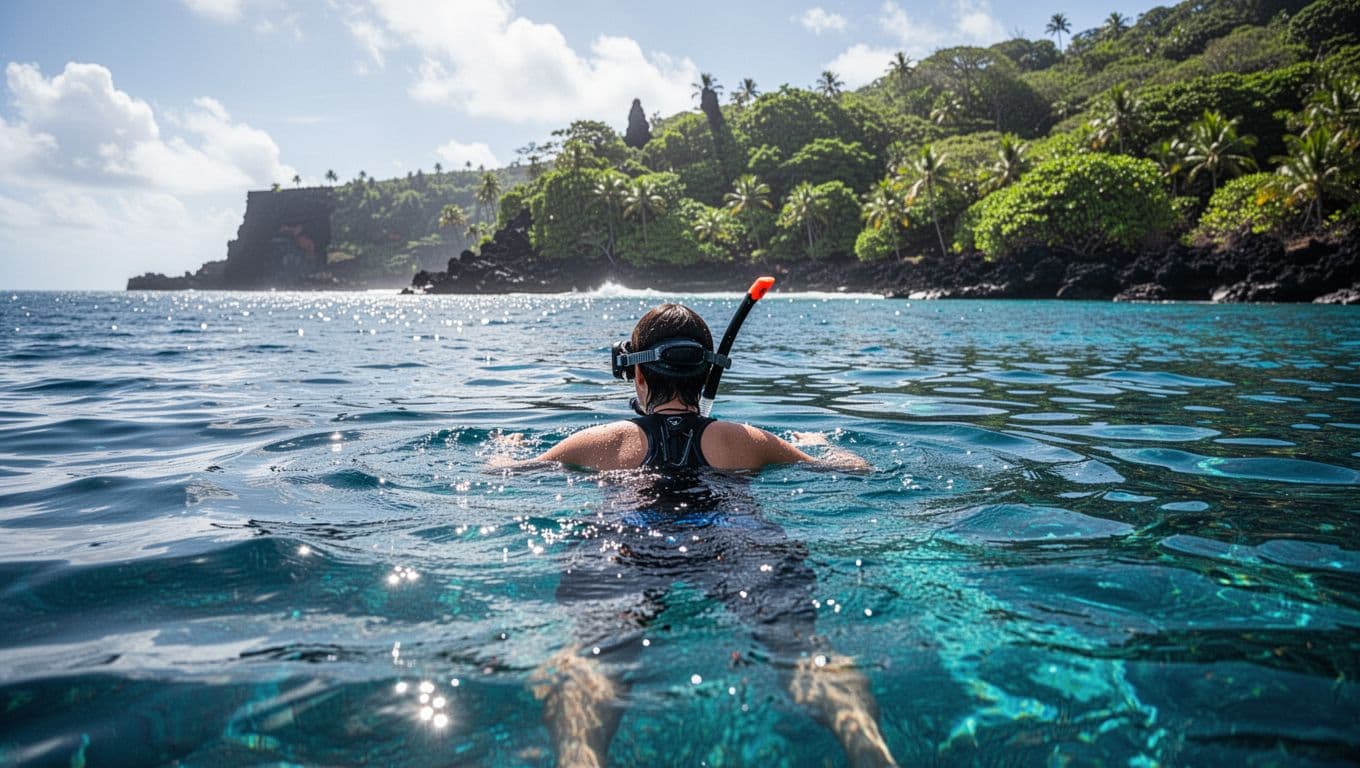
A relaxed position on the surface gives you time to manage the cramp without exhausting yourself.
What to Do During Captain Cook Snorkeling When a Cramp Starts
Your first goal is staying afloat, not fixing the muscle immediately. Stop swimming and let your flotation vest, snorkel, and relaxed body position do their work.
Follow these steps:
- Stop kicking. Let the cramped leg go still. Continued kicking can make the spasm stronger and use energy you need for breathing.
- Roll onto your back if needed. Keep your face above the surface and take slow breaths. If you wear a properly fitted flotation vest, it should help support you while you recover.
- Signal your guide. Raise one arm, wave, or use the agreed distress signal from your safety briefing. Don’t feel embarrassed. Guides would rather assist early than respond after you become exhausted.
- Keep your mouth and nose clear. If you have a snorkel in your mouth, breathe slowly through it only when your face remains comfortably positioned. Otherwise, lift your head and breathe normally.
- Gently lengthen the cramped muscle. Pull your toes toward your shin for a calf or foot cramp. Use slow pressure rather than a sharp tug.
- Accept assistance. A guide may offer a float, steady your position, help remove a fin, or escort you toward the boat. Follow their instructions instead of trying to prove you can manage alone.
- Rest before deciding what comes next. Once the spasm releases, stay still for several minutes. Your leg may remain weak or sore even after the pain fades.
Don’t swim straight back to shore against a current. Don’t grab coral, sea urchin habitat, or another swimmer for support. Reaching for the reef can injure you and damage the marine environment.
A leg cramp becomes more manageable when you stop treating it as a swimming problem. Float first, signal your guide, then stretch gently.
If you feel dizzy, confused, short of breath, faint, or unable to stay on the surface, treat the situation as an emergency. Call for help immediately and let the crew move you out of the water.
How to Stretch a Cramped Calf, Foot, or Thigh
The right stretch depends on where the spasm occurs. Move slowly, and stop if the pain becomes sharper.
Calf cramps
A calf cramp usually feels like a hard knot along the back of your lower leg. Extend the cramped leg as comfortably as you can. Then draw your toes toward your shin, keeping the ankle relaxed rather than forcing it.
If you have a float or a guide’s support, use it while you hold the stretch for several seconds. Release the tension slightly, then repeat. You may also use your hands to pull the front of the fin gently toward you, but only when you are stable and someone is nearby.
Foot cramps
Foot cramps often come from pointing your toes or gripping inside the fin pocket. Relax your toes first. Then move the ankle through a small range of motion, bringing the toes upward and away from the sole.
Don’t yank on the fin. A sudden pull can strain your foot or cause the fin to come off and float away. If the fin itself is contributing to the pain, ask your guide to help remove it.
Hamstring cramps
A hamstring cramp affects the back of your thigh. Keep your leg as straight as feels safe, and gently draw the toes upward. Avoid bending deeply at the knee while the muscle is locked.
A guide can support your upper body while you work on the leg. Once the pain settles, rest instead of testing the muscle with strong kicks.
Front thigh cramps
For a cramp in the front of your thigh, stop kicking and let the knee bend naturally. Avoid forcing the leg straight against resistance. If you can reach the boat ladder or receive support from the crew, let them help you exit before trying a stronger stretch on deck.
After leaving the water, a slow walk and gentle stretching may help. The swimming foot-cramp guidance from Swim England also recommends land-based calf and soleus stretches for swimmers who deal with recurring lower-leg cramps.
When You Should Leave the Water
A brief cramp that releases quickly doesn’t always end your snorkeling session. However, you should leave the water when the leg stays painful, weak, numb, or difficult to control.
You should also exit if the cramp returns each time you kick. Repeated spasms can drain your energy and make a second problem more likely. A sore muscle may need more recovery than your vacation schedule allows.
Tell your guide exactly what happened. Mention which leg cramped, how long it lasted, whether you felt dizzy, and whether you can walk normally. This information helps the crew decide whether you should rest, change locations, or end the activity.
Seek urgent help for chest pain, serious breathing trouble, fainting, confusion, blue lips, severe weakness, or an inability to remain afloat. A cramp alone is usually a muscle issue, but distress in the water can develop quickly when you cannot swim effectively.
Don’t take pain medication so you can continue without telling anyone. Pain relief may hide symptoms while the muscle remains strained. You also shouldn’t return to the water after a severe cramp until a guide or medical professional agrees that you’re ready.
For frequent or unexplained cramps outside the water, talk with a healthcare professional. Regular spasms can have many causes, including exercise patterns, medication effects, circulation concerns, or other health conditions.
How to Prepare Before You Snorkel Kealakekua Bay
Good preparation starts before you board the boat. Drink water during the morning, especially if you have spent time in the sun or recently traveled. Avoid arriving dehydrated after several hours of airport travel, coffee, or alcohol.
Eat a light meal that you know your body handles well. You don’t need a heavy breakfast before swimming, but entering the water hungry can leave you tired sooner. Bring any personal medication your doctor has recommended, and tell the crew about relevant health conditions before departure.
Warm up on land with easy movements. Walk for a few minutes, rotate your ankles, flex and relax your feet, and perform gentle calf stretches. Skip aggressive stretching that causes pain.
During your safety briefing, pay attention to how the crew wants you to signal for help. Ask where the flotation devices are and how to reach the boat ladder. You can also tell your guide that you have experienced leg cramps before.
When you search for snorkeling Big Island Hawaii, you may focus on water clarity and marine life. Safety deserves equal attention. The same preparation helps whether you’re visiting Kealakekua Bay, Pawai Bay, or another Kona coastline.
Choose fins that fit securely without pressing hard against your toes. A fin should stay in place without making you curl your toes to hold it. If the guide offers a different size, switch early instead of waiting for discomfort to become pain.
Use Relaxed Kicks and Take Breaks
Efficient finning uses your whole leg. Keep the movement smooth and begin near the hip, with a soft bend in the knee. Small, steady kicks are usually easier on your calves than rapid bicycle-style movements.
Avoid pointing your toes hard. Your ankle should stay flexible enough for the fin to move water without forcing your foot into a rigid position. If you feel your calves working harder than your hips, slow down and check your form.
You can also reduce leg strain by using your arms less. Large arm strokes increase fatigue and may make you breathe faster. Keep your arms relaxed unless you need them for balance or direction.
Take regular pauses. Float on the surface, look around, and let your legs rest while you watch the reef below. You don’t have to swim continuously to enjoy a Captain Cook snorkeling tour.
Currents and boat traffic also affect how much energy you use. Follow your guide’s route rather than swimming away to explore alone. A professional crew knows when conditions change and can choose a calmer position for the group.
If you plan to snorkel Big Island waters during several days of your vacation, avoid scheduling your longest ocean activity immediately after a demanding hike. Mauna Kea, the Pololu Valley area, and other island outings can leave your legs tired before you reach the coast.
The same approach applies to a snorkeling Big Island itinerary with multiple boat trips. Give your body time between activities, sleep well, and don’t treat soreness as a challenge to push through.
Choosing a Captain Cook Snorkel Tour With Safety in Mind
The operator you choose affects how supported you feel in the water. Look for a crew that gives a clear briefing, checks equipment, monitors the group, and keeps flotation support available.
Kona Snorkel Trips follows a “Reef to Rays” philosophy built around small-group service, ocean education, and guest safety. Its Lifeguard Certified guides provide snorkeling instruction and help guests choose suitable equipment before entering the water. The company also takes a reef-safe approach around Hawaii’s volcanic marine habitats.
You can review the available Big Island snorkeling tours and compare the trip format with your swimming comfort, group size, and schedule. For Kealakekua Bay, the Captain Cook snorkel tour includes access to the historic bay, quality snorkeling equipment, and guidance around the marine sanctuary.
Captain Cook Snorkeling Tours is another name travelers may encounter when researching Kealakekua Bay outings. Regardless of the operator, ask who will assist you if a cramp starts, how flotation is provided, and whether the crew welcomes guests who need a slower pace.
A strong tour company won’t pressure you to continue after a safety concern. The guide should help you return to the boat calmly, assess how you feel, and explain your options without making you feel rushed.
If Kona Snorkel Trips fits your plans, you can check avaialbility for a Captain Cook trip before your travel date.
Kona Snorkel Trips’ guest reviews can also help you understand how the crew communicates and supports visitors during ocean activities.
What to Do After a Snorkeling Cramp
Once you’re back on the boat, sit or lie down while the muscle recovers. Sip water and avoid standing quickly if you feel lightheaded. A small snack may help if you haven’t eaten for several hours.
Your leg may feel tender for the rest of the day. Gentle walking is usually easier than immediately stretching hard or returning to strenuous activity. Use a cool pack for soreness if the crew has one available, and follow medical advice for any injury.
Write down what happened while you remember the details. Note the water conditions, approximate time in the water, fin type, muscle involved, food and fluids you had, and whether the cramp returned. That record can help you adjust before your next ocean outing.
If you plan another swim, start with a shorter session and stay close to the guide. Test your fins with easy kicking before you move toward deeper water. Stop at the first sign of tightness instead of waiting for a full spasm.
A swimming safety guide on preventing cramps also emphasizes warming up and avoiding strenuous swimming when your body is not ready. Those habits are simple, but they matter when you spend time in open water.
Conclusion
A leg cramp during Captain Cook snorkeling doesn’t have to ruin your day. Stop kicking, float on your back, signal your guide, and stretch the muscle with slow, gentle movements. Leave the water if pain, weakness, dizziness, or breathing trouble continues.
Hydration, a light warm-up, well-fitting fins, relaxed kicks, and regular rest can reduce the chance of another spasm. Most importantly, tell your crew early. Calm communication keeps a painful moment from becoming a dangerous one.