
Captain Cook Snorkeling and Manta Rays in One Kona Day
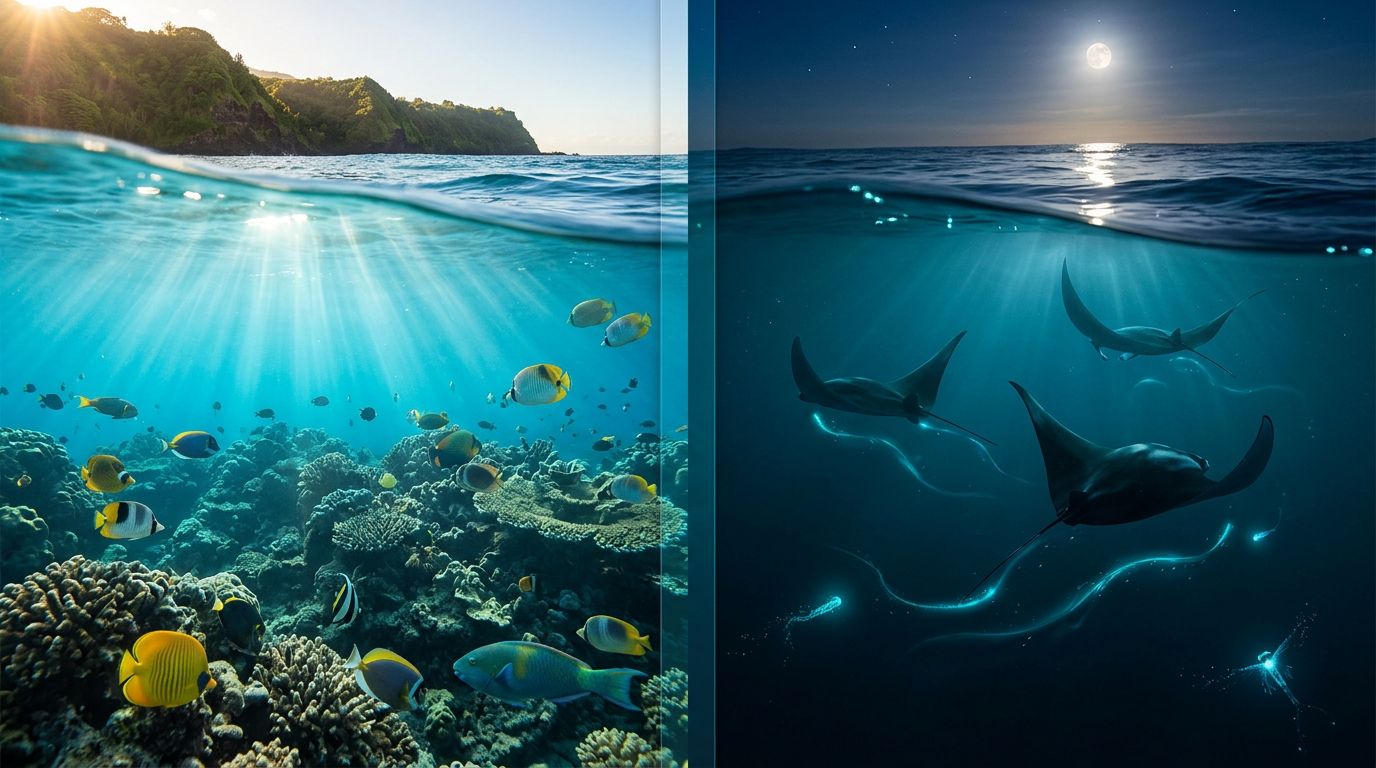
You can spend one Kona morning in bright reef water, then end the same day floating under manta rays after dark. That kind of pairing feels easy once you know the timing, and it saves you from choosing between two of the Big Island’s best ocean experiences.
Kona Snorkel Trips makes that day simple, especially if you want small groups, solid gear, and clear guidance. Their Big Island snorkeling tours give you a clean way to plan both sides of the day without turning your vacation into a puzzle.
If you want to snorkel Big Island in a way that feels complete, this is the itinerary that gives you color, calm water, and a night show in one stretch.
Why Captain Cook snorkeling and manta rays fit together
The pair works because the two experiences feel completely different. Captain Cook snorkeling gives you daylight, coral, and fish moving through clear water. Manta rays give you darkness, light, and a slow underwater ballet.
That contrast is the whole point. The morning wakes you up, and the night settles you down. You get a reef swim when the sun is high, then a second ocean experience that feels almost like a new trip.
Put the reef snorkel first, then keep the manta swim for after dark. That order gives you the calmest morning and the biggest contrast at night.
For snorkeling Big Island Hawaii, this is the schedule that feels balanced instead of crowded. You don’t waste your best energy on the wrong part of the day. You also don’t try to squeeze both trips into one long, tiring run.
If you like a day that has a clear beginning, middle, and finish, this one works. If you want one more reason to do it, you get two very different memories instead of one blended blur.
Start with Kealakekua Bay while the light is soft
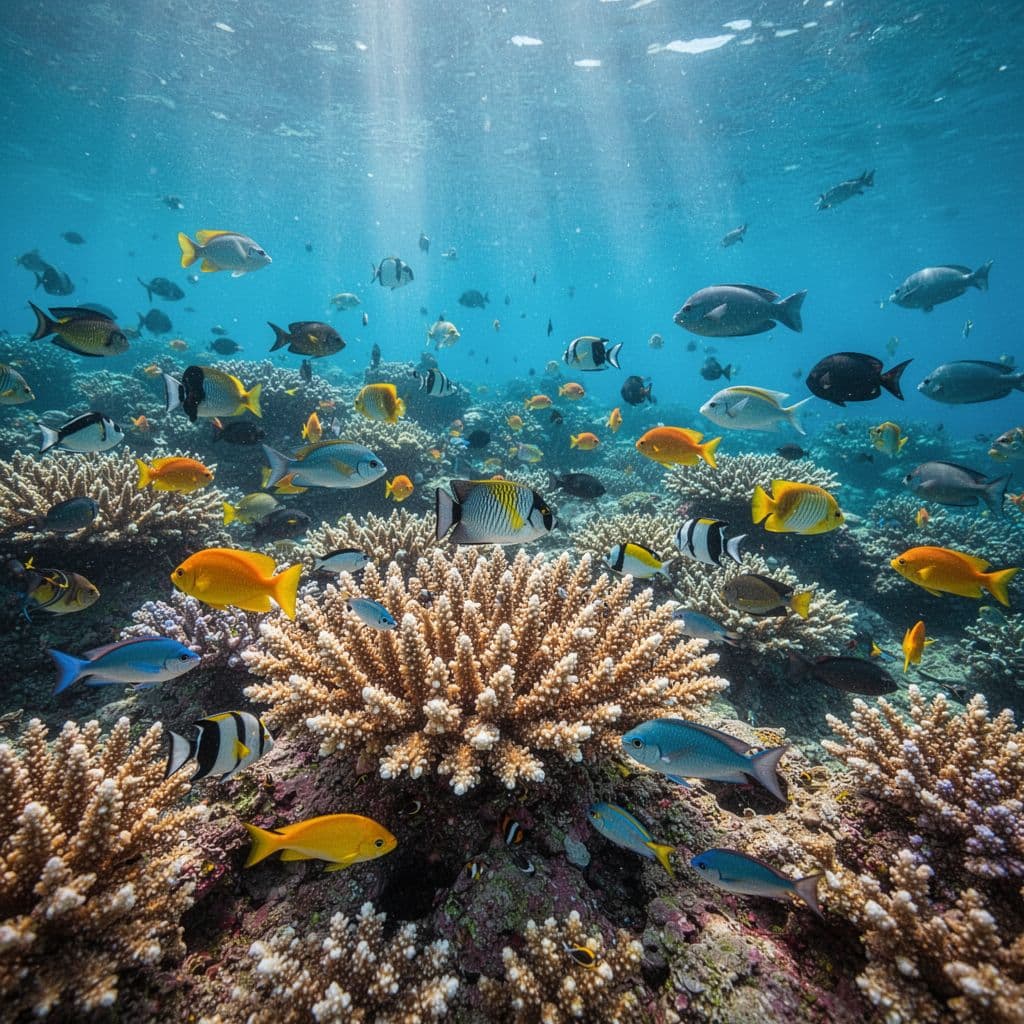
The best version of Captain Cook snorkeling usually starts early. The water often feels smoother in the morning, and the light hits the reef in a way that makes the bay look especially clear.
A Captain Cook Monument snorkel tour puts you in one of the most famous snorkeling spots on the Big Island. Kealakekua Bay is known for clear water, reef life, and the historic shoreline around the monument, so it gives you more than a pretty swim. You also get a sense of place.
That matters because the morning part of the day should feel rich, not rushed. You want time to look down at the reef, watch fish move in and out of the coral, and let the bay set the tone for the rest of the trip.
If you want the classic snorkeling Big Island start, this is it. You get a real reef session before the afternoon heat and wind wear you down. You also keep enough energy for the second trip later.
When people compare Captain Cook snorkeling with other Kona outings, this one stands out because the scenery and the history work together. The swim feels active, but it never feels busy in a bad way.
If you want to lock in your morning, you can check availability before the best times fill up.
The manta ray snorkel feels like a different world
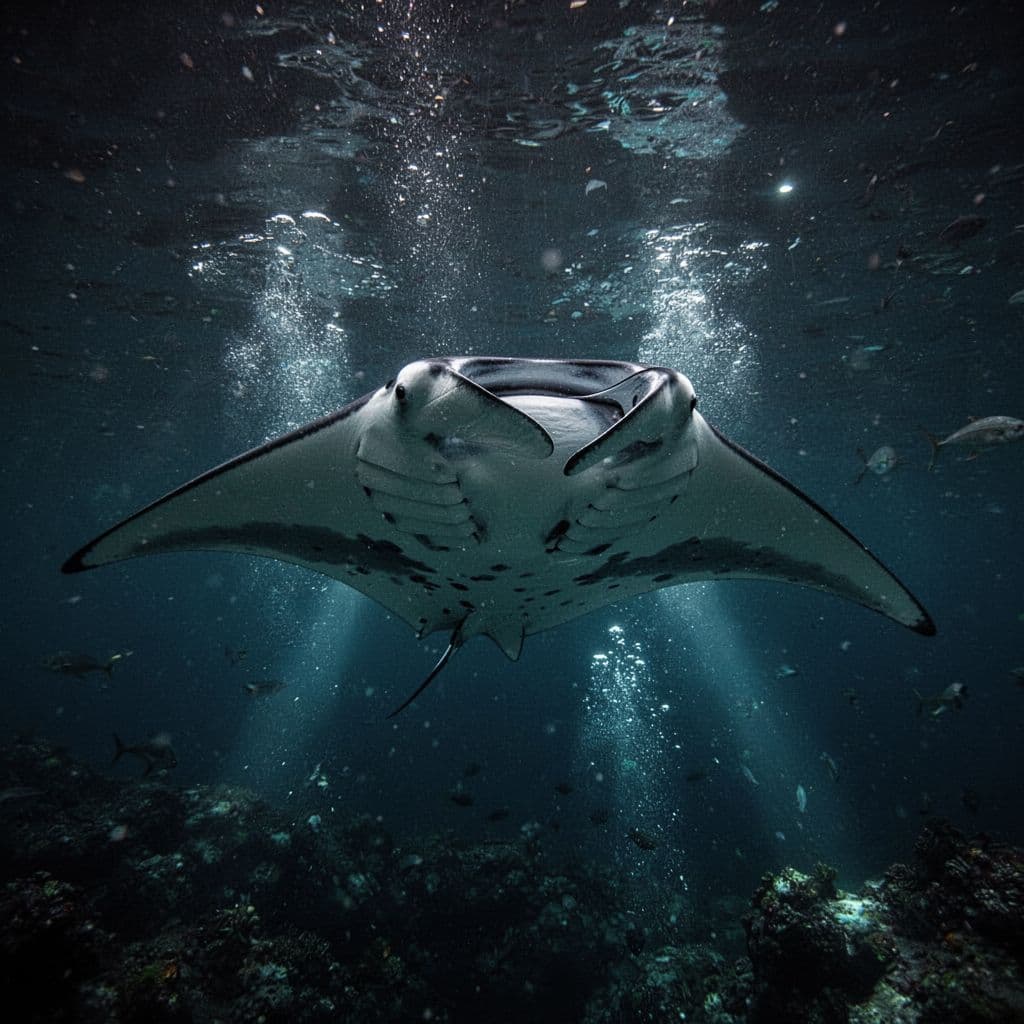
The night trip changes the mood fast. A guided manta ray snorkeling adventure puts you on the water after dark, where lights draw plankton and the mantas glide in to feed.
You don’t chase the animals. You float and let the scene come to you. That is why the experience feels so calm, even when it looks dramatic from the surface.
The first time you watch a manta pass under you, the size is hard to grasp. Their wings move with such control that the whole swim feels smooth and slow. The water is dark, but the lights give you enough to see the motion clearly.
If you want a manta-only night, Manta Ray Night Snorkel is the other brand to know. If you want the full same-day pairing, the night swim belongs at the end of your itinerary.
This is the part of the day that makes people stop talking for a while. The surface is quiet. The lights glow. The mantas move through the beam like huge birds underwater.
When you’re ready to add the evening half of the day, you can check availability for the manta trip.
A same-day schedule that keeps the day easy
The best same-day plan is simple. You front-load the reef trip, leave a real break in the middle, then return for the manta swim after dark.
| Part of the day | What you do | Why it works |
|---|---|---|
| Early morning | Snorkel Kealakekua Bay | Cooler air, calmer water, stronger light |
| Midday break | Eat, hydrate, rest | Keeps the day from feeling rushed |
| Late afternoon | Reset, change clothes, head back out | Gives your body time to recover |
| Night | Float with manta rays | A quiet finish that feels completely different |
That spacing matters when you snorkel Big Island in one day. The ocean is more enjoyable when you don’t cram every hour with movement.
You don’t need a big lunch. You need a light meal, water, and a little downtime. A shaded break or a nap can make the evening trip feel fresh instead of tiring.
If you want more control over timing, private Kona snorkel tours are a strong fit. They work well for families, couples, and mixed groups that want a slower pace or a custom start time.
If you like seeing how combo outings are packaged, a late-afternoon Kealakekua Bay and sunset manta snorkel listing on TripAdvisor gives you a sense of the format. The basic idea is the same, one reef session, then one night encounter.
The strongest schedule uses the middle of the day to rest. That gap is what keeps the whole plan fun.
What to pack so you don’t feel rushed
A little prep makes the day smoother. You don’t need much, but the right small items help a lot.
- Reef-safe sunscreen for the morning trip
- A dry change of clothes for the break between tours
- A light layer for the cool evening ride back
- A water bottle you can refill easily
- A snack or simple lunch
- Motion sickness medicine if you know you need it
You also want to keep your bag light. The less you carry, the easier it is to move between the daytime snorkel and the night swim.
Most crews provide the core gear, so you can focus on comfort. That means you can spend more energy enjoying the water and less time thinking about equipment.
If you wear contacts, bring what you need for them. If you run cold, pack a towel and a thin top. Small details like those matter more than fancy gear.
The same is true for families. Kids do better when the day feels predictable. A clean break between trips helps with that, and so does good planning around food and rest.
Choosing the right crew for the day
Kona Snorkel Trips is a strong pick when you want both trips under one roof. The company’s small-group style, lifeguard-certified guides, and reef-safe approach make the day feel organized without feeling stiff.
That matters on a day like this. You want the trip to feel smooth, not crowded. You want clear timing, good gear, and a crew that knows how to handle both the bright reef side and the after-dark manta side.
If your plans lean more custom, private Kona snorkel tours give you more room to shape the day around your group. That can be useful if you’re traveling with kids, celebrating something special, or keeping the pace slow on purpose.
If you visit during winter, save another morning for winter whale watching in Kona. Humpback season adds a different kind of ocean day, and it pairs well with a trip that already gives you reef time and manta rays.
When you’re ready to book the whole day, start with a simple look at the calendar.
If you want a brand built around the morning reef side, Captain Cook Snorkeling Tours focuses on Kealakekua Bay. If you want the after-dark side to stay front and center, Manta Ray Night Snorkel keeps the attention on the manta swim.
Conclusion
The best same-day plan is simple: reef first, manta second. That order gives you bright water in the morning, real rest in the middle, and a night swim that feels unlike anything else on the island.
If you want to snorkel Big Island in a way that feels balanced, this is the combination that delivers it. Captain Cook snorkeling and manta rays don’t compete with each other. They make the day better because they give you two different sides of Kona in one trip.