
Three Days of Snorkeling Big Island Hawaii With Captain Cook
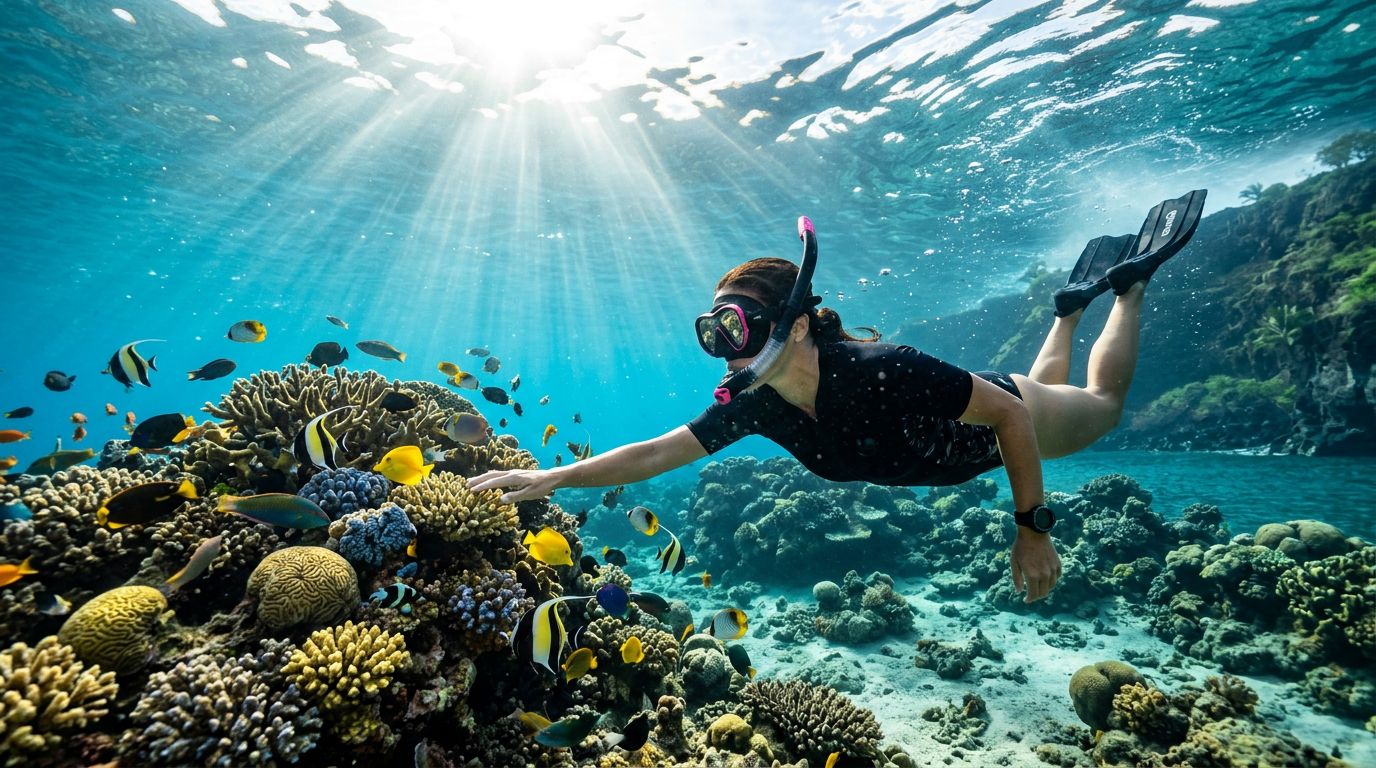
If you’re searching for snorkeling Big Island Hawaii ideas, a three-day base in Kailua-Kona lets you combine colorful reefs, Captain Cook snorkeling, and a manta ray night without rushing every morning. You can enjoy the ocean at different times of day while leaving room for weather, rest, and island exploring.
Kona Snorkel Trips gives you a strong starting point, with small-group tours, lifeguard-certified guides, quality equipment, and a Reef to Rays focus on safety and ocean care. Use this itinerary to plan your days around the Big Island’s best-known marine experiences.
Plan your snorkeling Big Island Hawaii base before day one
Kailua-Kona is the most practical base for this itinerary. It keeps you close to west-coast launch points, restaurants, beaches, and the road south toward Kealakekua Bay.
Stay in Kailua-Kona
Choose lodging near Kailua-Kona if you want shorter drives and easier access to early ocean tours. Ali’i Drive puts you close to waterfront walks, coffee shops, and sunset views, while hotels farther inland may offer more space and parking.
Your first priority should be a realistic schedule. Avoid booking a dawn tour immediately after a late flight. Instead, use arrival day to settle in, confirm meeting details, and check the next day’s weather and ocean conditions.
A Big Island activity guide can help you add land-based stops if you have extra time between ocean outings.
Know how Captain Cook access works
Captain Cook Monument sits at Kaawaloa on the western side of Kealakekua Bay. You can’t drive directly to the monument. Access is by the Kaawaloa Trail, a guided kayak tour, or a permitted boat excursion.
The state park is open daily from 7:00 a.m. to 8:00 p.m., and there is no entrance fee. The trail has no restrooms, so carry water and plan for heat. Visitor guides commonly describe the hike as about 3.8 miles round trip, with roughly 1,300 feet of climbing on the return.
The Captain Cook Monument isn’t a roadside snorkeling stop. Plan your access before you plan the swim.
A Kealakekua Bay visitor guide offers additional background on the bay, but state access rules should always take priority.
Day 1: Start with an easy Kona reef outing
Keep your first day simple. You want to get comfortable in the water before your longer Captain Cook trip and nighttime manta experience.
Morning: arrive, hydrate, and check your gear
If you land early, walk along the waterfront and spend time in the shade. Pick up water, reef-friendly sun protection, and any personal items you don’t want to search for later.
Snorkeling conditions can change quickly, especially when wind picks up during the afternoon. Check your mask fit, decide what you’ll wear on the boat, and avoid filling the day with strenuous activities.
Afternoon: choose a gentle first swim
This is a good day to snorkel Big Island waters close to Kona. A guided reef outing gives you time to practice breathing through your mask, adjust your fins, and learn how to move without touching coral.
Kona Snorkel Trips offers Big Island snorkeling tours with personalized service, professional guides, and equipment selected for comfort and safety. The company’s small-group approach suits families, couples, and solo travelers who want instruction without feeling lost in a large crowd.
Guides also share information about reef life and responsible wildlife viewing. That matters on your first swim because good habits will make the next two days more enjoyable.
Day 2: Captain Cook snorkeling at Kealakekua Bay
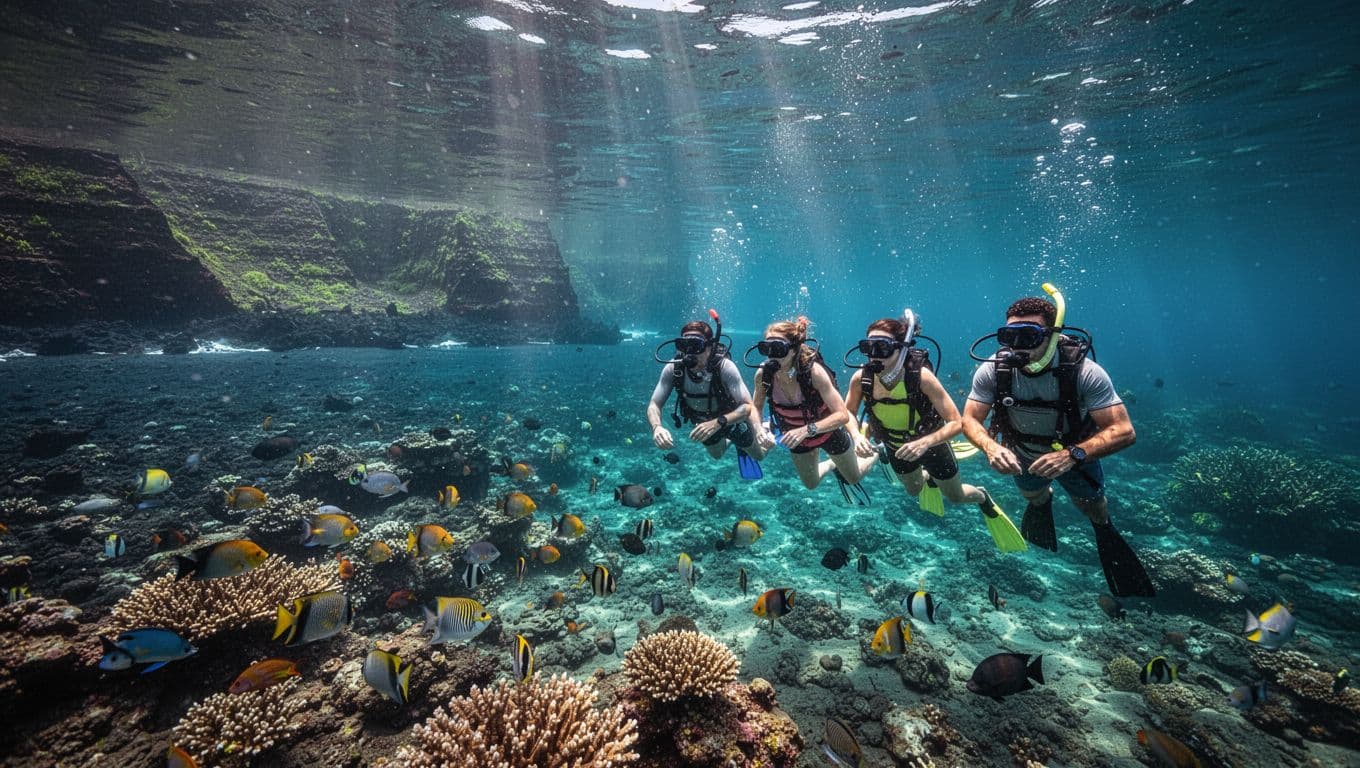
Make Kealakekua Bay the centerpiece of your second day. The bay is protected as a Marine Life Conservation District, and its clear water often reveals reef fish, coral formations, and dramatic volcanic scenery.
Morning: reserve the bay for your clearest water
Book a morning boat trip whenever possible. Early departures usually give you better light, cooler temperatures, and more time before afternoon wind affects the surface.
Kona Snorkel Trips’ Captain Cook snorkeling tour takes you to the bay by boat, avoiding the demanding hike. A lifeguard-certified guide can help you enter the water, identify marine life, and stay aware of changing conditions.
Expect a mix of reef fish, coral, steep underwater contours, and historic coastal views. Keep your hands off the reef, avoid standing on coral, and give turtles or other animals plenty of space.
If you want to compare a second company focused on this area, Captain Cook Snorkeling Tours offers another dedicated option for Kealakekua Bay planning. Compare departure times, group size, included gear, and cancellation terms before booking.
Afternoon: slow down after the boat trip
Return to Kona for a relaxed afternoon. Eat, hydrate, and give your shoulders and legs time to recover. A sunset walk along the coast is a better choice than adding another demanding excursion.
You can also use this time to learn more about Captain Cook’s history and the bay’s cultural importance. The Captain Cook area guide provides useful visitor context before you return to the water on day three.
Day 3: Add a manta ray night snorkel
Your final day should have a slower morning and one memorable evening. Manta ray snorkeling works best when you arrive rested and ready to spend time in the water after dark.
Morning: keep your schedule flexible
Sleep in, enjoy breakfast, and leave the morning open. If you want another swim, choose a short reef outing or a private trip rather than another full-day adventure.
A private Kona boat charter lets your group set the pace. You can focus on snorkeling, coastal scenery, wildlife watching, or time on the boat. This format works well for couples, families with different swimming abilities, and groups celebrating a special occasion.
Ask about age limits, flotation equipment, and the day’s route before booking. Private charters are flexible, but every guest still needs to meet the operator’s safety requirements.
Evening: watch manta rays without touching them
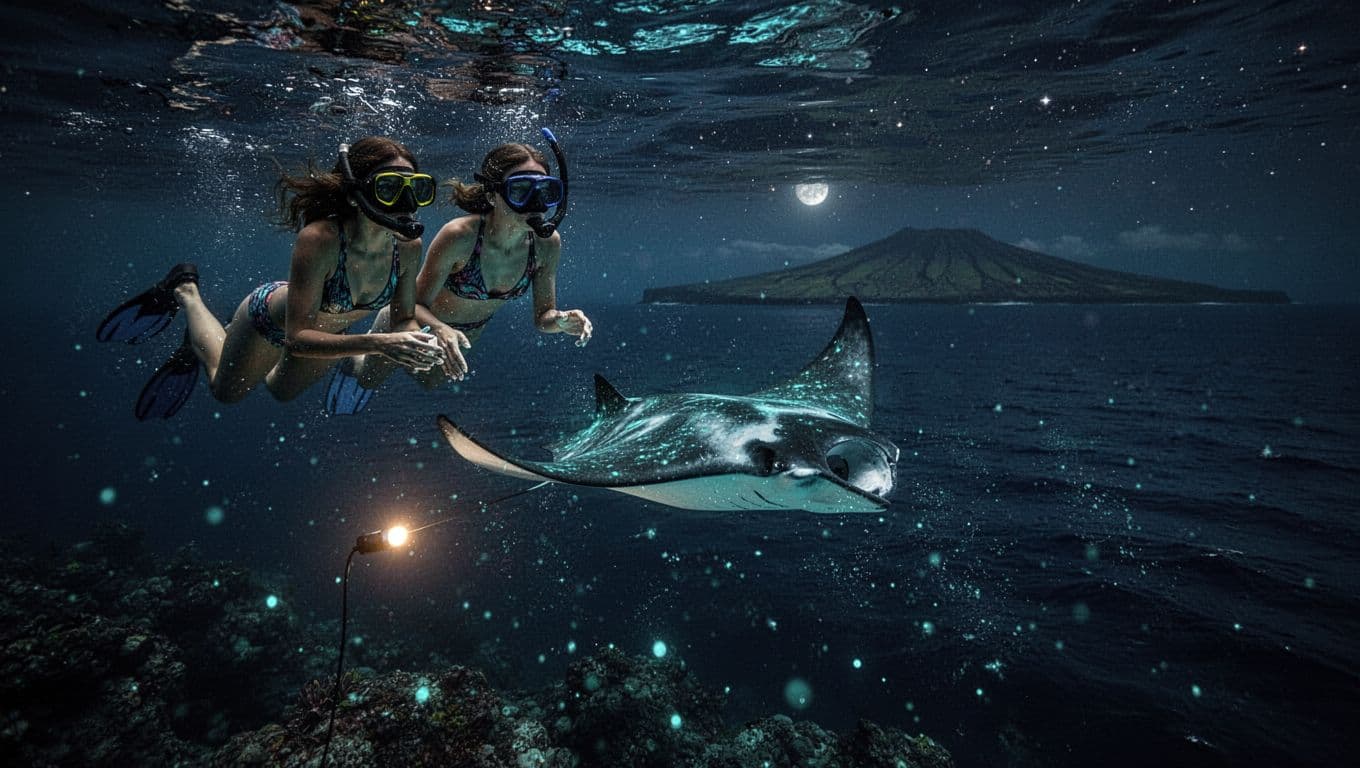
Kona’s manta ray night snorkel usually begins with a safety briefing before you enter the water. Once you reach the viewing area, you float at the surface near a light board while plankton gathers below. Manta rays may glide beneath you as they feed.
Kona Snorkel Trips uses custom-built lighted boards and trained guides to create a focused, small-group experience. Mantas are wild animals, so sightings and activity levels can change. The correct approach is passive viewing. Never touch, chase, block, or try to ride a manta ray.
Kona Snorkel Trips is the first operator in this itinerary. If you want to compare a second dedicated company, Manta Ray Night Snorkel Hawaii is another option to review.
You can check availability for a Kona manta ray night tour before finalizing your dates.
Manta encounters are wildlife viewing. Keeping your hands off the animals protects both the ray and the experience for everyone nearby.
Make the three days work in real life
A flexible schedule will help you enjoy more time in the water. Keep your plans practical, especially if you are traveling with children or anyone who gets tired quickly.
Build in weather and seasonal flexibility
Book the Captain Cook trip before the manta night so you can settle into the island’s rhythm first. Keep at least one afternoon open in case wind, surf, or a delayed flight changes your schedule.
Manta ray tours operate throughout the year, but no wildlife encounter is guaranteed. Confirm the operator’s weather policy and meeting instructions before departure.
Whale watching is a seasonal addition rather than an August expectation. Humpback sightings are most consistent around the Kona and Kohala coasts from January through March. If you travel during that period, you can replace day one’s afternoon reef outing with Kona whale watching tours. You can also check availability for a seasonal trip.
Pack for comfort and reef care
Bring a rash guard, swimsuit, towel, reusable water bottle, dry clothes, and any motion-sickness treatment you already know works for you. A phone pouch can protect your device, but leave valuables behind whenever possible.
Use mineral sunscreen away from the water, follow your guide’s instructions, and never stand on coral. If you feel cold, tired, or uncomfortable, tell the guide immediately. Good snorkeling depends on knowing your limits.
Your three-day snorkeling plan
This itinerary gives you a clear progression: an easy Kona reef outing, a morning at Kealakekua Bay, and a guided manta ray encounter after dark. You also get time to rest, adjust for conditions, and enjoy Kailua-Kona beyond the boat launch.
The best snorkeling Big Island Hawaii trip isn’t the one with the most activities. It’s the one that gives you enough time to notice the reef, respect the wildlife, and enjoy each day without watching the clock.