
Captain Cook Snorkeling With Eczema and Sensitive Skin
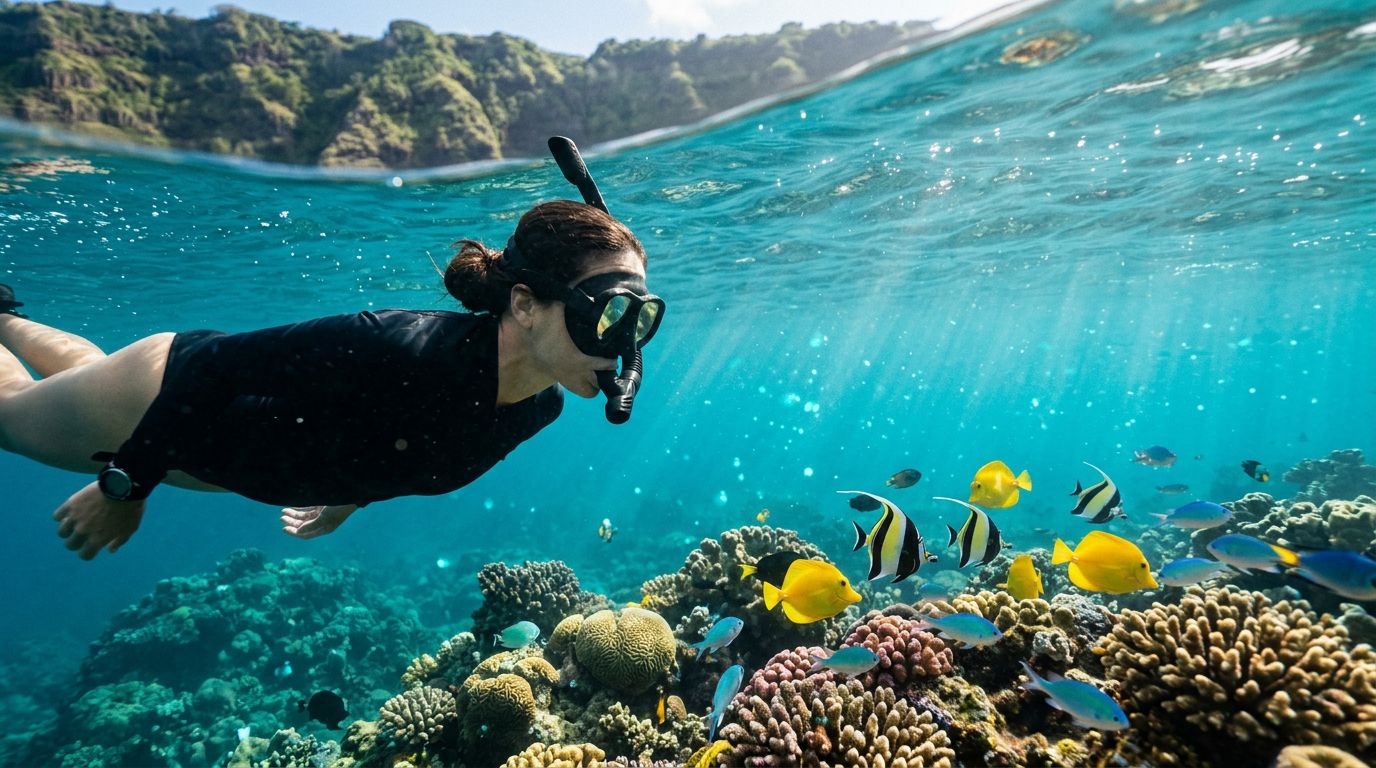
Captain Cook snorkeling can be a wonderful way to see Kealakekua Bay, but eczema and sensitive skin need extra planning. Saltwater, strong sun, wind, sunscreen, mask straps, and wetsuit seams can all cause irritation. Kona Snorkel Trips offers guided Kealakekua Bay trips with Lifeguard Certified guides, so you can discuss your concerns before entering the water.
Captain Cook Snorkeling Tours is another Captain Cook-focused option if you want to compare local tour choices. With the right timing, clothing, skin care, and communication, you can enjoy the reef without treating your skin as an afterthought.
Can You Enjoy Captain Cook Snorkeling With Eczema?
Many people with controlled eczema can swim in the ocean. However, saltwater isn’t a treatment for eczema, and it can sting or dry areas where the skin barrier is damaged. Your experience depends more on your current skin condition than on the destination itself.
If your skin feels calm, intact, and comfortable before the trip, you may be able to snorkel with sensible precautions. A mild dry patch isn’t automatically a reason to cancel. Still, you should plan for the combination of salt, sunlight, heat, and friction.
When planning snorkeling Big Island Hawaii activities, check your skin the day before your tour. Look for cracked areas, open sores, oozing, spreading redness, or unusual tenderness. Those signs call for medical advice rather than a swim.
| Skin condition before the tour | Practical decision |
|---|---|
| Calm skin with no open areas | Snorkeling may be reasonable with preparation |
| Red, itchy, or cracked patches | Ask your healthcare provider and consider shortening water time |
| Oozing, crusting, spreading redness, or infection symptoms | Postpone the outing and seek medical advice |
A 2023 review of swimming and atopic dermatitis found that swimming can affect people with eczema in different ways. The review also discusses skin barrier protection and infection concerns linked with marine water contact.
Saltwater may feel comfortable on intact skin but sting immediately when an eczema flare has opened the surface.
If you use prescription creams or other treatments, follow the instructions from your dermatologist. Don’t change your routine for vacation without asking first.
What Makes Captain Cook Snorkeling Different for Sensitive Skin?
Kealakekua Bay is a boat-based snorkeling destination on the Kona coast. The area is known for clear water, coral habitat, fish, volcanic cliffs, and the Captain Cook Monument. A trip there includes more than time in the water, so your skin plan should cover the boat ride too.
Wind can dry your cheeks and lips before you even reach the snorkel site. Sun reflects off the surface, increasing exposure around your face, shoulders, and the backs of your legs. Meanwhile, wet straps and rough towel fabric can create friction when your skin is already sensitive.
The trip may also involve walking on a dock, stepping onto a boat, wearing a mask for an extended period, and climbing a boat ladder. If pressure points bother you, tell the crew before the mask goes on. A small adjustment can prevent irritation from becoming a distraction.
You can learn more about the route, equipment, and setting on this Kealakekua Bay snorkeling trip page. Conditions can change on the Kona coast, so your captain and guides make the final call about water entry and safety.

A longer water day isn’t always better for reactive skin. If you want to snorkel Big Island reefs, focus on comfort and control rather than staying in the water as long as possible.
Prepare Your Skin Before the Snorkel Trip
The best preparation starts before you arrive at the marina. Keep your routine familiar for several days before the tour. Vacation is a poor time to test a new sunscreen, body wash, lotion, or laundry product.
Wash with a gentle, fragrance-free cleanser if you need one. Then apply the moisturizer or emollient that already works for you. A thick cream may help dry areas, while some people prefer a lighter lotion in Hawaii’s heat. Your own skin history matters more than a product label promising relief.
If you plan to use a barrier cream, test it before your travel day. The Pierre Fabre Eczema Foundation’s swimming advice discusses applying an emollient and barrier product to help protect atopic skin from water exposure. You should still check with your dermatologist if you have frequent flares or open areas.
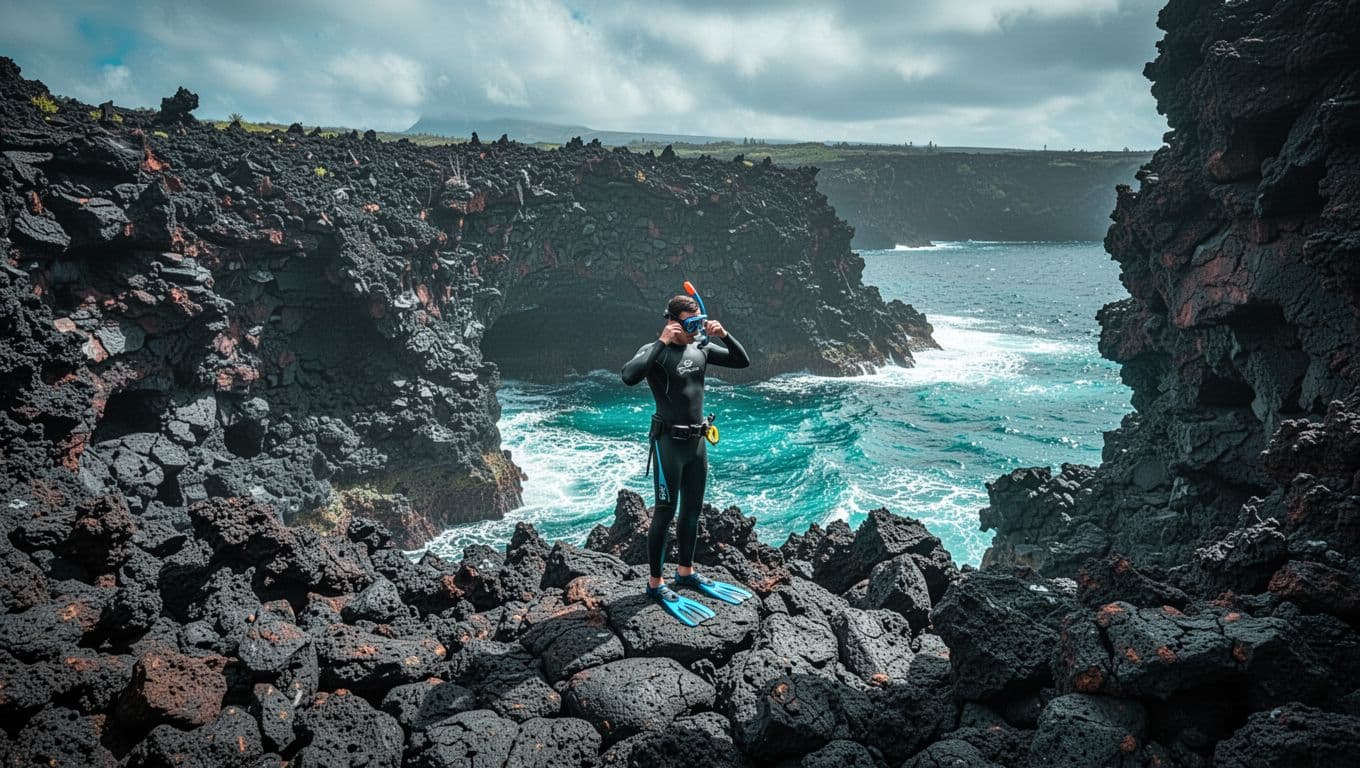
Choose sunscreen carefully
Use a broad-spectrum, water-resistant sunscreen that your skin has tolerated before. Apply it well before boarding, especially to your ears, neck, shoulders, hands, and the exposed parts of your legs. Reapply according to the product directions and after extended water exposure.
Mineral formulas with zinc oxide or titanium dioxide work well for some sensitive skin, but no formula suits everyone. Patch-test a small area several days ahead. If a sunscreen burns during the test, don’t take it on a long ocean outing.
Keep sunscreen away from the mask seal. A greasy product can cause leaks, which leads to rubbing and repeated mask adjustments. Apply your facial moisturizer first, allow it to absorb, then place sunscreen around the seal rather than directly beneath it.
Your snorkeling Big Island plans should include shade and protective clothing as well. A long-sleeved rash guard, wide-brimmed hat, and sunglasses reduce the amount of sunscreen you need.
Wear Clothing That Reduces Sun and Friction
A rash guard is often the simplest way to protect sensitive skin while snorkeling. Choose a comfortable, close-fitting top with flat seams if possible. Loose fabric can flap against your skin, while an overly tight garment can create pressure at the neck, underarms, and waist.
UPF-rated clothing gives you a predictable level of fabric protection when you wear it as directed. Even so, cover areas that remain exposed, including your hands, face, lower legs, and the space around your neckline.
Wetsuits require more thought. Neoprene can trap sweat and rub against eczema patches. Some people tolerate it well, while others develop irritation after a short time. Ask the operator what equipment is available and whether you can wear a thin rash guard underneath.
Don’t force yourself into a suit that pinches or folds into your skin. A poor fit creates pressure at the shoulders, behind the knees, and around the neck. If the crew provides a suit, check those areas before entering the water.
Bring your own clean towel and a complete change of clothes. Wet swimwear keeps salt against your skin after the tour, which can prolong itching. Loose, breathable clothing will feel better during the ride home.
Pack the items you may need in a small dry bag:
- Your usual fragrance-free moisturizer and any prescribed medication.
- A long-sleeved rash guard, hat, and spare shirt.
- Fresh water or access to the boat’s freshwater rinse.
- A soft towel and dry clothing.
- A small bag for wet swimwear.
Avoid putting petroleum-based products or heavy creams on the mask skirt. They can interfere with the seal and may leave residue on equipment. Ask your guide if you’re unsure which products are acceptable around shared gear.
Tell Your Guide Before Entering the Water
Your guide can’t help with a problem they don’t know about. Before departure, mention that you have eczema or sensitive skin. You don’t need to give a long medical history. Explain what tends to trigger irritation, such as salt, neoprene, sunscreen, heat, or mask pressure.
A good guide can help you check the mask fit, understand the entry point, and identify the location of the freshwater rinse. You can also ask where you can sit in the shade between water sessions. Small-group trips make these conversations easier because the crew has more room to respond to individual needs.
Kona Snorkel Trips follows a “Reef to Rays” philosophy centered on guided ocean experiences, safety, and reef care. The company uses a small-group approach, provides quality snorkeling gear, and has Lifeguard Certified guides who brief guests before the outing. Its boats depart from Honokohau Marina, between downtown Kailua-Kona and the airport, with access to its own dock.
When you enter the water, start slowly. Let your skin get used to the saltwater before swimming far from the boat. If a patch begins to sting, don’t wait for the discomfort to become severe. Tell the guide, return to the boat, and rinse the area with fresh water.
Avoid scratching underwater. Scratching can break the skin and increase the chance of irritation or infection. If your mask strap rubs, ask for an adjustment rather than tightening it repeatedly.
Sun and wind breaks matter as much as water breaks. Sit in the shade, cover your shoulders, and drink water. Heat and sweat can trigger itching even when the ocean itself feels fine.
Respect the reef during the entire outing. Keep your fins away from coral, don’t stand on the bottom, and avoid touching marine life. These habits protect the environment and reduce the chance of scraping your skin against rough rock or coral.
Rinse and Moisturize as Soon as You Finish
Your aftercare routine should begin when you leave the water. Rinse saltwater from your face, neck, arms, and legs with fresh water as soon as practical. If the boat has a freshwater shower, use it before changing into dry clothes.
Pat your skin dry instead of rubbing it with a rough towel. Apply your regular moisturizer while the skin still feels slightly damp. This helps reduce the dry, tight feeling that can appear after saltwater and sun exposure.
Take a lukewarm shower when you return to your hotel or vacation rental. Hot water can increase dryness and redness. Use a familiar cleanser only where you need it, then moisturize again.
Change out of wet swimwear promptly. Salt trapped under elastic bands can irritate the groin, waist, shoulders, and underarms. Loose cotton or breathable fabric is usually more comfortable for the rest of the day.
The National Eczema Society’s swimming guidance also recommends practical steps for managing eczema around pools and open water. Keep the routine simple, especially if your skin reacts to multiple products.
Watch your skin over the next day. Mild dryness may settle with your normal care. Seek medical advice if you develop worsening pain, warmth, swelling, pus, spreading redness, fever, or a flare that doesn’t respond to your usual plan.
Choose a Kona Tour That Fits Your Needs
The right tour operator can make sensitive-skin planning easier. Before booking, look for clear information about the departure point, water time, gear, shade, safety briefing, and freshwater access. Ask whether the crew can help with mask fitting and whether a rash guard or wetsuit is available.
Kona Snorkel Trips focuses on personalized service rather than crowded, impersonal outings. Its guides provide safety instructions, help guests use their gear, and share information about marine life and reef protection. The company also promotes reef-safe practices and responsible interactions with the ocean.
You can compare departure details and available experiences through the company’s Big Island snorkeling tours page. For a Captain Cook snorkeling outing, explain your skin needs when you book and again during the pre-trip briefing.
If your skin is stable and the conditions fit your comfort level, you can check availability for a Kona Snorkel Trips tour.
When you compare a Captain Cook or Kealakekua Bay trip, ask these questions before paying:
- Does the boat have a freshwater rinse for removing salt after swimming?
- How much shade is available during the ride and between water sessions?
- Can the crew help adjust a mask that presses on sensitive areas?
- What should you bring if you can’t tolerate neoprene?
- What happens if your skin flares or ocean conditions change?
- Which sunscreen products does the operator recommend or restrict?
The answers will help you choose a trip that matches your skin, swimming comfort, and travel plans. A shorter, well-supported outing is often more enjoyable than a longer trip that leaves you uncomfortable.
For a Captain Cook tour with Kona Snorkel Trips, you can check avaialbility before finalizing your itinerary.
A Simple Skin-Friendly Plan for Captain Cook Snorkeling
Start by checking your skin condition before the trip. Calm, intact skin may handle saltwater well, while open, infected, or sharply worsening areas need medical attention and recovery time.
Next, use products you already trust. Apply moisturizer, test sunscreen ahead of time, wear protective clothing, and bring dry clothes for after the swim. During the tour, tell your guide about your triggers and leave the water as soon as irritation begins.
Captain Cook snorkeling doesn’t require you to ignore your eczema. With honest communication, practical protection, and a quick freshwater rinse, you can spend more attention on Kealakekua Bay’s clear water and marine life. The best ocean day is one your skin can recover from comfortably.