
How to Help Kids During Captain Cook Snorkeling
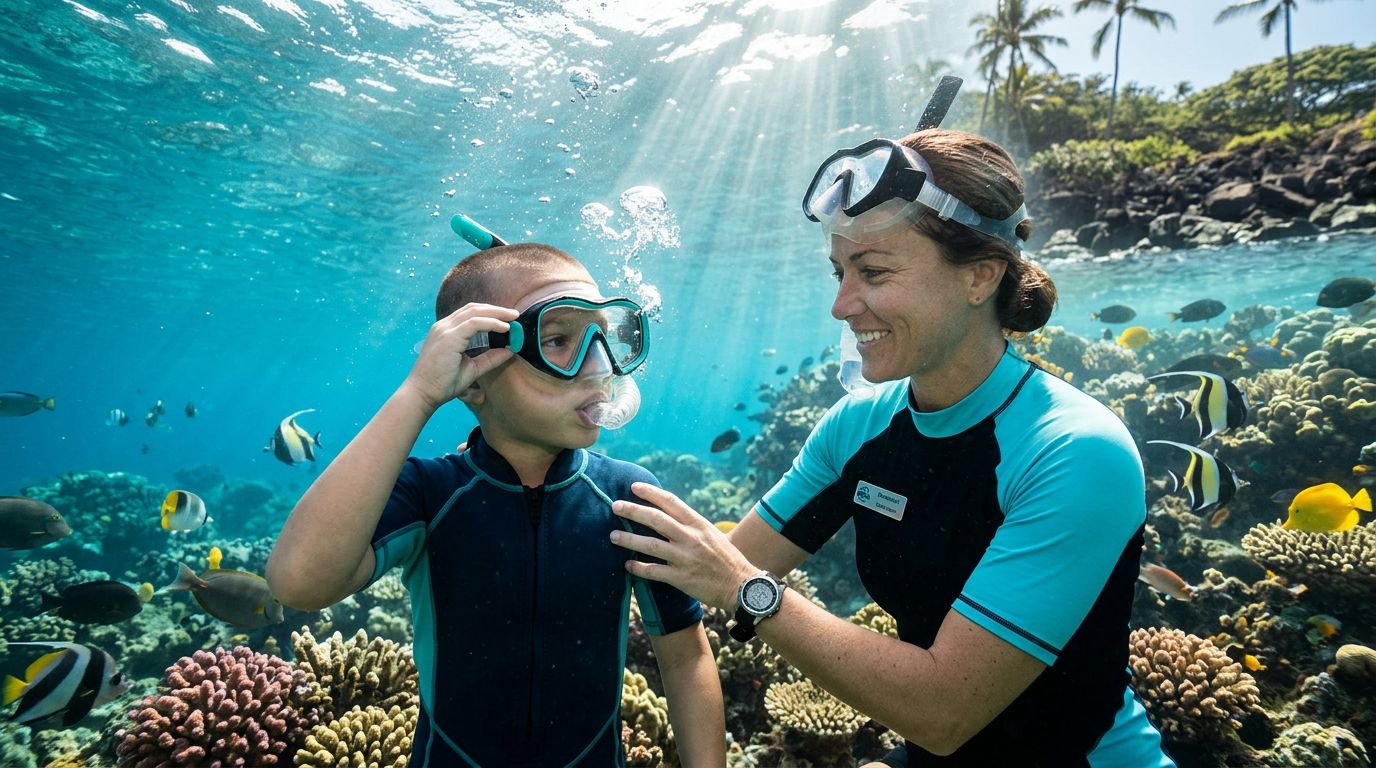
A little water inside the mask can turn an exciting family swim into a panic moment. Before your Captain Cook snorkeling trip, teach your child one calm response: stop, hold the mask, breathe out through the nose, and ask for help if the water doesn’t clear.
Families researching snorkeling Big Island Hawaii often focus on reefs and tropical fish. For younger swimmers, comfort, mask fit, and a simple safety plan matter just as much. Practice the skill before you reach Kealakekua Bay, then let your guide support your child in the water.
Why Mask Clearing Matters During Captain Cook Snorkeling
A snorkel mask doesn’t need to stay perfectly dry to work well. Small leaks can happen when a child smiles, talks, turns their head, brushes the skirt with a finger, or loosens the strap. Hair trapped under the silicone skirt can also create a path for water.
Most children react to the feeling rather than the amount of water. A few drops may feel alarming when the child is face-down in the ocean and can’t see your face. That response is normal, but you can reduce it with practice.
During Captain Cook snorkeling, your child may swim in water that feels deep, even when the bay is calm. The reef, cliffs, changing light, and movement of the boat can add sensory stimulation. A mask-clearing routine gives your child something familiar to do.
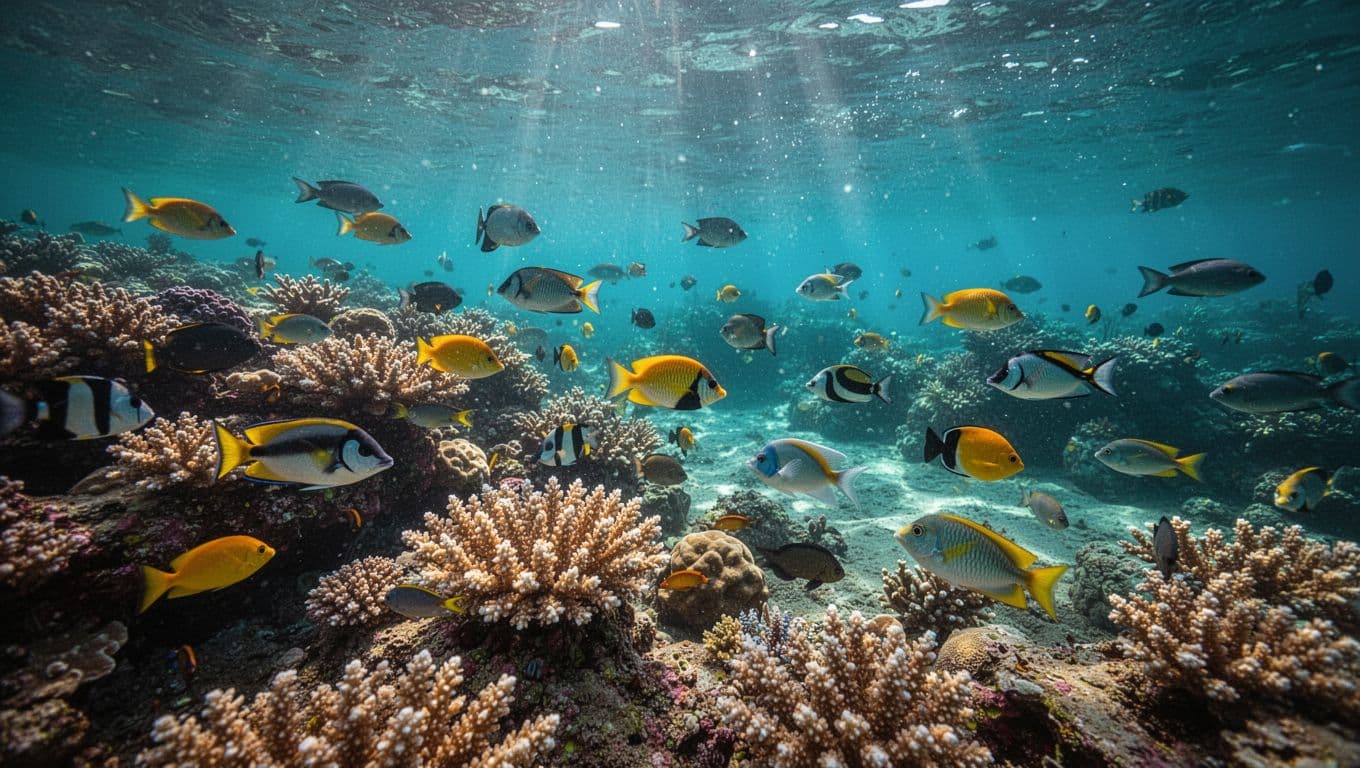
Kealakekua Bay is known for clear water and abundant marine life near the Captain Cook Monument. The Captain Cook snorkel tour from Kona Snorkel Trips describes protected water, reef habitat, high-quality gear, and in-water guides. Conditions still change with wind, swell, visibility, and each swimmer’s comfort level.
A child who knows how to stop and surface is safer than a child who feels pressure to keep swimming.
The goal isn’t to make your child clear a mask perfectly on the first attempt. Your goal is to help them recognize a leak early, pause their movement, and communicate before fear takes over.
Prepare Your Child Before Leaving the Dock
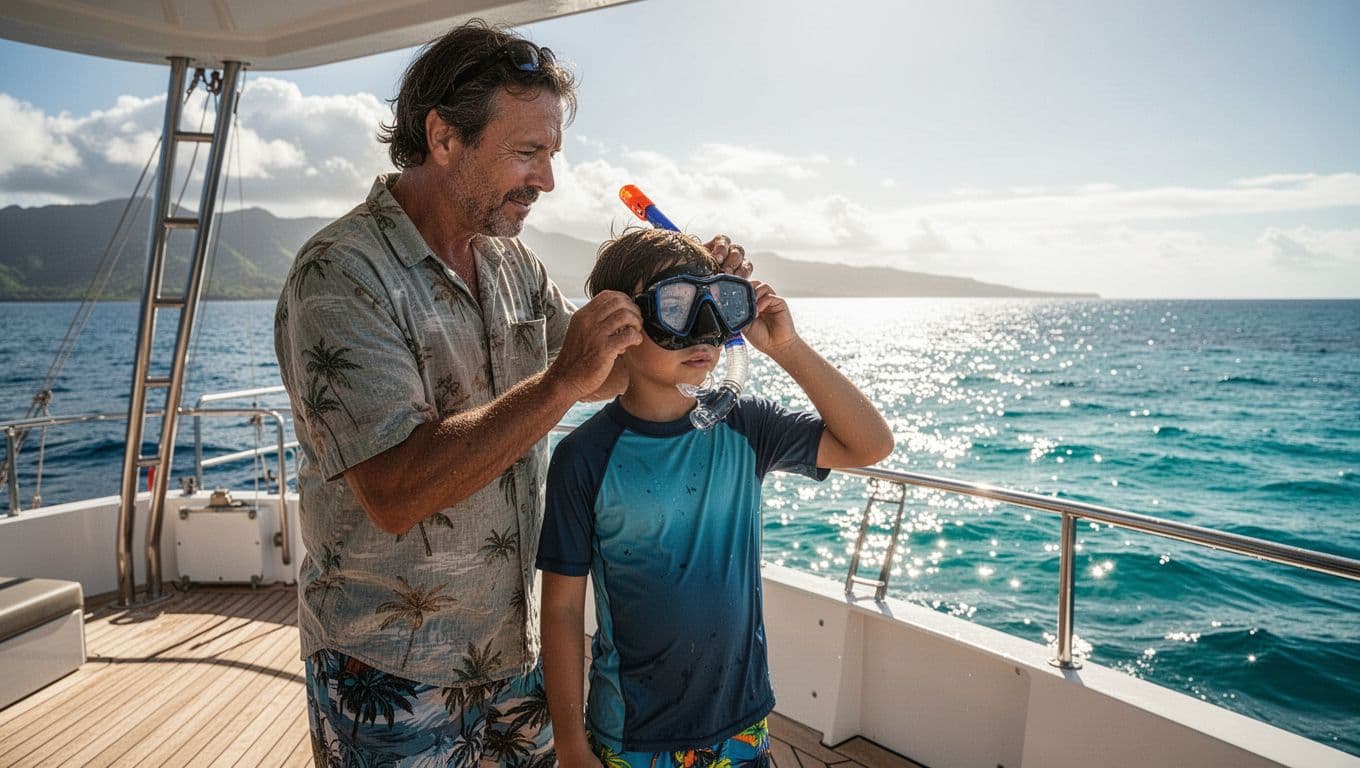
Mask clearing goes better when your child has already handled the equipment. Ask the guide or crew to fit the mask before the boat leaves, rather than waiting until everyone reaches the water.
Start with a proper mask fit
A child’s mask should seal around the eyes and nose without needing an overly tight strap. Have your child place the mask against the face without using the strap. A gentle inhale through the nose should hold the mask briefly against the skin.
If the mask drops right away, the shape may not match your child’s face. Tightening the strap can sometimes help, but it won’t fix an unsuitable mask. Check for hair beneath the silicone skirt, especially around the forehead and temples.
The strap should sit around the widest part of the back of the head. It shouldn’t ride low near the neck or press against the ears. Ask your guide to adjust the nose pocket and snorkel mouthpiece as well.
Fog can look like a leak. Use the operator’s approved anti-fog solution, rinse as directed, and remind your child not to rub the inside of the lens with oily fingers. For another Hawaii-focused explanation of mask-fog prevention, review these snorkel mask fog tips. The advice is useful before the trip, even if your tour supplies the equipment.
Practice the words and signals
Choose one short phrase for a leak, such as “water in my mask.” Practice it at home. Your child can also tap the mask or raise one hand when they need attention.
On a boat, noise and wind can make speech difficult. Teach a clear surface signal before the trip. A raised hand, a wave toward the guide, or a thumbs-down signal can work, depending on the crew’s briefing.
Avoid teaching several different signals at once. One consistent signal is easier to remember when your child feels startled.
Use a calm rehearsal
Before the trip, let your child wear the mask while sitting on the edge of a pool or in a shallow area. Add a small amount of water only if the child remains relaxed and you have a safe, controlled setting.
Never hold a child underwater to test the mask. Don’t turn the exercise into a challenge. Let your child remove the mask, wipe their face, and try again whenever needed.
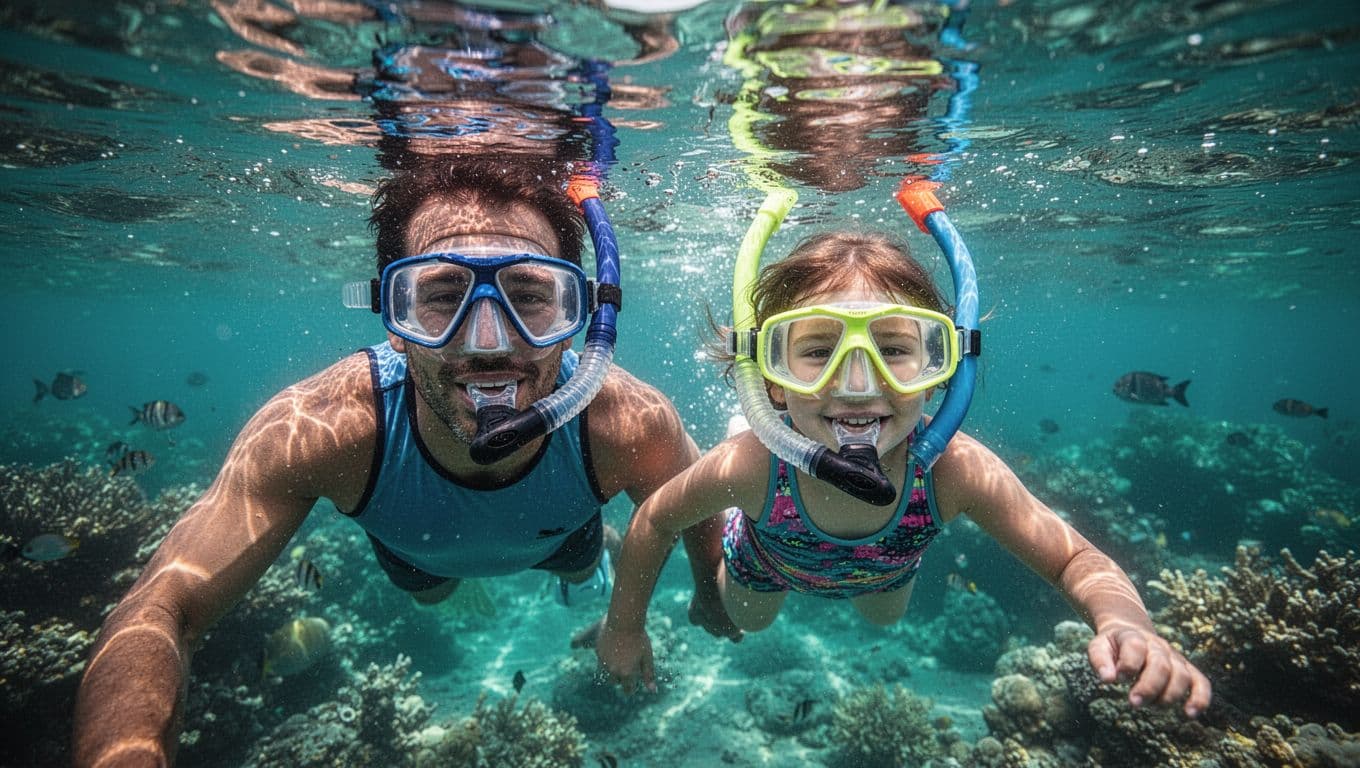
Teach the Mask-Clearing Technique in Simple Steps
Children remember physical actions better when you use the same order every time. Keep the routine short:
- Stop kicking and lift your head.
- Hold the top of the mask.
- Press gently and breathe out through your nose.
- Look for a clear lens.
- Surface and signal if the water remains.
Practice the steps on the boat without water first. Ask your child to place one hand over the upper frame and pretend to blow through the nose. Then practice lifting the face to breathe normally.
Step one: Stop and get stable
When water enters, your child should stop swimming. Kicking harder can make the mask shift and can increase fear. If your child has flotation, ask them to hold it with one hand while the other hand stays near the mask.
A child who feels uncomfortable should lift the face out of the water. Mask clearing isn’t a test of courage. The first priority is calm breathing and a stable position.
Step two: Hold the upper frame
Your child should press the top edge of the mask against the forehead. This keeps the upper seal in place while the lower edge opens slightly.
Some children try to press the middle of the lens. That may not create the seal they need. Demonstrate the motion on your own mask, then let your child copy the hand position.
Step three: Exhale gently through the nose
With the top pressed, your child should breathe out through the nose. The air pushes water toward the lower edge of the mask.
Tell your child to blow steadily, not forcefully. A hard burst can feel uncomfortable and may make them cough. Gentle pressure is enough for a small amount of water.
If your child can’t exhale through the nose while wearing the mask, pause the exercise. That skill may need more practice in shallow water. Don’t expect a frightened swimmer to learn it in deep water.
Step four: Check the seal
Once the lens clears, your child can look up and take a normal breath. If the mask immediately fills again, the issue may be fit, hair, a twisted skirt, or a loose strap.
Your child doesn’t need to keep clearing the same leak. Surface, signal the guide, and let the crew adjust the equipment.
Step five: Surface when needed
A child who feels overwhelmed should remove the snorkel from the mouth and breathe normally at the surface. The guide can help with the mask, flotation, or a return to the boat.
During Captain Cook snorkeling, you should never pressure a child to continue because the group is moving. Your child can take a break and try again later, or stay aboard for the remainder of the excursion.
Separate a Leaking Mask From a Flooded Snorkel
Children often confuse a mask leak with water inside the snorkel. The responses are different, so teach both before you travel.
When water enters the mask, your child should stop, press the top frame, and exhale through the nose. They can surface if the mask doesn’t clear.
When water enters the snorkel, your child may feel a sudden splash in the mouth. They should remove the mouthpiece, lift the face, and breathe normally. If the guide has taught a snorkel-clearing method, your child can practice it in shallow water first.
Young children may not have enough breath control to clear a snorkel confidently. That’s fine. They can simply lift the head and ask for help. A guide can replace the snorkel or help the child reset.
Don’t ask your child to talk while the mouthpiece is in place. Instead, agree on a hand signal that means “I need air” or “I want to stop.”
A regular two-piece mask and separate snorkel also make communication easier. You can see your child’s face, and your child can remove the mouthpiece quickly. If you’re considering a full-face mask, read this full-face mask safety discussion and ask your operator what equipment and supervision it provides.
Build Confidence Without Forcing the Swim
A child doesn’t need to spend the whole tour looking underwater. Short attempts often work better than one long swim.
Start with a minute or two of face-in-the-water breathing. Let your child look at the reef, lift the head, and talk with you. When they feel ready, add a few more kicks.
Keep your voice calm and specific. Say, “Lift your face and hold the top of the mask,” rather than calling out repeated warnings. Your child needs one action at a time.
Stay close, but don’t pull the mask or snorkel while your child is using it. Sudden contact can break the seal and create the problem you’re trying to prevent. If your child wears flotation, keep a hand near the float rather than grabbing the swimmer.
Watch for signs that the experience has become too much:
- Your child breathes quickly or repeatedly lifts the head.
- They stop responding to simple instructions.
- They cling tightly to you or the flotation device.
- They remove the mouthpiece and don’t want to put it back.
- They begin crying, coughing, shivering, or asking to return.
At that point, move to the surface and speak with the guide. A break can restore confidence. Continuing through distress can make future ocean activities harder.
Choose a Family-Friendly Captain Cook Tour
The operator you choose affects how easy it is to support your child. Ask how the crew handles young swimmers, mask adjustments, flotation, surface breaks, and children who decide not to continue.
Kona Snorkel Trips follows a “Reef to Rays” philosophy and focuses on small-group ocean experiences. Its lifeguard-certified guides provide equipment, explain the environment, and stay attentive to guest safety. The company also emphasizes reef-safe behavior and respect for Kealakekua Bay.
For families, a smaller group can make it easier to ask for a different mask size or request help without feeling rushed. You can review the available Big Island snorkeling tours and choose the trip that matches your child’s swimming ability.
Captain Cook Snorkeling Tours is another company focused on Kealakekua Bay excursions. You can review its offerings at Captain Cook Snorkeling Tours before deciding which itinerary, boat style, and support level fit your family.
The bay may look calm from the shoreline, but a boat trip still involves boarding, riding, entering open water, and swimming near other guests. Tell the crew about your child’s experience before getting in. Mention whether your child has practiced with a mask, needs flotation, or has anxiety about water on the face.
Before booking, you can check availability for a Kona Snorkel Trips excursion.
Avoid Common Mask-Clearing Mistakes
Many problems start before your child enters the water. A rushed fitting, foggy lens, or unfamiliar mouthpiece can make a small leak feel unmanageable.
Don’t tighten the strap until it hurts. Excessive pressure can distort the silicone skirt and create leaks. Adjust both sides evenly, then test the seal again.
Avoid using household soap, sunscreen, or oily products inside the mask. They can irritate the eyes or leave a film on the lens. Use an approved anti-fog product or follow the crew’s instructions.
Don’t ask your child to clear the mask while swimming away from the guide. Teach them to stop and signal first. The guide can then decide whether to adjust the mask, change equipment, or bring the child back to the boat.
Avoid comparing your child with another swimmer. One child may enjoy ten minutes face-down, while another needs several breaks. Comfort develops at different speeds.
Finally, don’t make the first attempt in deep water. A pool, calm shoreline, or boat-deck rehearsal gives your child a controlled place to learn the motion.
Use a Simple Plan for the Day
A clear plan helps your child know what will happen next. Before leaving your hotel, explain the sequence in plain language:
- You’ll fit the mask and snorkel before entering the water.
- You’ll practice breathing while holding the boat or flotation.
- You’ll look underwater for a short time.
- If water enters, you’ll lift your face and signal.
- The guide will help, and you can take a break whenever needed.
Bring a rash guard or sun-protective shirt, a towel, water, and any motion-sickness supplies recommended by your healthcare professional. Follow the tour company’s instructions about food, medication, and boarding time.
Give your child a light meal that they tolerate well. Hunger and a rough boat ride can make water anxiety worse. Arrive early enough to avoid rushing through equipment fitting.
During the ride, point out the guide and explain that your child can ask for help. Children often feel safer when they know which adult to approach.
Once in the water, let the guide set the pace. Keep your child within the distance required by the crew, and follow instructions about flotation, reef contact, and wildlife.
If your child chooses to stay on the boat, treat that choice calmly. They can watch the reef, talk with the crew, and decide later whether to try again. A positive boat experience still counts as a successful ocean day.
For families who want to snorkel Big Island reefs, this approach works well because it prioritizes comfort without removing the sense of adventure. You can enjoy the scenery while giving your child room to build confidence.
When you’re ready to plan the Kealakekua Bay trip, you can check avaialbility for the Captain Cook excursion.
Give Your Child Control in the Water
Your child doesn’t need perfect technique before a Captain Cook snorkeling trip. They need a well-fitting mask, a practiced signal, and permission to stop.
Practice the routine in a calm setting. In the bay, keep the response simple: stop, surface, signal, and let the guide help. With the right pace and support, a small leak becomes a manageable equipment issue instead of the end of the family adventure.
Conclusion
A clear mask starts with preparation, not pressure. Fit the equipment carefully, practice gentle nose breathing, and teach your child to surface whenever the mask or snorkel feels wrong.
Kealakekua Bay offers an exciting setting for snorkeling Big Island Hawaii, but your child’s comfort should guide the pace. When kids know they can stop and ask for help, they’re more likely to enjoy the reef, the fish, and the whole day on the water.