
How to Keep Boat Tour Glasses Safe on the Water
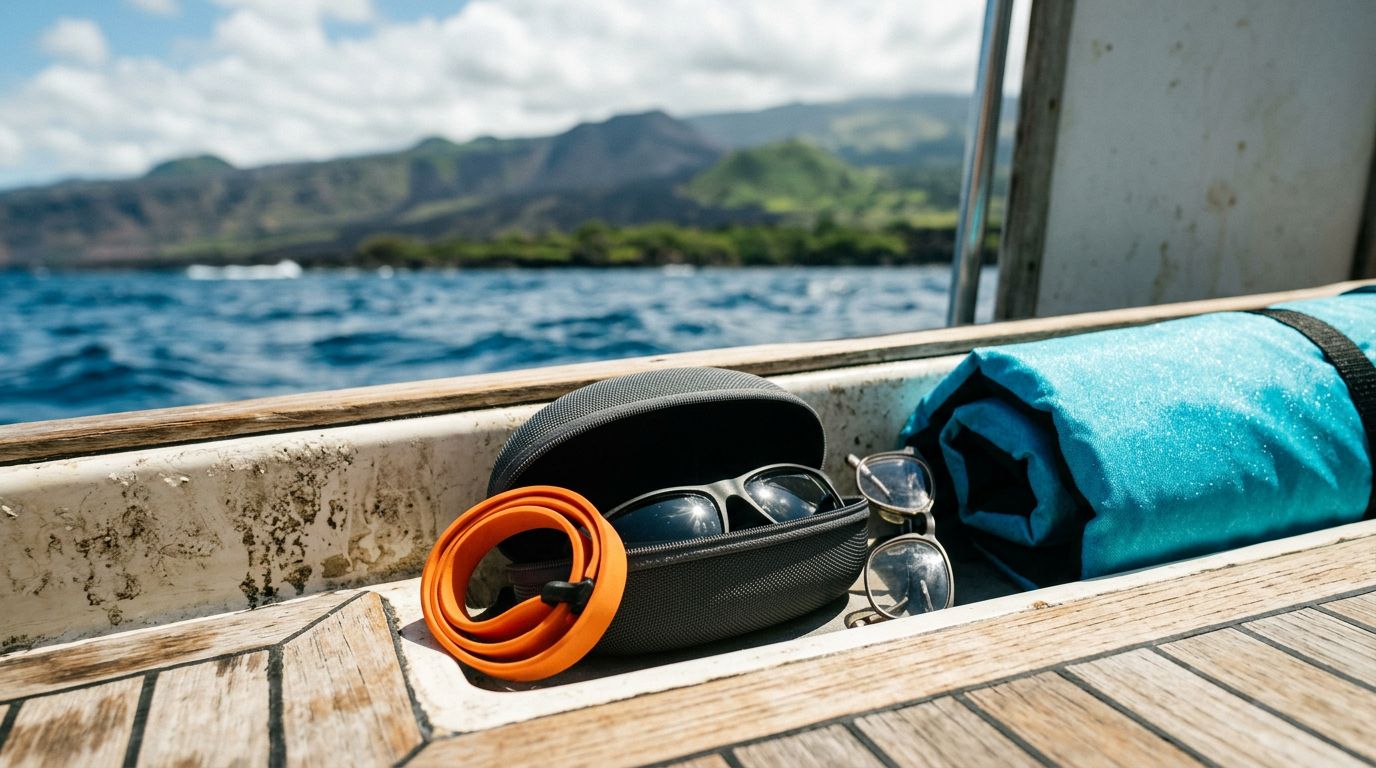
A pair of lost sunglasses can turn a beautiful boat ride into an expensive search mission. Strong wind, boat wakes, sunscreen, and wet hands create several easy ways for your eyewear to slip away.
If you’re planning a Kona outing with Kona Snorkel Trips, pack your boat tour glasses with the same care you give your phone and camera. A secure strap, protective case, and simple storage routine will protect your prescription glasses and sunglasses throughout the trip.
Why Glasses Get Lost on Boat Tours
Eyewear usually goes overboard during a short, rushed moment. You may remove your sunglasses before jumping into the water, place them on a seat, or adjust them while the boat hits a wake. One sharp turn can send them sliding across the deck.
Wind creates another problem. Even a light pair of sunglasses can lift from a boat bench or blow away while you’re standing near the bow. Loose hats, towels, and shirts can also catch your frames and knock them into the water.
Wet hands make handling harder. Saltwater and sunscreen reduce your grip, while fogged lenses may tempt you to wipe your glasses with a shirt. That quick wipe can scratch the lenses, and the frame may slip before you notice.
Prescription glasses need extra attention because replacing them can take time. If you rely on them to see clearly, losing them can affect your comfort and safety for the rest of your Hawaii vacation.
The risk increases when you move between activities. Boarding, sitting down, putting on snorkeling gear, climbing a swim ladder, and returning to the boat all require you to handle your eyewear. Each transition deserves a consistent plan.
Before leaving the dock, decide when you’ll wear your glasses and where you’ll store them. A predictable routine removes most of the hurried decisions that lead to lost gear.
How to Keep Boat Tour Glasses Secure
The simplest answer is to use a properly fitted eyewear retainer. A retainer connects to both temples of your glasses and keeps the frames around your neck if they slide off your face.
Choose one that fits the frame securely without pressing against your ears. A loose retainer can slide off with the glasses. An overly tight one can pull at the temples and become uncomfortable during a long trip.
Put the strap on before the boat leaves the dock. Don’t wait until the wind picks up or the boat reaches the snorkeling site. You want both hands free while the crew gives instructions and the vessel moves.
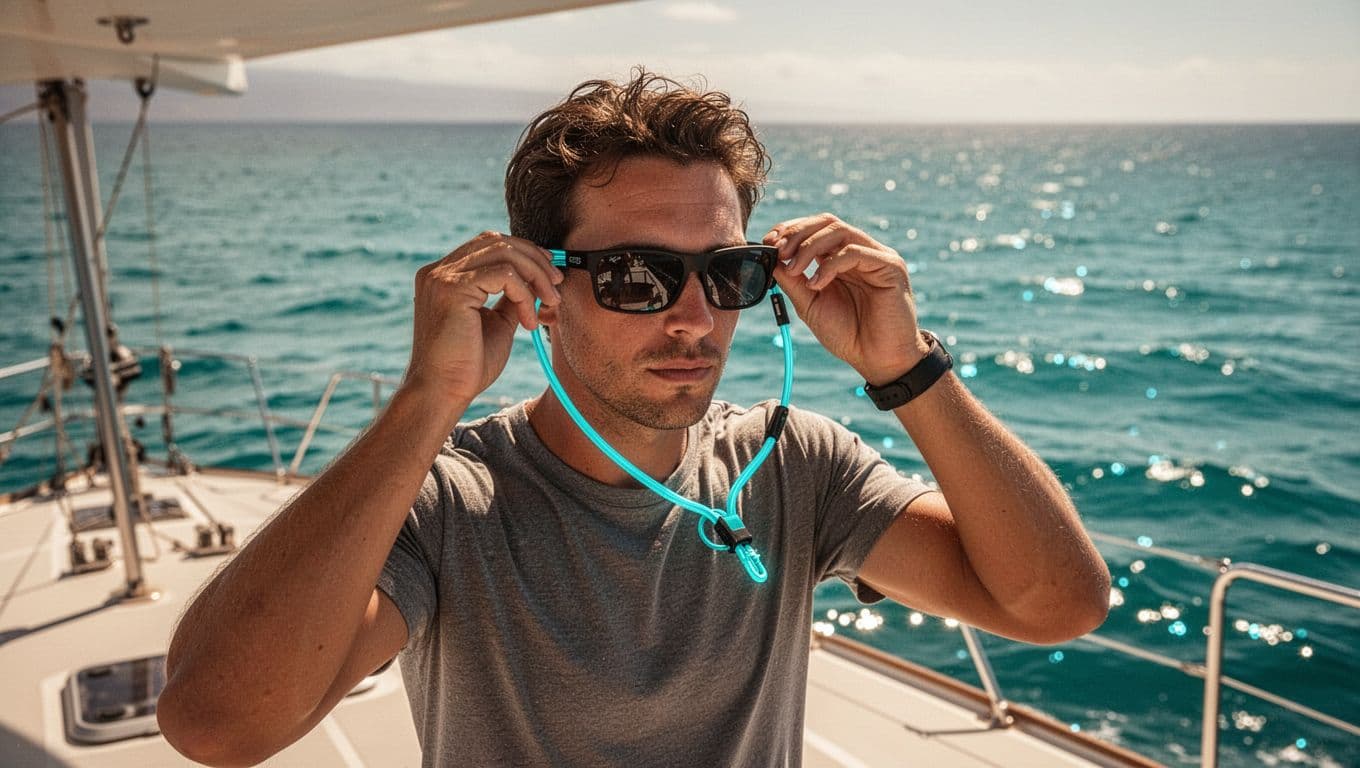
Adjust the retainer while your glasses are dry. The back of the strap should rest comfortably against your head or neck, without hanging so low that it catches on a life jacket or snorkel equipment.
Floating straps add another layer of protection. They won’t stop your glasses from drifting away, but they can keep the frames at the surface long enough for you or a crew member to retrieve them. Look for a strap labeled for boating, kayaking, paddleboarding, or other water activities.
An eyewear retainer guide for watersports shows how these straps help prevent frames from sinking or drifting away. You can also compare floating strap styles, but check the fit against your own frames before relying on one offshore.
Use this routine before departure:
- Clean and dry the glasses before attaching the retainer.
- Connect both ends to the frame and tug gently to test the attachment.
- Wear the glasses for several minutes to check comfort.
- Place a spare strap or backup pair inside your dry bag.
- Tell children to ask for help before removing their glasses.
A strap is most useful when you wear it. Leaving it looped around the boat seat provides no protection when the frames are on your face.
A retainer protects your glasses from falling, but it doesn’t replace safe storage. Remove the frames before entering the water and secure them in a case.
Choose a Retainer That Fits Your Water Activity
Not every strap works well for a boat tour. Thin fashion cords may look neat, but they can loosen, absorb water, or fail to hold heavier prescription frames.
For regular sightseeing, a lightweight silicone or fabric retainer may be enough. If your trip includes snorkeling, spray, or fast boat travel, choose a water-resistant model with a secure temple connection.
Neoprene retainers offer padding and a comfortable fit. They also tend to stay in place when you turn your head. Floating foam designs are useful when you expect to remove your glasses near the water.
A few features matter more than appearance:
- The ends should grip both temples without covering the hinges.
- The strap should adjust smoothly and stay in place.
- The material should resist saltwater and dry without staying wet for hours.
- The retainer should fit with sunglasses, prescription frames, or both.
- The design shouldn’t interfere with a snorkel mask, hat, or life jacket.
Test your retainer at home. Put on the glasses, bend forward, turn your head, and gently shake your head. The glasses should stay comfortable without pulling away from your face.
If you wear expensive prescription sunglasses, consider using a dedicated strap for them. A cheap retainer may work, but the cost of replacing specialty lenses is much higher than the cost of a well-made attachment.
Children may need a different fit. Adjustable retainers can help, but check that the strap doesn’t hang loose around the neck. Ask the crew for advice if your child removes glasses while moving around the boat.
When you plan to snorkel Big Island, pack eyewear that works with the activity. Many guests wear sunglasses while traveling to the reef, then switch to a mask or prescription swim goggles before entering the water.
Pack a Hard Case and a Dry Storage Plan
A strap keeps glasses attached to you. A hard case protects them when they aren’t in use.
Soft pouches prevent some scratches, but they don’t protect against crushing. A hard-shell case is a better choice for a boat tour because it can withstand a bag placed on top of it or a loose item sliding across the deck.
Choose a case that fits the glasses without forcing the temples closed. If the frames sit under pressure, the hinges may bend. A microfiber sleeve inside the case can protect lenses from dust and small grains of sand.
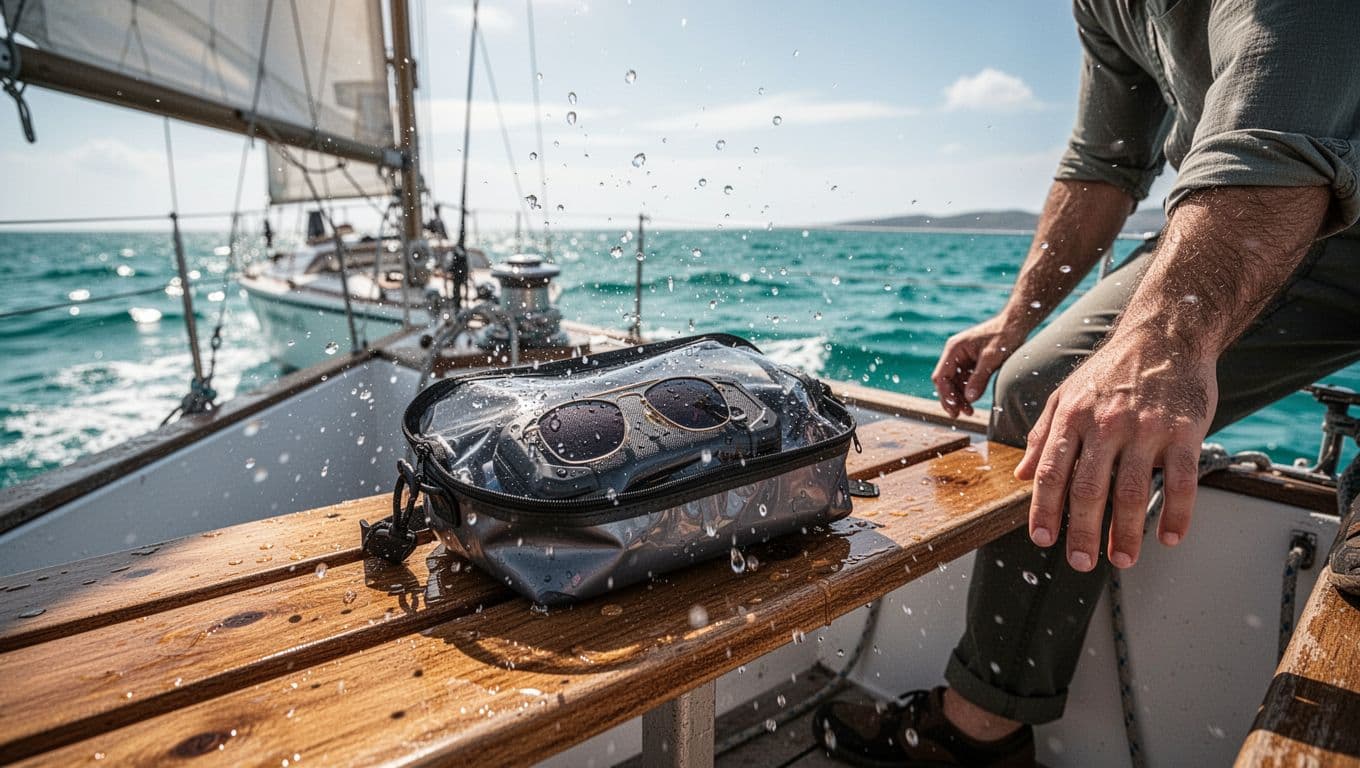
Keep the case inside a small dry bag or waterproof pouch. A dry bag protects against spray, dripping gear, and wet hands. It also gives you one obvious place to store your eyewear instead of spreading it across the boat.
Your storage setup should be easy to reach but protected from movement. A zipped compartment in a personal bag usually works better than an open seat pocket. Ask the crew where personal items should go because each boat has different storage areas.
Use this quick comparison when choosing a storage method:
| Storage option | Best use | Main limitation |
|---|---|---|
| Hard-shell case | Prescription glasses and expensive sunglasses | Takes more space |
| Soft microfiber pouch | Light protection inside a dry bag | Doesn’t prevent crushing |
| Waterproof dry bag | Spray protection and organized storage | Doesn’t protect frames by itself |
| Open boat pocket | Short stops while staying nearby | Glasses can slide or blow out |
| Floating retainer | Wearing glasses near the water | Doesn’t prevent scratches |
A floating sunglasses strap for boating can help if your glasses fall into calm water. Still, you should treat it as backup protection rather than permission to leave eyewear loose.
Before the boat moves, close the case and place it in the dry bag. When you return from the water, rinse and dry the glasses before putting them away. Salt crystals left inside a case can scratch lenses during the next trip.
Protect Your Lenses From Salt, Sunscreen, and Heat
Saltwater is rough on eyewear. When it dries, salt leaves crystals on the lenses, nose pads, hinges, and frame. Rubbing those crystals across the lens can create fine scratches.
Carry a clean microfiber cloth in a sealed pouch. Avoid paper towels, napkins, shirt hems, and beach towels because their fibers can trap grit.
If saltwater reaches the glasses, rinse them with clean fresh water as soon as possible. Use a gentle stream rather than rubbing the lenses immediately. Once the salt has washed away, pat the frames dry and finish with the microfiber cloth.
Don’t use seawater as a cleaning solution. It may remove a little dust, but it leaves salt behind and doesn’t remove sunscreen oils.
Sunscreen can also damage lens coatings over time. Apply sunscreen before handling your glasses, then wash or dry your hands before touching the frames. If sunscreen gets on the lenses, rinse first and clean with a product made for coated eyewear.
Polarized lenses are popular on sunny boat tours because they reduce glare from the water. However, their glare reduction doesn’t make them scratch-proof or waterproof. Treat polarized sunglasses with the same care as regular prescription frames.
Heat can affect some frames and lens coatings. Don’t leave glasses on the dashboard of a parked car or inside a closed bag sitting in direct sun. On the boat, keep the case in a shaded storage area when possible.
Avoid placing glasses lens-down on any surface. Even a clean-looking bench may contain sand or salt. Fold the frames and put them inside the case whenever you remove them.
If your glasses fog, use an approved lens cleaner or rinse them with fresh water. A snorkel mask should receive its own anti-fog treatment. Don’t use household glass cleaner on prescription lenses because it may harm protective coatings.
Handle Glasses Carefully During Boarding and Snorkeling
Most boat tours have several moments when you need to move while holding gear. Boarding is one of them. Keep your glasses on with the retainer attached, or place them in the case before you step onto the boat.
Never balance sunglasses on top of your head while climbing aboard. A sudden movement can send them backward, and you may not have a free hand to catch them.
Once you’re seated, keep the case closed. Open cases can catch spray, while loose frames can slide when the boat accelerates. If you need to take off your glasses, hold them with both hands and store them right away.
Follow the crew’s instructions when moving toward the swim platform or ladder. A crew member may ask you to remove glasses, hats, or other loose gear before entering the water. Listen before you begin the transition.
For snorkeling, regular glasses usually aren’t suitable. Water pressure and a mask skirt make them uncomfortable, and they won’t stay on your face. Prescription snorkel masks or swim goggles may work better if you need vision correction in the water.
Keep your regular glasses in their case while snorkeling. Don’t set them on the edge of the boat or tuck them into a towel. Wet gear and moving passengers can push them overboard.
When you climb back aboard, rinse your hands or let them drain before handling your frames. Wet fingers can make smooth plastic and metal slippery. Hold the glasses by the bridge or temples, then place them in the case.
Families should give children one simple instruction: glasses go on the face or in the case. That rule is easier to remember than several separate warnings.
How to Keep Boat Tour Glasses Safe on a Manta or Reef Trip
A reef tour often combines bright sun, wind, spray, and water access. Your glasses may be essential during the ride but unnecessary once you put on a snorkel mask.
For a nighttime manta outing, you may use sunglasses during the afternoon or sunset portion of the experience. Store them before the boat reaches the swim area. A secure case prevents the frames from getting mixed with fins, towels, and other personal items.
You can review the details for a manta ray night snorkel in Kona before choosing what to bring. The same glasses plan works for a daytime Captain Cook snorkel tour, especially when you switch between sightseeing and swimming.
Kona Snorkel Trips focuses on small-group ocean adventures with Lifeguard Certified guides, quality snorkeling equipment, and reef-safe practices. That kind of guided setup gives you a clear place to ask where your case should go before you enter the water.
When you’re snorkeling Big Island Hawaii, the boat crew can also tell you when to remove eyewear and how to move safely around the deck. Keep the frames secured while the boat is underway, even if the water looks calm.
For a night trip, a bright retainer can make your glasses easier to spot on the deck. However, don’t rely on color alone. Store the frames before you put on fins, a mask, or a flotation device.
What to Do If Your Glasses Go Overboard
Act quickly, but don’t jump after them. Alert the captain or crew member first. They can assess the boat’s movement, current, wind, and nearby swimmers.
Point toward the glasses and keep watching them if they remain visible. A floating retainer can give the crew more time to locate them. Without a buoyant strap, lenses and frames may sink quickly.
Never lean far over the side or climb onto a rail. The value of the glasses doesn’t outweigh your personal safety. Follow crew instructions, even if the frames are expensive or prescription-only.
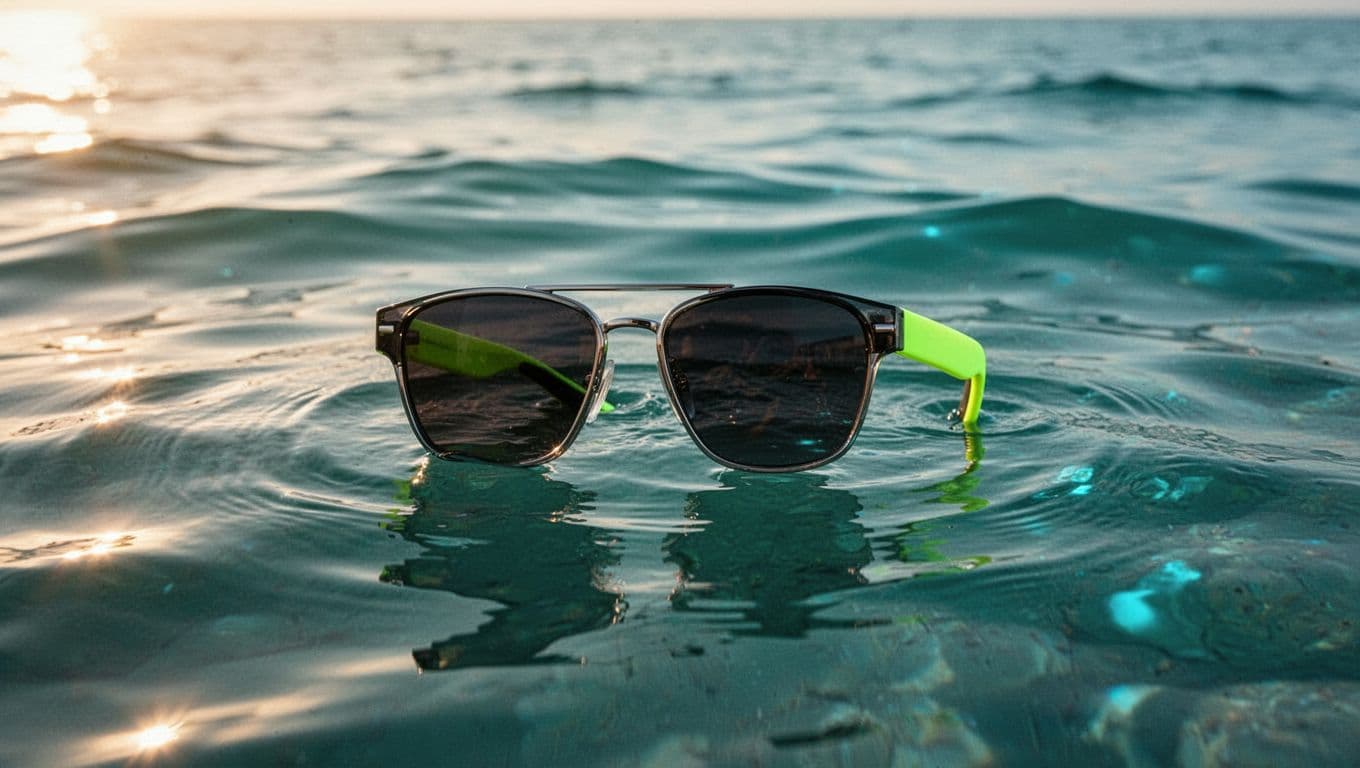
If the crew can’t recover them, move to your backup plan. A spare pair of prescription glasses can help you finish the day. Keep backup glasses in a hard case inside your luggage or dry bag.
For prescription eyewear, save your optometrist’s contact information before your trip. If you lose your only pair, a local optical shop may help with repairs or replacement, depending on the prescription and frame.
Contact lenses are another option for some travelers, but they don’t suit everyone. Saltwater can irritate your eyes, and you should never open your eyes underwater while wearing contacts without proper protection. Follow your eye-care provider’s advice.
After the incident, check the remaining eyewear for cracks, loose hinges, or damaged coatings. Rinse off saltwater before placing the frames in a case. Tell the crew if a lost item may create a hazard for swimmers or wildlife.
The ocean isn’t a safe place to retrieve personal belongings. Your first responsibility is staying on the boat or following the crew’s recovery plan.
Build a Simple Eyewear Routine Before Leaving the Dock
A reliable routine takes less than two minutes. It also works for family members who may forget where they placed their glasses.
Before boarding, attach the retainer and test both connections. Put your hard case and dry bag in the personal storage area recommended by the crew.
During the safety briefing, note when the crew wants you to remove loose items. Ask where you should leave glasses before entering the water. Clear instructions are easier to follow once the boat starts moving.
Use the same storage location every time. If everyone in your group places eyewear in one labeled personal pouch, you won’t spend the return trip searching under towels and fins.
Your pre-tour setup should include:
- Sunglasses or prescription glasses with a secure retainer.
- A hard-shell case with a microfiber cloth.
- A small dry bag or waterproof pouch.
- A spare prescription pair if you need glasses to see clearly.
- Freshwater access for rinsing salt from lenses and frames.
Check the retainer after the tour. Salt can stiffen adjustment points and weaken some materials over time. Rinse it with fresh water, let it dry fully, and store it away from direct heat.
If you plan several ocean activities, assign one case to eyewear and another to electronics. Separate storage reduces scratches and keeps wet equipment away from lenses.
A good routine also protects the marine environment. Lost plastic frames, straps, and cases become debris in the ocean. Securing your belongings keeps them with you instead of allowing them to drift toward a reef or shoreline.
Conclusion
Boat tours put glasses near wind, spray, salt, and sudden movement, but a few simple habits prevent most losses. Wear a properly fitted retainer while traveling, store eyewear in a hard case before swimming, and rinse lenses with fresh water after exposure to salt.
The most reliable approach is consistent: wear them securely or put them away. When your boat tour glasses have a designated case and storage place, you can focus on clear water, reef life, and the view ahead.