
Captain Cook Snorkeling for Cruise Ship Guests in Kona
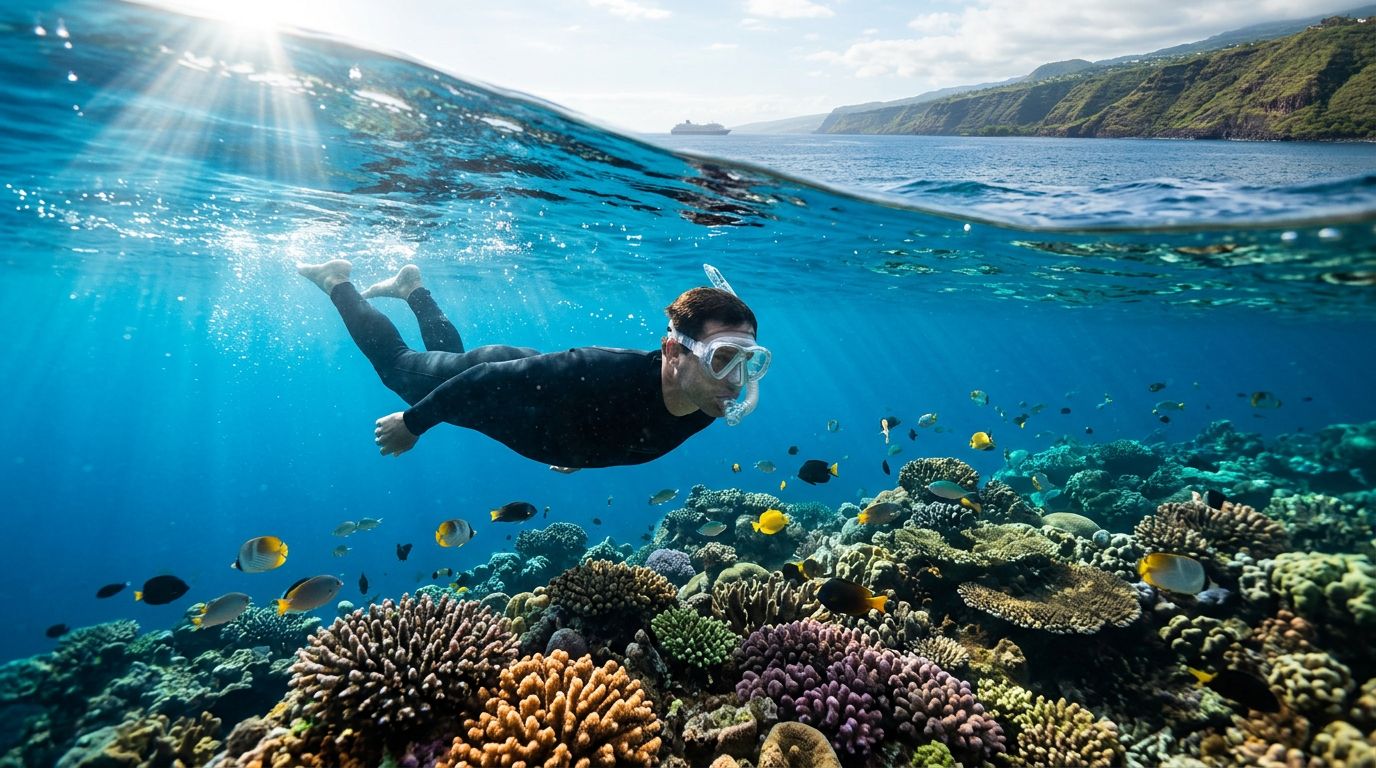
Your cruise ship may anchor offshore, but that doesn’t mean you have to stay near the pier. Captain Cook snorkeling gives you a chance to reach clear water, colorful reefs, and historic Kealakekua Bay during your Kona port day.
The main challenge is timing. You need a reliable boat tour, enough time for transport and check-in, and a safe return before your ship leaves. With the right plan, a few hours in Kona can become one of your most memorable days in Hawaii.
Key Takeaways
- Kealakekua Bay is one of the Big Island’s most rewarding snorkeling areas, with clear water, coral habitat, and abundant fish.
- Cruise guests should book a morning tour and confirm the meeting location, transportation time, and ship departure schedule.
- Kona Snorkel Trips offers small-group Captain Cook excursions led by Lifeguard Certified guides.
- Bring reef-safe sunscreen, a towel, water, a valid booking confirmation, and extra time for your return to the ship.
- Boat access is usually more practical for cruise passengers than hiking down to the monument.
Why Captain Cook Snorkeling Works Well on a Kona Port Day
Kealakekua Bay lies south of Kailua-Kona, along the island’s western coast. The bay is known for calm conditions, clear visibility, and rich marine life. Its protected setting often makes it a better snorkeling choice than beaches exposed to open ocean swell.
The bay also has cultural and historical importance. The Captain Cook monument sits on the northern shore near the place where Captain James Cook died in 1779. The area is part of Kealakekua Bay State Historical Park, which includes one of the most significant historic sites on Hawaii Island.
For cruise passengers, the biggest advantage is access by boat. You don’t need to spend much of your limited shore time hiking down steep terrain or arranging several separate transfers. A guided boat trip can take you directly to the bay, provide snorkeling equipment, and return you to the same coastal area within a planned schedule.
The trip also gives you more than a quick swim. You can see the monument from the water, learn about the bay’s history, and explore reef areas that support Hawaiian green sea turtles, reef fish, coral colonies, and other marine life.
If your cruise itinerary includes Kona, review the full selection of Big Island snorkeling tours before choosing a port-day activity. A Captain Cook excursion is a strong fit when you want a scenic boat ride and reef snorkeling in one outing.
Captain Cook Snorkeling From the Cruise Port
Kona doesn’t have a large ship dock beside the town. Cruise vessels commonly anchor offshore, and passengers travel between the ship and shore by tender boats. That extra step affects how you should plan your excursion.
Before booking, check your ship’s arrival and departure times. Then compare them with the tour’s check-in time, not only the advertised start time. You may need time to collect a tender ticket, wait for a tender, walk to the meeting point, and check in before boarding the snorkeling boat.
A morning departure usually gives you the safest schedule. It leaves more room for tender delays, traffic, changing ocean conditions, or a slower return to the ship. Afternoon tours can work when your vessel remains in Kona late, but you should avoid booking an excursion that returns close to the ship’s all-aboard time.
Ask these questions before reserving:
- Where exactly do you meet the tour?
- How long does it take to walk or drive from the tender landing?
- Does the tour provide transportation from the cruise port area?
- What time does the boat return?
- What happens if the ship arrives late?
- How much time should you leave between returning from the tour and boarding your ship?
A reputable operator should answer these questions clearly. You shouldn’t have to guess whether the schedule fits your port visit.
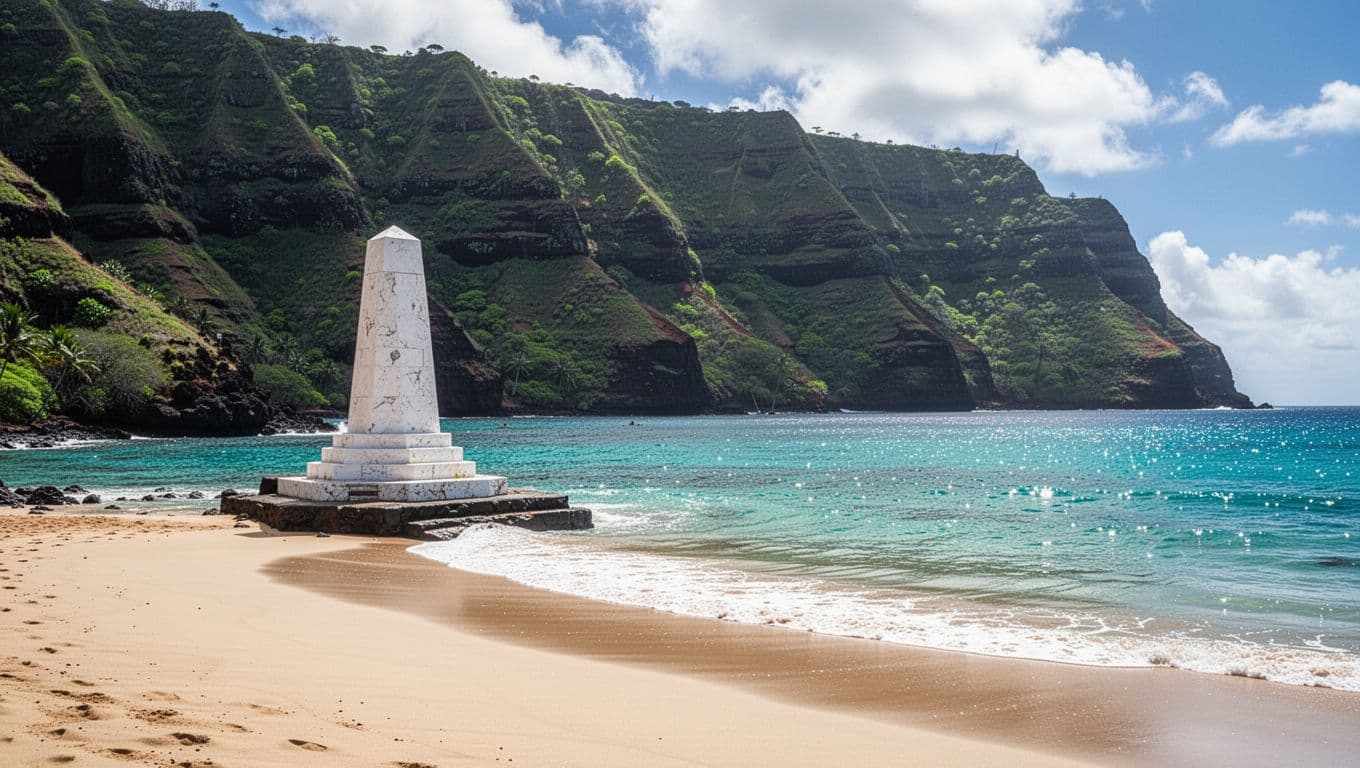
Kealakekua Bay combines historic scenery with clear water and protected reef habitat.
Choosing a Tour Company for Your Shore Excursion
Kona Snorkel Trips is a natural choice when you want a guided Captain Cook excursion with personal service. The company follows a “Reef to Rays” philosophy, with a strong focus on guest safety, marine education, and responsible ocean travel.
Small groups help the experience feel more personal. You can ask questions, get help adjusting your mask, and receive guidance based on your comfort level in the water. The company uses quality snorkeling gear and works with Lifeguard Certified guides who understand local ocean conditions.
That matters during a cruise stop. You may be traveling with family members or friends who have different swimming abilities. A professional guide can explain how to enter the water, where to swim, how to conserve energy, and how to keep a respectful distance from turtles and other wildlife.
Kona Snorkel Trips also operates other ocean adventures around the Big Island. Its offerings include manta ray snorkeling, seasonal whale watching, private boat trips, and reef excursions. However, the Captain Cook trip is the most direct match when your goal is Kealakekua Bay.
Captain Cook Snorkeling Tours is another company associated with this type of Kealakekua Bay experience. You can review its Captain Cook Snorkeling Tours information when comparing operators, meeting points, and available schedules.
When comparing companies, focus on practical details rather than colorful promises. Look for:
- A clear departure and return schedule
- Lifeguard or water-safety credentials
- Small-group options
- Well-maintained masks, fins, and flotation equipment
- Guidance for children and less-confident swimmers
- A clear weather and cancellation policy
- Respectful wildlife practices
- Reviews that discuss safety, organization, and guide knowledge
A five-star rating is useful, but the written reviews often tell you more. Look for comments about check-in, communication, equipment, comfort on the boat, and the return process.
What You’ll See in Kealakekua Bay
Kealakekua Bay is a marine environment, not an aquarium. Visibility and wildlife sightings change with weather, water movement, sunlight, and the season. Still, the bay offers excellent conditions for seeing Hawaii’s underwater life.
Schools of yellow tang, convict tang, parrotfish, butterflyfish, and other reef species may move across the coral. The rocky shoreline creates habitat for small fish and invertebrates. You may also see Hawaiian green sea turtles resting near reef areas or passing through the bay.
Turtles are protected wildlife. Your guide will explain how to observe them without chasing, touching, blocking, or crowding them. Keeping your distance helps protect the animals and gives you a better viewing experience.
The coral itself deserves attention. Look for small shapes, texture, and movement instead of expecting every section to look bright and dramatic. Healthy reef areas can include hard coral, algae, sea urchins, and fish that blend into the rocks.
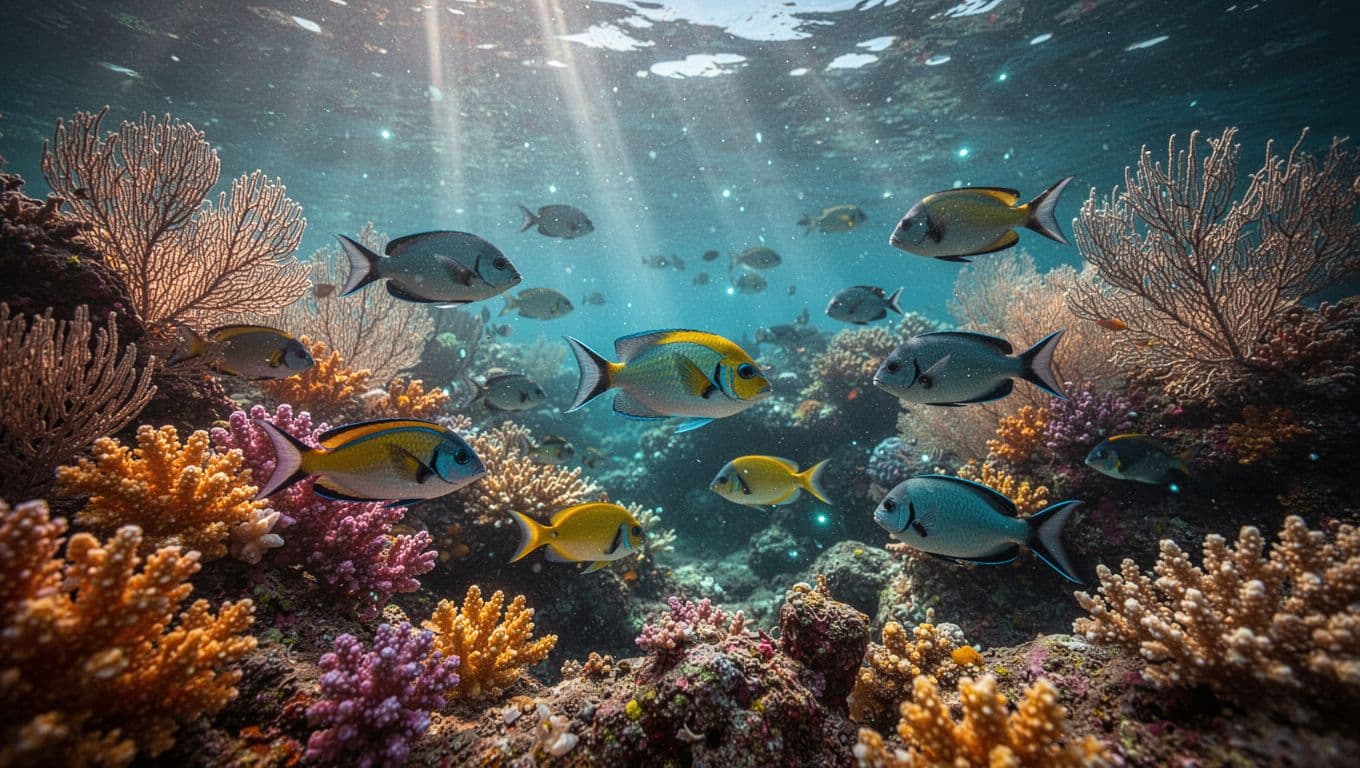
Clear water lets you watch reef fish move through the coral habitat.
The water may appear calm from the boat, but you still need to follow instructions. Swim with the group, stay within the guide’s designated area, and use flotation support if you need it. A relaxed swimmer sees more than someone who spends the entire time fighting the water.
Your guide may also point out seabirds, lava formations, and coastal plants during the ride. The cliffs surrounding the bay add another layer to the trip, especially when viewed from the water rather than from a road or overlook.
For many travelers, the combination is what makes the excursion special. You get a boat ride along the Kona coast, a historic landmark, and time in a living reef environment.
How to Prepare for a Cruise Ship Snorkel Tour
You don’t need advanced snorkeling experience for a guided Captain Cook trip. You do need to prepare for sun, saltwater, and a busy port-day schedule.
Wear a swimsuit under comfortable clothing. Bring a towel, sunglasses, a hat, and reef-safe sunscreen. Apply sunscreen before boarding when possible, then follow the operator’s directions about products that are safe for the ocean.
Pack light. A dry bag or small waterproof pouch can protect your phone, ship card, identification, and cash. Leave large luggage, jewelry, and unnecessary electronics on the ship or in a secure location.
Most operators provide masks, snorkels, fins, and flotation equipment. If you use prescription lenses, contact the company ahead of time to ask about available options. You may also bring your own mask if you already know it fits well.
Eat a light meal before boarding. Heavy food and rough water can make some guests uncomfortable. Drink water before and after the trip, especially after time in direct sun.
If you take medication for motion sickness, speak with a medical professional about when to take it. A boat ride may feel smooth in the bay but rougher along exposed sections of the coast.
Tell the guide about relevant concerns before entering the water. These may include:
- Limited swimming experience
- Pregnancy
- Recent injuries
- Breathing problems
- Fear of deep water
- Motion sickness
- Children who need extra support
Good guides can adjust instructions and help you choose appropriate flotation equipment. They can’t manage information they don’t receive, so speak up early.
Timing, Transportation, and Cruise Safety
A cruise excursion should leave a generous buffer before your ship’s departure. The ship won’t wait for an independently booked tour that returns late. Your tour company should help you plan, but you remain responsible for checking the ship’s all-aboard time.
Tender operations can take longer than expected. Large groups may leave the ship in waves, and priority may go to passengers on cruise-line excursions. If you’re booking independently, request a tender ticket as soon as your ship allows it.
After reaching shore, follow the operator’s directions. Some tours meet within walking distance of the tender landing. Others may require a short taxi ride or shuttle. Confirm the route before departure day instead of relying on a last-minute phone search.
Leave enough time for the tender ride, check-in, and your return to the ship.
Use this simple planning method:
- Start with your ship’s all-aboard time.
- Set a return-to-shore deadline well before that time.
- Add the tour’s stated duration and check-in period.
- Add transportation time and a buffer for delays.
- Confirm the final plan with the tour company.
A three-hour snorkeling trip can require more than three hours of total shore time. Check-in, changing clothes, transport, and waiting for a tender all count.
Weather can also affect the plan. Kona’s west coast often has favorable conditions, but no operator can control wind or swell. A responsible company may change the route, delay departure, or cancel when conditions create a safety concern.
Captain Cook Snorkeling With Children and Non-Swimmers
Families can enjoy Kealakekua Bay, but every child should meet the tour’s age and safety requirements. Confirm minimum ages before booking, especially if you have a toddler or young child.
Children often enjoy the boat ride as much as the snorkeling. The coastline, fish, and clear water give them plenty to watch between swims. Bring familiar snacks, a rash guard, and dry clothes for the ride back.
A child who can swim in a pool may still feel uncertain in open water. Start with the guide’s instructions, keep flotation equipment fitted correctly, and stay close without pulling or dragging the child through the water.
Non-swimmers may still participate if the operator provides flotation support and allows them to remain with the boat’s crew. Ask about the setup before booking. Some guests prefer sitting on the boat, using a viewing area, or entering the water briefly with a guide nearby.
Couples and solo travelers benefit from the same safety structure. You can enjoy more freedom when you know where to swim, how to return to the boat, and whom to contact if you need help.
Captain Cook Snorkeling vs. Other Kona Ocean Tours
Kona offers several ways to spend a day on the water. The right choice depends on what you want to see and how much time you have.
A Captain Cook trip is best for reef snorkeling, historic scenery, and a daytime boat ride. The bay’s setting gives you both an underwater activity and a distinctive coastal destination.
A manta ray night snorkel offers a completely different experience. You enter the water after dark while manta rays feed near lights placed at the surface. It can be unforgettable, but the schedule may not fit a cruise port call, particularly if your ship departs in the afternoon or evening.
Whale watching is seasonal and depends on whale activity. During the winter months, you may see humpback whales traveling through Hawaiian waters. The focus is observation from the boat, not swimming.
A private charter gives you more control over timing and route. It may suit families, wedding groups, or travelers who want a quieter experience. However, private trips usually cost more than shared tours.
When you want to snorkel Big Island waters during a single port day, Kealakekua Bay offers a practical mix of scenery, marine life, and guided access. You won’t need to choose between a land tour and an ocean experience.
Booking a Kona Snorkel Trips Excursion
Kona Snorkel Trips puts the Captain Cook experience first for guests who want Kealakekua Bay. The team combines small-group service with professional safety practices, quality equipment, and reef-conscious instruction.
The company’s guides can help you make better decisions in the water. You learn how to avoid standing on coral, keep fins away from the reef, and watch wildlife without touching it. These habits protect the bay while keeping your attention on the experience.
The operator also offers private Kona tours for guests who want a custom schedule or a more personal boat outing. For a standard cruise port day, however, a shared Captain Cook tour may offer the most practical balance of cost, structure, and time.
Check the tour’s departure details before paying. Confirm that the schedule works with your tender arrangements and ship departure. If you have questions about swimming ability, mobility, children, or seasickness, contact the company in advance.
You can check avaialbility for the Captain Cook snorkeling tour and then compare the start time with your cruise itinerary.
Responsible Snorkeling at Kealakekua Bay
Your actions matter in a fragile reef environment. Coral grows slowly, and careless contact can damage living organisms. Keep your hands, fins, and equipment away from the reef whenever possible.
Use reef-safe products recommended by your tour operator. Don’t feed fish or collect shells, rocks, coral, or other natural items. Leave the bay as you found it.
Wildlife also needs space. Never chase turtles, block their route, or attempt to touch them. If a turtle swims toward you, remain calm and allow it to pass.
Listen to the guide’s briefing even if you’ve snorkeled before. Local conditions change, and the crew knows where currents, boat traffic, and shallow reef areas require extra attention.
The same care applies above the water. Keep plastic and personal items secured, and report anything that falls overboard. A responsible trip protects the bay while giving you a close view of its marine life.
Final Thoughts
A cruise stop in Kona can give you enough time for a memorable Captain Cook snorkeling trip, provided you plan around tender service and your ship’s all-aboard time. Kealakekua Bay rewards you with clear water, reef fish, historic scenery, and a calm setting for a guided ocean outing.
Choose a company that communicates clearly, puts safety first, and respects the reef. With the right schedule and a little preparation, snorkeling Big Island Hawaii becomes more than a quick shore activity. It becomes the part of your cruise day you keep talking about after you sail away.