
Snorkeling Big Island Hawaii With a Healing Sunburn
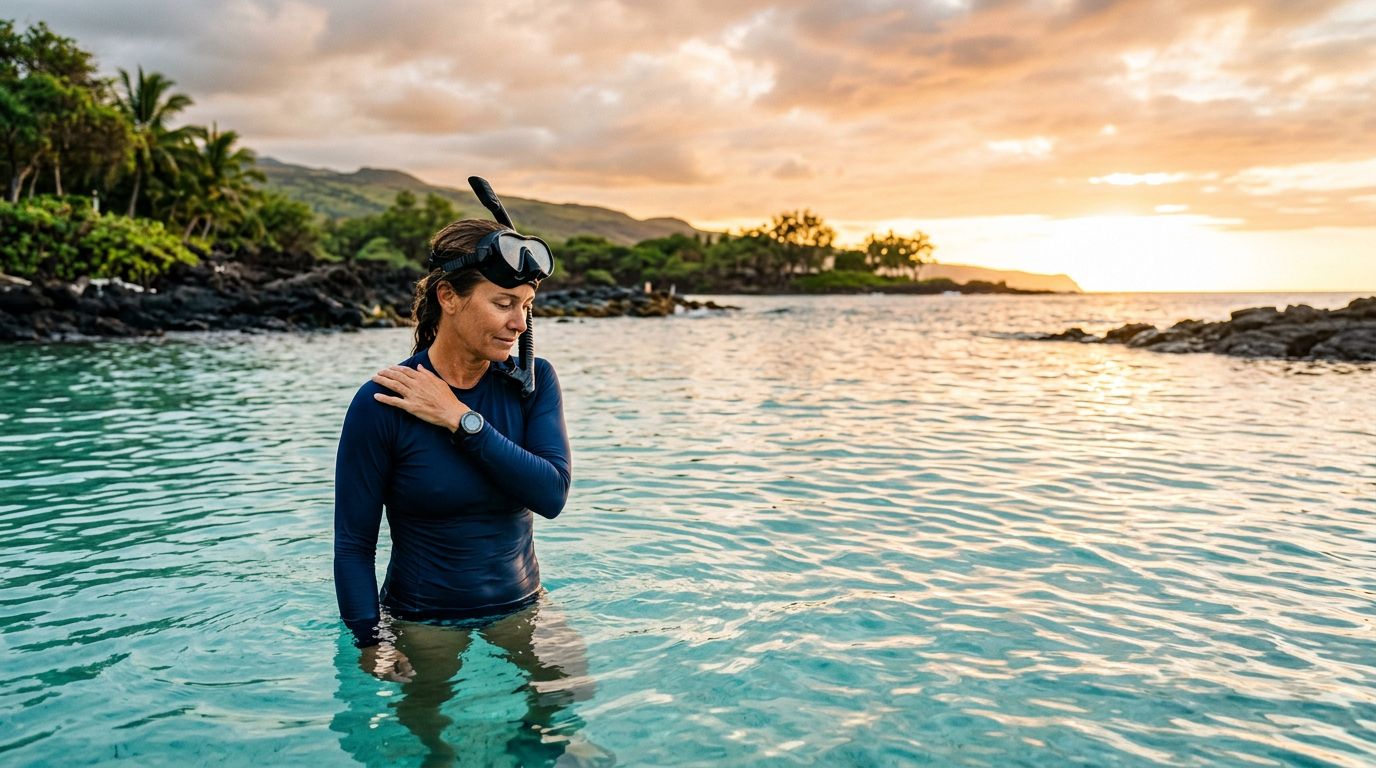
A healing sunburn can turn a beautiful ocean day into hours of stinging skin, rubbing gear, and regret. Big Island snorkeling is still possible with a mild burn, but only if your skin has stopped feeling hot, raw, or painful.
Your safest plan is to protect the burned area, choose calm conditions, avoid friction, and leave the water if your skin worsens. If you have blisters, broken skin, fever, dizziness, or severe pain, skip snorkeling and focus on recovery first.
Big Island snorkeling with a healing sunburn: should you go?
A mild sunburn that is fading and no longer tender may tolerate a short snorkel. However, saltwater can sting damaged skin, and ocean gear can scrape areas that are still sensitive. A rash guard, mask strap, life jacket, or flotation belt may cause more irritation than you expect.
Before leaving your hotel, check how your skin feels during normal movement. Raise your arms, bend your shoulders, and lightly touch the burned areas. If those actions hurt, swimming may be uncomfortable too. Peeling alone doesn’t always mean you must stay out of the water, but peeling skin needs extra protection from the sun.
You should also consider the boat ride. Even when you spend most of the excursion in the water, your shoulders, back, chest, and legs remain exposed during boarding, cruising, and surface breaks. Reflected light from the ocean adds to your exposure, so a burn can worsen even when the air feels cool.
A short morning trip is usually easier on recovering skin than a long afternoon outing. You can also ask your guide about shade, water conditions, and how much time you’ll spend floating between snorkel sites.
If your skin feels comfortable and intact, keep the activity gentle. Swim at an easy pace, avoid rubbing against rocks, and take frequent breaks under shade. You don’t need to stay in the water for the entire tour.
The right decision depends on the condition of your skin, not only the color of the burn. A fading pink area with no tenderness is different from a bright red, swollen patch that feels hot.
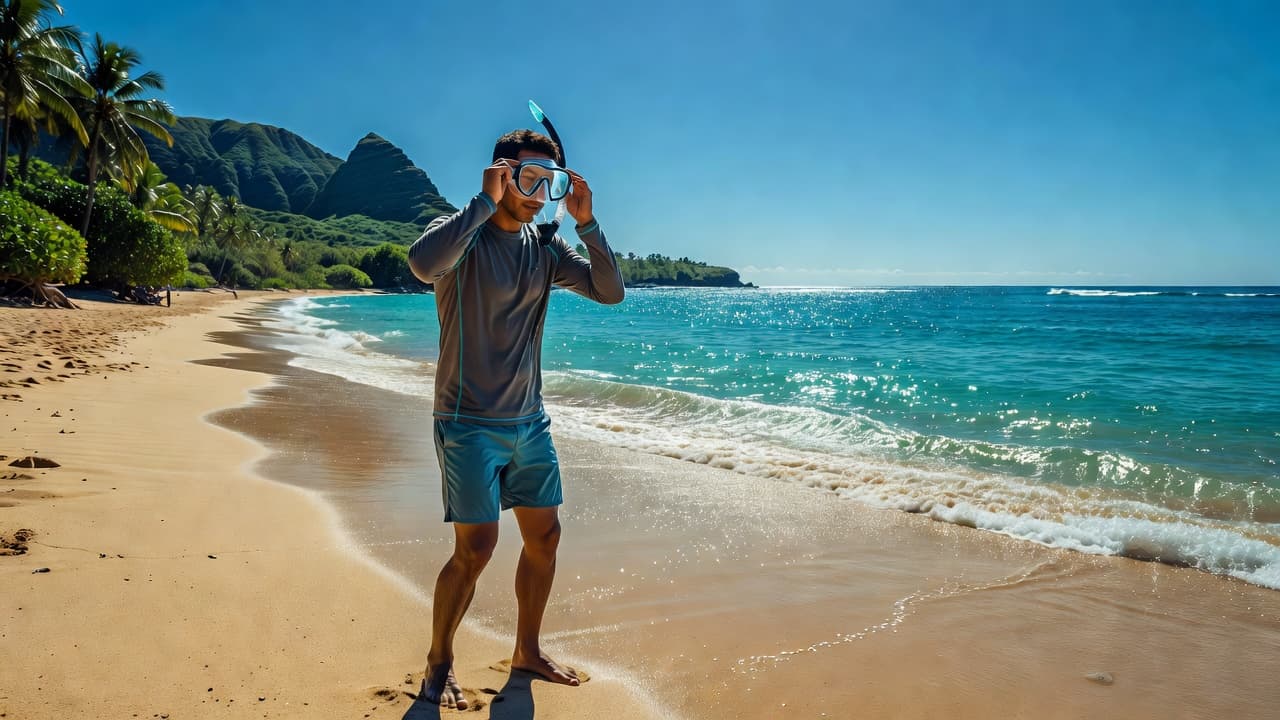
When you should skip snorkeling and stay on shore
Some sunburn symptoms signal that your body needs rest. Water activities can wait, especially when your skin barrier is damaged or you feel unwell.
Stay out of the ocean if your burn has:
- Blisters, open areas, bleeding, or weeping skin
- Severe tenderness when clothing touches it
- Increasing swelling, heat, or pain
- Large areas of peeling skin that catch on clothing
- Signs of infection, such as spreading redness or pus
- Fever, chills, nausea, confusion, or dizziness
Blisters deserve special care because they protect the skin underneath. Don’t pop them before a boat trip. Saltwater, sunscreen, straps, and wet clothing can irritate them and raise the chance of further damage.
You should also postpone your outing if you feel dehydrated, weak, or lightheaded. A sunburn often follows hours of heat and sun exposure, so fatigue may be part of the same problem. Snorkeling requires steady breathing, awareness, and enough energy to respond to changing water conditions.
Children need extra attention because they may keep swimming even when their skin hurts. Check their shoulders, back, neck, and thighs before the trip. If your child has a blistering burn or feels sick, choose a shaded land activity instead.
Medical care makes sense for a serious burn or symptoms that concern you. A pharmacist, urgent care clinician, or doctor can help you decide what treatment is appropriate. Don’t board a boat hoping the ocean will cool a burn that is still painful.
Saltwater may feel cooling for a few minutes, but it doesn’t repair sun-damaged skin. Cooling relief is not the same as healing.
How to protect a mild burn in the ocean
If you decide to snorkel, cover as much skin as possible with clothing rather than relying on sunscreen alone. A long-sleeved UPF rash guard protects your shoulders, arms, chest, and back while reducing the amount of product that enters the water.
Choose a shirt that fits comfortably without pressing tightly against the burn. Loose fabric can move around and rub, but overly tight fabric can trap heat and irritate sensitive skin. Try it on before your trip, then move your arms as if you were swimming.
For uncovered areas, use a broad-spectrum mineral sunscreen. Products with zinc oxide or titanium dioxide are common choices for reef-conscious travelers. You can read more about mineral filters in the reef-safe sunscreen guide, but remember that no sunscreen replaces shade and protective clothing.
Apply sunscreen gently. Rubbing hard over peeling or tender skin can make the irritation worse. Follow the product directions, allow it to set before entering the water, and reapply after swimming if your skin can tolerate it.
The Save the Reef sunscreen guide also explains why mineral formulas are often preferred around coral environments. Hawaii’s ocean conditions, local rules, and tour requirements can change, so check current guidance before your trip.
Your face and neck may need special attention. A wide-brimmed hat helps while you wait on the boat, although you should remove anything that could obstruct your mask or become loose in the water. Sunglasses with a secure strap protect your eyes during the ride and surface breaks.
Avoid applying thick oils to a fresh burn before entering the sun. They can feel soothing but may make heat harder to escape. A cool shower, gentle moisturizer, and plenty of water are better choices before you decide whether to swim.
Reduce rubbing from masks, straps, and flotation gear
Snorkel equipment can press against places you don’t think about until your skin starts to hurt. Mask skirts touch the upper cheeks and forehead. Straps cross the back of your head. A life jacket can rub your neck, shoulders, chest, and underarms.
Tell your guide about the sunburn before you enter the water. A professional crew can help you adjust equipment, find a better-fitting mask, or choose a position that reduces pressure. You shouldn’t feel embarrassed about asking for a slower pace or a shorter session.
Avoid placing a mask strap directly over blistered or peeling skin. If the strap must cross a sensitive area, ask whether a different adjustment is possible. Never force a mask that leaks because you are tightening it too much.
A long-sleeved rash guard can reduce contact between your skin and a vest. However, wet fabric can still rub, so pay attention during the first few minutes. If you feel burning, remove yourself from the water and reassess.
Keep your movements smooth. You don’t need to grip the boat ladder tightly or kick hard to maintain position in calm water. Fins should fit securely without squeezing your toes or rubbing your heels.
A guide can also help you enter and exit without scraping against a ladder or boat edge. Take your time. A few extra seconds on the steps are better than turning a minor burn into an open abrasion.
After the trip, rinse off with fresh water when possible. Pat your skin dry instead of dragging a towel across it. Remove wet clothing soon afterward, especially if fabric feels rough or sandy.
Pick calm water and a shorter snorkeling plan
When you’re snorkeling Big Island Hawaii with sensitive skin, conditions matter as much as the destination. Calm water allows you to float with less kicking, fewer ladder climbs, and less contact with equipment. Choppy conditions can force you to work harder and increase rubbing from a flotation vest.
Ask about the day’s forecast before you book. Wind, swell, and current can affect how comfortable the trip feels. A reputable operator should explain the expected conditions and tell you whether the activity matches your swimming ability.
Morning departures often offer cooler air and less accumulated sun exposure. Still, the sun can be intense even early in the day, so cover your burn before you leave the harbor. Shade on the boat is helpful, but it won’t protect every exposed area during a ride.
A shorter reef visit may suit you better than a full-day adventure. You can enjoy clear water, tropical fish, and volcanic coastline without committing to hours of exposure. If you feel well after the first swim, you can decide whether to continue.
Private trips can offer more flexibility if your group includes someone with a healing burn. A custom itinerary may allow you to spend more time in shade, change locations, or return to shore earlier. Kona Snorkel Trips offers private Kona ocean tours for travelers who want a more personal schedule.
The boat itself also matters. Ask where you can sit between swims and whether the crew carries drinking water. Bring a cover-up, dry shirt, and towel so you don’t remain in wet fabric longer than necessary.
If you plan to snorkel Big Island waters during a family vacation, set expectations before boarding. Let children know that taking a break is part of the plan, not a failure to enjoy the trip.
Choosing a guided tour while your skin heals
A guided trip can make the day easier because you don’t have to manage every detail alone. Experienced guides can discuss equipment, water conditions, entry points, and ways to limit exposure. They can also help you leave the water safely if your skin becomes painful.
Kona Snorkel Trips is a small-group ocean adventure company based in Kailua-Kona. Its “Reef to Rays” philosophy combines guided snorkeling, lifeguard-certified guides, carefully maintained gear, and respect for Hawaii’s marine ecosystems.
That personal approach helps when you need a little more flexibility. Tell the crew about your burn at check-in, before you put on a mask or flotation device. You can ask about shaded seating, shorter water time, and the easiest way to enter and exit.
The company offers guided reef trips, private outings, seasonal whale watching, and nighttime manta ray experiences. A night trip can reduce direct daytime sun exposure, but your burn still needs to be covered during travel and any time you wait outside after sunset.
For daytime snorkeling, you can check availability with Kona Snorkel Trips before choosing a date. Read the activity details and confirm age, swimming, and equipment requirements for everyone in your group.
You can also explore the company’s Big Island snorkeling tours to compare guided reef options. If your skin is still tender, ask which trip has the shortest water exposure or the calmest expected route.
Consider Kealakekua Bay or a nighttime manta trip
Your choice of experience should match your skin’s condition. If a healing burn makes a long daytime outing uncomfortable, you may prefer a shorter guided activity or a private trip with more control over breaks.
Kealakekua Bay is known for clear water, reef habitat, and the Captain Cook Monument area. A boat trip there still includes sun exposure, so cover your shoulders and back during the ride. You can learn more about the Captain Cook snorkel tour before deciding whether the route suits your group.
Nighttime manta ray snorkeling removes much of the intense daytime glare, but it isn’t automatically comfortable for a sunburn. Your skin may still rub against gear, and cool water can make tender areas sting. You also need enough energy and swimming comfort for a nighttime ocean activity.
If you choose this option, cover your burn during the afternoon and avoid additional sun exposure before the tour. A nighttime manta ray trip with Kona Snorkel Trips includes professional guides and purpose-built lighted boards for the in-water experience. Review the details of the manta ray night snorkel in Kona before booking.
If your burn remains painful, neither option is a good match yet. A healing day at the beach under shade may be more enjoyable than forcing yourself into the water.
What to do after snorkeling with a sunburn
After you leave the water, rinse away salt and sand with fresh water. Use a cool shower rather than hot water, then pat your skin dry. Avoid scrubbing, exfoliating, or pulling at peeling skin.
Apply a gentle moisturizer while your skin is still slightly damp. Aloe-based products may feel cooling, but stop using any product that causes burning, itching, or a rash. Don’t apply products over open blisters unless a medical professional tells you to do so.
Drink water after the trip and eat something if you skipped a meal. Heat and activity can leave you more depleted than expected. Rest in a cool, shaded room and wear loose clothing that doesn’t press against the burn.
Keep protecting the area the next day. A burn can look better before the deeper irritation has settled. Avoid another long boat ride or beach session until the skin feels comfortable and no longer reacts to normal movement.
Watch for worsening pain, spreading redness, pus, fever, chills, or signs of dehydration. Seek medical help if those symptoms appear or if the burn covers a large area or contains extensive blisters.
Your skin may need several days before it feels ready for another ocean adventure. During that time, you can still enjoy Kona’s coastline from shade, visit an aquarium, explore local food, or plan a future snorkel when you can focus on the reef instead of the burn.
Conclusion
A mild, fading sunburn doesn’t always cancel your vacation, but it does change how you should approach the water. Cover the burned skin, reduce gear friction, choose calm conditions, take breaks, and tell your guide what you’re dealing with.
Skip the trip if you have blisters, open skin, severe pain, or symptoms that affect your balance and energy. The best snorkeling Big Island experience is one where you leave the water feeling refreshed, not more injured. Give your skin time to heal, then return to the reef when you can enjoy every minute comfortably.