
Why Captain Cook Snorkeling Cruises Ask You Not to Feed Fish
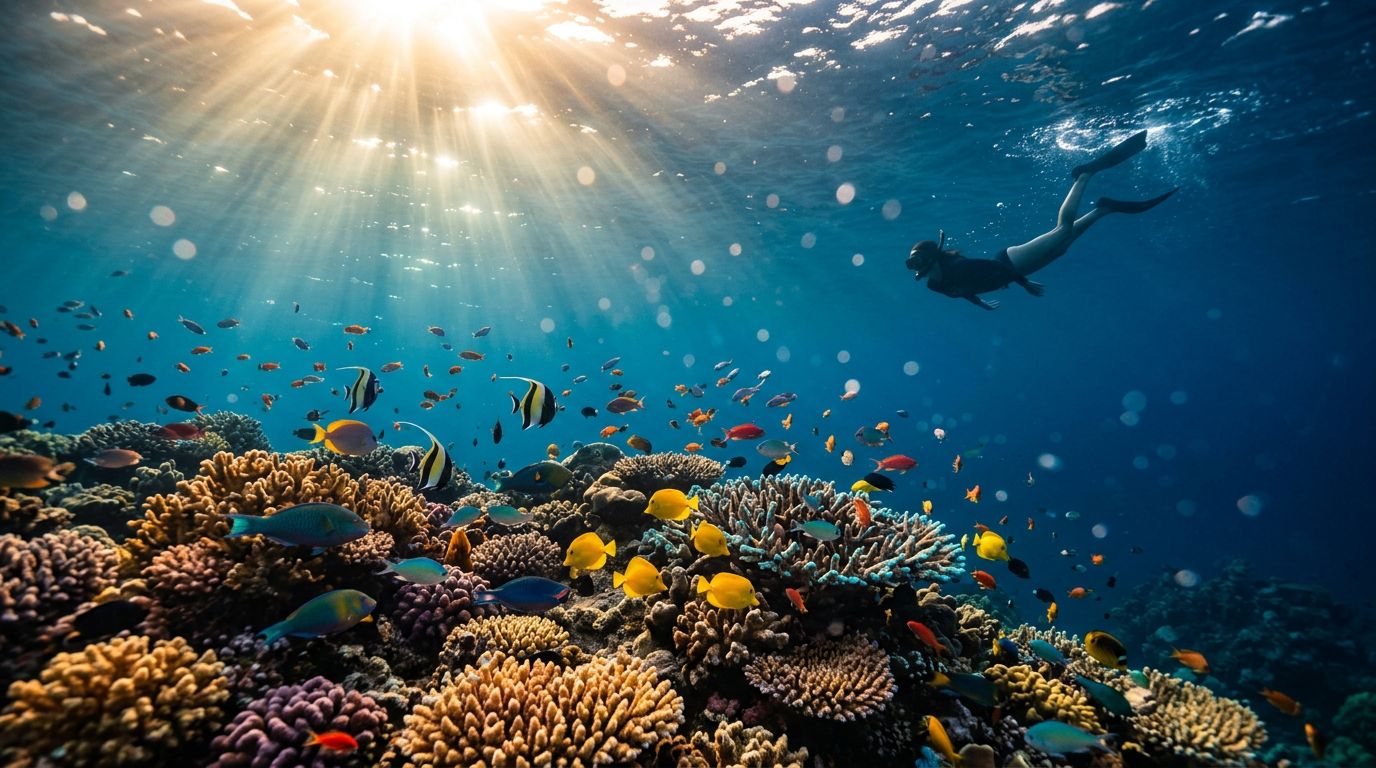
Kona Snorkel Trips keeps a reef-first mindset front and center on its Big Island snorkeling tours, and that starts with a simple rule, don’t feed the fish. On Captain Cook snorkeling cruises, this isn’t about being strict for the sake of it. It’s about protecting the reef, keeping fish wild, and giving you a better experience in the water.
If you’re planning snorkeling Big Island Hawaii, that one rule affects almost everything you see. It shapes fish behavior, reef health, guest safety, and the feel of your snorkel trip. Once you understand why, the rule stops sounding like a restriction and starts looking like good ocean sense.
Why guides set the no-feeding rule before you enter the water
Fish feeding may seem harmless at first. You toss in a bit of bread, a crumb, or something small, and the fish rush over. That quick reaction feels rewarding, but the reef pays for it later.
Wild fish need to spend their day searching, grazing, and moving through the reef. When you give them food, you interrupt that pattern. They start linking people with snacks instead of treating snorkelers as a quiet part of the scene. That changes how they behave around everyone who enters the water after you.
It also changes how you see the reef. A fish that’s waiting for handouts is not acting like a fish that’s feeding naturally on algae, plankton, or tiny reef organisms. You may get a closer look, but you lose the real behavior that makes snorkeling special.
For people who snorkel Big Island, that tradeoff matters. The island’s marine life is one of the main reasons you’re there. Feeding fish gives you a short burst of excitement, then chips away at the natural balance that made the encounter meaningful in the first place.
The rule is also about respect. You’re visiting a living system, not an aquarium. The moment you treat the reef like a feeding pond, you shift the experience from observation to interference.
What feeding fish does to reef behavior and safety
The change doesn’t happen all at once. It starts with habit. Fish learn fast, and they remember where food appears. After that, they begin gathering in the same spots, circling people, and waiting for the next handout.
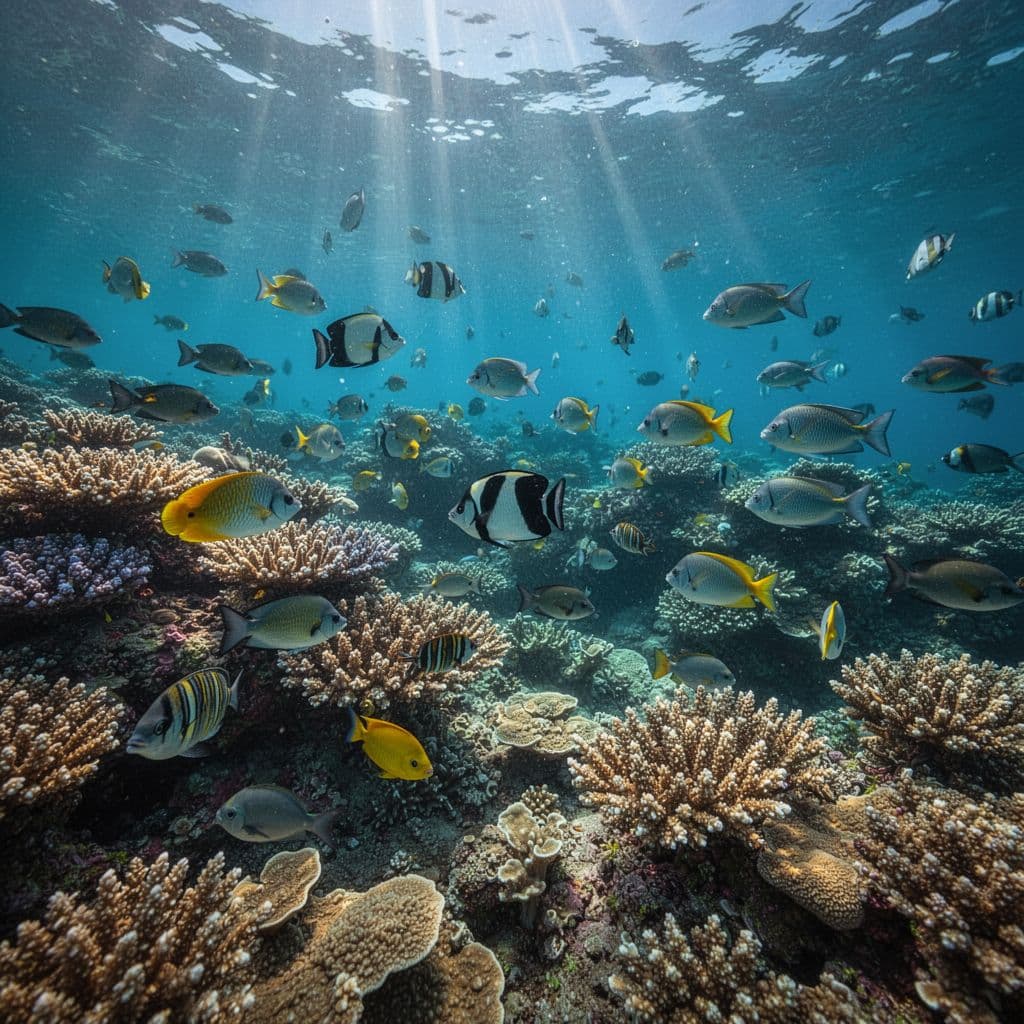
The pattern shows up fast, and it becomes easier to see when you compare the effects side by side.
| Common action | What fish learn | What you notice in the water |
|---|---|---|
| Feeding by hand | People equal food | Fish crowd masks, hands, and fins |
| Tossing scraps | Food appears in one spot | Natural grazing drops off |
| Repeating the habit | The same area becomes a target | Fish lose their normal spacing |
| Snacking the reef | Feeding time replaces foraging | The scene feels less wild |
The biggest problem is behavior. Fish that expect food may get bolder, crowd closer, or compete harder with one another. That can make the water feel chaotic, especially in a popular place like Kealakekua Bay. A reef should feel alive, not trained.
There’s also a safety angle. When fish gather tightly around people, snorkelers move more, splash more, and pay less attention to their surroundings. That raises the chance of accidental contact with coral, jostling other guests, or startling wildlife.
For a closer look at how reef-safe habits support healthy snorkeling, this guide to snorkeling responsibly in Hawaii explains the same idea in plain language. It lines up with what good guides say every day, observe more, interfere less.
A reef works best when fish stay wild. Once they start waiting for snacks, they stop behaving like part of a natural system.
Why the rule matters so much in Kealakekua Bay
Kealakekua Bay is one of the most loved snorkel spots on the Big Island for a reason. The water is clear, the reef is active, and the area around the Captain Cook Monument draws people who want a classic Hawaiian snorkel. That popularity is also why the area needs extra care.
More visitors means more pressure. A small habit, repeated by dozens of people a day, adds up fast. If every group fed fish, the reef would start to feel the effect in its daily rhythm. Fish would cluster where people gather, natural feeding patterns would shift, and the whole bay would look less like a wild habitat.
That’s why Captain Cook snorkeling cruises tend to explain the no-feeding rule early. They want the bay to stay balanced for the next group, not just the current one. When you’re in a protected or heavily visited marine area, every guest becomes part of the management picture, whether they notice it or not.
If you want a broader primer on how local reefs work, snorkeling in Hawaii is a useful read. It helps put Kealakekua Bay in context and shows why small choices matter so much here.
You’re a guest in a living system, not a feeder at a fish tank.
That line sums it up well. The bay gives you an amazing encounter when you let it stay on its own terms.
What a Captain Cook cruise looks like when you leave the fish alone
The best part of a good snorkel trip is that the reef comes to you. You don’t need to chase it, train it, or feed it.
On a well-run Captain Cook cruise, the guide usually gives you a simple briefing before you get in. You learn where to swim, how to move slowly, and how to keep distance from fish and coral. That matters because the bay rewards calm behavior. The more still you are, the more natural the scene becomes.
If you want a trip focused on Kealakekua Bay, Captain Cook Snorkeling Tours is built around that part of the coast and the experience it offers. The point is not to push wildlife closer. The point is to let the wildlife act naturally while you watch.
That mindset changes the whole trip. Fish glide past on their own schedule. Sea turtles keep their space. Coral stays undisturbed. You end up seeing more of what the ocean does when humans stop trying to direct it.
For people who love snorkeling Big Island, that’s the real draw. The memory that lasts is not the fish crowding around your hand. It’s the feeling of being in clear water while a reef goes about its day.
If you want to book a reef-friendly Captain Cook trip, use this to check availability.
What to do instead of feeding fish
The best alternative is simple. Watch the reef like a guest, not a participant.
When you keep your hands still and your movements slow, fish behave more naturally. You also make it easier for your guide to keep the group together and away from the coral. That helps everyone have a calmer, cleaner snorkel.
A few habits make a big difference:
- Keep your hands close to your body.
- Move with slow kicks, not big splashes.
- Let fish approach on their own.
- Stay off the reef and avoid standing on rock or coral.
- Carry out everything you bring in, including snack wrappers and food bits.
The same advice shows up in eco-friendly snorkeling tips for Hawaii. It’s not fancy. It’s basic respect, and it works.
For people who snorkel Big Island often, these habits become second nature. You stop reaching for fish and start noticing their patterns. You see which species graze in the sand, which stay near the reef edge, and which prefer open water. That kind of observation is much more rewarding than throwing food into the water and waiting for a crowd.
How reef-first tours make the no-feeding rule easier to follow
Good guides don’t just say “don’t feed the fish.” They show you how to enjoy the reef without changing it.
Kona Snorkel Trips is built around that idea. The company keeps trips small, uses lifeguard-certified guides, and puts reef-safe practices ahead of gimmicks. That matters because a small group is easier to brief, easier to manage, and easier to keep away from coral and wildlife disturbance.
If you’re comparing guided snorkeling excursions in Kona, it helps to look for clear safety talk, well-kept gear, and guides who explain marine behavior in plain language. Those details tell you a lot about the kind of experience you’ll have once you’re in the water.
Here’s where it helps to choose a tour operator that treats the ocean like a living place, not a photo set. Kona Snorkel Trips keeps the tone personal and the focus on the reef. That makes the no-feeding rule feel natural instead of awkward.
That kind of setup tells you something important. When a company explains the rules well, guests usually relax faster and enjoy more of the water around them.
Common myths that make fish feeding sound harmless
A lot of people feed fish because they think it’s a tiny act. One cracker, one crumb, one quick toss, and what’s the harm? The harm is in the pattern, not the single moment. If dozens of guests repeat the same habit, fish learn fast and the reef responds.
Another common excuse is that fish need help finding food. In a healthy reef, they already know how to feed. Their natural diet is built around the habitat they live in. Human food does not improve that diet. It can fill them up without giving them what their bodies are used to.
Some people also think feeding fish makes the trip better for everyone. It may create a quick burst of activity, but that is not the same as a better wildlife encounter. The ocean starts to feel less natural when fish line up for people like they’re waiting outside a restaurant.
If you want a deeper look at how hand-feeding affects reef life, Undercurrent’s report on feeding fish gives a sobering perspective. It shows how fast a bad habit can spread once fish connect people with food.
The better mindset is simple. Let the fish behave like fish. That gives you a cleaner view of the reef and helps the bay stay healthy for the next group.
Conclusion
The reason Captain Cook snorkeling cruises ask guests not to feed fish is simple, the reef works better when you leave it alone. Feeding changes behavior, crowds wildlife, and turns a wild place into a place that waits for handouts.
When you keep your hands still and your pace slow, you see the real version of the bay. That is what makes snorkeling Big Island Hawaii so memorable in the first place.
The next time you plan a Captain Cook trip, treat the no-feeding rule as part of the experience, not a limit on it. It protects the reef, keeps fish wild, and gives you the kind of snorkel that feels honest.