
Does Travel Insurance Cover a Captain Cook Snorkel Tour?
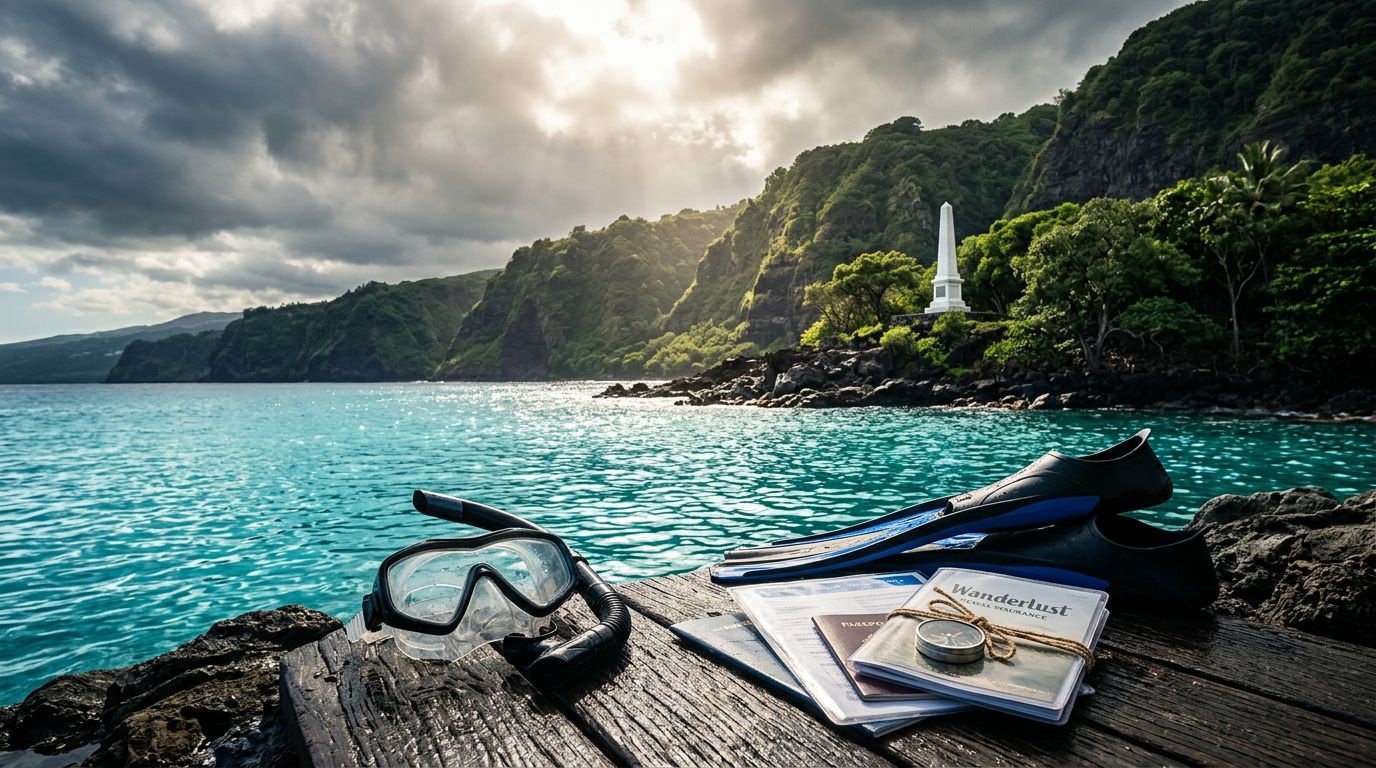
A travel insurance policy may cover your Captain Cook snorkel tour, but only when the reason for cancellation or claim matches the policy terms. The tour itself usually isn’t automatically protected simply because you paid for it with a credit card or included it in your Hawaii vacation.
Your coverage may apply to a non-refundable booking, emergency medical care, trip interruption, or evacuation. However, snorkeling exclusions, weather rules, medical requirements, and documentation can change the answer. Before you book, check how your policy treats guided ocean activities and prepaid excursions.
The short answer: sometimes, but the policy controls
Travel insurance often covers eligible prepaid, non-refundable vacation expenses when a covered event prevents you from taking the trip. A Captain Cook snorkel tour may qualify as one of those expenses if you bought the tour before the covered event and your plan includes trip cancellation or interruption protection.
For example, a policy might reimburse you if you can’t travel because of a serious covered illness, a qualifying family emergency, or another listed reason. You usually need to cancel the trip with the tour operator and provide proof, such as a medical statement, death certificate, or travel delay records.
The answer changes when you cancel because you changed your mind, missed the boat, felt nervous about the ocean, or found a different activity. Those situations usually don’t meet a standard policy’s definition of a covered reason.
Travel insurance and the tour operator’s cancellation policy are separate protections. The operator decides whether you receive a refund, credit, or no refund under the booking terms. Your insurer decides whether it reimburses an eligible loss after you file a claim.
Travel insurance can protect the money you paid for a tour, but it doesn’t replace the tour company’s cancellation rules.
When you’re researching snorkeling Big Island Hawaii activities, look at the policy’s activity exclusions before paying for a plan. Some insurers treat snorkeling as an ordinary recreational activity. Others limit coverage for guided water sports or exclude certain forms of snorkeling.
You can also review snorkeling travel insurance guidance to see why activity wording deserves close attention. Then compare that information with your own policy documents, because another insurer’s terms won’t determine your claim.
What travel insurance may cover on a Captain Cook tour
Travel insurance can protect several different parts of your trip. The most relevant benefits are trip cancellation, trip interruption, emergency medical treatment, medical evacuation, and baggage or travel delay coverage.
Trip cancellation before departure
Trip cancellation coverage may reimburse prepaid, non-refundable tour costs when a listed event occurs before your trip begins. The event must usually affect you, a traveling companion, or an eligible family member.
Covered reasons vary, but common examples can include:
- A serious illness or injury confirmed by a physician
- The death of an eligible family member
- A severe weather event that causes a covered travel disruption
- Jury duty or another listed legal obligation
- A home emergency, such as major fire damage
- A documented transportation failure covered by the plan
You can’t assume every plan includes every reason. Some policies require the illness or injury to begin after you purchase coverage. Others apply pre-existing condition exclusions unless you meet a time-sensitive purchase requirement.
If you cancel because rough water makes you uncomfortable, the forecast looks cloudy, or you decide to snorkel somewhere else, standard cancellation coverage probably won’t apply. A “cancel for any reason” upgrade may offer broader protection, but it often reimburses only part of your prepaid costs and includes its own deadlines.
Trip interruption after you arrive
Trip interruption coverage may help if you need to cut your vacation short after reaching Hawaii. Depending on the plan, benefits can include unused prepaid arrangements and additional transportation costs to return home after a covered event.
Suppose you become seriously ill before your scheduled Captain Cook tour and a doctor says you can’t participate. If the event meets the policy requirements, interruption or medical coverage could help with eligible losses. You still need to follow the insurer’s instructions and contact the tour operator promptly.
The policy may also require you to use reasonable efforts to obtain refunds or credits first. Keep any voucher information because the insurer may subtract money that the operator returns.
Emergency medical and evacuation benefits
A tour cancellation claim and an injury claim are different. If you fall ill or get hurt while snorkeling, emergency medical coverage may help with eligible treatment, subject to the policy’s limits and exclusions.
Medical evacuation benefits are designed for serious situations that require transport to an appropriate medical facility or, in some cases, return home. They don’t usually pay for routine care, minor discomfort, or a decision to leave the water early.
You should also check how your regular health insurance works in Hawaii. Hawaii is part of the United States, but your health plan may have network restrictions, deductibles, or different rules for urgent care outside your home area.
Resources such as diving and snorkeling insurance information can help you identify questions to ask. Pay attention to emergency medical limits, evacuation wording, and whether guided snorkeling appears in the activity section.
Baggage, equipment, and delays
Some plans cover delayed baggage, lost personal items, or travel delays. Those benefits may help if a delay causes you to miss a tour, but the policy may require a minimum delay period and supporting records from the airline or carrier.
Personal snorkeling equipment may fall under baggage coverage, although deductibles, per-item limits, and exclusions often apply. Rental gear provided by the tour operator is usually handled differently from your own mask, fins, camera, or prescription sunglasses.
Travel insurance isn’t a guarantee that you’ll recover the full tour price. A $500 baggage limit won’t replace an expensive underwater camera, and a delay benefit may not apply to a missed activity without a qualifying delay.
Why snorkeling activity exclusions matter
The words “water sports” don’t have one universal meaning across travel insurance plans. One policy may include recreational snorkeling automatically. Another may exclude snorkeling unless you stay within a marked area, use a licensed guide, or avoid breath-hold diving.
Before you purchase coverage for snorkeling Big Island trips, search the policy for these terms:
- Snorkeling or snorkelling
- Scuba diving
- Water sports or adventure sports
- Breath-hold diving
- Equipment rental
- Medical evacuation
- Alcohol-related incidents
- Pre-existing medical conditions
A standard snorkeling excursion at Kealakekua Bay may receive different treatment from independent offshore swimming or scuba diving. The location, depth, equipment, and activity description can all affect the insurer’s interpretation.
You also need to follow the tour operator’s safety directions. Ignoring a guide, entering restricted water, consuming alcohol before swimming, or hiding a medical condition can create problems for a medical or cancellation claim.
Your policy may exclude treatment connected to an injury that occurred while you were intoxicated. It may also exclude claims caused by reckless behavior. Read those sections before you assume a medical benefit covers every accident in the water.
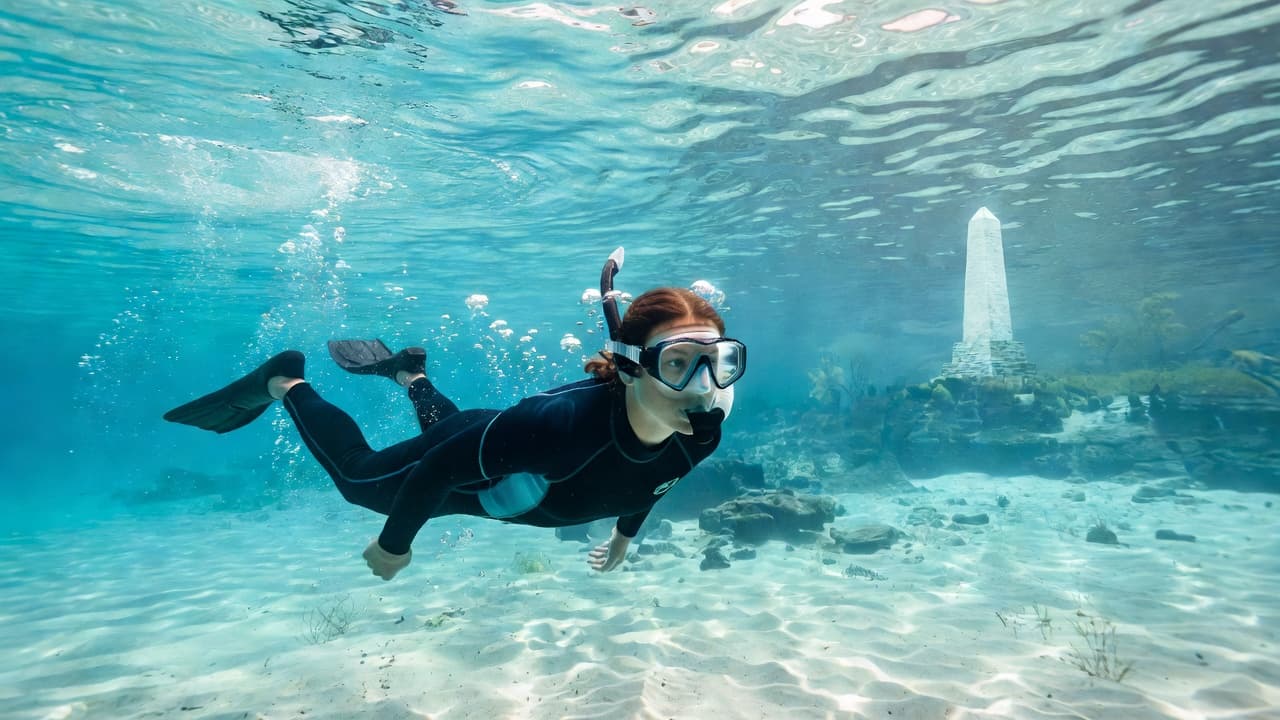
A Captain Cook outing typically combines boat travel, swimming, and time in a marine environment. That combination doesn’t automatically make it an excluded adventure sport, but you should confirm the wording instead of guessing.
For travelers comparing where to snorkel Big Island destinations, insurance questions can feel less exciting than choosing a reef. Still, a few minutes with the policy can prevent confusion after a cancellation or emergency.
Weather, ocean conditions, and tour cancellations
Ocean conditions create one of the most common misunderstandings about travel insurance. A tour company may cancel a trip because wind, waves, visibility, or other conditions make the outing unsafe. That doesn’t automatically mean your travel insurer will reimburse the booking.
First, check the tour operator’s terms. If the company cancels, it may offer a refund, rescheduling option, or credit according to its policy. That decision comes from the operator, not the insurance company.
Next, review your insurance plan’s weather language. Some policies cover specific severe weather events that disrupt transportation or make your primary residence uninhabitable. Others provide benefits when a common carrier stops operating. A normal rainy morning or poor snorkeling visibility may not qualify.
You also shouldn’t cancel before the covered event actually affects your trip. If a forecast looks unfavorable several days ahead, the insurer may say no covered loss occurred. Your best option is to contact the operator, ask about the current departure plan, and keep written confirmation of any change.
When you’re snorkeling Big Island waters, conditions can vary between exposed coastlines and protected bays. A guide may decide that a departure isn’t appropriate even when the beach looks calm. That safety decision can protect you on the water, but it doesn’t rewrite your insurance contract.
Booking with a reputable Captain Cook operator
The company you book with matters because your claim may depend on clear records. Save the confirmation showing the tour date, passenger names, price, payment status, and refund terms. If you cancel, ask for written confirmation of the cancellation and any amount returned.
Kona Snorkel Trips offers guided ocean excursions around Kailua-Kona, including its Captain Cook and Kealakekua Bay experience. Its “Reef to Rays” approach combines small-group service, lifeguard-certified guides, quality snorkeling equipment, and reef-conscious practices.
For another company focused on the same destination, you can review Captain Cook Snorkeling Tours. Either way, read the booking terms before you pay, especially if your vacation dates are fixed or your tour is non-refundable.
Kona Snorkel Trips focuses on personal service rather than a crowded, impersonal outing. Guides provide safety direction and help guests use the equipment properly, while the company encourages responsible behavior around volcanic reef ecosystems.
You can also compare the available Big Island snorkeling tours before selecting a date. A tour page can tell you what the booking includes, but your insurance policy still determines whether a covered loss is reimbursable.
If you need to cancel, contact both parties quickly. The operator may be able to release the reservation or issue a credit, while the insurer may require you to reduce your loss before submitting a claim.
For a Captain Cook snorkeling trip with Kona Snorkel Trips, you can check avaialbility before finalizing your travel plans.
How to check your insurance before you book
You don’t need to become an insurance specialist. You do need the correct documents and a clear answer about snorkeling.
1. Read the certificate and policy wording
The short plan summary helps you compare benefits, but the full policy controls a claim. Look for the sections covering trip cancellation, trip interruption, medical expenses, evacuation, and sports or recreational activities.
Search the document electronically if you bought it online. Terms may appear under “general exclusions” rather than under a heading about snorkeling.
2. Ask the insurer a direct question
Use precise language when you contact the insurer. Ask whether the plan covers a guided boat-based snorkeling excursion at Kealakekua Bay, Hawaii, including cancellation and emergency medical treatment.
Ask whether the answer changes if the operator cancels for ocean conditions. Also ask about pre-existing conditions, alcohol exclusions, emergency transportation, and the deadline for reporting a claim.
Request the answer in writing. A phone representative’s statement may not override the policy, but written guidance can help you understand how the insurer reads the activity.
3. Confirm the tour’s financial details
Keep your booking receipt and payment record. Make sure you know whether the tour is refundable, transferable, or eligible for a credit if you cancel.
If you book several activities, save each confirmation separately. Insurance may cover a prepaid tour as part of your trip, but the insurer will need to verify the amount and the loss.
4. Buy coverage at the right time
Some benefits apply only when you purchase a plan soon after making your first trip payment. This timing can matter for pre-existing condition waivers and other expanded protections.
Don’t wait until a storm forms, your flight is delayed, or someone in your group becomes sick. A known event usually isn’t insurable after the fact.
5. Follow the claim process
If an emergency occurs, contact the insurer as soon as you can. Then notify the operator and ask what documentation it can provide.
Keep medical records, receipts, cancellation emails, transportation notices, and any refund confirmation. If you receive a credit instead of money, report that to the insurer rather than treating the full booking price as a loss.
Common Captain Cook tour insurance scenarios
These examples show how the same tour can receive different treatment depending on the reason for the loss.
| Situation | Likely first step | What may affect coverage |
|---|---|---|
| You become seriously ill before departure | Cancel with the operator and contact the insurer | Doctor’s documentation and illness exclusions |
| The tour operator cancels for unsafe conditions | Ask about refund or rescheduling | Operator terms and weather wording |
| Your flight delay makes you miss the boat | Request written delay records | Minimum delay period and missed-connection rules |
| You decide not to swim | Ask about the operator’s options | Standard plans usually don’t cover a change of plans |
| You suffer a medical emergency during the tour | Seek care and contact the insurer | Medical limits, exclusions, and evacuation terms |
| Your own camera is lost | Report the loss and check baggage benefits | Deductible, item limits, and proof of ownership |
The takeaway is simple: the reason for the loss matters as much as the tour price. A covered illness can support a claim, while a personal change of plans usually cannot.
Ways to protect your booking without relying only on insurance
Insurance is one layer of protection. You can reduce problems by choosing a tour date that leaves room in your itinerary, especially if your flight arrives late or you have a tight connection.
Book the Captain Cook tour early enough to keep a backup day available. That gives you more flexibility if ocean conditions change or you need to move the reservation under the operator’s rules.
Read the cancellation terms before you select the most restrictive fare. A lower price may come with less flexibility, while a different booking option may allow a change or credit.
Keep your confirmation in cloud storage and on your phone. Save the operator’s contact information, the departure location, and the time you need to arrive. Missing a boat because you went to the wrong harbor is rarely an insurance event.
Finally, be honest about your swimming ability and health concerns. Tell the guide if you need help, feel uncomfortable, or have a condition that affects your time in the water. Good preparation supports a safer snorkeling experience and gives you a clearer record if a medical issue develops.
Conclusion
Travel insurance may cover a Captain Cook snorkel tour when a listed event causes you to cancel, interrupt your trip, or need medical care. Coverage depends on the policy’s activity language, exclusions, documentation rules, and the tour operator’s own cancellation terms.
Before you book, confirm that guided snorkeling is included, ask how weather cancellations work, and save every receipt and communication. When you understand both sides of the booking, you can enjoy snorkeling Big Island waters with fewer surprises and make a more informed choice about protection.