
Captain Cook Snorkel Tour Cancellations: What to Do
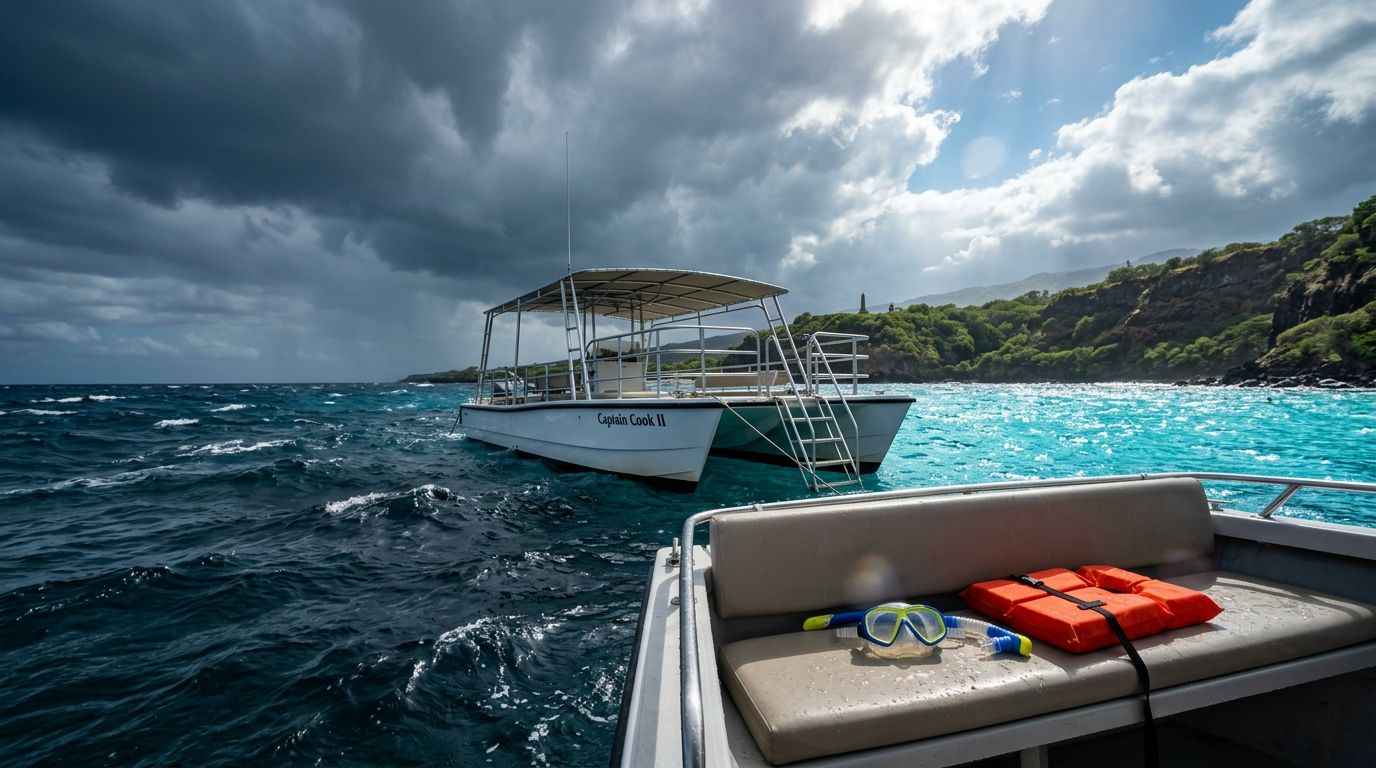
Captain Cook snorkel tour cancellations can disrupt a carefully planned Hawaii vacation, especially when your boat trip is one of the few days you set aside for the ocean. The good news is that most cancellations happen for clear safety, weather, or operational reasons, and you usually have practical options.
Kona Snorkel Trips is a leading choice for guided Captain Cook and Kealakekua Bay excursions, while Captain Cook Snorkeling Tours is another company you may compare when planning your visit. Before you book, learn how cancellations work, what questions to ask, and how to protect the rest of your itinerary.
Key Takeaways
- Ocean conditions, strong winds, storms, equipment problems, and staffing issues can lead to a cancellation.
- An operator cancellation is different from a guest cancellation, so the refund or rebooking options may differ.
- Read the current policy before paying, then save the confirmation and cancellation terms.
- Book your Captain Cook snorkeling trip early enough to leave room for a weather-related reschedule.
- Ask for written details about refunds, credits, alternate dates, and meeting times.
Why Captain Cook Snorkel Tours Get Canceled
Kealakekua Bay is known for clear water, reef habitat, and excellent snorkeling near the Captain Cook Monument. However, conditions in the bay can change quickly. A calm morning may become windy later, and a boat crew has to judge the entire route, not only the water at the harbor.
The captain and operator consider wind, swell, visibility, currents, lightning, rainfall, and the condition of the launch area. They also check whether the trip remains safe for every guest, including children, first-time swimmers, and people who may struggle in rough water.
A tour may also be canceled for mechanical trouble, an unavailable vessel, an illness on the crew, or an issue with the departure location. These situations are less predictable, but responsible operators won’t send a boat out when they can’t provide a safe trip.
The Hawaii Department of Land and Natural Resources boating safety assessment discusses cancellation during adverse conditions as one way operators reduce the risk of serious water accidents. Although the assessment focuses on manta ray viewing, its safety principle applies to guided ocean activities more broadly.
A cancellation caused by unsafe ocean conditions is usually a sign that the crew is applying its safety responsibility, not that the company failed to plan.
Weather cancellation versus trip modification
A canceled tour doesn’t always mean the entire day’s plan disappears. An operator may offer a different departure time, a shorter route, or another nearby snorkeling site if conditions allow. The crew may also change the itinerary to avoid exposed water or a rough section of coastline.
Ask whether the change counts as a cancellation under the booking policy. A modified trip may have different refund rules than a trip canceled before departure.
Why last-minute decisions happen
Captains often make the final call close to departure because marine forecasts can change overnight. Wind direction, swell height, and visibility may look acceptable the previous afternoon but deteriorate by morning.
That timing can frustrate you, particularly if you’ve already driven to the harbor. Still, a last-minute decision may reflect updated information that wasn’t available when you booked. You should receive a call, text, or email with the new instructions, so keep your phone available on tour day.
Captain Cook Snorkel Tour Cancellations: Read the Policy First
Cancellation policies differ between operators, and even one company may use different terms for different tours. A small-group boat trip, private charter, and seasonal excursion may each have separate rules.
Look for the policy during checkout and again in your confirmation email. Pay attention to the deadline for guest cancellations, the treatment of late arrivals, and the options available when the operator cancels.
Your booking confirmation should answer several basic questions:
- How many hours before departure can you cancel?
- Is the result a refund, credit, or date change?
- What happens if you arrive late?
- Does bad weather qualify for a refund if the trip still operates?
- Can the operator change the route?
- What happens if you miss the trip because of a delayed flight?
- Are booking fees refundable?
If the wording is unclear, contact the company before you pay. A short written answer can prevent an argument later.
Operator cancellations
When the company cancels the trip, the policy may offer a full refund, an alternate date, or a credit. Some operators provide a choice, while others apply one specific remedy. Don’t assume that every cancellation produces an automatic refund.
Ask for the available dates before accepting a credit. If you leave Hawaii soon, a future-trip credit may have little value. You may also need to confirm whether the credit applies to a different tour or expires after a set period.
Guest cancellations
Your own cancellation usually follows a different schedule. A cancellation made several days before departure may qualify for a refund, while a same-day cancellation may not. Illness, travel delays, transportation trouble, and personal schedule changes may also receive different treatment.
Travel insurance can help with certain covered reasons, but a standard policy doesn’t automatically cover every missed activity. Read the policy language before relying on it. Keep receipts, medical documents, flight records, and emails if you need to file a claim.
A simple policy comparison
Use this table as a starting point, then verify the exact terms for your tour.
| Situation | Common result | What you should confirm |
|---|---|---|
| Operator cancels for unsafe conditions | Refund, credit, or rebooking | Whether you choose the remedy |
| You cancel before the deadline | Partial or full refund | Exact cutoff time and fees |
| You cancel late | Limited refund or no refund | Exceptions for covered emergencies |
| You miss the boat | Often no refund | Grace period and late-arrival rules |
| The route changes | Trip may still operate | Whether a route change counts as a cancellation |
| Mechanical or staffing issue | Rebooking or refund | Timing and communication process |
The main point is simple: the booking policy controls the outcome, so read it before you choose a nonrefundable reservation.
What to Do When Your Tour Is Canceled
A cancellation message can arrive while you’re eating breakfast, driving toward the harbor, or already packing your beach bag. Take a few minutes to collect the details before changing your plans.
First, confirm that the notice came from the operator. Check the phone number, email address, or booking portal connected to your reservation. If the message doesn’t state the reason, ask whether the issue involves weather, the vessel, staffing, or the departure site.
Next, ask the company to explain your options in writing. You can use this short message:
“Our reservation was canceled for [date and time]. Please confirm whether we can receive a refund, move to another date, or receive a credit. Please also confirm the expiration date and any restrictions.”
Then follow these steps:
- Save the cancellation notice. Keep the email, text, and booking number.
- Ask about the next available date. A rescheduled trip may fit your plans better than a refund.
- Check the refund timeline. Ask when the money should return to your card.
- Review the replacement itinerary. Confirm meeting time, route, guest requirements, and trip length.
- Contact your hotel or rental provider if needed. Some reservations may be adjusted when an activity cancellation changes your plans.
- Record the name of the person who helped you. This makes follow-up easier if the credit or refund doesn’t appear.
Don’t book a replacement boat immediately until you know whether your original reservation is being moved. You could accidentally create two reservations for the same day.
If your trip is canceled while you’re on the island, consider a flexible backup plan. You might visit a beach, explore a coastal lookout, or move another activity into that time slot. Avoid booking another ocean excursion for the same afternoon unless you have enough time for transportation and check-in.
What to Do If You Need to Cancel
Guest cancellations are easier when you act early. As soon as you know you can’t attend, contact the operator through the channel listed in your confirmation. A phone call may be fastest, but send an email too if you need a written record.
State your reservation name, date, time, number of guests, and booking number. Ask the company to confirm the cancellation and explain the refund or credit that applies.
If you’re canceling because of illness, ask whether documentation is needed. If a delayed flight prevents you from reaching the harbor, contact the operator before departure. Waiting until after the boat leaves usually weakens your position.
Travel changes create another common problem. A flight may arrive late, a rental car may become unavailable, or a family member may decide not to swim. Those events don’t always qualify for a refund. Still, early communication may give the crew a chance to fill your seats or move your reservation.
When you buy travel insurance, check whether it covers prepaid excursions. Look for terms related to trip interruption, severe weather, medical emergencies, and transportation delays. A “cancel for any reason” upgrade may have separate rules and deadlines, so don’t confuse it with standard coverage.
Late arrivals and no-shows
Plan to reach the meeting point early. Many tours require check-in before departure, and the boat may leave on schedule because the crew has a tide, route, or harbor window to meet.
Ask about parking, traffic, walking time, and the exact check-in location. Kailua-Kona traffic can slow your drive, especially when several activities begin around the same time. Build in extra time rather than treating the departure time as your arrival time.
Choosing a Better Date for Kealakekua Bay
If a company offers to move your reservation, choose your new date with care. A weather cancellation may be random, but your schedule can reduce other sources of stress.
Avoid placing the tour on the same day as a long drive across the island. You need time for check-in and recovery after snorkeling. A morning trip can work well if you arrive in Kona the previous day. An afternoon departure may suit you better after a slower morning, but ask how long the trip lasts before booking another evening activity.
Your swimming comfort also matters. If you’re tired, sunburned, or dehydrated, a calm ocean day won’t feel easy. Drink water, eat a light meal, and bring sun protection that follows the operator’s reef-safe guidance.
When snorkeling Big Island Hawaii waters, you should also expect changing conditions between locations. Kealakekua Bay may look different from a beach near your hotel, and the water can have different currents and visibility. A professional crew checks the route rather than relying on what you saw from shore.
If you want to snorkel Big Island sites during a short vacation, reserve the most important trip early in your stay when possible. That leaves room for a second attempt if weather interrupts the first booking.
The Big Island snorkeling tours from Kona Snorkel Trips include Captain Cook and Kealakekua Bay options. Review the meeting details, tour duration, and current availability before selecting a replacement date.
How Kona Snorkel Trips Approaches Safety and Cancellations
Kona Snorkel Trips follows a “Reef to Rays” approach to ocean adventures. The company focuses on small-group service, guest safety, reef education, and responsible contact with marine life. Its guides are lifeguard certified, and the operation provides maintained snorkeling equipment for guided trips.
That matters when you’re comparing policies. A cancellation decision should come from the crew’s assessment of the vessel, route, weather, and guest safety. Ask the operator how it communicates changes and whether it offers rebooking, credits, or refunds when conditions stop a trip.
The company offers Captain Cook snorkeling in Kealakekua Bay, along with manta ray snorkeling, whale watching during the season, and private boat trips. Each activity can have different departure details and booking terms, so review the policy for the specific reservation rather than relying on a general assumption.
You can check availability before building the rest of your itinerary.
Questions to Ask Before Booking
A quick conversation before payment can reveal whether an operator’s policy fits your trip. Ask direct questions and save the answers.
Start with weather: “When do you usually make a final decision about unsafe conditions?” This tells you whether you should expect an early notice or a same-day call.
Next, ask about your options: “If the company cancels, can I choose a refund instead of a future credit?” Also ask whether a replacement date must fall during the same vacation.
Families should confirm age and swimming requirements. If someone in your group can’t enter the water, ask whether they can ride along or whether every guest must participate. You should also ask about life jackets, flotation devices, prescription masks, shade, restroom access, and the distance from the harbor to the snorkeling site.
If you plan to use a camera, check the rules before bringing it. A crew may limit personal equipment for safety or ask you to secure loose items on the boat.
Finally, confirm the meeting location. “Kailua-Kona” covers a broad area, and a hotel address isn’t always close to the harbor. Check parking instructions and allow enough time to walk from your vehicle.
These questions don’t guarantee perfect weather. They do help you choose a reservation that matches your schedule, comfort level, and tolerance for last-minute changes.
When a Replacement Trip Makes Sense
Rebooking is often the easiest option when you have several days in Kona. You keep the experience on your itinerary and avoid searching for another operator at short notice.
A refund may make more sense when your flight leaves soon, the replacement date doesn’t work, or the new route differs from what you booked. Ask whether the alternate trip visits Kealakekua Bay, uses the same vessel type, and includes the same equipment or guide service.
Don’t accept a credit without checking the expiration date. A credit that expires after your vacation may only help if you plan another trip to Hawaii. Also confirm whether the credit is transferable, usable on another tour, or limited to the original guest names.
For a Captain Cook excursion, you can check avaialbility when you’re ready to compare open dates.
How to Avoid Problems With a Cancellation
You can’t control the wind or swell, but you can make the booking process easier.
Use the email address and phone number you check while traveling. If your hotel blocks unknown calls, save the operator’s number after booking. Read texts promptly on the morning of your tour.
Keep the reservation confirmation in an accessible folder. Screenshot the booking number and meeting instructions in case you lose service near the harbor. You should also save the cancellation policy as a PDF or screenshot because website terms can change after you book.
Leave a buffer in your vacation schedule. When snorkeling Big Island locations, avoid placing your only ocean activity on the last morning before your flight. A cancellation then may leave no practical replacement date.
Choose refundable hotel and transportation arrangements when the cost difference is reasonable. A flexible rental car and an open afternoon can make a weather change much easier to handle.
If you buy travel insurance, compare the coverage before your trip begins. Save receipts for the tour, hotel, rental car, and flights. Contact the insurer promptly if a covered event causes you to miss the activity.
Most importantly, judge an operator by how clearly it communicates. A company that explains the reason, options, timing, and next steps gives you the information needed to make a sensible decision.
Conclusion
Captain Cook snorkel tour cancellations usually come down to safety, weather, equipment, staffing, or guest circumstances. You can reduce stress by reading the policy early, asking what happens in each scenario, and leaving enough space in your itinerary for a new date.
If the operator cancels, save the notice and request clear written options. If you need to cancel, act before departure and keep your records. A flexible plan gives you the best chance of enjoying Kealakekua Bay even when the first boat day doesn’t go ahead.