
What Happens in a Captain Cook Snorkel Tour Briefing
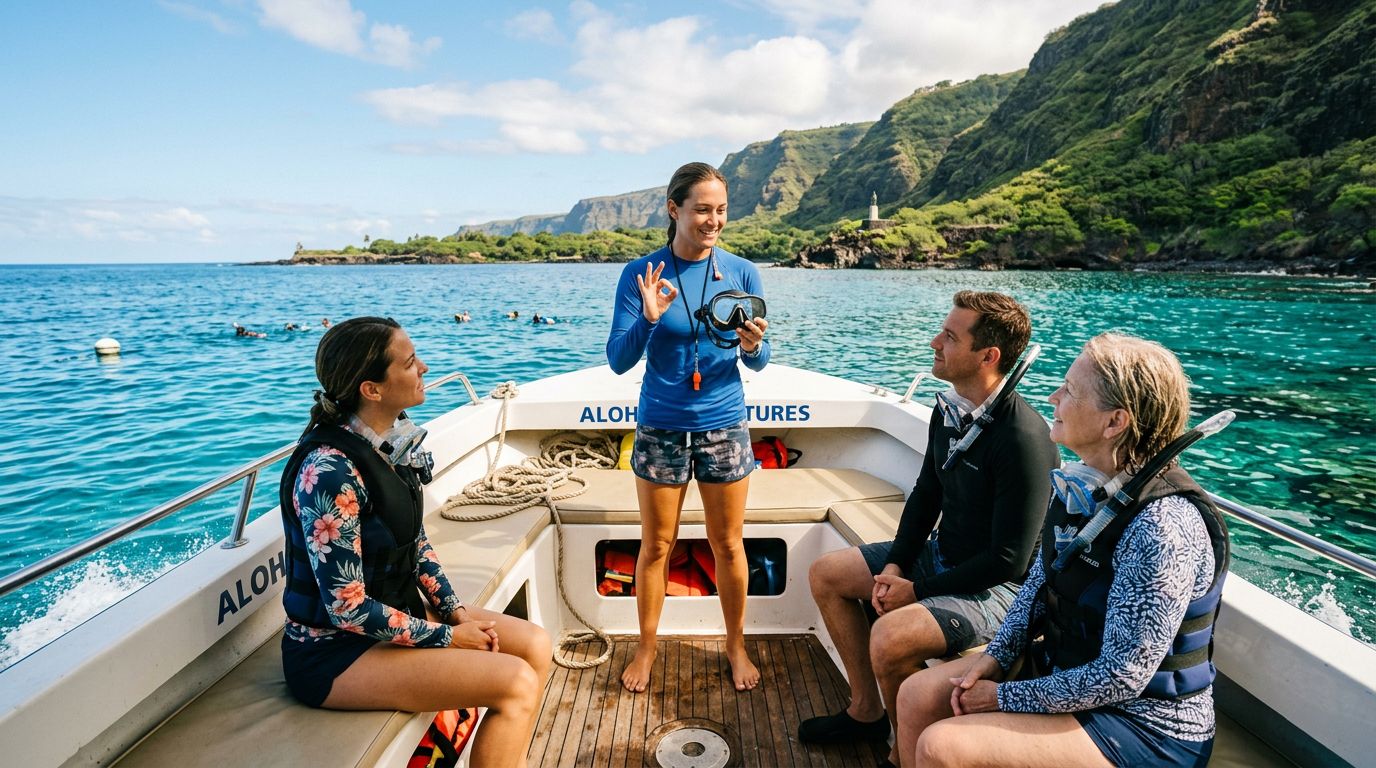
Your first few minutes on a Captain Cook snorkel tour happen before you touch the water. The guide checks your gear, explains current conditions, and shows you how to call for help, so you know what to do before the reef comes into view.
If you’ve been searching for snorkeling Big Island Hawaii, you may picture clear water and coral first. A strong briefing also covers comfort, buddy awareness, reef etiquette, and personal limits. Once you know the routine, you can focus on Kealakekua Bay without guessing what happens next.
What your Captain Cook snorkel tour briefing covers
Kona Snorkel Trips begins with a calm, practical briefing led by lifeguard-certified guides. Its “Reef to Rays” philosophy connects guest safety with respect for Hawaii’s marine life. The company also focuses on small-group service, well-maintained gear, and clear communication.
You can learn more about the route through the company’s guided Captain Cook snorkeling tour. For another local company focused on this area, Captain Cook Snorkeling Tours provides a separate booking option.
You learn the route and conditions
Before departure, the guide explains where you’ll snorkel, how the group will enter the water, and where everyone should gather afterward. You may also hear about the Captain Cook Monument, Kealakekua Bay, and the reef environment around the site.
The crew discusses the day’s wind, swell, visibility, and water movement. Kealakekua Bay can feel sheltered, but ocean conditions can still change. If the route or entry plan needs to change, you’ll hear that information before getting in.
You get time to speak up
The briefing is also your chance to mention concerns. Tell the guide if you’re new to snorkeling, uncomfortable in deep water, prone to seasickness, or unsure about the boat entry.
You don’t need to perform for the group. A guide can adjust support, explain a step again, or help you choose a more comfortable approach when you communicate early.
How the guide checks your snorkel gear
Your equipment should feel secure before you leave the boat. The guide normally checks each guest’s mask, snorkel, fins, and flotation support rather than handing over gear and sending you straight into the water.
Hawaii’s official ocean safety guidance recommends knowing how to swim before snorkeling and wearing a flotation device at minimum. Your tour briefing puts that advice into practice.
Your mask and snorkel need a proper fit
The mask should create a comfortable seal around your eyes and nose without pressing painfully against your face. The guide may ask you to test the seal, adjust the strap, and check that hair isn’t trapped beneath the skirt.
You’ll also practice breathing through the snorkel while your face is in the water. If water enters the tube or mask, the guide explains how to lift your head, clear the problem, and regain a normal breathing rhythm.
A leaking mask can distract you quickly. Fixing it at the boat is easier than struggling with it offshore.
Fins and flotation support improve comfort
Fins should fit snugly without rubbing your heels. The guide shows you how to kick with small movements and keep your legs behind you near the reef.
A snorkel vest or floatation aid helps you rest without using constant effort. It doesn’t replace group awareness, swimming ability, or listening to the guide. A practical snorkeling safety guide also recommends flotation support for comfort and reduced fatigue.
What you learn about moving in the water
The briefing helps you move efficiently, protect the reef, and stay visible to the crew. You don’t need advanced swimming skills to enjoy a guided trip, but you do need to follow the guide’s instructions.
You practice calm surface breathing
Most of your time is spent floating at the surface while breathing through the snorkel. The guide encourages relaxed breathing and controlled fin movements instead of fast kicking.
If your breathing becomes uncomfortable, lift your head and signal the guide. Don’t wait until you feel exhausted. You can pause, hold a float, or return to the boat with assistance.
The briefing may also cover clearing a flooded snorkel and removing water from your mask. Listen carefully because each guide may teach a slightly different method.
You learn hand signals and buddy habits
Your guide demonstrates signals for “okay,” “stop,” “come here,” and “I need help.” Use the exact signals shown during your briefing because operators may teach them differently.
Stay close enough to see your buddy and guide. Don’t swim far ahead, drift behind the group, or separate from the boat without permission. If you lose sight of your group, stop moving and signal instead of searching on your own.
The fastest way to turn a small problem into a serious one is to keep swimming while you’re tired, confused, or separated.
Reef and boat safety at Kealakekua Bay
A Captain Cook snorkel tour takes you to an area with living coral, fish habitat, and historic coastal landmarks. The guide explains how to enjoy the site without damaging it or creating hazards for other guests.
You keep your fins and hands away from the reef
Never stand on coral, grab rocks, or touch marine animals. Coral can break under a single careless step, and contact can harm both you and the animal.
Keep your body horizontal and use gentle kicks. If you need to rest, use your flotation aid or ask the guide for help. Avoid feeding fish because it changes their natural behavior.
Apply reef-conscious sunscreen before boarding, and follow the operator’s advice about products and ocean protection. The goal is simple: observe the reef without making contact.
You follow the boat entry and exit plan
The crew explains when to enter, where to sit, and how to use the ladder. Wait until the guide gives the signal before jumping or swimming away from the boat.
When returning, keep your fins pointed away from other swimmers and use the ladder one person at a time. Tell the crew if you need help climbing aboard. A calm, organized exit protects your fingers, knees, and fellow passengers.
If you’re booking a Kealakekua Bay trip with Kona Snorkel Trips, you can check avaialbility before your travel date.
How guides handle changing conditions
The ocean controls the schedule more than the clock does. Your guide watches the water throughout the trip and may change the plan when conditions affect comfort or safety.
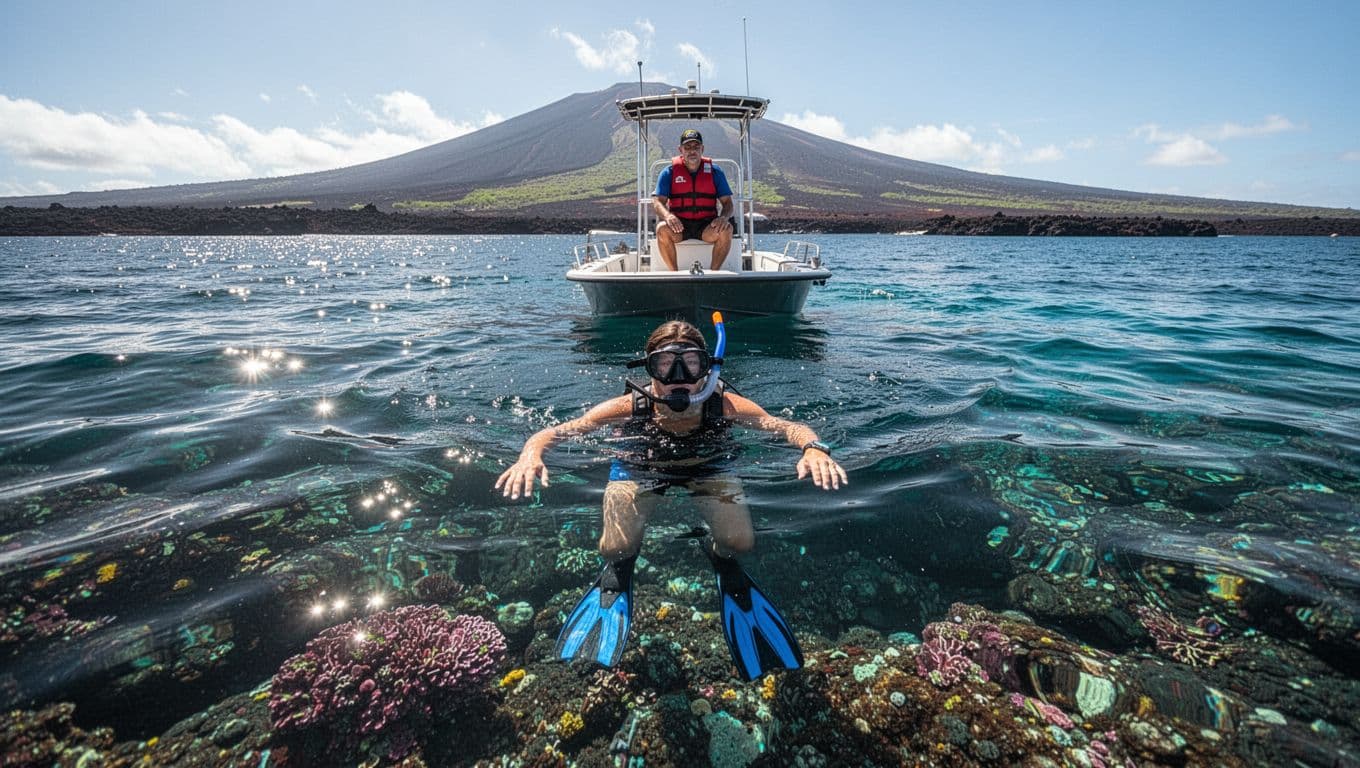
The crew watches wind, swell, and group energy
Even when the bay looks calm from shore, wind can create chop near the surface. Current, visibility, boat traffic, and the experience level of the group also matter.
The guide may move the group, shorten the swim, change the entry point, or ask everyone to return. These choices protect the whole group and allow the crew to respond before a minor issue grows.
You should report cold, fatigue, dizziness, anxiety, or equipment problems right away. The guide can’t help with a problem you keep to yourself.
You learn what to do if something goes wrong
If you need help, stop kicking and use the signal from the briefing. Stay near your buddy or guide, keep your face above water, and follow the crew’s directions.
Never swim toward shore or chase the boat alone. The crew can bring flotation support, guide you to the ladder, and account for the group. Staying calm conserves energy and makes it easier for the guide to reach you.
Reporting fatigue early gives your guide more options, including a rest period, extra flotation, or a supported return to the boat.
How to prepare before you board
Your choices before the tour affect how comfortable the briefing feels. Arrive in swimwear or quick-drying clothing, bring a towel, and follow the operator’s instructions about meeting time and parking.
Secure loose belongings and use sunscreen before boarding. If you take medication for seasickness, follow medical directions and tell the crew if you feel unwell. Avoid alcohol before entering the water.
Bring questions that affect your comfort
If you plan to snorkel Big Island waters, ask about the entry ladder, flotation options, water depth, and the expected swim distance. Families should also ask how guides support children and nervous swimmers.
If snorkeling Big Island is one of your trip priorities, choose an operator that explains safety before selling the scenery. A clear briefing helps you make informed choices throughout the excursion.
Listen before you look underwater
The reef will still be there after the briefing. Give the guide your full attention, test your equipment carefully, and remember the signals before you enter.
Those few minutes help you enjoy the water with less guesswork. They also give your guide the information needed to support you.
Why the briefing improves your Captain Cook experience
A Captain Cook snorkel tour safety briefing covers more than rules. You learn how to fit your equipment, breathe comfortably, stay with your group, protect the reef, and respond when conditions change.
For families, couples, and solo travelers, that preparation creates a calmer start. Once you understand the plan, you can pay attention to the fish, coral, volcanic coastline, and clear Pacific water.
The best time to solve a mask leak or raise a concern is before you enter the ocean. A few attentive minutes on the boat can make the rest of your Kealakekua Bay experience safer and more enjoyable.