
Big Island Boat Tours for Vacation Rental Guests
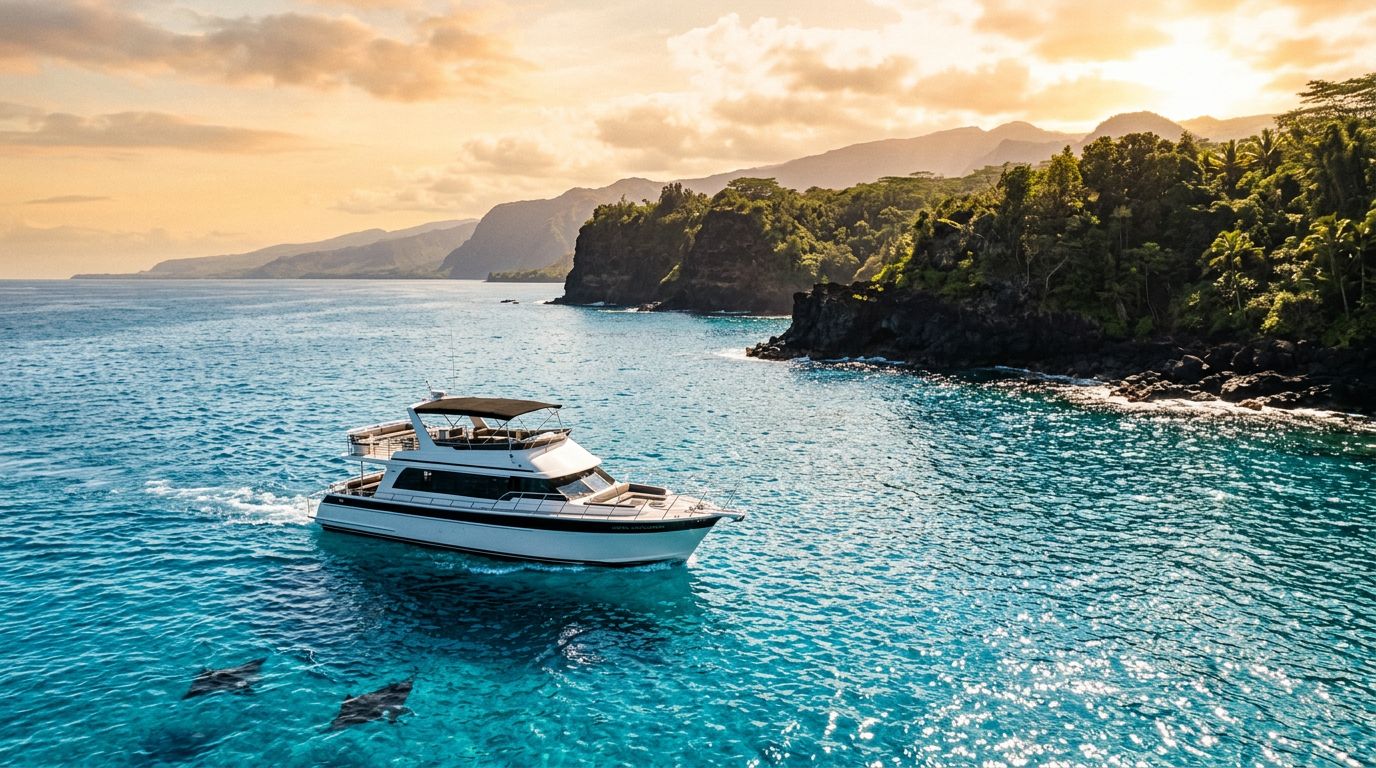
A vacation rental gives you space, privacy, and a home base, but the best ocean experiences usually begin at the harbor. Big Island boat tours let you reach clear reefs, coastal cliffs, manta ray viewing sites, and marine life areas that are difficult to access from shore.
If snorkeling Big Island Hawaii is on your trip list, planning the departure matters as much as choosing the tour. You’ll need to account for driving time, parking, check-in, weather, and what your rental already provides.
With the right preparation, you can leave your rental relaxed and arrive at the Kona coast ready for the water.
Why Big Island boat tours work well with vacation rentals
Vacation rentals and boat excursions fit together naturally. You can prepare breakfast before an early departure, store wet gear outside afterward, and return to a private space instead of a busy hotel room.
Boat tours also give you access to marine areas that may require long hikes, difficult shoreline entries, or local knowledge. A guide handles navigation and conditions while you focus on swimming, taking in the coastline, and spotting marine life.
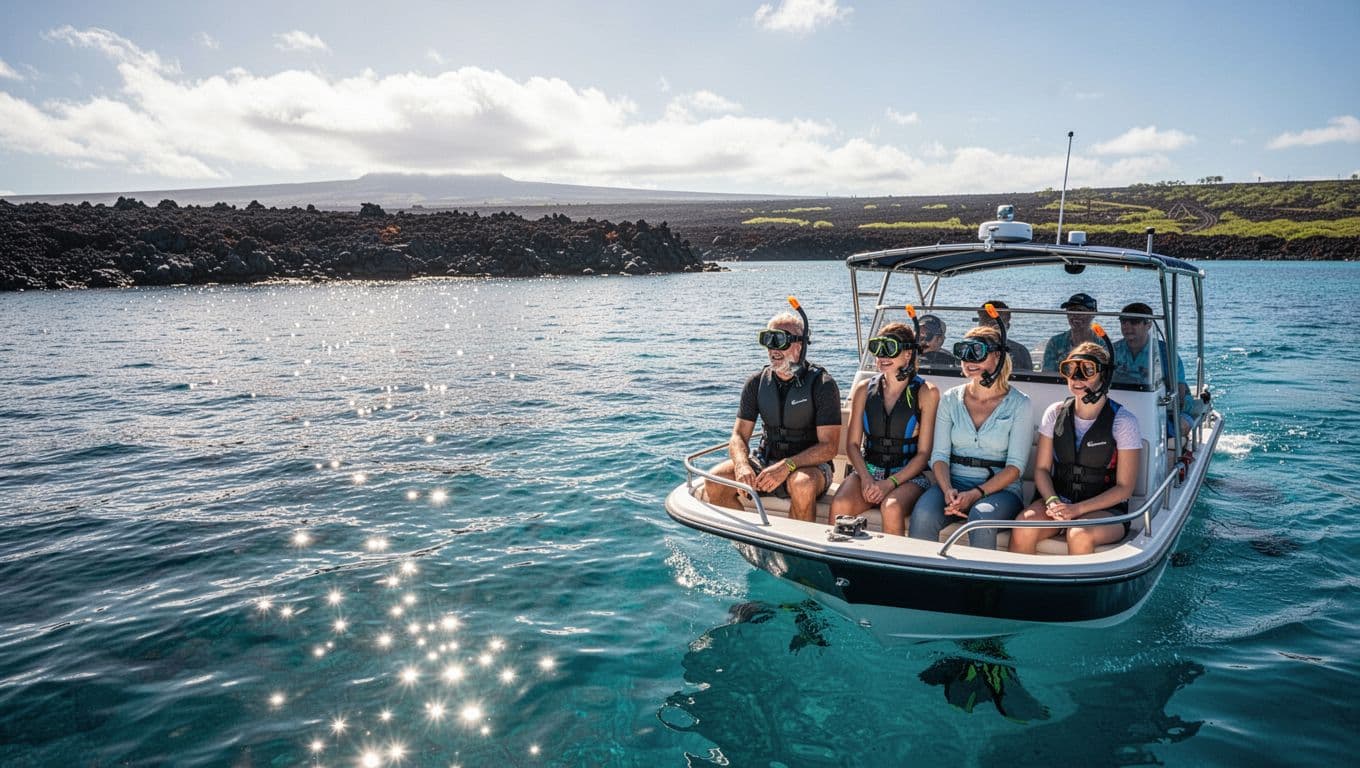
You can keep your day flexible
Most vacation rentals make it easier to manage different schedules. One person can sleep in while others prepare for a morning snorkel. Families can pack snacks, towels, and dry clothes without relying on a hotel concierge.
You’ll still need to follow the operator’s meeting time, but the rest of the day stays open. A morning excursion leaves time for a scenic drive or beach visit. An afternoon trip can follow a slower breakfast and pool time.
Private rentals also work well for groups with different comfort levels. Some guests may want to snorkel for an hour, while others prefer to watch dolphins, photograph the coast, or relax aboard the boat.
You reach water that roads cannot
Some of the Big Island’s most memorable views appear offshore. Lava cliffs, sea caves, secluded beaches, and underwater reef shelves look different from a boat than they do from land.
A boat also lets your captain adjust the route based on wind, visibility, current, and marine activity. That flexibility can make a major difference when conditions change during the day.
Plan around Kailua-Kona and Honokohau Harbor
Most west-side ocean excursions leave from the Kailua-Kona area, especially Honokohau Harbor and nearby Kona coast pickup points. Your vacation rental may be several miles inland or north along the Kohala Coast, so check the meeting location before booking.
A harbor departure usually means driving rather than walking from your accommodation. Waikoloa guests should allow extra time for traffic and parking. Travelers staying south or east of the island may need much longer.
Build in extra time before departure
Many operators ask you to arrive 30 to 45 minutes early. That time covers parking, check-in, waivers, gear fitting, and a safety briefing.
Honokohau Harbor can have wet docks, uneven pavement, limited shade, and busy arrival periods. Wear comfortable shoes for the walk from your vehicle. Keep your confirmation details easy to access on your phone, but protect the device from spray once you board.
Leave your rental earlier than your navigation app suggests. A wrong turn, a fuel stop, or a full parking area can create unnecessary stress before the boat leaves.
Check what your rental location changes
Ask your host how long it takes to reach Kailua-Kona at the time of your tour. Morning traffic can differ from the drive you made after landing.
If you stay on the Kona coast, you may have a short drive. Guests near Waikoloa or the Kohala Coast should plan more generously. Those staying near Hilo, Puna, or the Hamakua Coast should compare the driving time with the tour’s start time before committing.
Your rental’s location can also affect your return. Night manta excursions end later than morning snorkel trips, so a long drive back may feel tiring after time in the water.
Pick the right timing for your vacation
Big Island boat tours usually fit into four broad schedules: morning snorkel runs, midday coastal cruises, sunset sails, and night manta trips. Tour durations vary, but snorkel excursions often take about three to five hours. Sunset sails commonly run two to four hours.
Your best departure depends on your group, sleep schedule, and tolerance for ocean motion.
Morning trips suit first-time boat passengers
Morning departures often provide comfortable conditions along the Kona coast. Winds can increase later in the day, and early light can make the water appear especially clear.
A morning snorkel also works well for families. Children usually have more energy, and you’ll have the afternoon to dry towels, eat lunch, and rest at the rental.
If you’re prone to motion sickness, choose a morning trip when possible. Eat a light meal, drink water, and follow the operator’s guidance about medication. Avoid arriving dehydrated after a long drive or a night of poor sleep.
Sunset and night trips need more planning
Sunset sails offer changing light along the lava coast, but evening air can feel cooler once the boat leaves the harbor. Bring a light layer even during summer.
Manta ray night snorkels depart after sunset and return later in the evening. Keep the next morning flexible, especially if you’re traveling with young children. Pack dry clothes, a warm layer, and a simple snack for the ride back to your rental.
The Kona manta experience is a dedicated marine-life outing, not a standard daytime reef tour. You’ll need to pay attention during the briefing and follow instructions about entering the water, staying with the group, and giving wildlife room.
Match the boat tour to your group
The best Big Island boat tours depend on what you want to see and how your group likes to travel. A short coastal cruise may suit guests who prefer sightseeing. Strong swimmers may want a longer snorkel at a reef or bay.
Families often prefer guided reef trips
A guided snorkel can reduce the pressure on parents. Your guide explains how to use the mask and fins, points out reef fish, and helps the group stay together.
Ask about minimum ages, swimming requirements, flotation equipment, restroom access, shade, and the total time in the water. Requirements vary between operators, and a child who swims comfortably in a pool may need extra support in open ocean conditions.
For younger children, a calm route and a smaller group can make the experience easier. Let the crew know about swimming concerns before the day of departure. Clear information helps them recommend the right trip.
Couples and friends may want a focused route
Couples often choose a manta ray night snorkel, a scenic sunset sail, or a reef trip with time to enjoy the coastline. Friends may prefer a private charter that lets them combine snorkeling, sightseeing, and marine-life watching.
For a classic daytime route, the Kealakekua Bay snorkeling tour visits clear water near the Captain Cook Monument. The bay also offers striking views of steep coastal cliffs on the return journey.
Kona Snorkel Trips provides quality equipment and experienced guides for guests with different snorkeling backgrounds. If you want to snorkel Big Island waters without planning the route yourself, a guided trip keeps the day organized.
Compare Big Island boat tours by experience
A boat tour should match your main reason for going on the water. Snorkeling, wildlife viewing, and private sightseeing require different schedules and expectations.
Reef snorkeling and Kealakekua Bay
Daytime reef trips are a strong choice when you want bright water, tropical fish, and time to swim. Kealakekua Bay is one of the most recognizable snorkeling areas near Kona, with historical significance and a dramatic volcanic setting.
Your guide can help you enter the water safely and identify fish without encouraging you to touch coral or wildlife. That matters because reef areas recover slowly from physical damage.
For broader route options, you can review Big Island snorkeling tours that include private outings, remote beaches, reef sites, and seasonal wildlife watching.
Manta rays, dolphins, and whales
Kona manta ray night snorkeling is available outside the winter whale season. After dark, lights attract plankton near the surface, which can bring manta rays close to the viewing area. Guests float with the group while the animals move beneath them.
Spinner dolphins, green sea turtles, and reef fish are possible daytime sightings. However, no responsible operator can promise a wild animal encounter. Your guide can choose suitable locations, but wildlife follows its own schedule.
Humpback whales are a winter draw rather than an August highlight. NOAA’s Hawaiian Islands Humpback Whale National Marine Sanctuary describes the sanctuary’s marine life, including humpback whales, sea turtles, and spinner dolphins.
If you’re visiting during whale season, consider seasonal whale watching tours in Kona. During August, focus your expectations on warm-water reef life, dolphins, turtles, and manta rays.
Kona Snorkel Trips puts guided service first
Kona Snorkel Trips is a Kona-based ocean adventure company built around a “Reef to Rays” philosophy. The company focuses on small-group experiences, careful preparation, guest safety, and respect for Hawaii’s marine environment.
Lifeguard Certified guides lead the trips and help guests use high-quality snorkeling equipment. The operation also uses custom-built lighted boards for nighttime manta encounters. Those details matter when you’re traveling with family members or friends who have different levels of ocean experience.
The company’s tours include daytime snorkeling, Captain Cook and Kealakekua Bay trips, manta ray night snorkeling, seasonal whale watching, private charters, and custom ocean outings. Its private charters can accommodate different types of plans, including reef snorkeling, coastal sightseeing, marine-life watching, and time at remote beaches. Families should confirm age and life-jacket requirements, since infant life jackets aren’t available on private charters.
You can check availability before finalizing the rest of your vacation schedule.
A small group can change the day
Large boats may offer more space, but smaller groups often make it easier to hear the guide and ask questions. You also spend less time waiting for other guests to enter or leave the water.
Kona Snorkel Trips combines marine education with reef-safe practices. Guides can show you how to observe fish, coral, turtles, dolphins, and manta rays without chasing or touching them.
That approach fits vacation-rental guests who want a personal experience rather than a crowded schedule.
Pack smart using your vacation rental
You don’t need to overpack for a boat trip. Most operators provide masks, fins, flotation equipment, and other core gear. Ask what’s included before you fill your day bag.
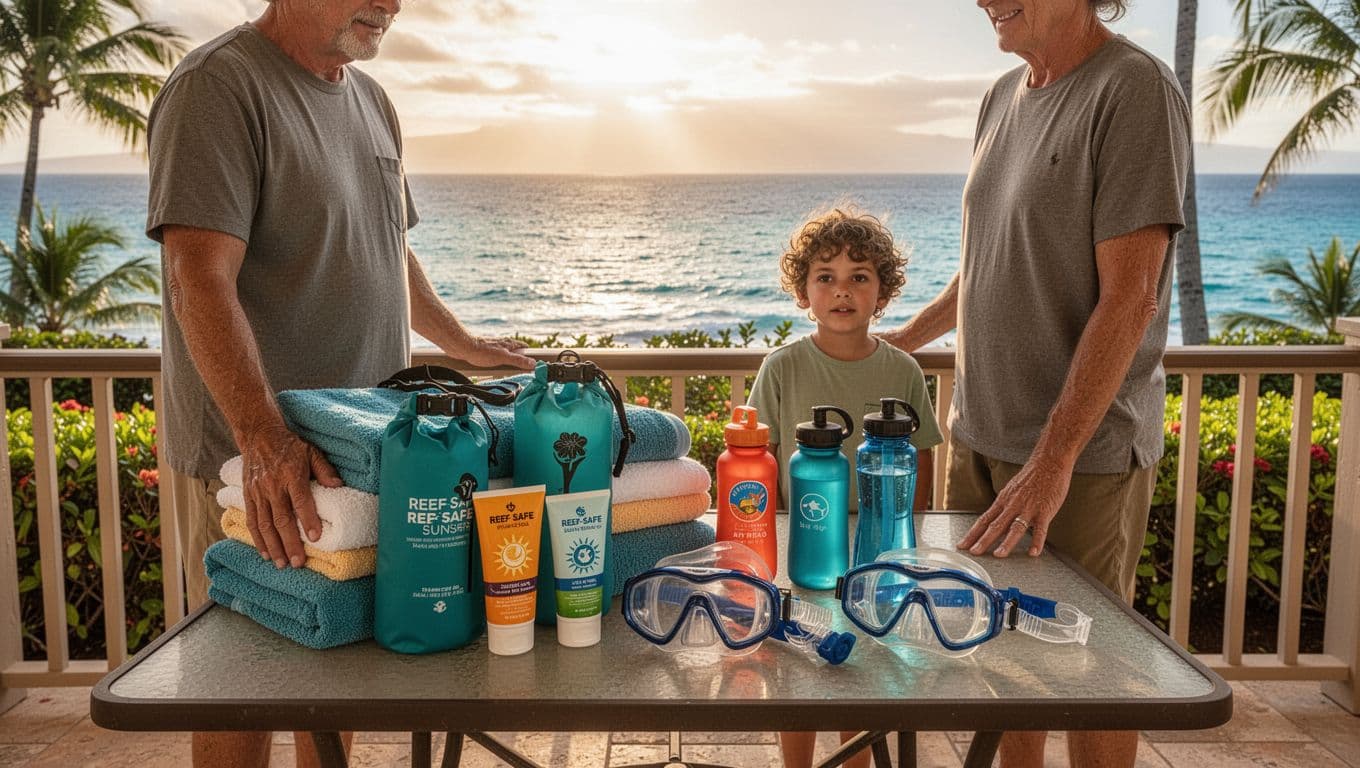
Gather useful items before leaving
Your rental can supply several practical basics, including towels, reusable water bottles, a cooler, and a change of clothes. Confirm whether the property allows wet items on the lanai or in the entry area.
Bring only what you can secure. Loose hats, phones, and sunglasses can slide across a wet deck or fall overboard. A small dry bag protects essentials better than a loose tote.
Pack:
- A towel and dry clothes for the ride back.
- Water and a light snack if the operator permits them.
- Reef-compatible mineral sunscreen.
- A light jacket for sunset or night trips.
- Prescription medication in a waterproof container.
- Motion-sickness medication if you normally need it.
Leave valuable jewelry and unnecessary electronics at the rental.
Choose sun protection carefully
Hawaii restricts the retail sale of sunscreens containing oxybenzone and octinoxate. The practical choice is a mineral sunscreen with zinc oxide or titanium dioxide as an active ingredient.
You can review the current Hawaii reef-safe sunscreen rules before shopping. Apply sunscreen before boarding, then follow your operator’s instructions about reapplication.
Many marine operators use stricter reef-friendly policies than the minimum sales restriction. Respect those rules, and avoid applying oily products immediately before entering the water.
Read the ocean and protect the reef
Kona often has favorable conditions for ocean activities, but no forecast guarantees a calm trip. Wind, swell, current, rainfall, and visibility can change during the day.
August conditions can vary by coast
August brings warm water and summer trade winds. Kona’s west-facing waters are often more sheltered than the windward and southeast coasts, yet afternoon wind chop can still affect comfort and visibility.
On August 16, 2026, the National Weather Service issued a high surf warning for east-facing shores of the Big Island. The warning included much larger surf on the windward and southeast coasts than visitors might expect from a calm Kona morning.
Check the National Weather Service Hawaii surf forecast before leaving your rental. You can also review the Kailua-Kona leeward waters forecast for conditions closer to many west-side departures.
A calm Kona morning doesn’t tell you what the windward side is doing. Check the forecast for your departure coast, not only the beach nearest your rental.
Captains may change the route, limit swim time, delay departure, or cancel when conditions become unsafe. That decision protects guests and crew.
Observe marine life without touching it
Wildlife viewing works best when you let the animals control the encounter. Don’t chase dolphins, block a turtle’s path, touch coral, or reach toward manta rays.
NOAA’s marine life viewing guidelines include distance recommendations for several species, including spinner dolphins. Your guide will also provide local instructions for the specific site and activity.
Use a mask to look closely, but keep your fins away from the reef. Good buoyancy control protects coral and prevents accidental contact. If you need help, signal the guide rather than standing on the bottom.
For more local conservation guidance, the Hawaii Department of Land and Natural Resources offers a community guide for caring for coastal resources.
Book the excursion around your rental schedule
You’ll have a better experience when you book the boat before filling every day with drives and activities. A tour can take most of a morning, afternoon, or evening once transportation and check-in are included.
Ask these questions before booking
Contact the operator if the website doesn’t answer questions about your group. Confirm:
- The exact meeting point and parking instructions.
- Required arrival time and total trip duration.
- Minimum age and swimming ability.
- Included gear, flotation devices, food, and drinks.
- Restroom access and available shade.
- Cancellation policies for weather.
- Whether the route can change based on conditions.
These details help you compare tours accurately. A lower advertised price may not include the same equipment, route, group size, or time on the water.
Leave space for weather changes
Avoid scheduling a demanding drive immediately after a boat trip. You may return tired, wet, or hungry, especially after a night manta excursion.
Keep a flexible day after your tour if possible. That gives you room to move plans if wind, surf, or visibility affects the original departure.
Guests looking for more control can consider private Kona boat charters. A private outing can be tailored around your group’s interests, whether you want to snorkel, watch for whales in season, explore the coast, or spend more time aboard.
For Captain Cook plans, you can check avaialbility. For a manta ray outing, use the separate check availability link.
Make the most of your Kona departure
The small choices you make before leaving your vacation rental can shape the whole day. Fuel the car, pack dry clothes, download your confirmation, and check the marine forecast before you go.
Give yourself enough time to find Honokohau Harbor without rushing. Once you arrive, listen carefully to the crew briefing and tell the guide about concerns such as motion sickness, limited swimming ability, or a child who needs extra support.
A good boat tour balances adventure with practical comfort. You get the clearest expectations when you choose the route, timing, and group size that fit your travelers.
Choose a boat tour that fits the way you travel
Vacation rentals give you flexibility, while Big Island boat tours give you access to the Kona coast’s reefs, cliffs, bays, and marine-life habitats. Morning trips often suit families and first-time boat passengers. Evening departures work well for sunset views and manta ray encounters. Private charters offer the most control for groups with specific interests.
Start with your rental location, then compare the harbor drive, meeting time, conditions, included gear, and wildlife guidelines. When you prepare well, your day on the Pacific feels less like another reservation and more like the reason you came to the island.