
Keeping Kids Warm on a Captain Cook Snorkel Tour
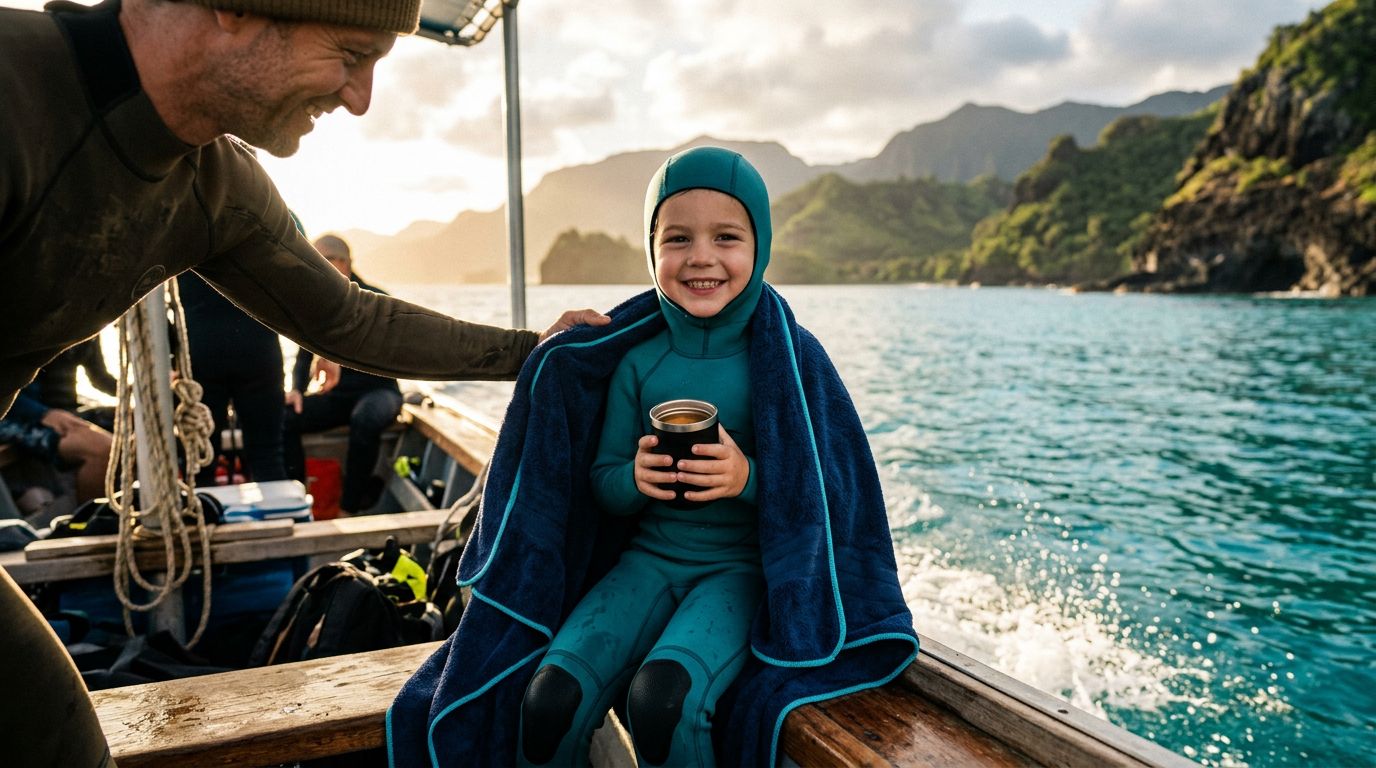
A child who starts shivering can lose interest in a beautiful reef within minutes. On a Captain Cook snorkel tour, keeping young swimmers warm takes more than packing a towel. You need the right layers, sensible swim breaks, sun protection, and a boat plan that limits exposure to wind.
Kona Snorkel Trips offers small-group ocean adventures with lifeguard-certified guides, quality snorkeling equipment, and a strong focus on guest safety. If you’re comparing local options, Captain Cook Snorkeling Tours is another company focused on Kealakekua Bay outings. Your family’s comfort begins before you reach the water, so start with the clothing and conditions your child can handle.
Key Takeaways
- A properly fitted wetsuit or neoprene top usually keeps young children warmer than a thin rash guard alone.
- Wind on the boat can make children feel cold before and after they enter the water.
- Pack dry layers, towels, warm drinks, and a change of clothes in a waterproof bag.
- Short snorkeling sessions with regular boat breaks work better for many young swimmers.
- Ask about water conditions, gear sizes, shade, and family policies before booking.
Why Young Children Get Cold While Snorkeling
Warm Hawaiian weather doesn’t guarantee that your child will feel warm in the ocean. Children often cool down faster than adults because they have smaller bodies and less body mass to hold heat. They may also spend long periods floating without moving their arms and legs.
Water conducts heat away from the body much faster than air. A child can feel comfortable on the beach, enter the bay, and begin shivering after a short time. The effect becomes stronger when a breeze hits wet skin.
Boat travel adds another source of cooling. Even on a calm day, the wind created by the moving boat can chill wet hair, shoulders, and exposed legs. That matters most during the ride back to the harbor, when your child may already feel tired.
Pay attention to early signs. Shivering is obvious, but you might also notice pale lips, goosebumps, quiet behavior, slow movements, or complaints about being tired. Younger children may not describe cold clearly. They might cling to you, stop looking through the mask, or become upset without knowing why.
A child doesn’t need to be visibly shaking before you call for a warm-up break. Early breaks are easier than trying to warm up a tired, cold swimmer.
Water temperature, wind, cloud cover, and the length of each swim all affect comfort. Therefore, don’t plan around air temperature alone. A sunny forecast can still include a breezy boat ride and cool water for a small child.
The best family plan gives your child a way to get warm without embarrassment or pressure. If snorkeling stops being fun, return to the boat, dry off, and let your child decide whether to try again.
Choose the Right Clothing for a Captain Cook Snorkel Tour
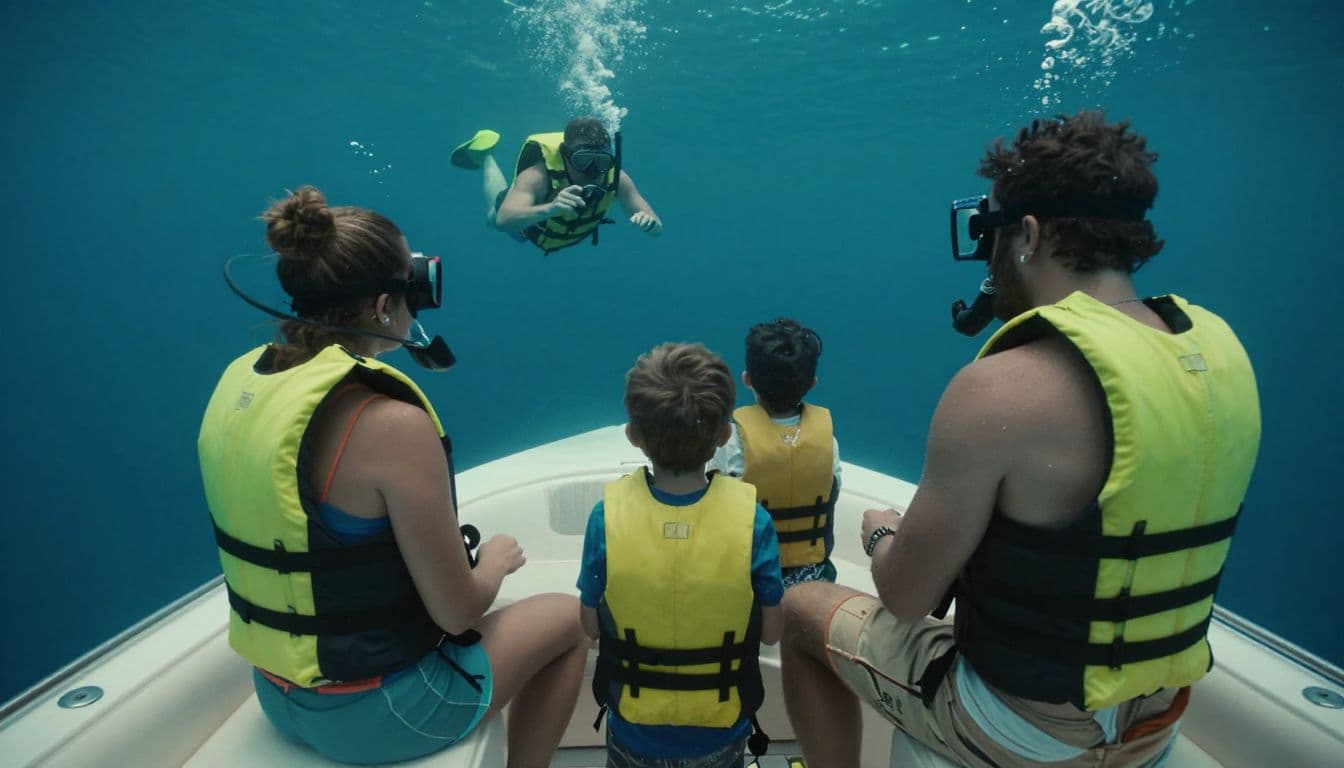
Your child’s swimwear is the first line of defense against cold water and sun. For many young swimmers, a thin neoprene wetsuit, shorty wetsuit, or neoprene top offers more warmth than a standard swimsuit.
A full wetsuit covers the torso, arms, and legs. It can work well for children who get cold quickly or spend a long time in the water. A shorty wetsuit leaves the lower arms and legs exposed, so it may suit an active child who warms up easily.
A neoprene vest or jacket gives warmth around the chest without covering the entire body. This option can be easier for children who dislike tight sleeves or full-length suits. However, exposed arms and legs still need sun protection.
A rash guard helps protect skin from the sun and reduces rubbing from a flotation vest. It adds only limited warmth, especially when wet. Use it as part of a clothing plan, not as a replacement for insulation if your child tends to feel cold.
For more guidance on materials and coverage, compare this kids’ ocean wetsuit guide. A close fit matters because loose neoprene allows water to flush through the suit.
This table can help you choose a starting point based on your child’s habits.
| Clothing option | Warmth | Best for | Points to check |
|---|---|---|---|
| Full wetsuit | Highest | Children who get cold quickly | Fit around the neck, wrists, and ankles |
| Shorty wetsuit | Medium to high | Active swimmers in warm conditions | Exposed arms and legs need protection |
| Neoprene top | Medium | Children who dislike full suits | Keep the torso covered and comfortable |
| Rash guard | Low | Sun protection and comfort | Add another warm layer if needed |
| Swimsuit alone | Lowest | Very brief swims for warm-natured children | Bring dry layers for every child |
Avoid buying a suit several sizes too large so your child can “grow into it.” A loose suit can feel bulky, rub the skin, and provide less warmth. At the same time, a suit that’s too tight can restrict breathing and make it difficult to move.
Have your child try the clothing before the trip. Let them walk, sit, lift their arms, and practice putting the mask strap over the suit. Small problems are easier to fix at home than on a boat.
Ask What the Tour Operator Provides
Tour operators often provide masks, snorkels, fins, flotation equipment, and other safety gear. However, the sizes and clothing options can vary. Ask direct questions before you reserve your seats.
Find out whether the crew carries children’s wetsuits or neoprene tops. Ask about the smallest available life jacket, whether children can use flotation belts, and how the crew handles a child who wants to leave the water early.
You should also ask about shade and dry storage. A shaded seating area helps your child warm up without more sun exposure. Dry storage keeps towels and spare clothes from becoming damp before you need them.
Kona Snorkel Trips builds its outings around small groups, quality gear, and lifeguard-certified guides. The company also follows a “Reef to Rays” philosophy, which combines marine education with reef-safe practices. Those details matter when you want a guide who can watch the water while also paying attention to a young swimmer’s comfort.
You can review the company’s Big Island snorkeling tours before choosing the right outing. Look at the tour description, meeting instructions, age requirements, and included equipment. Then contact the operator with your child’s age, swimming experience, and usual response to cold water.
Use the following questions when you call or send a message:
- What wetsuit or neoprene sizes do you carry for children?
- Does the boat have a shaded area where a child can warm up?
- Can a child return to the boat while the rest of the group keeps snorkeling?
- How long does the boat ride take?
- What happens if ocean conditions change during the trip?
Clear answers help you choose a tour that fits your family instead of forcing your child into an uncomfortable schedule.
If you’re ready to compare dates for a Kona Snorkel Trips outing, you can check availability.
Pack a Warm-Up Bag for the Boat
The right warm-up supplies can make the return ride much more pleasant. Keep them in a small waterproof bag that stays easy to reach. Don’t bury the bag under fins, beach gear, and shoes.
Pack one large towel per child, plus a spare towel if you have room. A wet towel offers little warmth, especially when wind moves across the boat. Microfiber towels dry quickly and take up less space than thick beach towels.
Bring a loose, dry layer for the ride back. A hooded sweatshirt, fleece pullover, or lightweight jacket can cover the torso and arms. Loose clothing is easier to put on over damp swimwear than tight cotton shirts.
A waterproof bag should also hold:
- Dry underwear and shorts
- A second rash guard or long-sleeve shirt
- A hat with a secure fit
- Warm socks for the drive afterward
- Refillable water bottles
- Simple snacks your child already eats comfortably
Warm drinks can help older children feel more comfortable, but they aren’t required. Water and familiar snacks are often enough after a short swim. Avoid giving a young child a hot drink on a moving boat unless the crew says it’s safe.
Pack reef-safe sunscreen for the parts of the body that clothing doesn’t cover. Apply it before boarding, then follow the operator’s instructions about reapplication. A wetsuit or rash guard does not protect the face, hands, feet, and lower neck unless those areas are covered.
Keep one dry set in the car as well. Even a child who stays warm on the boat may be damp after changing. A dry seat towel can protect the car and give your child a more comfortable ride back to your hotel.
Use Short Snorkeling Sessions and Regular Breaks
Young children rarely need a long uninterrupted swim to enjoy Kealakekua Bay. A short session can give them time to see colorful fish, coral, and the clear water around the Captain Cook Monument without exhausting them.
Start with a calm introduction. Let your child sit on the boat, hold the mask, and practice breathing through the snorkel. If the crew offers a shallow-water orientation or easy entry point, use that time to adjust the mask and flotation gear.
Once your child enters the water, watch more than their face. Notice whether their legs keep moving and whether they can hold a relaxed position. A child who kicks hard to stay afloat may become cold and tired sooner.
Return to the boat before your child reaches that point. Remove the snorkel, dry the face, and add a warm layer. A five-minute break can restore comfort, while waiting too long may end the activity for the day.
Children also lose heat when they float in one place. Encourage gentle kicking only when it helps them move toward something interesting. Don’t ask them to keep swimming solely to stay warm. The goal is comfort and control, not distance.
A flotation device can help reduce energy use, but it must fit correctly and remain within the operator’s safety rules. Never add personal floatation gear that interferes with the life jacket or harness provided by the crew.
If siblings have different comfort levels, let them follow separate schedules. One child may want several short swims, while another may prefer to watch from the boat. Both can enjoy the trip.
The most successful family outings often have a flexible rhythm: prepare, enter, explore, warm up, and decide what comes next.
Make the Boat Ride Comfortable Before and After Swimming
The ride can feel colder than the snorkeling itself. Wet skin, moving air, and shade combine quickly, especially for a small child sitting still. Prepare for the boat ride as carefully as you prepare for the water.
Dress your child in swimwear and warm layers that can come off easily. Avoid complicated buttons or tight clothing that takes several minutes to remove. Keep the dry layer near your child’s seat, not in a bag at the opposite end of the boat.
Ask where children can sit during the ride. A seat away from direct wind may feel warmer than an exposed front position. Follow crew instructions, because safe seating matters more than finding the warmest spot.
After snorkeling, remove wet fins and excess water before your child puts on dry clothing. Pat the skin dry, especially around the neck and shoulders. Then add the warm layer while your child is still under cover.
A hood can help, but only if it doesn’t block your child’s hearing or interfere with safety instructions. Never let loose clothing cover a life jacket in a way that affects its fit.
For families planning a full day of snorkeling Big Island Hawaii, schedule quiet time after the tour. Children may feel fine on the boat and become tired once they return to shore. A snack, water, dry clothing, and a slower afternoon can prevent a fun outing from becoming an exhausting one.
If your child becomes unusually sleepy, confused, weak, or unable to warm up, tell the crew immediately. Follow their instructions and seek medical help when advised.
Choose the Best Time and Tour Style for Your Family
Morning tours can work well for families because children are often rested and ready to swim. Afternoon outings may suit families who prefer a slower start, but wind and clouds can affect how cold your child feels later in the day.
Check the forecast, then ask the operator about the day’s expected conditions. A forecast alone won’t tell you how exposed the boat ride will feel or whether the crew expects a calm entry.
Kealakekua Bay is a popular destination for snorkeling Big Island visitors because it combines clear water, reef habitat, and the historic Captain Cook Monument. Still, every child responds differently to the boat ride, mask, saltwater, and temperature.
A private trip may give your family more control over timing and breaks. Kona Snorkel Trips offers private Kona tours for families who want a more customized schedule. This option can make sense when one child needs frequent warm-up breaks or your group has mixed swimming abilities.
For a standard shared trip, choose an operator that welcomes questions and explains its safety process. You want guides who can give your child attention without leaving the rest of the group unsupported.
If your child is too young to snorkel independently, ask whether an adult can stay beside them in the water. The answer may depend on the boat, crew, equipment, and current conditions. Never assume that a child can participate simply because they meet a general age guideline.
Families often search for where to snorkel Big Island visitors’ favorite reefs, but the most scenic location isn’t always the best match for a young child. Pick the tour that fits your child’s stamina, swimming skills, and willingness to follow instructions.
Help Your Child Feel Ready Before Boarding
Children handle cold water better when they know what will happen. Explain that the boat may feel windy, the mask may need adjusting, and they can ask for a break whenever they feel uncomfortable.
Practice mask breathing in a pool or calm beach water before your tour. Keep the practice short and positive. Your child doesn’t need perfect technique before arriving, but familiarity with the mask can prevent stress on the boat.
Let your child help choose the dry sweatshirt and towel. Pack a familiar snack and explain where the warm-up bag will stay. These small choices give children a sense of control.
Avoid promising that the water will feel warm. Tell your child that the crew will help them choose equipment and that they can return to the boat when they need a break. Honest expectations build trust.
You can also set one simple rule: tell an adult as soon as you feel cold. Children sometimes stay quiet because they don’t want to stop the group. Make it clear that leaving the water is always acceptable.
During a Captain Cook snorkel tour, guides may explain reef etiquette, marine life, and safe movement in the water. Encourage your child to listen before entering. Staying close to the guide and avoiding contact with coral protects both your child and the reef.
When Your Child Should Skip the Water
A child who feels unwell before boarding may not improve in the ocean. Fever, vomiting, diarrhea, unusual fatigue, or breathing problems are reasons to postpone and ask a healthcare professional for advice.
Motion sickness can also make a tour difficult. Ask the operator about practical steps before departure, and use only medications that your child’s healthcare provider has approved for them. Keep your child hydrated and avoid heavy meals immediately before the boat ride.
Don’t force a child into the water because the trip is already booked. A child can watch from the boat, enjoy the ride, and try snorkeling another day. Pressure often makes fear worse and can create a lasting negative memory.
Weather and ocean conditions can change. The captain may alter the route, shorten the swim, or cancel an outing when conditions don’t support a safe trip. Accept those decisions, especially when traveling with young children.
Your family can still enjoy the coastline, learn about Kealakekua Bay, and make a good day of the outing without spending a long time in the water.
A Simple Warmth Plan for Your Tour Day
Use this sequence to keep the day organized:
- Before leaving your hotel, dress your child in comfortable swimwear and pack a dry layer, towel, water, and snacks.
- Before boarding, apply sunscreen and tell the crew your child’s age, swimming level, and tendency to get cold.
- During the ride, keep the warm layer accessible and choose a seat that follows crew guidance while reducing direct wind.
- Before entering, check the wetsuit, mask, snorkel, fins, and flotation equipment for comfort and fit.
- During the swim, watch for early signs of cold and return to the boat before your child becomes exhausted.
- After the swim, dry your child quickly, add warm clothing, and offer water and a familiar snack.
Kona Snorkel Trips’ Captain Cook outing takes you toward Kealakekua Bay, where guides can provide local context while helping guests follow safe snorkeling practices. You can check avaialbility for dates that fit your vacation.
Conclusion
Keeping your child warm on a Captain Cook snorkel tour comes down to preparation and flexibility. Choose fitted layers, protect your child from boat wind, keep dry clothing close, and take breaks before your child becomes uncomfortable.
Kealakekua Bay can be an exciting family destination, but your child doesn’t need to spend the entire trip in the water. A short, comfortable swim often creates a better memory than a long session that ends with shivering. When your child feels warm, supported, and heard, the reef becomes a place they want to explore again.