
Captain Cook Snorkel Tour From Waikoloa Beach Resort
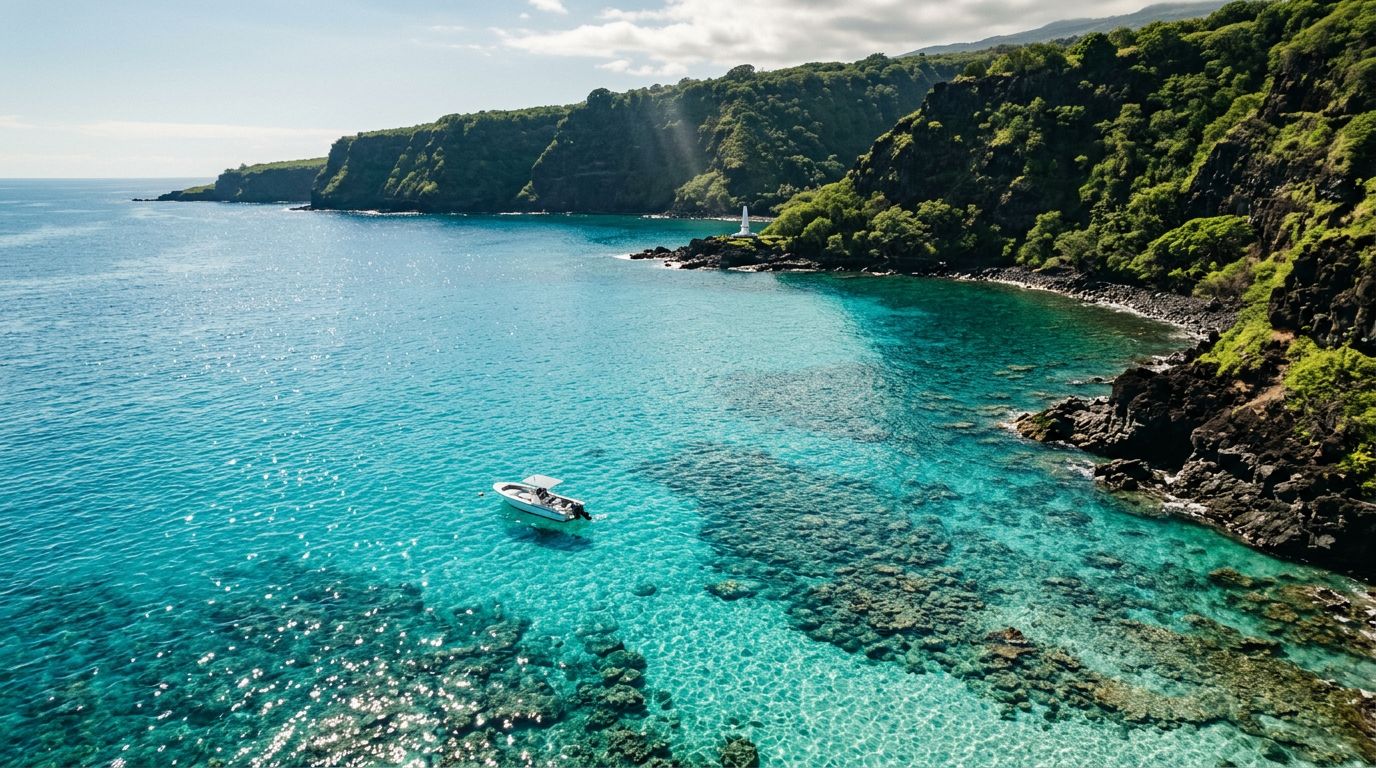
Kealakekua Bay is one of the Big Island’s most rewarding snorkeling destinations, but reaching it from Waikoloa Beach Resort takes some planning. A guided Captain Cook snorkel tour helps you skip the guesswork and spend more time in clear water near the historic monument.
You’ll need to coordinate your resort departure, harbor arrival, gear, and ocean conditions. Once those details are handled, your day can focus on reef fish, volcanic scenery, and the protected waters of Kealakekua Bay. Start by understanding what makes this location worth the drive.
Key Takeaways
- Kealakekua Bay offers clear water, rich marine life, and dramatic volcanic coastline.
- From Waikoloa, you’ll usually travel to a Kona-area harbor before boarding the boat.
- A guided tour gives you local knowledge, safety support, quality equipment, and a planned route.
- Kona Snorkel Trips offers small-group Captain Cook excursions with lifeguard-certified guides.
- Book early during busy travel periods, then confirm your meeting point and arrival time.
Why Kealakekua Bay Is Worth the Drive From Waikoloa
Waikoloa Beach Resort sits on the Kohala Coast, while Kealakekua Bay is farther south along the Kona coast. The drive takes time, but the underwater setting makes the journey worthwhile.
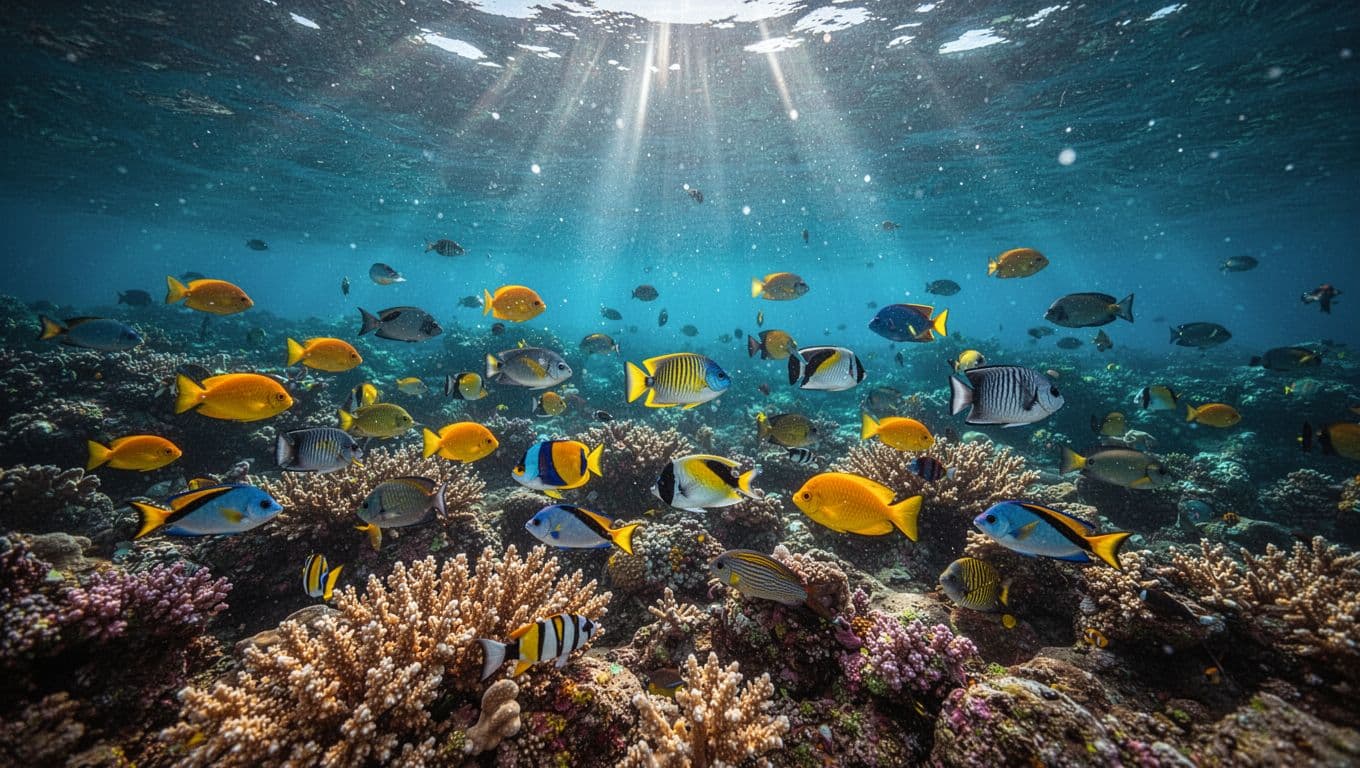
Kealakekua Bay has steep volcanic cliffs, sheltered water, and a marine environment that feels different from many resort beaches. Near Kaawaloa, the area around the Captain Cook Monument offers excellent snorkeling conditions when the ocean is calm. You may see brightly colored reef fish, green sea turtles, and other Hawaiian marine life, although wildlife sightings are never guaranteed.
The bay is also a place of major cultural and historical importance. Captain James Cook arrived in Hawaii in 1779, and the monument at Kaawaloa commemorates the location connected to his death. You’ll get more from the visit when you treat the bay as both a living ecosystem and a historic site.
If you’re researching snorkeling Big Island Hawaii, you’ll find that Kealakekua Bay appears in many travel plans for good reason. The combination of water clarity, reef habitat, and coastline makes it a standout destination for first-time snorkelers and experienced swimmers.
The bay’s geography adds to the experience. Tall cliffs rise above the water, while lava formations continue below the surface. In calm conditions, visibility can make the reef seem close enough to touch, even when you’re floating several feet above it.
Love Big Island’s guide to Kealakekua Bay offers additional background on the monument, access points, and snorkeling area. You can use that information to understand the destination before you arrive, then let your crew handle the water logistics.
What the Trip Looks Like From Waikoloa Beach Resort
Your resort is not usually the boat departure point for a Captain Cook excursion. Most visitors drive to a Kona-area harbor, meet the crew, and board there. Your reservation confirmation should list the exact location, parking instructions, and required arrival time.
Plan extra time for the drive. Traffic, construction, navigation mistakes, and resort roads can all slow you down. Arriving late can create stress for you and the crew, especially when the boat has a fixed launch schedule.
Before leaving Waikoloa, check four details:
- The exact harbor address and parking instructions
- The required check-in time
- What your tour includes, such as snorkel gear, flotation equipment, and refreshments
- Whether you need to bring towels, reef-safe sunscreen, water, or personal medication
Wear your swimsuit beneath comfortable clothing. A light cover-up helps during the drive and protects you from the sun before boarding. Keep valuables at your resort or secure them according to the operator’s instructions.
The boat ride to Kealakekua Bay can be part of the experience. Along the Kona coast, you may pass lava shoreline, sea cliffs, and open Pacific water. Depending on the route and conditions, the crew may point out marine life or notable coastal features.
Your captain also needs flexibility. Ocean conditions can change during the day, and the best route may differ from the original plan. A professional crew will choose the safest practical location rather than forcing a stop in rough water.
For that reason, avoid treating the itinerary as a promise of one exact viewing spot. The goal is a safe, enjoyable ocean day with the best available conditions. Kealakekua Bay may be the central destination, but the crew’s judgment affects how the trip unfolds.
What You Can See While Snorkeling at Captain Cook
The area around the Captain Cook Monument is known for its reef habitat and clear water. When visibility is good, you can observe fish behavior, coral formations, lava shelves, and changes in depth without needing advanced diving skills.
You may see yellow tang, convict tang, parrotfish, butterflyfish, wrasse, and other Hawaiian reef species. Green sea turtles sometimes pass through areas where food and shelter are available. Keep your distance and never chase, touch, or block a turtle’s path.
The reef rewards patience. Instead of swimming quickly across a large area, slow your breathing and watch one section at a time. Fish often become easier to spot when you stop kicking and let the water settle around you.
Snorkeling conditions depend on wind, swell, tide, sunlight, and recent weather. Morning tours often have calmer water, but no departure time guarantees perfect visibility. Your guide will assess the conditions and may adjust the plan.
A Captain Cook snorkel tour can also appeal to people who prefer a balanced day. You’ll spend time in the water, but you’ll also see the coastline from the boat. That variety helps families and mixed groups enjoy the outing together.
Strong swimmers may want to explore farther, while newer swimmers may stay close to the boat or guide. Both approaches are valid. You don’t need to cover the entire bay to have a memorable experience.
Never stand on coral or use it to push yourself forward. Coral can break under very little pressure, and cuts from the reef can become painful. Keep your hands to yourself, stay aware of your fins, and follow the crew’s instructions around wildlife.
When you search for places to snorkel Big Island, look for more than water clarity. A good destination also needs responsible access, proper supervision, and a plan that matches your swimming ability.
Choosing a Tour From Waikoloa
The right tour depends on your group, comfort level, and priorities. A large commercial boat may suit travelers who want a lower price or a social atmosphere. A small-group trip may suit you better if you value personal guidance and more space on the boat.
Ask these questions before booking:
- Where does the tour depart?
- How early should you arrive?
- What equipment is provided?
- Are flotation devices available?
- What happens if ocean conditions change?
- Is the trip suitable for children or less-confident swimmers?
- Does the crew provide instruction before entering the water?
A quality operator should answer those questions clearly. You should also review age limits, swimming requirements, cancellation terms, and accessibility information before paying.
Kona Snorkel Trips focuses on small-group ocean adventures with a strong safety and conservation focus. Its guides are lifeguard certified, and the company provides carefully selected snorkeling gear for guests. The crew also teaches reef-safe practices, so you can enjoy the bay without damaging the habitat.
You can browse the company’s Big Island snorkeling tours to compare its Captain Cook experience with other Kona ocean outings. The page is useful if you’re building a vacation schedule that includes more than one water activity.
If you are comparing operators, you may also see Captain Cook Snorkeling Tours while researching Kealakekua Bay trips. Compare each company’s departure point, group size, guide qualifications, equipment, and booking terms rather than choosing from the name alone.
Kona Snorkel Trips follows a “Reef to Rays” philosophy. Its focus extends beyond a single excursion, with attention to guest care, marine education, and the long-term health of Hawaii’s reefs.
How to Prepare for Your Snorkeling Day
Preparation matters more when you’re traveling from a resort. You’ll have a drive before the boat ride, so pack only what you need and leave enough time for the road.
Reef-safe sunscreen is a smart choice, but apply it before boarding and follow the crew’s instructions. Hawaii restricts the sale of sunscreens containing oxybenzone and octinoxate, two ingredients linked to coral damage. Mineral sunscreen is often a practical option, although shade and sun-protective clothing reduce the amount you need.
Bring a reusable water bottle if the operator allows it. Hydration matters in the sun, even when you’re surrounded by ocean water. A small towel, dry change of clothes, sunglasses, and a hat can make the ride home more comfortable.
If you wear contact lenses, ask your eye-care provider whether they are suitable for snorkeling. Prescription masks may be available through some operators, but you should confirm before your trip.
Motion sickness deserves attention before you leave Waikoloa. If you’re sensitive to boat movement, eat a light meal, avoid heavy alcohol consumption, and ask your doctor about suitable medication. Follow medical guidance and take any medication at the recommended time.
Children need a realistic plan. A child who enjoys a resort pool may still feel nervous in open water. Talk about the mask, snorkel, fins, and boat before the tour. A flotation device and calm adult support can make the first entry easier.
You should also be honest about your swimming ability. Tell the crew if you’re uncomfortable in deeper water, need extra help, or have a medical condition that affects swimming. Guides can support you more effectively when they have accurate information.
Most importantly, follow the safety briefing. Stay within the designated area, listen for instructions, and return to the boat when asked. Ocean conditions can change quickly, even during a calm morning.
Booking a Captain Cook Snorkel Tour
Your booking decision should match your travel dates and the type of day you want. During busy periods, popular tours can fill before you arrive on the island. Reserve early if Kealakekua Bay is a priority, especially when your schedule has limited flexibility.
When you book with Kona Snorkel Trips, review the confirmation carefully. Check the harbor location, check-in time, parking instructions, included equipment, and weather policy. Save the confirmation on your phone and keep the company’s contact details available during your drive.
A direct booking page can also help you compare available dates and tour details. You can check avaialbility for a Captain Cook snorkeling trip before finalizing your Waikoloa itinerary.
If your preferred date is unavailable, don’t assume every option is gone. Ask about other departure times or dates. You can also adjust another activity in your schedule, but leave enough recovery time after snorkeling.
A private charter may suit you if your group wants a custom pace, more privacy, or a flexible route. Families with different swimming abilities may appreciate the ability to discuss their needs directly with the crew. Couples and small groups may prefer a quieter boat experience.
However, private trips usually require a different budget and planning approach. Ask what the charter includes and whether the route depends on sea conditions. A custom itinerary still needs to follow safety rules and marine-life protections.
For most travelers, a small-group Captain Cook excursion provides a practical balance. You receive guidance without managing the entire day yourself, and you can focus on the reef instead of transportation details.
Responsible Snorkeling at Kealakekua Bay
Your actions in the water affect the reef. Coral grows slowly, and even small areas can take years to recover from repeated contact. Keep your fins away from the bottom, avoid standing on rocks covered with coral, and never remove shells or marine life.
Wildlife needs space. If a turtle approaches, stay still and allow it to pass. Don’t touch, feed, follow, or surround animals for photographs. Your guide can point out wildlife without encouraging close contact.
Use only reef-conscious products and take all personal items back to the boat. Plastic wrappers, hair ties, and small pieces of litter can harm fish and seabirds. A secure dry bag helps prevent belongings from falling overboard.
Respect the bay’s cultural importance as well. Listen when your guide discusses the area, avoid climbing on sensitive shoreline features, and follow access rules. A thoughtful visit protects the place for residents, future travelers, and the animals that depend on it.
Responsible behavior also improves your own experience. When you move slowly and keep your distance, fish often remain in view longer. You’ll see more by becoming a calm observer than by chasing every movement.
Final Thoughts
A Captain Cook snorkel tour from Waikoloa Beach Resort gives you a memorable way to experience Kealakekua Bay without handling every ocean detail alone. You’ll need to plan the drive, confirm the harbor, and arrive prepared, but the clear water and dramatic coastline make the effort worthwhile.
Choose a company that matches your group’s needs, listen to the crew, and respect the reef. When you treat the bay as a living place rather than a backdrop, your day on the water becomes more rewarding. That is what makes snorkeling Big Island experiences stay with you long after you return to Waikoloa.