
What a Captain Cook Snorkel Tour Route Change Means
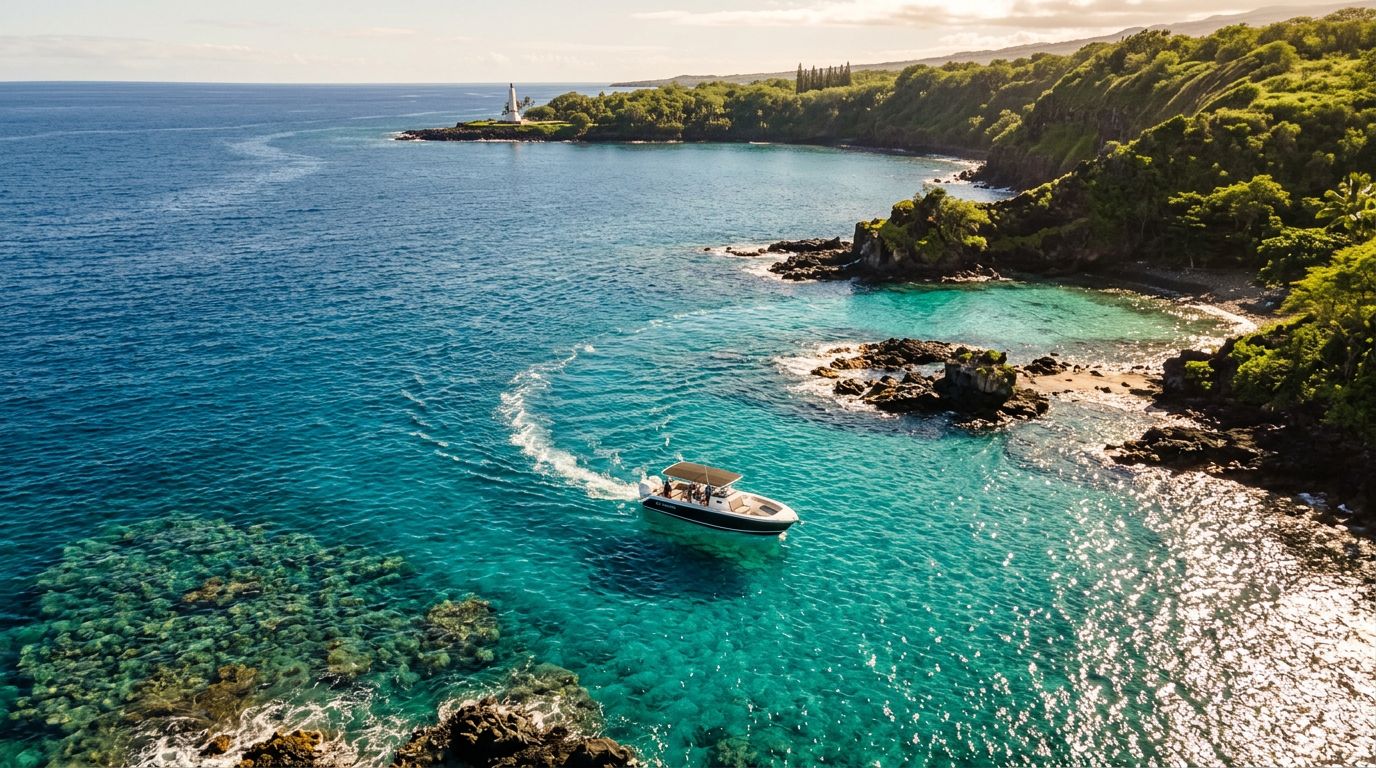
If your booking notice says your Captain Cook snorkel tour route has changed, don’t assume you’ve lost the best part of the trip. In most cases, the change responds to ocean conditions, access rules, or reef protection.
Kona Snorkel Trips plans each outing around safety, visibility, and legal access to Kealakekua Bay. Once you understand how the route works, you can enjoy snorkeling Big Island Hawaii waters without worrying about a different boat path.
Key Takeaways
- A route change may alter your entry point, boat position, or backup snorkel site.
- You may still see the Captain Cook Monument from the water without landing ashore.
- As of July 2026, vessels need state permission to transit Kealakekua Bay.
- Landing at Kaawaloa Flats without the proper permit is prohibited.
- Ask your operator whether the change affects the monument view, snorkeling location, or both.
What a Captain Cook Snorkel Tour Route Change Usually Means
Kealakekua Bay isn’t a simple beach destination where you can arrive, park beside the water, and swim wherever you want. The most popular snorkeling area sits across the bay near Kaawaloa Flats and the Captain Cook Monument. Access happens by boat, kayak, or a steep trail.
When your itinerary changes, the boat may still travel toward the same historic landmark. However, the captain might adjust the approach, keep the boat in a different position, or move the snorkeling portion to another approved area.
That distinction matters. A route change doesn’t automatically mean a cancellation or a completely different tour. It may only change how your crew reaches the site.
For example, your captain might:
- Approach the monument from a different angle because of wind or swell.
- Keep the vessel away from a restricted landing area.
- Use a legal mooring or remain in a safe position instead of anchoring.
- Replace the primary snorkel stop with another reef if visibility or currents become unsafe.
- Shorten time in one area and add time at another approved location.
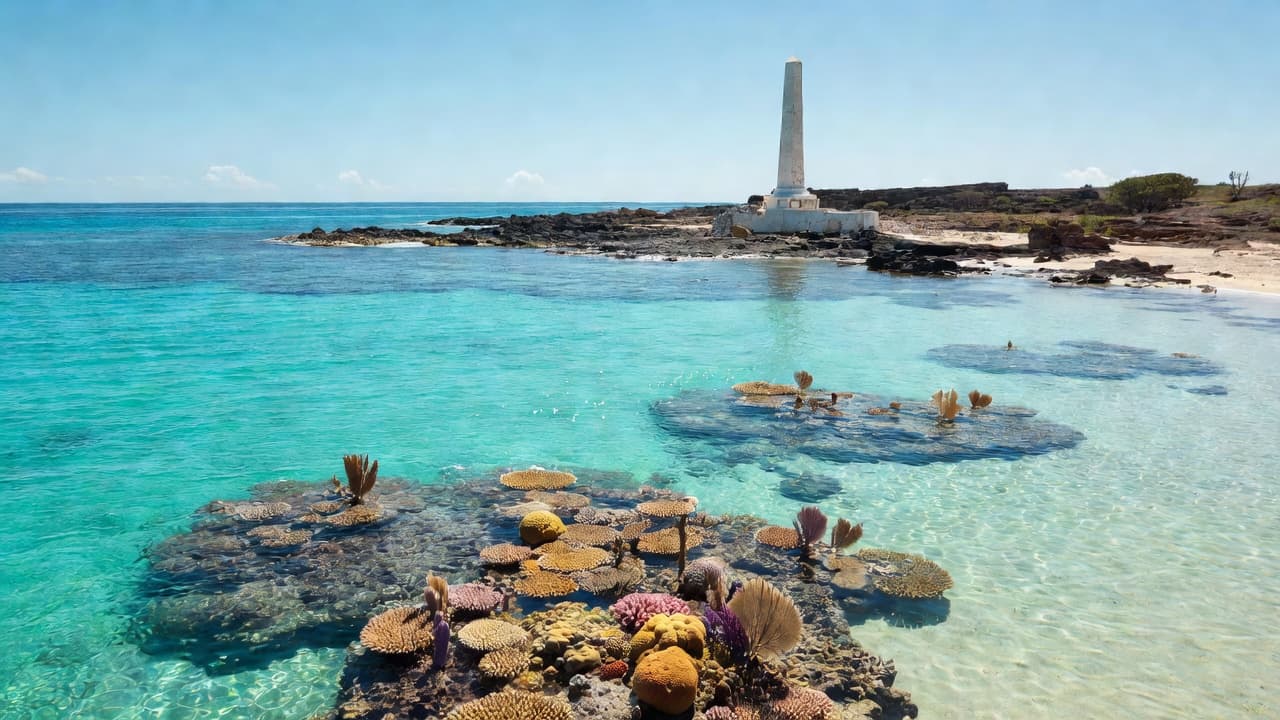
You can often still see the white Captain Cook Monument from the water. You may also snorkel in the bay, depending on conditions and the operator’s permits.
The trip’s name refers to the destination and experience, not to one unchanging line across the ocean. Boat routes need to respond to the sea, much like a mountain trail may close after heavy rain.
At Kona Snorkel Trips, the crew uses a small-group approach with lifeguard-certified guides, quality snorkeling equipment, and clear safety briefings. The company’s “Reef to Rays” philosophy also includes reef-safe practices and education during each excursion. You can check availability when you’re ready to compare current tour dates.
Why the Captain Cook Route Can Change
The first reason is the ocean itself. Kona’s west coast often has calm, clear water, but conditions can shift during a single morning. Wind direction, wave height, current, boat traffic, and underwater visibility all affect the safest route.
A calm surface doesn’t always mean calm water below. Stronger current near a point or channel can make swimming tiring, especially for children, less confident swimmers, or anyone using a mask for the first time.
Visibility also matters. Captain Cook snorkeling is known for clear water, but rain runoff, wind, plankton, and changing swell can reduce what you see. A captain may choose a protected reef with better visibility instead of taking you into water that looks less appealing.
Access rules are another major factor. Kealakekua Bay is a protected marine area and state historic park. The Hawaii State Parks information for Kealakekua Bay states that vessels need a permit before transiting the bay.
As of July 2026, unauthorized vessels can’t land at Kaawaloa Flats, the shoreline near the monument. Guided commercial operators with the correct state permissions can manage access within the rules, but visitors can’t assume that every boat may pull onto shore.
Anchoring also has restrictions. Anchoring is prohibited in the core conservation area, while approved anchoring in other areas must avoid coral and use sand where allowed. Those rules protect the reef, but they also affect where a captain can safely position a boat.
Finally, a route can change because the original plan depends on timing. A crew may need to avoid congestion, adjust the order of stops, or leave enough time for the return to Kona. The captain’s job is to make those decisions before a small problem becomes a safety issue.
A responsible operator won’t treat the published route as more important than the people onboard or the reef below.
How Access Rules Affect Your Snorkeling Experience
The biggest practical change involves landing. Many visitors picture a Captain Cook snorkel tour as a boat ride that ends with everyone stepping onto the shore near the monument. That isn’t the standard assumption you should make in 2026.
You may reach the area by boat and snorkel from the vessel without going ashore. In some cases, that gives you a better view of the coastline because you can focus on the reef and monument without dealing with a difficult landing.
Independent kayakers face their own restrictions. They need a valid vessel permit to transit the bay, and they can’t land at Kaawaloa Flats without the required special permission. A rental kayak with a permit may allow you to reach the area, but you still need to stay afloat while snorkeling.
The shoreline route is possible by foot, but it isn’t an easy substitute for a boat tour. The Captain Cook Monument Trail is a steep, roughly four-mile round trip. Parking near the trailhead is limited, and the hike includes exposed sections with little shade.
That option may suit a strong hiker, but it can be a poor choice for families carrying fins, masks, water, and food. It also doesn’t provide the same boat access to the deeper reef areas.
You should also expect strict protection rules in the water:
- Keep your hands off coral, turtles, fish, and other marine life.
- Don’t feed fish or chase animals for photographs.
- Stay with your buddy and follow the guide’s boundaries.
- Watch the boat’s location and look up regularly.
- Don’t stand on coral, even if the water becomes shallow.
- Follow directions if the crew asks you to return to the boat.
The simple rule is look, but don’t touch. A route change may place you at a different reef, yet the same responsibility applies there.
For additional background on reaching the monument by land or sea, this Kealakekua Bay access overview provides helpful context about the area’s limited entry points.
What You Can Still See on a Changed Route
A changed route doesn’t erase the character of Kealakekua Bay. The bay remains a dramatic volcanic coastline with clear water, steep cliffs, and reef habitat below the surface.
If the boat still enters the bay, you may see the Captain Cook Monument from offshore. The landmark sits near Kaawaloa Flats, so your view depends on the vessel’s position, weather, and visibility. Your guide can point out the monument and explain why the area has historic and cultural importance.
Underwater, the experience depends more on conditions than on a precise map point. A few minutes of movement can make a noticeable difference in water clarity, current, and coral structure. One section may hold more schooling fish, while another offers calmer water for newer swimmers.
That flexibility can help your group. Confident swimmers may enjoy a deeper section, while children or beginners may feel more comfortable in protected water near the boat. A good guide can explain where to look without pushing you beyond your ability.
You may also spend less time at the monument area and more time at another reef along the Kona coast. That doesn’t mean the substitute is random. Captains choose locations based on the day’s conditions, legal access, and the needs of the people onboard.
The exact wildlife can never be guaranteed. You might see colorful reef fish, sea urchins, eels, or a green sea turtle. However, wild animals move freely, and visibility changes by the hour. A guide can improve your chances of noticing marine life, but no ethical operator should promise a specific animal.
If you want to snorkel Big Island waters beyond Captain Cook, Kona Snorkel Trips also offers other guided options. The company’s Big Island snorkel tours can help you compare reef outings and different schedules. For a separate nighttime experience, you can also review the night manta ray snorkel, which is a different activity rather than a replacement for a changed Captain Cook route.
How Kona Snorkel Trips Handles a Route Adjustment
Your captain should explain the change in plain language before the boat leaves or while the crew prepares the vessel. You deserve to know whether the adjustment affects the destination, the snorkeling site, the timing, or only the boat’s approach.
Kona Snorkel Trips builds trips around safety, personal service, and responsible ocean access. Its lifeguard-certified guides provide equipment guidance and help you understand how to enter, swim, and return safely. Small groups also make it easier for the crew to monitor swimmers than a crowded boat can.
That matters when your route changes. The guide can point out the best area for your group instead of sending everyone into the same water. If you have young swimmers, limited experience, or concerns about currents, tell the crew before entering.
The operation also focuses on reef protection. You won’t be encouraged to touch coral or handle marine life. Guides can show you how to maintain distance from animals and avoid kicking the reef with your fins.
A good route adjustment should include three details:
- What changed: Ask whether the boat is using a different approach, snorkel site, or schedule.
- What remains planned: Confirm whether you will still enter Kealakekua Bay or view the monument.
- What happens next: Find out whether the crew will add another reef, extend time elsewhere, or return earlier.
Weather can change during the trip, so the first explanation may not be the final plan. Your captain might revise the route again if wind rises or visibility drops.
That isn’t poor planning. It is normal seamanship in an open ocean environment. The safest itinerary is the one that matches the conditions you actually encounter.
How to Prepare for a Changed Captain Cook Tour
You can make the day easier by preparing for a flexible itinerary. Bring reef-safe sunscreen, water, a towel, a swimsuit, and a light layer for the boat ride. Sun exposure feels stronger on the water, even when the air seems comfortable.
Arrive early enough to complete check-in without rushing. If your group includes children, discuss the boat’s rules before departure. Make sure each swimmer understands that staying near the guide and boat matters more than reaching a particular patch of reef.
Be honest about swimming ability. Snorkeling requires steady kicking, mask comfort, and enough energy to return to the boat. If you aren’t a strong swimmer, ask about flotation support and stay within the distance your guide recommends.
You should also ask about seasickness before leaving the dock. Sit where the crew recommends, watch the horizon, and avoid heavy meals immediately before the trip if motion bothers you. A changed route may involve a longer ride or a different direction, so your usual routine may not feel the same.
Before booking, check the operator’s policy for weather-related changes. Ask whether the company offers a reschedule, credit, or other option if the bay becomes unsafe. Policies vary, so read the terms rather than relying on assumptions.
When you receive a route-change notice, ask these questions:
- Will the boat still enter Kealakekua Bay?
- Can you still see the Captain Cook Monument?
- Will you snorkel at the same site?
- Is the change due to weather, access rules, or boat operations?
- How long will you spend in the water?
- Is the alternative site suitable for children and beginner swimmers?
- What happens if conditions change again?
You can check avaialbility for a Captain Cook snorkeling trip with Kona Snorkel Trips, then contact the company if you need details about a particular departure.
When a Route Change Is a Good Sign
A route change can feel disappointing when you’ve planned your vacation around a famous location. Still, a captain who adjusts the itinerary is paying attention to the details that matter underwater.
You may prefer a guide who protects your group rather than chasing a fixed schedule. You may also value an operator that respects permit requirements instead of creating an unauthorized landing.
The best snorkeling Big Island experience isn’t measured by whether the boat follows a rigid path. You remember the clarity of the water, the fish beneath you, the guide who helped you feel comfortable, and the coastline you saw from the boat.
A flexible plan can also protect the reef. Avoiding an anchor, keeping swimmers away from coral, and leaving a crowded area reduces pressure on a fragile marine habitat. Those choices may seem small during one trip, but they matter across thousands of visitors.
If the substitute site has calmer water, your children may enjoy the experience more. If visibility is better elsewhere, you may see more marine life. If the bay is unsafe, returning without a snorkel stop is better than forcing an outing into poor conditions.
You can still ask for a clear explanation. A reputable crew should tell you what changed and why, without making promises about conditions they can’t control.
Conclusion
A Captain Cook snorkel tour route change usually means your crew is responding to ocean conditions, access rules, or reef protection. You may still see the monument and snorkel in or near Kealakekua Bay, even when the boat uses a different approach or backup site.
As of July 2026, landing restrictions and vessel permits make route planning more important than before. When you understand the difference between a changed approach and a changed destination, you can judge the update fairly and prepare your group.
The most important part of snorkeling Big Island Hawaii is returning safely while leaving the reef unharmed. A flexible route can deliver that experience better than a fixed plan.