
Can You See Flying Fish on a Captain Cook Snorkel Cruise?
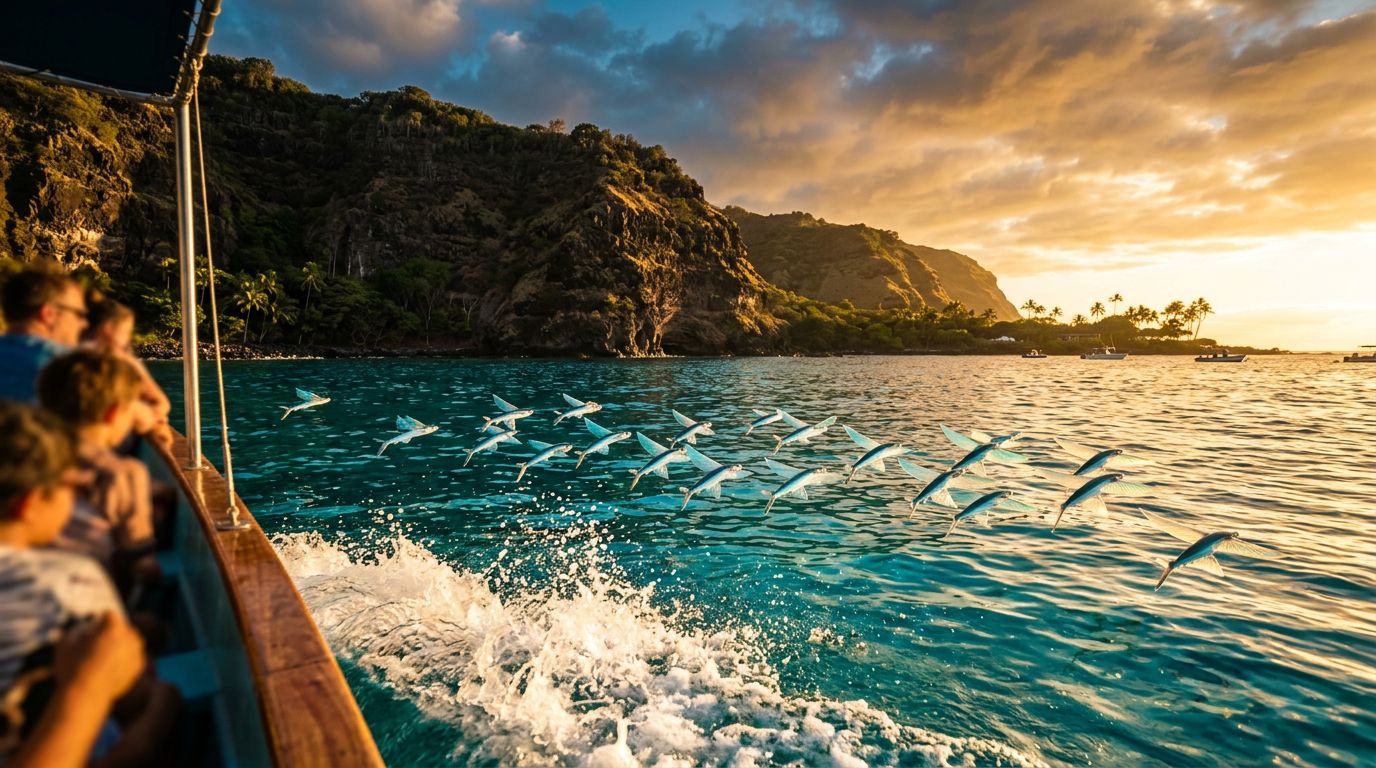
You can see flying fish on a Captain Cook snorkel cruise, but the sighting usually comes as a quick surprise on the boat ride, not as a guaranteed moment inside Kealakekua Bay. If you love snorkeling Big Island Hawaii, that little burst of movement can make the day feel even more alive.
Kona Snorkel Trips runs small-group ocean trips along this coast, including Big Island snorkeling tours, so you can choose a trip that fits the kind of water day you want. If you snorkel Big Island for the reef, the ride out to Captain Cook can still deliver a few wild bonus moments.
The short answer is yes, you can see them. The better answer is that you need the right conditions, the right route, and a little patience.
Where flying fish fit into the Captain Cook route
Flying fish live close to the surface and use short glides to escape predators. On the Kona coast, that makes them more likely to appear when you are crossing open water, especially if the boat wake pushes small fish to the top.
That is why a Captain Cook snorkel cruise gives you a real chance. The ride to Kealakekua Bay often includes stretches of open ocean where the water is deeper and the horizon feels wide. In those moments, a sudden flash of silver can break the blue and disappear just as fast.
Inside the bay, the focus changes. You are usually watching coral heads, reef fish, and maybe a turtle drifting past the edge of the snorkel zone. Outside the bay, you are scanning the surface for movement, and that is where flying fish are most likely to show themselves.
Local observations of flying fish behavior in Hawaiʻi match that pattern. They sprint across the surface, then launch into a short glide before slipping back down, which is exactly the kind of movement you might catch from the deck. See the notes in this discussion of flying fish behavior in Hawaii.
Flying fish are a bonus sight, not the main event. The best chance comes on the open-water stretch, when you are already looking across the surface.
Why the Kona coast gives you a better shot
The Kona side of the Big Island is sheltered compared with the windward coast. That matters because calmer water makes surface life easier to spot. When the ocean is smooth, you can follow ripples, wake lines, and sudden flickers of motion much more easily.
You also get a visual rhythm that helps. The boat moves forward, the sea slides by, and then a tiny silver shape breaks the pattern. If you are already watching the horizon, you are much more likely to notice it. If you are chatting, eating, or looking down at your gear, you will probably miss it.
Flying fish sightings are never promised, but these conditions help a lot:
| Condition | What it means for you |
|---|---|
| Calm morning water | Small surface splashes are easier to spot |
| Light wind | The ocean stays smoother and less busy looking |
| Open-water travel | Flying fish have room to jump and glide |
| Eyes on the horizon | You catch fast movement before it disappears |
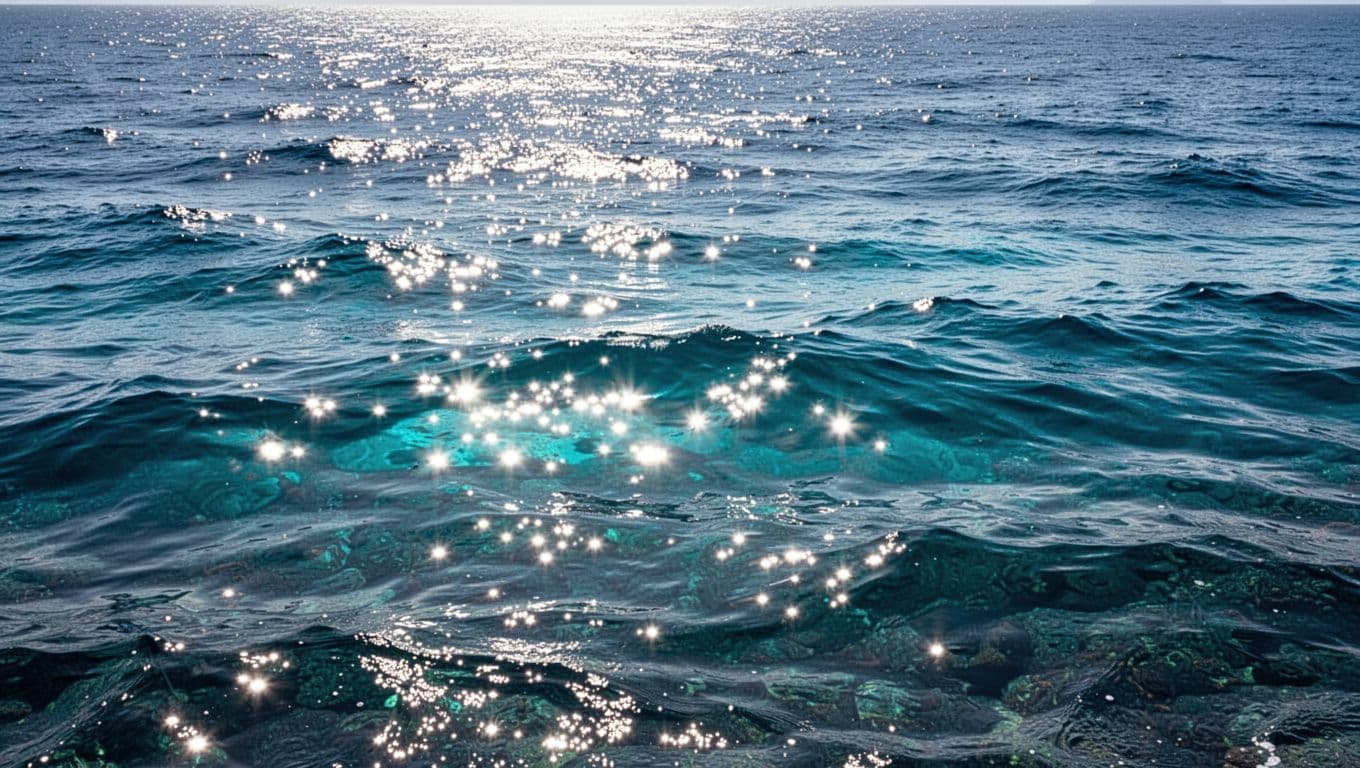
A calm day does not guarantee a sighting, but it gives you a much better chance. If you are hoping to see more than reef fish, book a ride that spends time on the water, not only at the snorkel stop.
Best conditions for spotting flying fish
The best time to scan for flying fish is usually at the start and end of the trip. That is when the boat is moving through open water and your eyes are already adjusting to the surface.
Early departures can help because the sea is often smoother. Midday can still work, but glare and chop make small movements harder to catch. If you are standing or sitting on the side with the broadest view, you also improve your odds.
A few simple habits make a difference:
- Watch ahead of the boat, not only beside it. Flying fish often appear in the path you are moving toward.
- Look for sudden silver flashes. The fish are small, but sunlight can catch them fast.
- Pay attention to wake lines. Small fish often pop up near moving water.
- Stay alert after a burst of speed. A jump often follows a quick disturbance.
The biggest mistake is treating the boat ride like dead time. On a good Captain Cook snorkel cruise, the ride is part of the experience. The ocean is always doing something, and flying fish are one of the most vivid reminders of that.
What else you might see on the same cruise
Flying fish may be the surprise, but they are rarely the only wildlife you notice. The Kona coast can put several marine scenes in front of you on the same trip.
You might spot spinner dolphins offshore, especially when the sea is calm. Green sea turtles can appear near reef edges or at the surface between snorkel stops. Seabirds also help, because they often point you toward baitfish and surface action.
If your trip falls in the winter months, the view gets even better. Humpback whales pass through Hawaiian waters from roughly December to March, and you may see blows or breaches from a distance. If that part of the ocean speaks to you, a dedicated Kona whale watching cruise is worth setting aside for another day.
That is the beauty of snorkeling Big Island waters. You are never looking at only one thing. The reef has its own life, the open water has its own movement, and the sky often joins in too.
If you want a quieter day on the water, a private Kona boat charter also gives you more room to linger when something shows up on the surface. That can matter if you like watching for wildlife more than rushing from one stop to the next.
Why Kealakekua Bay still matters more than the fish flash
Flying fish are a fun bonus, but they are not the reason most people choose this route. Kealakekua Bay is the main draw, and it delivers the part of the day that most people remember most.
The bay sits in a protected marine area with clear water and healthy reef life. That makes the snorkel stop itself the centerpiece of the trip. When you take a Captain Cook Monument snorkel tour, you get a mix of coastal scenery, open-water cruising, and time in one of the best snorkel spots on the island.
If you are comparing operators, Captain Cook Snorkeling Tours focuses on the same Kealakekua Bay route and gives you another way to plan the day around this coastline. That matters because not every trip is paced the same way, and the ride time can change how much you notice on the surface.
The open-water stretch between Kona and the bay is where flying fish are most likely to appear. The bay itself is calmer and more sheltered, so once you arrive, your attention usually shifts below the surface. That split is part of the appeal. You get a surface-watching cruise and a reef snorkel in one outing.
How Kona Snorkel Trips fits the day
Kona Snorkel Trips keeps the focus on small groups, good gear, and a safety-first approach. That matters when you want a trip that feels comfortable, organized, and easy to enjoy from start to finish. It also matters if you care about reef-safe habits and guides who know the local water.
If you are planning a Captain Cook snorkel cruise, a small-group setup gives you more space on deck and better sightlines for spotting flying fish. You are not fighting a packed rail or trying to peek over a crowd. You can keep your eyes on the water and stay ready for a quick flash near the surface.
When people search for snorkeling Big Island Hawaii, they often want more than a crowded boat and a timed stop. They want clear direction, good equipment, and a crew that knows how to read the water. That is where a well-run operator makes the difference.
If you want to lock in a seat for your day on the Kona coast, you can check the schedule here.
If the Captain Cook route is the main reason you are heading out, the same idea applies. A well-timed departure gives you more open-water viewing, more room to spot movement, and a better shot at catching flying fish between Kona and Kealakekua Bay.
Conclusion
You can see flying fish on a Captain Cook snorkel cruise, but the best sightings usually happen during the boat ride, not at the snorkel stop. The open-water stretch gives you the surface space they need, and calm Kona conditions help you catch the flash.
If you want the reef, the coastline, and a chance at a surprise on the way, this trip gives you all three. And if you are the kind of traveler who keeps scanning the horizon, you may spot a lot more than you expected.