
Can You Use Ear Plugs During Captain Cook Snorkeling?
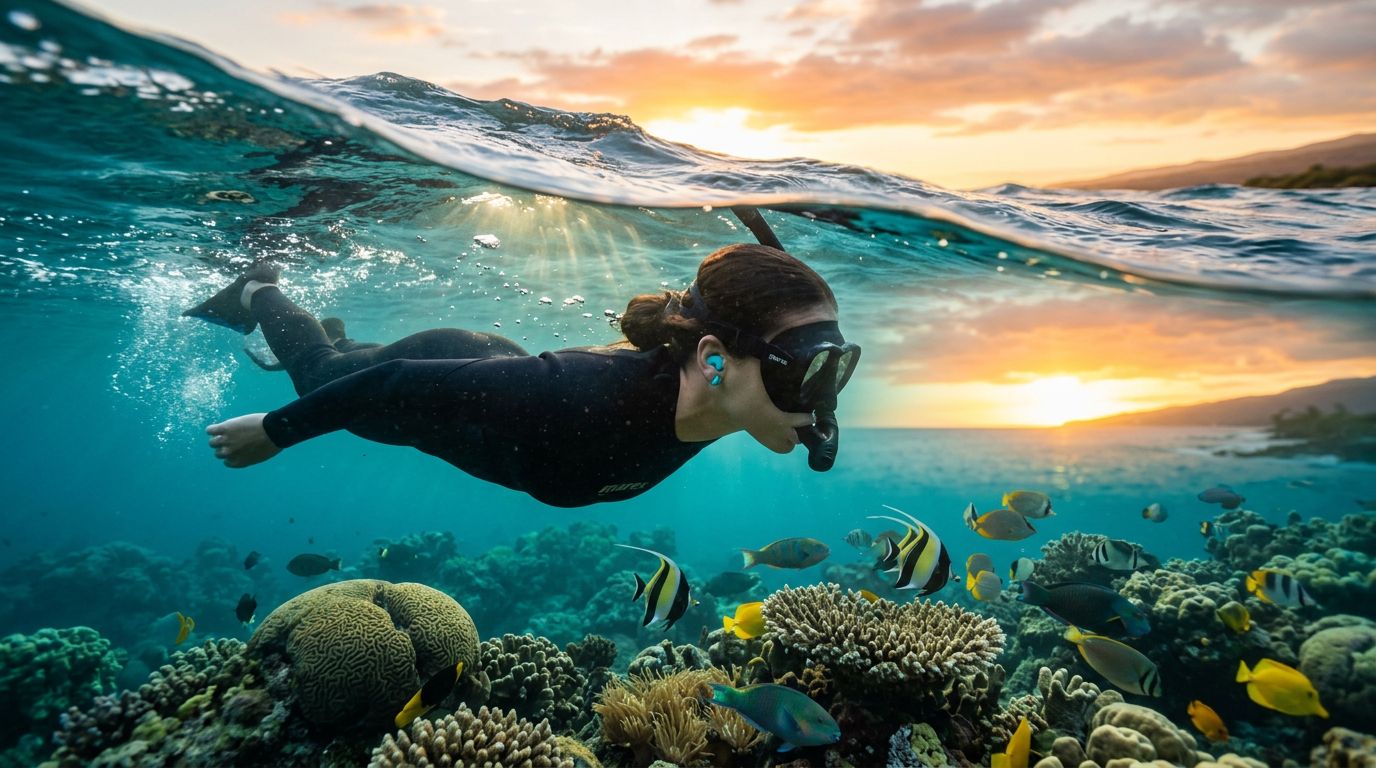
If your ears are sensitive, snorkeling can feel less relaxing than it should. The question comes up fast: can you use ear plugs during Captain Cook snorkeling?
The short answer is yes, sometimes, but the wrong kind can create new problems, especially if you plan to duck-dive or swim under the surface. When you spend time snorkeling Big Island Hawaii style, small gear choices can change the whole trip.
Kona Snorkel Trips keeps the gear side simple, which helps when you want to focus on the reef instead of fussing with equipment. If you want a broader look at guided snorkeling excursions in Kona, that is a smart place to start.
The short answer for Captain Cook snorkeling
You can use ear plugs for some snorkeling trips, but they are not a must for most people. On a calm Kealakekua Bay outing, many snorkelers never notice their ears once they settle into the water.
That said, the type of ear plug matters. Regular foam plugs are made for dry ears, and they can be a bad fit if you plan to go under even a little. If you stay on the surface, float, and keep your head above water most of the time, they may feel fine. Once you start diving down, though, the risk changes.
Captain Cook snorkeling usually means a relaxed pace, clear water, and lots of surface time. That makes it easier to decide based on comfort instead of fear. If your ears sting when cold water gets in, a plug might help. If you feel pressure or pain while descending, the plug can make things worse.
The smartest rule is simple. Use ear plugs only if they improve comfort without changing how you move in the water. If they distract you, leak, or push on your ear canal, leave them out.
A lot of snorkelers ask this question because they want to enjoy the day, not think about every splash. That makes sense. The right choice is the one that lets you relax and enjoy the reef.
When ear plugs help, and when they don’t
Ear plugs can make sense if you deal with mild outer-ear irritation, dislike cold water in your ears, or feel more comfortable when your ears stay dry. They can also help if you are extra cautious after a recent ear infection or a bout of swimmer’s ear. In those cases, the goal is comfort, not a perfect seal.
They become less useful when you want to move freely. A snug ear plug can shift when you swim hard, duck under a wave, or adjust your mask. If that happens, you may end up touching your ears often, which gets annoying fast.
For most people, the bigger question is not whether ear plugs work in a shower. The real question is whether they stay comfortable in salt water with a mask strap, snorkel, and moving waves. That is a much tougher test.
If you have ear tubes, a perforated eardrum, recent surgery, or repeated ear pain, you should talk with a medical professional before your trip. A guide can help with comfort, but a tour crew can’t make medical calls for you.
The best snorkel day usually starts with a simple check. If the plugs feel fine in shallow water and you can keep your breathing calm, they’re worth considering. If they make you feel clogged, off-balance, or tense, skip them.
Ear plugs should make the water feel easier, not add another thing to worry about.
Why regular ear plugs can be tricky in the ocean
Traditional ear plugs create a sealed space in or around your ear canal. That is fine on land, but water pressure changes the picture. Once you go under, even a short way, pressure affects the air space inside the plug.
DAN explains this clearly in its warning about avoiding diving with earplugs. The core issue is pressure equalization. If air is trapped, your body has to deal with that difference when you descend. Even if you are only snorkeling, that can matter during duck-dives or quick submerges.
A second write-up from Dressel Divers on scuba earplugs makes the same point in a different way. The message is simple, if you go under, the ear canal should not be fighting pressure.
That does not mean every snorkeler must avoid all ear protection. It means the type of protection matters more than the habit of wearing something. A good fit on land doesn’t always translate to open water.
This is why many seasoned snorkelers leave the ears alone. They focus on a well-fitting mask, a calm breathing rhythm, and a smooth float. Once those pieces come together, the ears often stop being a concern.
If you have ever had a plug pop out in the surf, you already know the downside. It can turn a relaxed swim into a chase for lost gear.
Better ways to protect your ears
If your main goal is comfort, you have a few better options than standard foam plugs. Some are made for swimmers, some are made for short dips, and some are simply about keeping the day easy.
| Option | Best for | Watch out for |
|---|---|---|
| Regular foam ear plugs | Dry-land use and showers | They can trap air and fall out in water |
| Vented swim ear plugs | Surface snorkeling and light ear sensitivity | They still may not suit repeated dives |
| Ear band over plugs | Keeping plugs in place | It does not seal water by itself |
| No ear plugs | Most snorkelers | You may want to rinse ears after the swim |
The table makes one thing clear, regular foam plugs are the least flexible choice. If you want something for the ocean, swim-specific gear is a better match. Even then, test it before your trip.
You can also help your ears by staying relaxed in the water. Move slowly, keep your head steady, and avoid repeated duck-diving unless you really need to go under. The less you force the water into your ears, the more comfortable the day tends to be.
A simple rinse after the snorkel helps too. Fresh water on the outside of the ear, followed by a dry towel, is often enough for most people. Avoid pushing cotton swabs into the ear canal. That usually creates more trouble than it solves.
What this means at Kealakekua Bay
Kealakekua Bay is one of the best places to think about this question because the setting is often calm and inviting. You spend much of the time floating, looking down at clear water, and moving at a steady pace. That means your ears are not under the same kind of strain you might feel in rough surf.
For a trip built around the site, Captain Cook Snorkeling Tours gives you another way to look at the experience, and the Captain Cook Monument snorkel tour page lays out the route in more detail.
If you are worried about your ears, this is good news. The trip usually rewards patient, surface-level snorkeling. You do not need to spend the whole day duck-diving to get value out of the bay. In fact, slow and easy often works best here.
Still, you should think about the few moments when you may go under. If you plan to dive for a closer look at fish or coral, standard ear plugs become less attractive. If you want to stay mostly on top of the water, a swim plug may feel fine.
That is why the bay fits a lot of different comfort levels. You can keep things low-key and still see plenty. Your gear should support that pace, not fight it.
If you want to book the trip, use the button below when you’re ready.
How to get ready the day of your tour
You can make the ear-plug decision long before you step onto the boat. Test the gear at home, in a pool, or during a shallow swim first. If the plugs feel awkward in calm water, they will probably feel worse in the ocean.
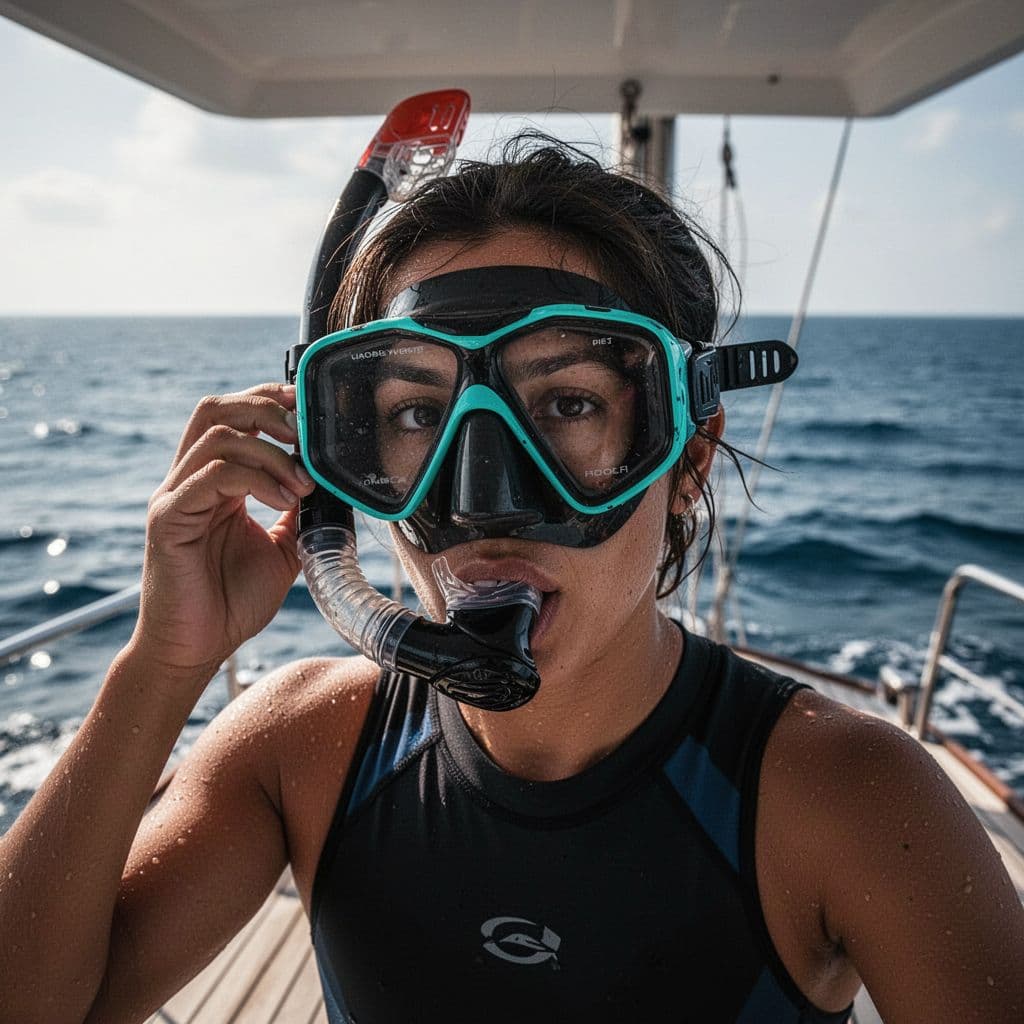
Start with a mask that fits well. If your mask leaks, you will keep reaching up to fix it, and that can push water around your ears more often. A good mask fit does more for comfort than most people expect.
Bring any ear gear in a small dry bag. That keeps it clean and easy to grab if you decide to use it. If you bring a backup pair, even better. Lost or stretched plugs can ruin a calm morning fast.
Tell your guide if you have sensitive ears, a recent infection, or a history of pressure problems. That simple heads-up helps the crew keep an eye on your comfort. It also gives you room to slow down if you need to.
The same advice works well for families. Kids often change their minds once they see the water. If they want to snorkel without ear plugs, let them try the water first in a shallow, gentle spot. If they want the extra comfort, make sure the plugs fit correctly.
Kona Snorkel Trips keeps the day friendly and straightforward, which matters when you are trying to relax and enjoy the reef. When you want to snorkel Big Island waters without the usual crowd pressure, a small-group setting helps.
Try your gear before you board. The ocean is a poor place for the first test.
When the morning starts, keep your first few minutes simple. Breathe, float, and settle in before you worry about anything else. That calm start tells you more about the gear than any product label ever will.
Choosing the right Big Island snorkel experience when your ears are sensitive
If you know your ears need extra care, the type of tour matters almost as much as the gear. A crowded boat can make you rush, and rushing makes every small issue feel bigger. A smaller group gives you more time to ask questions, adjust gear, and move at your own pace.
That is one reason many travelers compare different Big Island snorkeling tours before they book. When you want a broader view of snorkeling Big Island Hawaii, it helps to see the options in one place.
If you want even more control, a private Kona boat charter can be a good fit. Private trips give you space to set the pace, pause when needed, and focus on comfort first. That can matter a lot if you are traveling with kids, a nervous first-time snorkeler, or anyone who hates feeling rushed.
You also get a chance to plan around the ear question before the day starts. A private or small-group crew can help you talk through whether plugs make sense, whether you should stay on the surface, and how to keep the day easy.
If you snorkel Big Island reefs often, you already know the best trip is the one that feels smooth from start to finish. Comfort is part of that. So is confidence. When both line up, you spend less time fussing with your gear and more time watching the reef move below you.
Conclusion
You can use ear plugs during Captain Cook snorkeling, but only when they fit the way you plan to swim. If you stay mostly on the surface, a swim-friendly option may help. If you want to duck-dive or go under often, regular ear plugs are a poor choice.
The best snorkel days in Kealakekua Bay usually come from simple gear, a calm pace, and a setup that suits your body. When your ears feel good, the reef gets all your attention, which is exactly where it should be.