
Can You Exit Early on a Kona Manta Ray Snorkel?
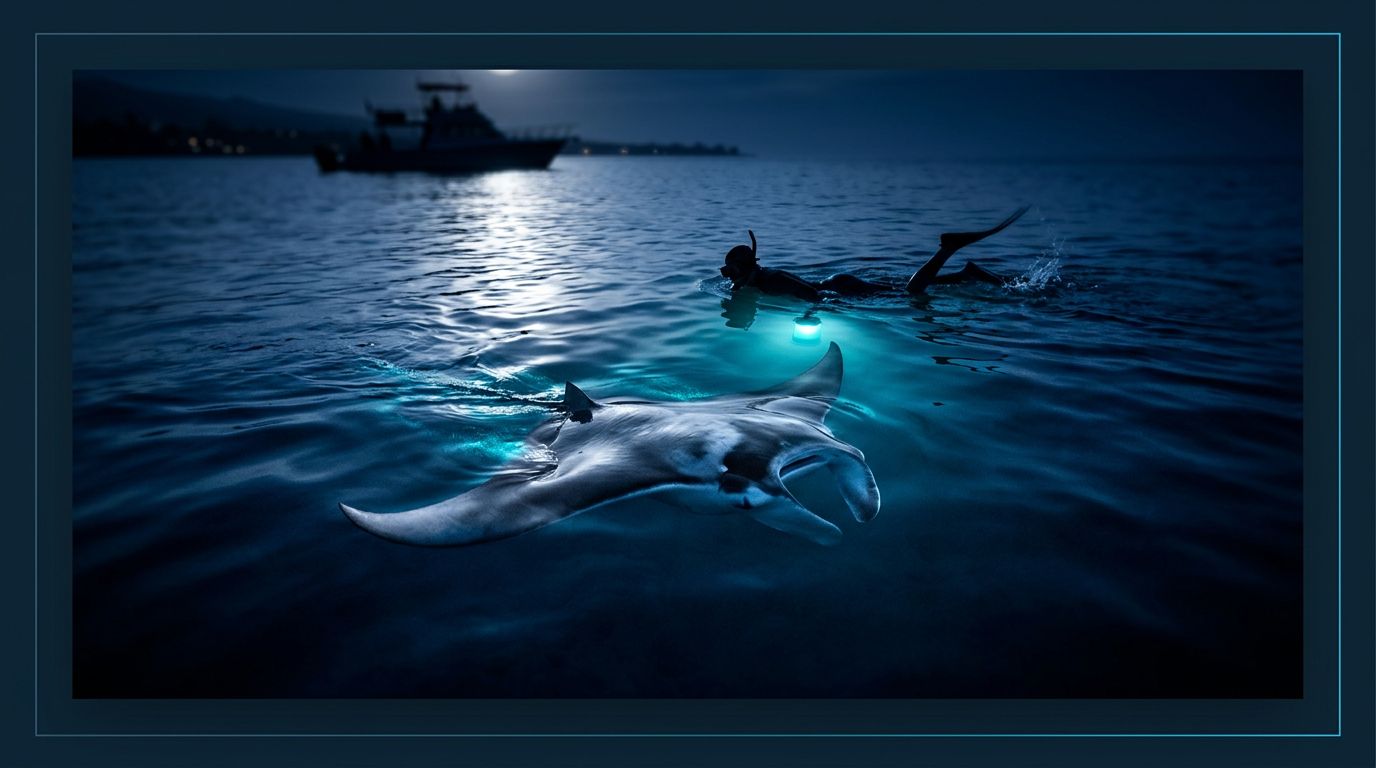
A manta ray snorkel in Kona can be unforgettable, but you do not have to prove anything in the water. If you’re comparing snorkeling Big Island Hawaii options, the exit plan matters as much as the view. Kona Snorkel Trips offers Big Island snorkeling tours with a small-group feel, and that makes comfort easier to manage. If you want another manta-focused option, Manta Ray Night Snorkel is worth a look too.
The short answer is yes, you can usually leave early if you need to. Here is how that works, what it feels like, and what you should ask before you get on the boat.
Yes, you can usually exit early on a manta ray snorkel
Most good crews expect that some guests will want to come back in early. You might be cold, tired, nervous, or simply not enjoying the night. None of that is unusual.
A manta tour is not a contest. The crew wants you calm, safe, and clear-headed. If you tell the guide that you want out, they can help you back to the ladder or board, then get you settled on the boat. That is better than trying to grin through discomfort while your mask leaks and your shoulders tense up.
The best way to picture the evening is as a guided sequence, not a hard endurance test. Check-in is easy, gear happens fast, and the water time usually has a loose rhythm. The 2026 manta ray night snorkel guide breaks that flow down well, and it helps you see where an early exit fits in.
If your mask leaks or your nerves spike, tell the guide right away. Small problems are easier to fix early.
Leaving early does not mean you failed the trip. You still get the boat ride, the ocean air, and the chance to watch the rest of your group with manta rays below. If anything, leaving before discomfort builds often helps you remember the night for the right reasons.
When leaving early makes sense
There are a few times when getting out early is the smart move. Cold is the most common one. Night water can feel colder than you expect, and that feeling gets stronger once you stop moving.
Motion sickness is another reason. If your stomach turns on the ride out, waiting rarely helps. A quick signal to the crew keeps a bad night from getting worse.
A child can also decide they are done. That happens more often than parents expect, especially on a first night snorkel. A tired kid in open water needs a simple exit, not a pep talk.
The same goes for anxiety. You may feel fine on shore, then tense up once you float away from the boat. That shift is common, and it does not mean you picked the wrong island activity. It means the setting is new and your body is reacting.
A quick reference helps when you are deciding in the moment:
| Situation | Best move | Why it helps |
|---|---|---|
| You start shivering | Signal the guide and head back | You stay warm and relaxed |
| You feel seasick | Tell the crew right away | The crew can help before it gets worse |
| Your mask keeps flooding | Ask for help or exit | You stop fighting your gear |
| Your child gets scared | End the water time | The night stays calm for everyone |
| You feel panic rise | Leave the water early | You avoid turning a small problem into a big one |
Once the water stops feeling fun, you should speak up. Manta rays are beautiful, but your comfort still comes first.
What good crews do when you signal
A solid crew makes early exit feel normal. The guide should know where you are, how you are breathing, and how to get you back without fuss. That matters more at night, when dark water can make small worries feel larger.
On a trip like Kona Snorkel Trips, Lifeguard Certified guides focus on clear directions and close attention. That kind of support helps a lot when you are new to night snorkeling Big Island trips or bringing kids who may change their minds once they are in the water.
The best crews also keep the boarding process simple. They show you where to hold, how to climb, and where to sit once you are back on deck. That calm routine is part of why small-group trips feel easier than crowded ones.
They also read body language. If you start turning away from the water, pulling at your mask, or drifting toward the board, a good guide notices fast. That means you do not always need a long explanation. A quick word or signal is enough.
If you want to see open dates, you can check availability before you commit.
That level of service makes it easier to relax, because you know the crew will bring you back with no drama.
Why tour choice changes your exit options
Not every manta tour handles flexibility the same way. A crowded boat can make you feel stuck, while a smaller group gives the guide more room to respond to your needs. That difference matters when you snorkel Big Island waters after dark.
The trip style also matters. Some guests want the classic manta-only outing, while others want a broader ocean day first. If you are comparing options, another manta-focused choice can help you understand the style you like best.
If you already know you want a manta-only seat, you can check availability before your date fills up.
If you are still comparing snorkeling Big Island trips, ask how long guests usually stay in the water and how early exits work. Good operators answer that without hesitation. If the answer feels vague, keep looking.
How to decide before you book
You do not need a perfect answer before every ocean trip, but you do need a clear plan. Ask the booking team how they handle guests who want to come back early, then listen to the tone of the reply. A calm answer usually tells you a lot.
A few questions make the decision easier:
- How long do guests usually spend in the water?
- What happens if I get cold, seasick, or nervous?
- Can a child return to the boat early if needed?
- Is there an easy ladder or boarding point?
- What gear do you provide, and how much help is on hand?
If the crew sounds rushed, that is a warning sign. If they sound patient and direct, you are probably in good hands.
Families looking at snorkeling Big Island trips should ask these questions before they book, not after they are already on the dock. That way, you know whether the tour fits your pace. When you snorkel Big Island waters at night, comfort is part of the experience, not an extra.
If snorkeling Big Island Hawaii is on your list, ask about early exits before you pay. That one question tells you a lot about the crew, the boat, and the kind of night you are likely to have.
Conclusion
You can usually exit early on a Kona manta ray snorkel, and that is a good thing. The right crew will treat it as normal, help you back aboard, and keep the night steady for everyone else.
That is why the best trips feel flexible before they even leave the harbor. If you are comparing options, ask about early exits, group size, and how the crew handles nervous swimmers.
The manta rays will still be there. Your job is to choose a tour that lets you enjoy them on your terms.