
Big Island Snorkeling for Families With Mixed Swim Skills
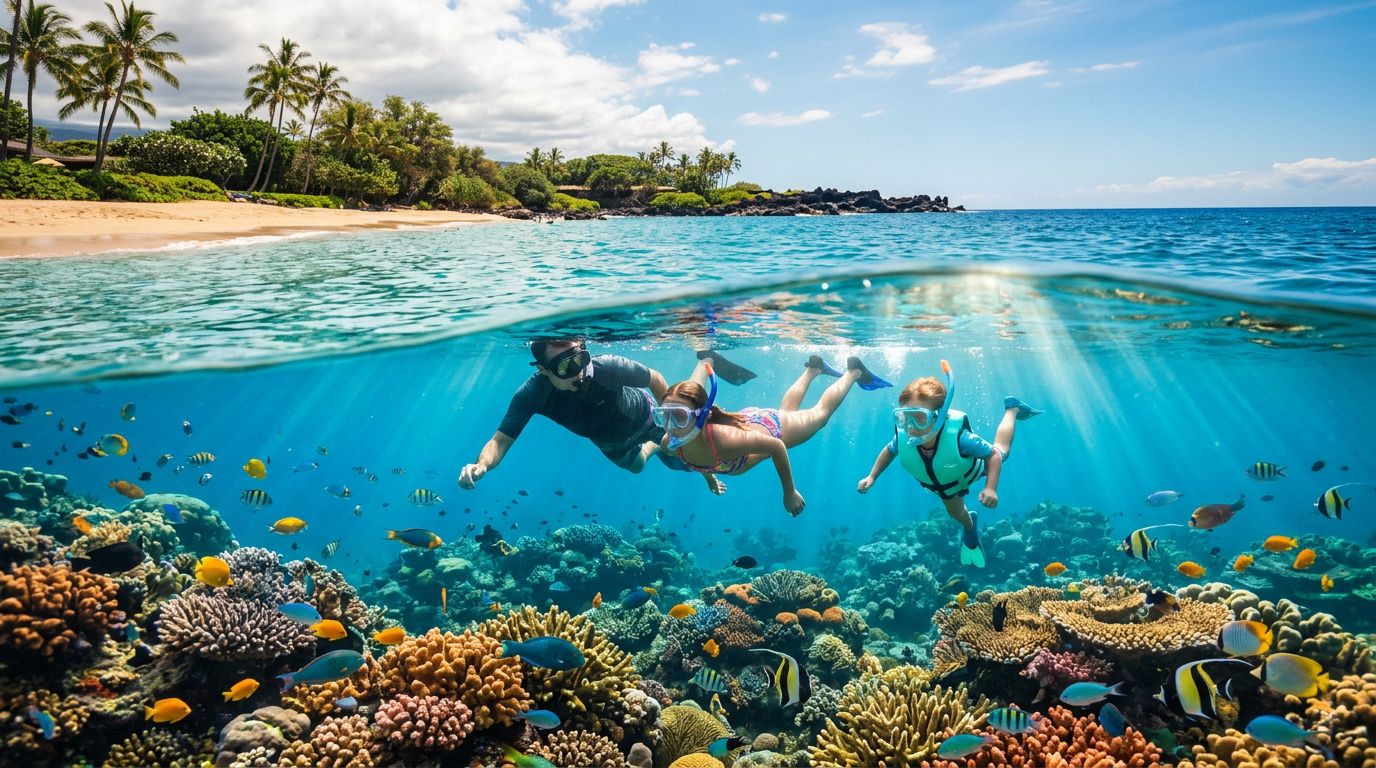
If you’re planning snorkeling Big Island Hawaii with kids, cousins, or adults who swim at different levels, the hardest part is usually not the reef. It’s matching the day to the person who feels least confident in the water.
Kona Snorkel Trips is a smart place to start when your group needs a calm pace and clear guidance. You don’t need everyone to be an expert, you just need a plan that keeps the nervous swimmer relaxed and the strong swimmer engaged.
When that happens, the whole trip feels easier. You spend less time managing worry and more time watching fish, reefs, and happy faces.
Why the least confident swimmer should set the pace
When you snorkel Big Island with a mixed-skill group, the slowest swimmer sets the tone for everyone else. That sounds simple, but it changes everything. If the most nervous person feels rushed, the day gets tense before you even step into the water.
Start by asking one honest question: who needs the most help? Sometimes it’s a child. Sometimes it’s an adult who can swim fine but hates open water. Either way, plan for that person first.
That means choosing calmer entry points, shorter swims, and easy exits. It also means giving them time to adjust to the mask, snorkel, and fins before anyone expects a full reef tour. A quick practice on land can save a lot of stress later.
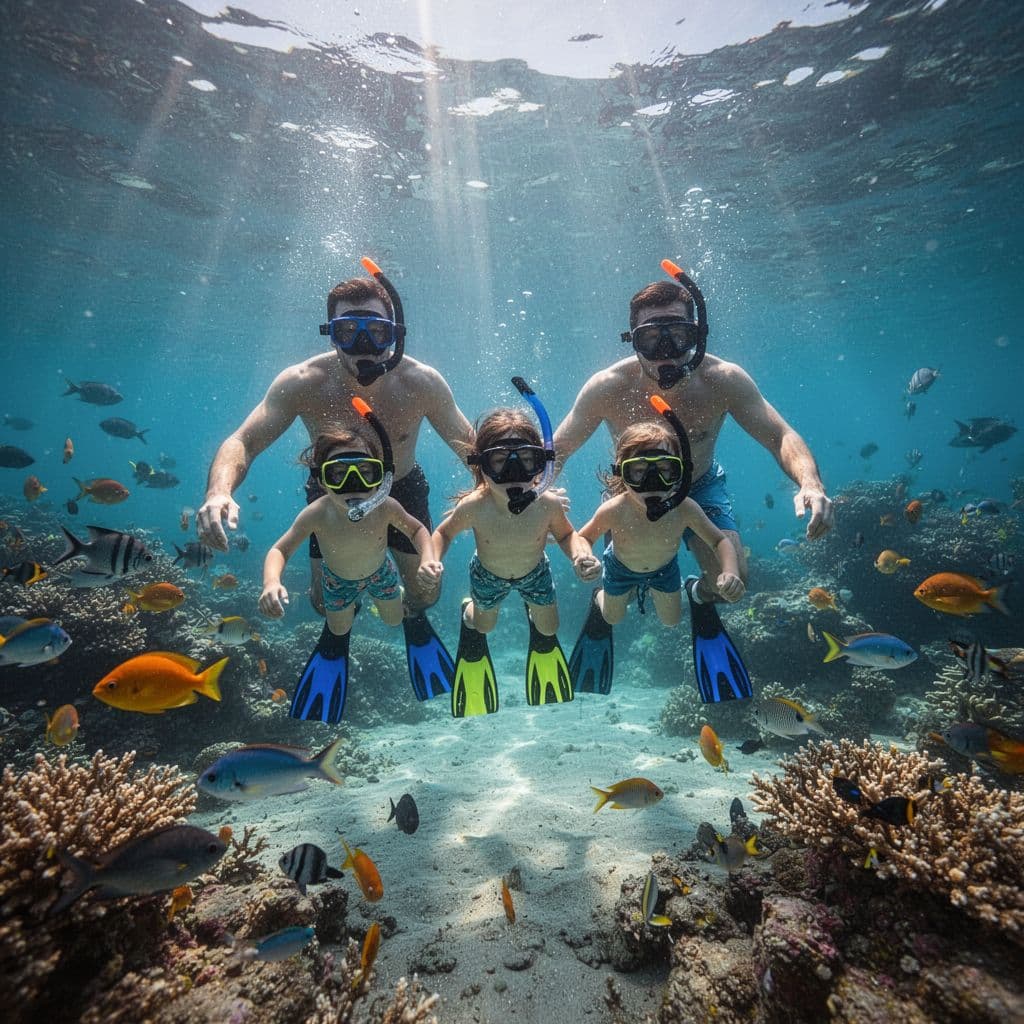
A good family snorkel day should feel like a staircase, not a jump. You want a few easy steps before the deeper water. That pacing helps Big Island snorkeling families stay together instead of splitting into separate experiences.
The best family snorkel is the one everyone can finish smiling from.
Calm water matters more than a famous reef
A pretty beach means little if the water is choppy. For families with mixed swim skills, calm conditions matter more than a big name spot. Morning often brings the gentlest water, while wind and chop can build later in the day.
Watch the shoreline before you commit. If you see whitewater breaking hard on entry, strong surge near the rocks, or a lot of side-to-side movement, pick another spot. The safest choice is often the smartest one, even if it looks less dramatic on a map.
For basic safety guidance, the official snorkeling safety guidance from Hawaii Ocean Safety is worth a quick read before you go. It reminds you to pay attention to conditions, swim with a buddy, and respect the ocean’s mood.
That advice matters even more in Hawaii, where conditions can change fast. If the water looks off, you do not need to force the day. You can wait for a calmer window or choose a guided outing instead.
Families looking for snorkeling Big Island options often do best when they stop chasing the “best” beach and start chasing the best conditions. That shift alone removes a lot of pressure.
Where mixed-skill families should snorkel first
The Kona side usually gives you the best odds for calmer mornings, which is one reason it works so well for families. Sheltered water and easy boat access can make the first few minutes feel far less intimidating.
Here is a quick way to compare common options.
| Trip style | Best for | Why it helps mixed swim skills |
|---|---|---|
| Calm shore snorkel | Confident swimmers and older kids | Easy entry and more freedom, if conditions stay gentle |
| Small-group boat tour | Mixed swimmers and first-timers | Crew support, shorter swim distance, and less guesswork |
| Private charter | Larger families or shy swimmers | More space, slower pace, and more room for breaks |
The takeaway is simple. If your group includes a nervous swimmer, a boat-based trip often removes the hardest part of the day, which is shore break, surf, and awkward entry. That can be a big deal for kids who panic when they cannot touch bottom.
If you want a guided starting point, guided snorkeling trips in Kona can be easier than trying to decode every beach on your own. You still get the ocean experience, but with less of the trial-and-error that can wear a family out.
For families who want to snorkel Big Island without turning the day into a stress test, the goal is simple. Choose water that feels forgiving, not impressive.
Gear that makes the day easier
The right gear does more than protect you. It lowers stress. A good mask fit, a comfortable vest, and the right pair of fins can change how a hesitant swimmer feels in the water.
Bring the basics that keep the day smooth:
- A mask that seals well around the face
- A snorkel vest or other approved flotation aid
- Fins that fit snugly, but not tightly
- Rash guards or swim shirts for sun and chill
- Reef-safe sunscreen, applied before you get to the water
- Water, snacks, and a dry bag for towels and phones
A poor mask fit can ruin the mood fast. A leaky mask makes kids touch their face, lose confidence, and want to get out. Fix that before you leave shore.
Flotation also matters. Even strong swimmers often relax more when they know they can float without effort. That lets them look around instead of working hard to stay calm.
If your family runs cold, add a light top even in warm water. A chilly child turns into a tired child fast. Once that happens, the reef stops being fun.
The same logic applies to fins. Some people love them. Some people hate them. If a swimmer is already anxious, don’t overload them with extra gear on the first round. Comfort beats speed every time.
Help nervous swimmers stay calm
The best way to help a nervous snorkeler is to slow everything down before the ocean even starts. Let them practice breathing through the snorkel on land. Let them put on the mask and get used to the feel. Then move to shallow, calm water first.
A simple routine helps:
- Practice with the mask and snorkel in a pool or shallow water.
- Start where the bottom is easy to see.
- Stay close to shore or the boat at first.
- Use a clear hand signal for “I want to stop.”
That kind of plan gives a nervous swimmer some control. It also takes pressure off the stronger swimmers, who can otherwise get impatient.
For more kid-friendly prep, these family snorkeling tips are a useful pre-trip read. The ideas are simple, and that simplicity helps. You do not need a long checklist. You need a few habits that keep everyone calm.
It also helps to set one rule before anyone gets wet: no one has to “push through” fear. If someone wants a break, they take a break. If someone wants to stay near the shore, that’s fine. A relaxed snorkeler sees more anyway.
Why guided Kona tours work so well for mixed groups
When your family wants less guesswork, a guided trip can solve a lot of small problems at once. Kona Snorkel Trips keeps the experience small, personal, and focused on safety. That matters when your group has different comfort levels in the water.
You get gear that fits, guides who know the local conditions, and a pace that gives nervous swimmers room to settle in. The crew also follows reef-safe habits, which is a big plus when you want to enjoy the ocean without adding harm to it.
If you’re ready to book a day that works for your group, you can check availability.
Families who book guided trips often like one thing most of all, they don’t have to make every decision themselves. They can focus on the fun part. The guide handles the rest.
That setup is especially helpful for Big Island snorkeling families who want one outing everyone can enjoy. The strongest swimmer still gets a real reef experience, but the least confident swimmer doesn’t feel left behind.
Make the rest of the day easy too
A smooth snorkel day does not end when you get out of the water. It ends when everyone still has energy for lunch, photos, and the drive back. That means you should leave room in the schedule.
Don’t stack the snorkel right next to a packed day of hiking, shopping, and beach time. A mixed-skill family often does better with one main water activity and one easy backup plan. Think lunch, a shady stop, or a slow sunset later on.
Snacks matter more than people think. So does fresh water. Small swimmers get tired fast, especially if they spent extra energy getting comfortable. A hungry child rarely wants to snorkel longer, and a tired adult is not much better.
If your group has a big range of skill levels, let the trip be a success even if not everyone stays in the water the same amount of time. One child might love fifteen minutes. Another family member might stay out longer. That is fine. The goal is a shared day, not identical performance.
Once you stop trying to make every person do the same thing, the whole trip gets lighter. That is often the difference between a stressful outing and one people talk about for years.
Conclusion
When you plan snorkeling Big Island with mixed swim skills in mind, the day gets easier before you even touch the water. Calm conditions, the right gear, and a pace built around the least confident swimmer make the biggest difference.
A good family trip does not depend on how strong everyone is. It depends on how well the day fits the group. If you choose comfort first, the ocean gets a lot more fun for everyone.