
A Four-Day Big Island Snorkeling Itinerary
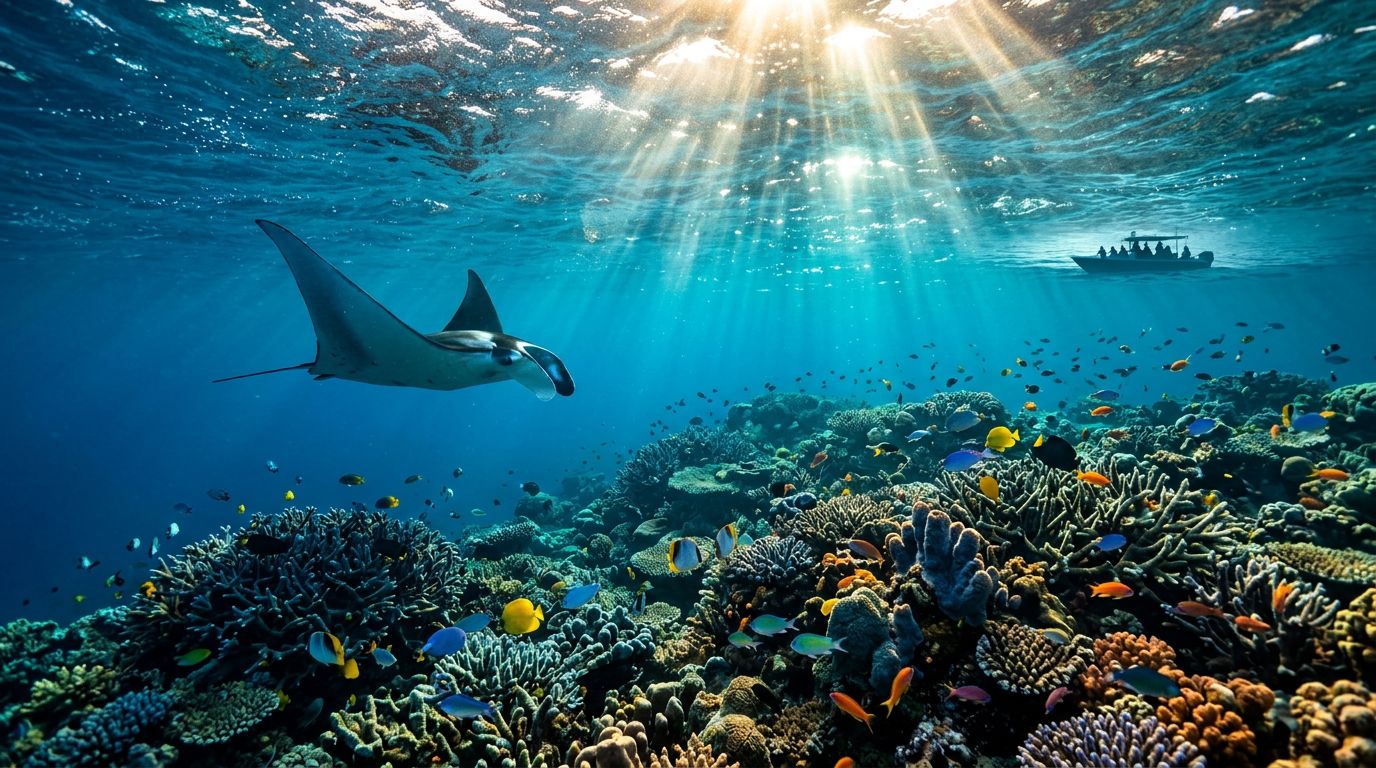
Four days is enough to see several of the Big Island’s best snorkeling areas, but only if you plan around ocean conditions and travel time. Your snorkeling Big Island Hawaii plans should leave room for calm mornings, changing visibility, and one flexible day.
Kona Snorkel Trips fits well into this kind of trip because its small-group tours focus on safety, reef care, and access to places that are difficult to reach from shore. The right schedule lets you enjoy a major boat excursion without spending every day rushing between beaches.
Key Takeaways
- Base yourself on the Kona coast if snorkeling is your main goal.
- Schedule your longest boat trip early, then keep a backup day available.
- Visit Kealakekua Bay for daytime snorkeling and reserve a separate evening for manta rays.
- Use shore sites such as Kahalu’u Bay or Two Step when conditions are calm.
- Book fixed-time tours first, then build meals, beaches, and sightseeing around them.
Set the route before you book
A strong Big Island snorkeling itinerary follows the island’s geography. Kona sits on the west coast, while Hilo is on the opposite side. If you stay in Kona, you can reach most of the island’s most popular snorkeling areas without changing hotels.
Kona’s leeward coast often has calmer water than the windward side, especially during the morning. Conditions still change quickly, so treat any beach plan as flexible. Wind, swell, rain, and recent runoff can affect visibility and comfort.
| Day | Main plan | Best timing | Backup |
|---|---|---|---|
| 1 | Easy shore snorkel near Kona | Late morning or afternoon | Beach time and sunset |
| 2 | Kealakekua Bay boat tour | Morning | South Kona shore site |
| 3 | Rest, light snorkeling, manta night tour | Manta tour after sunset | Early dinner and rest |
| 4 | Flexible snorkel day or whale watching | Morning | Private tour or cultural site |
You don’t need to cross the island every day. A four-day trip becomes more enjoyable when you group activities by area and leave time between major excursions.
Choose lodging near Kailua-Kona, Keauhou, or the airport side of the coast if you want easy access to boat launches. Check parking, meeting points, and drive times before booking. A tour that looks close on a map may require an early start, hotel pickup, or extra time to find parking.
If you want to snorkel Big Island waters without planning every detail yourself, compare the available Kona snorkeling tours before your travel dates. Look at departure times, tour length, included equipment, age requirements, and the meeting location.
Day 1: Ease into the Kona coast
Use your first day to settle in and learn how the ocean feels. Flights, rental car pickup, luggage, and unfamiliar roads can make an ambitious first excursion stressful.
After checking in, choose a nearby shore site instead of committing to a long drive. Kahalu’u Bay is a popular option south of Kailua-Kona, while Kamakahonu Beach sits near the heart of town. Both locations can work for a short first swim when conditions and access allow.
Arrive early if you plan to snorkel from shore. Morning water often offers better visibility, and parking can become harder later in the day. Before entering, watch the water for several minutes. Look for breaking waves, strong surge, and swimmers struggling to return to shore.
Keep the first swim short. You don’t need to stay in the water for two hours to make the day count. A gentle 30 to 60 minutes gives you time to test your mask, adjust your fins, and notice how comfortable you feel in the current.
Spend the afternoon recovering from travel. Walk along Ali’i Drive, visit a nearby beach, or watch the sunset without adding another major activity. If you need gear, buy or rent a mask that seals properly before your first boat day.
This relaxed start also gives you a chance to confirm the next day’s meeting time. Tour operators may send updates about parking, weather, or launch details. Read those messages before going to sleep.
Day 2: Make Kealakekua Bay your main snorkel day
Set aside your second day for Kealakekua Bay, one of the most memorable places to snorkel on the Kona coast. The bay has clear water, steep volcanic surroundings, and important cultural history connected with the Captain Cook Monument.
A boat tour is often the most practical way to visit. Driving, hiking, or kayaking can require more planning, while a guided trip combines transportation, equipment, water instruction, and local information. Your tour crew can also choose the safest entry point when conditions change.
Kona Snorkel Trips offers a small-group approach for this kind of day. Its lifeguard-certified guides provide snorkeling equipment and focus on guest safety, reef-safe practices, and respectful wildlife viewing. The Kealakekua Bay snorkeling tour is a natural centerpiece for a four-day plan because you can spend the morning on the water and keep the afternoon open.
Plan to eat a solid breakfast before departure. Bring water, a light cover-up, sunglasses, and any medication you may need. Even on a comfortable boat, sun exposure and saltwater can drain your energy.
Stay close to your guide’s instructions once you reach the bay. Don’t stand on coral, chase fish, or touch turtles. Coral grows slowly, and a single careless step can damage a living reef.
Kona Snorkel Trips follows a “Reef to Rays” philosophy, with education and ocean stewardship included in its excursions. The operation also emphasizes a personal small-group setting instead of a crowded boat experience.
If the timing works for your trip, you can check availability before filling the rest of your schedule.
After the tour, avoid scheduling a demanding drive to the north or east side of the island. Have lunch, rinse your gear, and spend the evening close to your lodging.
Day 3: Rest by day, meet manta rays at night
A manta ray night snorkel works best when you protect your energy during the day. You don’t need another full boat tour before an evening ocean activity.
Sleep in, eat breakfast, and choose a light daytime plan. You could visit a Kona coffee farm, relax at the hotel pool, or take a short swim at a nearby beach. If you want more water time, keep it easy and return to shore before you feel tired.
At night, manta rays gather near Kona to feed on plankton attracted by underwater lights. You can watch the rays glide beneath you while guides explain how to position yourself without touching or blocking the animals.
Kona Snorkel Trips uses custom-built lighted boards on its manta excursions, along with quality snorkeling gear and guidance from lifeguard-certified staff. The Big Island manta ray night snorkel is a separate experience from daytime reef snorkeling, so plan for a later return and cooler air after you leave the water.
A second company you may compare is Manta Ray Night Snorkel, especially if departure location, group size, or schedule matters to your trip.
You should expect the ocean to feel different at night. Bring a towel, warm layer, and dry clothes. Follow every instruction about entering and exiting the water. Avoid touching manta rays, even if one passes within reach.
Manta sightings depend on wildlife behavior, weather, and water conditions. No responsible operator can promise a specific encounter. Choose a company that explains its policies clearly and puts animal welfare ahead of close-up photos.
If you want to reserve the evening portion of your itinerary, check availability for a manta ray night snorkeling tour.
Your body may feel tired after the night swim, so don’t schedule an early morning flight the next day. Give yourself enough time to sleep, eat, and drive safely.
Day 4: Keep a flexible final morning
Your fourth day should absorb whatever the first three days couldn’t. If the ocean canceled a tour, visibility disappointed you, or you discovered that you want more time underwater, this is your chance to adjust.
For another daytime boat trip, return to Kealakekua Bay only if conditions and your schedule support it. A private excursion can work well when your group has different swimming abilities or wants more control over departure time. You can compare private Kona snorkel tours for a more personalized day on the coast.
A shore-based option is Two Step near Pu’uhonua o Honaunau National Historical Park. The entry is rocky, and the water can become rough, so inspect conditions before swimming. Wear sturdy water shoes for walking near the shoreline, then remove them before entering if they aren’t suitable for snorkeling.
Pairing a morning swim with a cultural visit can give your final day more variety. Pu’uhonua o Honaunau offers a chance to learn about Hawaiian history and place. Follow posted rules, remain in public areas, and keep your beach gear organized in the car.
If you visit during Hawaii’s winter humpback season, you could replace the final snorkel with a Kona whale watching tour. Whale watching and snorkeling require different conditions, so choose based on the forecast and your priorities rather than trying to force both into one morning.
For a whale excursion, you can check availability. If your trip falls outside whale season, keep the final day focused on snorkeling, a coffee farm, or a relaxed beach afternoon.
Leave extra time before your flight or long drive. Saltwater gear needs to dry, rental cars need fuel, and coastal roads can take longer than expected. A flexible final day is much more useful than a packed schedule that leaves you watching the clock.
Pack for comfort, safety, and reef care
Your gear doesn’t need to be expensive, but it needs to fit. A leaking mask can ruin an otherwise excellent swim, while loose fins can cause blisters or fall off in moving water.
Pack a reusable water bottle, towel, reef-safe sunscreen, rash guard, sunglasses, and a dry bag for your phone. Bring a light jacket for boat rides and evening manta tours. If you wear contact lenses, carry backup glasses in case saltwater makes them uncomfortable.
Use sunscreen before you leave shore, not after you enter the water. Many tour operators require reef-safe products, and physical barriers such as a long-sleeve rash guard reduce how much sunscreen you need.
Never touch coral, turtles, dolphins, or manta rays. Keep your fins away from the reef, maintain a respectful distance from wildlife, and don’t feed fish. Those habits protect the places you came to see.
If you aren’t a strong swimmer, tell your guide before departure. Ask about flotation equipment and stay within the designated area. Parents should keep children close enough to assist them without delay.
Boat tours may provide masks, fins, flotation devices, snacks, and water, but the exact inclusions vary. Read the booking information instead of assuming every tour supplies the same equipment.
Most importantly, respect a cancellation or relocation decision. A guide who moves a group away from rough water is protecting your trip, not taking something away from you. The best day on the ocean is one where you return comfortable and ready for tomorrow.
Book the fixed pieces first
Start by booking the two experiences that control your schedule: the Kealakekua Bay excursion and the manta ray night snorkel. These tours often have limited departure times, so reserve them before planning restaurant reservations or long drives.
Next, confirm your lodging location and rental car. Staying near Kona reduces daily driving and makes early boat departures easier. If you stay elsewhere, calculate the full drive time, including parking and check-in.
Keep one shore site and one indoor or land-based activity available as backups. For example, you might pair Two Step with a coffee farm visit, or use a Kona beach morning if a boat trip moves to another day.
Check the forecast the evening before every ocean activity. Ask your operator what time to arrive, what to bring, and whether the meeting point has parking. Conditions can change, but good preparation prevents small problems from becoming missed departures.
Your final schedule might look simple:
- Arrive and take a short shore swim.
- Spend the second day at Kealakekua Bay.
- Rest during the day, then snorkel with manta rays at night.
- Use the final day for a flexible shore swim, private tour, or seasonal whale watching.
That structure gives you variety without turning four days into a race.
Conclusion: Leave room for the ocean
A successful four-day snorkeling plan for the Big Island balances fixed reservations with flexible water time. Use Kona as your base, place Kealakekua Bay and manta rays on separate days, and keep the final morning open for conditions and energy levels.
You don’t need to visit every beach to have a memorable snorkeling Big Island trip. Choose a few quality experiences, respect the reef, and let the ocean decide when a slower day is the right day.