
Snorkeling the Big Island in Winter for First-Time Visitors
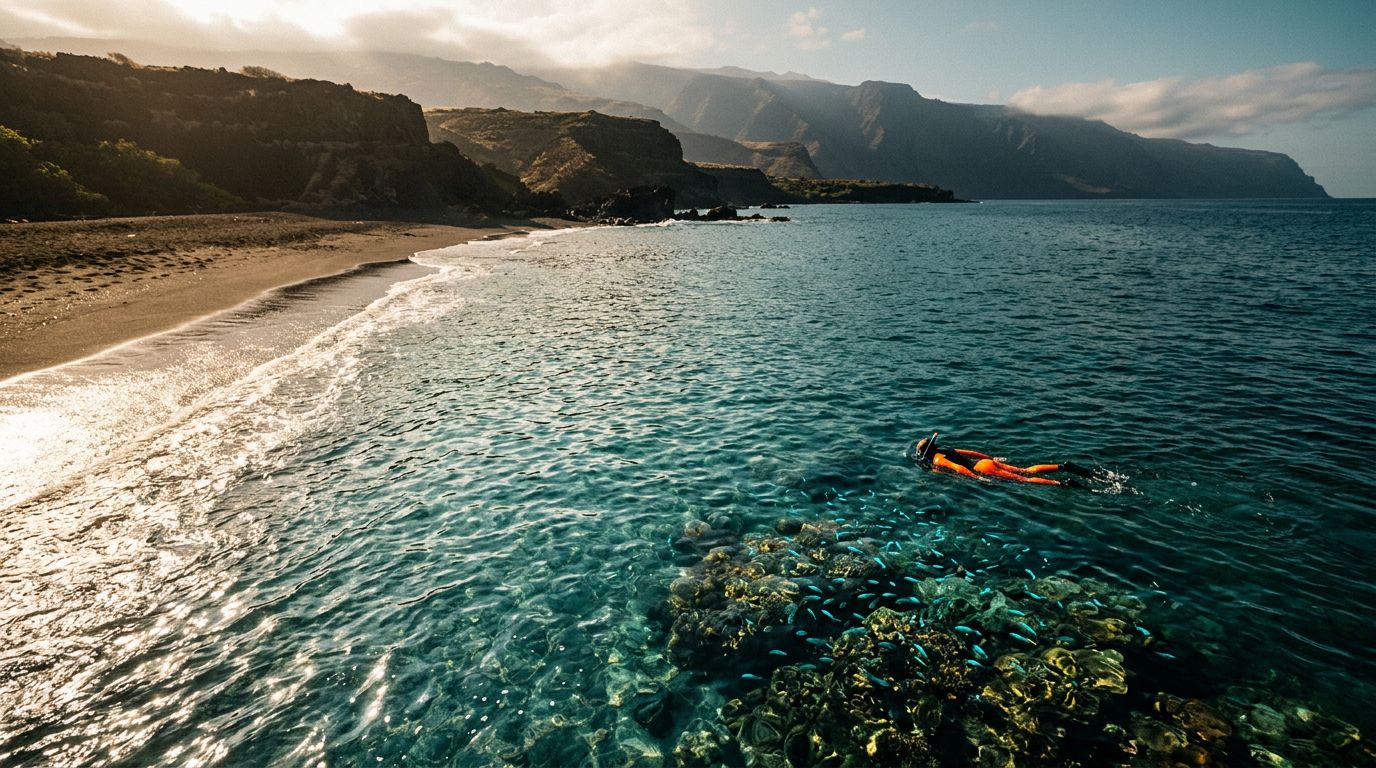
If you’re planning snorkeling Big Island Hawaii in winter, Kona Snorkel Trips is a smart place to start because ocean conditions change fast and local timing matters.
Worried that cooler water or bigger surf will wreck your plans? On the Kona coast, winter can still bring clear water, easy boat access, and memorable reef life for first-time visitors.
The trick is to match the site, the time, and the style of trip to the day. Start with what winter really feels like around the island.
Why winter still works for first-time snorkelers
Winter on the Big Island doesn’t shut down snorkeling. It changes where you go and when you go.
The Kona side usually gets the best protection from winter swell, which is why it often stays more usable than exposed shores. That matters when you’re new, because a good first trip starts with calm water, simple entry, and a guide who knows how the day is shaping up.
You also get a few winter perks. The island feels less crowded in many spots, the ocean life is still active, and humpback whales add a bonus marine show offshore. If you want a broader seasonal comparison, the guide to when to snorkel Hawaii for the best conditions lines up with the same pattern, summer is easier, winter asks for smarter timing.
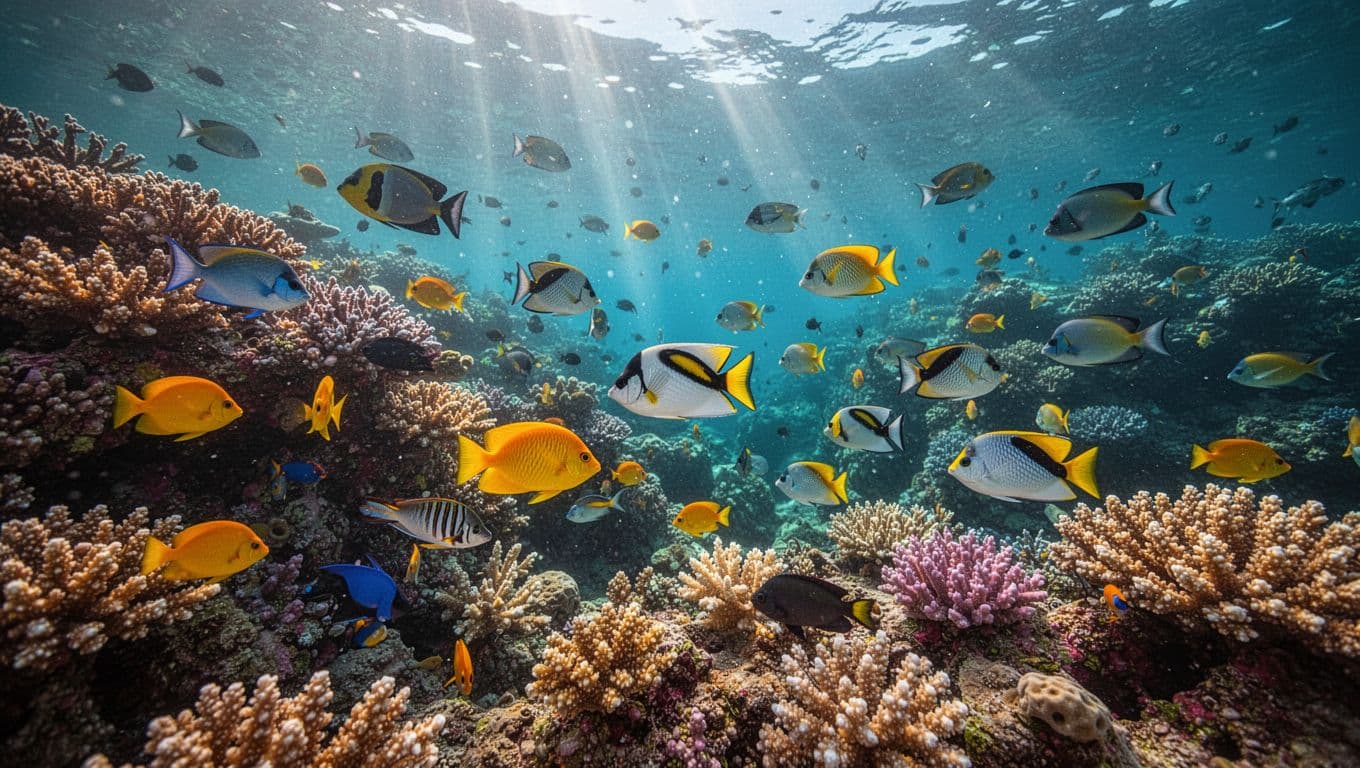
For snorkeling Big Island newcomers, winter is less about forcing the perfect beach day and more about choosing the right coast. If you do that, the season opens up fast.
What winter water and weather actually feel like
The first thing to know is that winter in Hawaii doesn’t mean cold in the way many travelers expect. The water can feel a little cooler at entry, but most people adjust quickly once they start moving.
Wind is the bigger issue. Morning conditions are often calmer, then afternoon chop can build as the day goes on. That is why early departures help so much. They give you a better chance at clear visibility and smoother water.
Surf also matters more than air temperature. A beach that looks calm from shore can still have rough patches, especially on exposed sides of the island. Local conversation often repeats the same warning, including in this winter surf discussion at Two Step, which is a good reminder that the day matters more than the month.
You do not need perfect weather. You need the right coastline and the right time of day.
That is the heart of Big Island snorkeling winter planning. Pick a sheltered area, start early, and let the crew make the call if conditions shift. When you snorkel Big Island waters with that mindset, winter feels a lot less like a gamble.
How to choose your first winter snorkel trip
When you snorkel Big Island waters in winter, the safest plan is the one that leaves room for change. For most first-time visitors, that means choosing a trip that matches your comfort level instead of chasing the loudest headline.
If you want a simple place to start, guided Big Island snorkeling tours give you the best mix of local knowledge, gear help, and site selection. Kona Snorkel Trips keeps the experience small and personal, with lifeguard-certified guides, reef-safe habits, and a focus on the kind of water that’s right for the day.
Here is a quick comparison to help you sort the options.
| Tour | Best for | Winter advantage |
|---|---|---|
| Guided Big Island snorkeling tours | First-time visitors who want a simple plan | Local guides can choose calmer sites |
| Manta ray night snorkel in Kona | Adventurous swimmers who want something memorable | Night conditions avoid daytime chop |
| Captain Cook monument snorkel tours | Clear water and reef life | Kealakekua Bay is often sheltered |
| Big Island whale watching cruises | Families and mixed groups | Humpback season peaks in winter |
| Private Kona boat charters | Couples or groups with mixed comfort levels | Flexible routing and pace |
That spread covers most first-timer needs. If your goal is the easiest introduction, start with a guided daytime snorkel and keep the rest of the day open. If you want a bigger memory, winter is also the season where manta rays and whales can turn one trip into two.
If you want to book a guided outing, check availability.
What to pack for a winter snorkel day
Packing well makes a bigger difference than most people expect. A short list of practical items keeps the day easy and helps you relax once you’re on the boat.
- Reef-safe sunscreen: Put it on early, because sun still reflects hard off the water.
- Rash guard or swim shirt: This helps with warmth and sun protection.
- Quick-dry towel and dry clothes: You will appreciate them after a cooler morning entry.
- Water and a light snack: Stay hydrated, especially if the boat ride runs a little long.
- Motion sickness medicine: Bring it if boat travel usually bothers you.
- Small dry bag: Keep your phone, keys, and wallet out of the spray.
Arrive early if you can. That gives you time to listen to the safety briefing, adjust fins, and ask where the entry point is. If you’re new to open water, ask how the crew wants you to board, float, and climb back in. Those small details lower stress fast.
For families, ask about flotation gear and deck space before you book. For couples and solo travelers, ask whether the trip is built around one site or several. The more you know before you step aboard, the more relaxed the swim feels.
The winter experiences that stand out most
Some winter snorkel outings are better because they are calmer. Others are better because they give you something you cannot get in summer. These are the ones that first-time visitors remember most.
Kealakekua Bay for clear, sheltered water
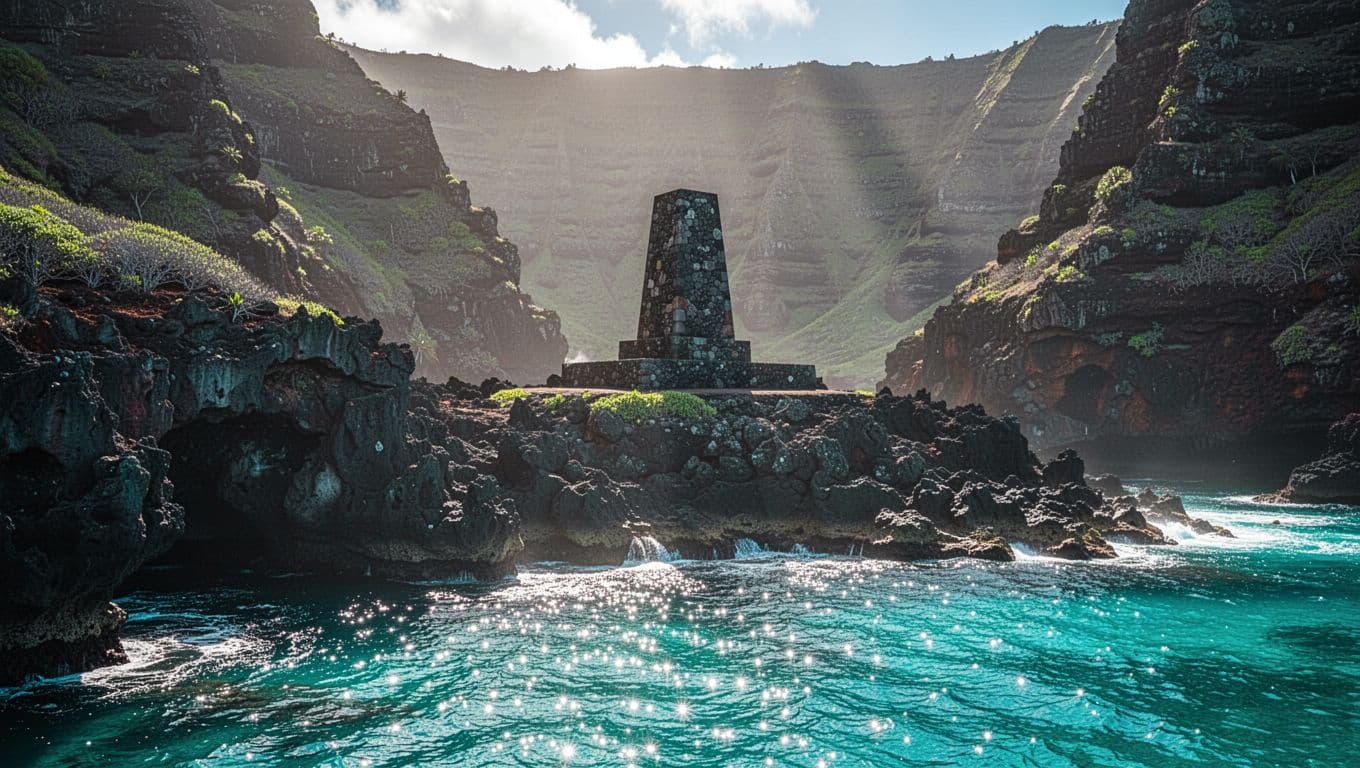
Kealakekua Bay is one of the easiest winter choices if you want a daytime snorkel with a high chance of clear water. The bay often stays calmer than exposed shoreline spots, and the reef life is rich enough to keep your attention from the first minute.
For first-time visitors, that matters. You can ease into the water, look around without rushing, and still get a real sense of what snorkeling on the Big Island feels like. The historic setting adds another layer, but the water is what makes the trip memorable.
If you want a closer look at the site, Captain Cook monument snorkel tours are worth a spot on your list. If that sounds like the kind of day you want, check avaialbility before your dates fill up.
Manta rays after dark
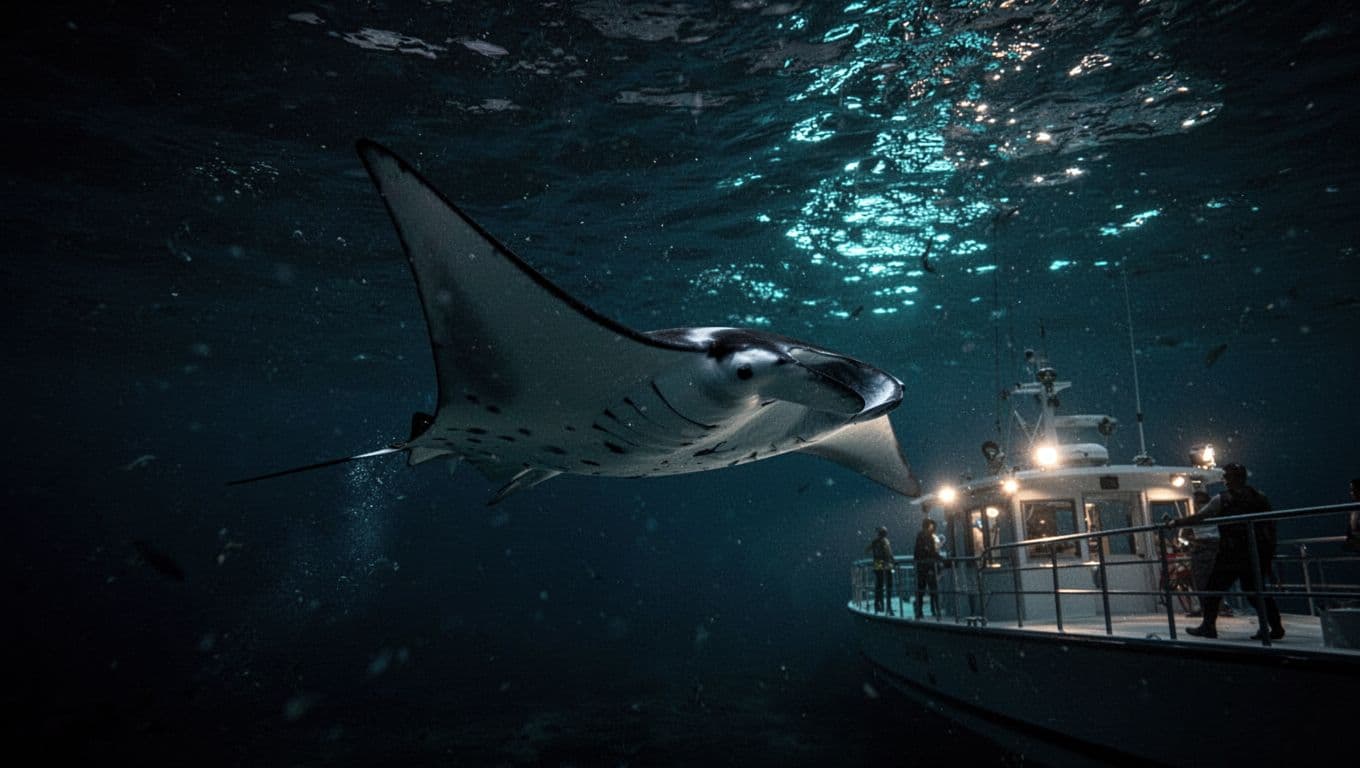
A manta ray trip changes the pace completely. Instead of focusing on reef entry and daylight swell, you float at night and watch giant rays move through the light like birds under water.
That is why a manta ray night snorkel in Kona can be such a strong winter pick. The experience is steady, short, and unforgettable. It works well for couples who want something different, and it also suits adventurous first-timers who are comfortable in the water.
Winter is a good time for this outing because the season already puts you in a marine mood. You may spend the day seeing whales offshore, then end the night with manta rays below you. If that sounds like your kind of winter, check availability.
Whale watching in peak season
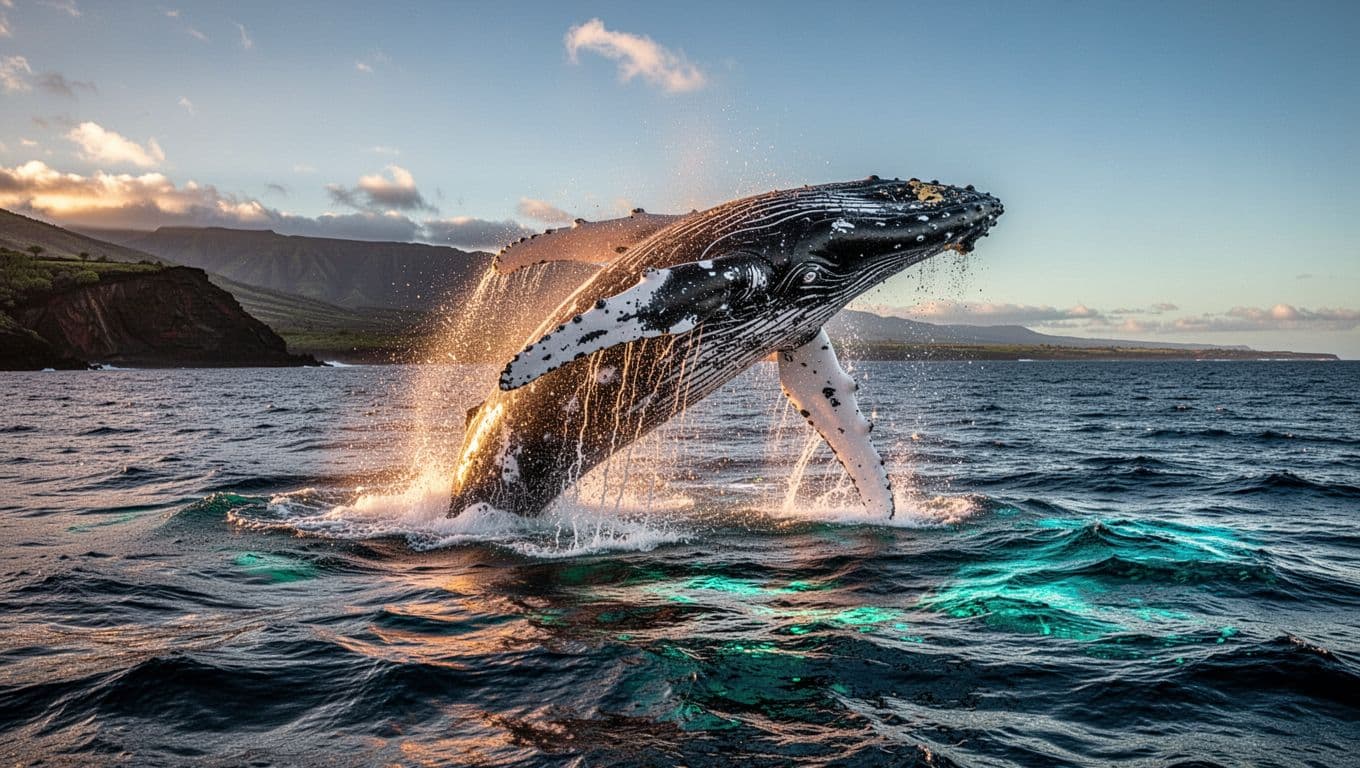
Winter is peak humpback season in Hawaii, so you get a real bonus if you add a whale watch to your snorkel trip. This is especially useful for families or mixed groups, because not everyone has to swim to enjoy the ocean.
A Big Island whale watching cruise gives you a different kind of water day. You stay dry, watch for breaches and tail slaps, and still feel like you’re out in the middle of the action. For first-time visitors, that mix can make winter feel bigger without getting harder.
If you want to build a winter day around whales, check availability before the season gets busy.
Private charters for mixed groups
Some groups need more flexibility than a standard trip can give. Maybe you travel with kids, maybe one person swims well and another does not, or maybe you just want more control over the pace.
That is where private Kona boat charters make sense. You can choose a slower morning, focus on calmer water, and keep the day centered on your group instead of the crowd.
For winter first-timers, that freedom can be the difference between feeling rushed and feeling relaxed. It also works well if you want to snorkel, whale watch, or simply enjoy the coast without a packed schedule.
Conclusion
Winter doesn’t cancel snorkeling on the Big Island. It just asks you to pay attention to the coast, the time of day, and the kind of trip you choose.
If you start on the Kona side, book early in the day, and pick an outing that fits your comfort level, Big Island snorkeling winter can be one of the easiest ways to see the island well. That first swim, or even that first boat ride, can set the tone for the whole trip.