
Create a Fish-Spotting Log for Big Island Snorkeling
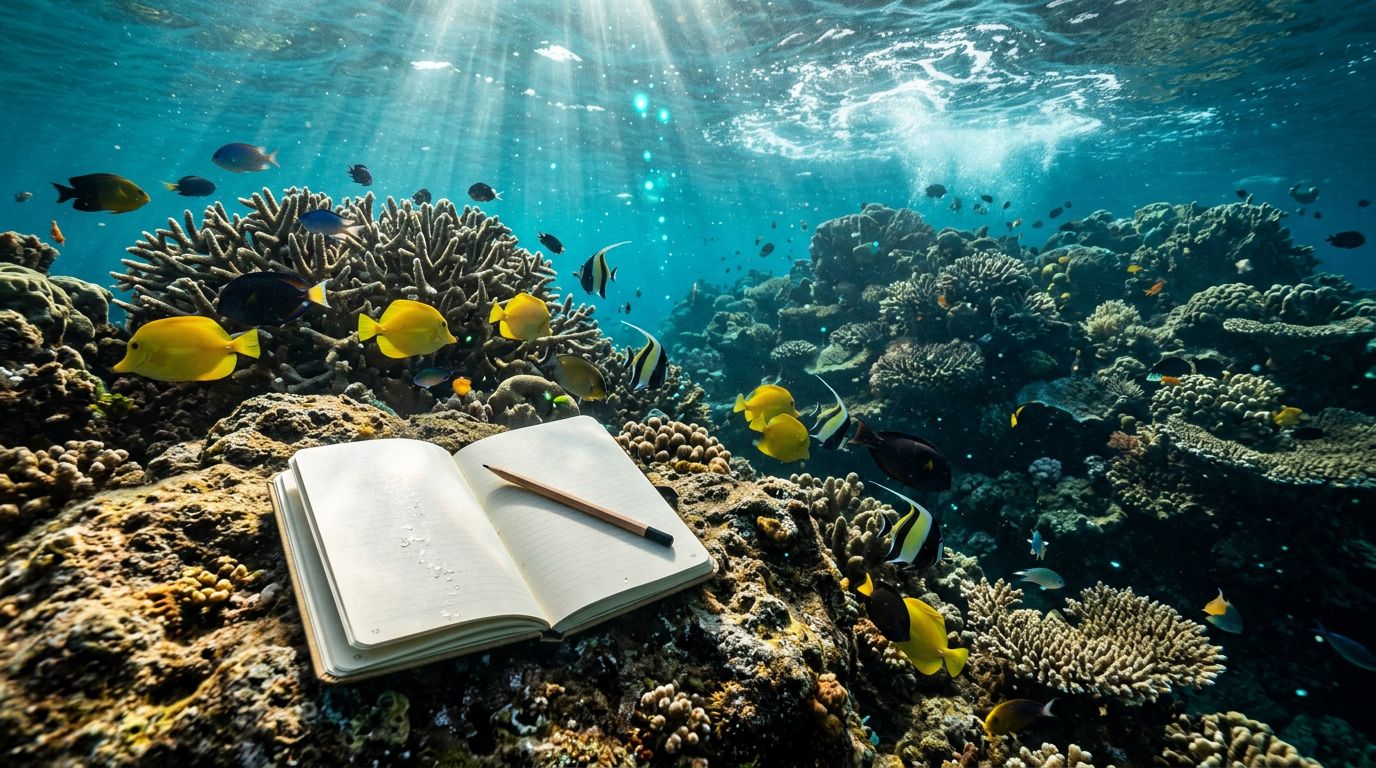
A good fish log gives Big Island snorkeling a clear purpose beyond taking photos. You begin noticing body shapes, reef behavior, feeding patterns, and small details that disappear when every fish looks like a quick flash of color.
Snorkeling Big Island Hawaii becomes more rewarding when you slow down and record what you see. With a waterproof notebook, a simple identification system, and respect for wildlife, you can build a personal record of the reefs you visit. Start with the right format, then let each outing add another page.
How to Build a Fish Log for Big Island Snorkeling
You don’t need an underwater camera or advanced marine biology skills. The best log is simple enough to use after you leave the water, when the details are still fresh.
Pick a format you can actually use
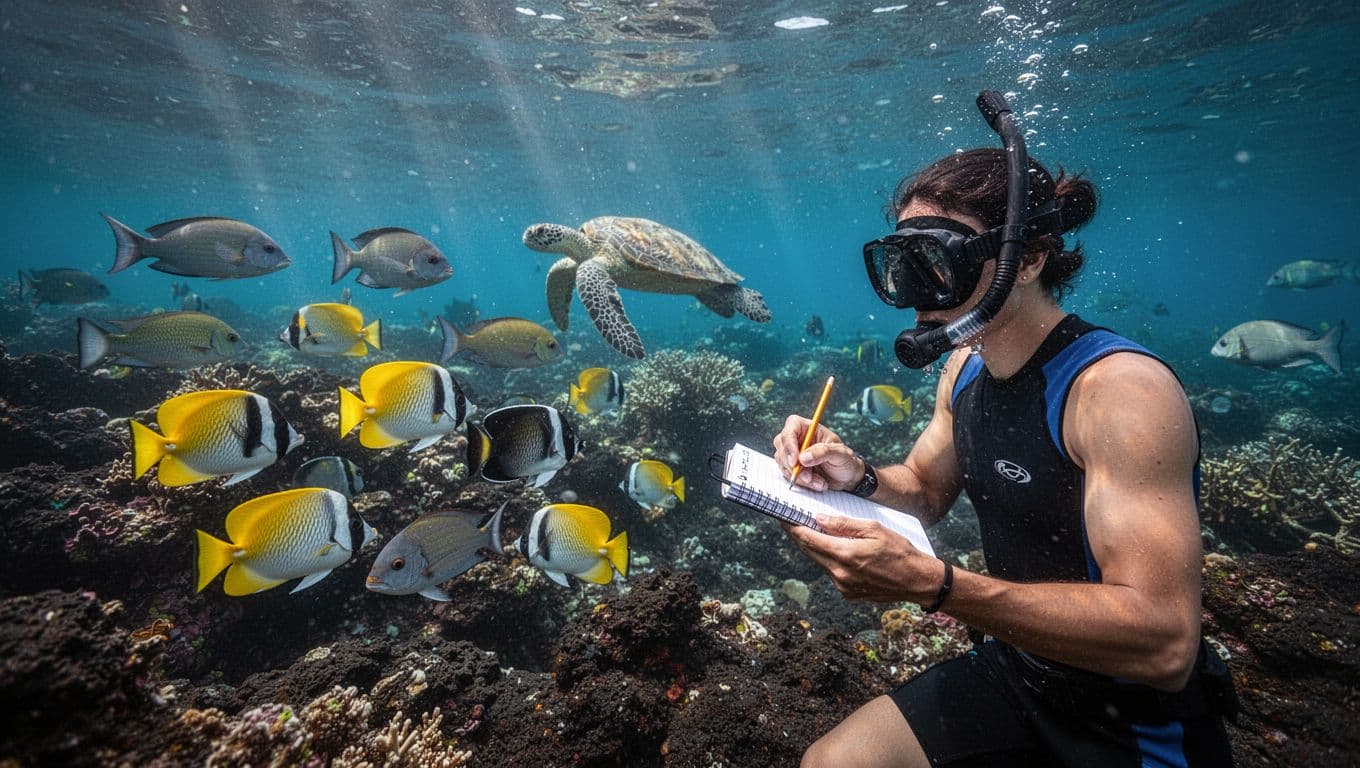
A small waterproof notebook works well on a boat or beach. You can also keep a notes app ready for after your swim. Avoid carrying a phone into the water unless it’s secured in proper waterproof housing.
Create one page for each outing. Write the date, location, weather, water clarity, and approximate time. Then leave space for individual sightings.
Use short descriptions instead of trying to write a perfect field report. “Yellow fish, disk-shaped body, grazing on rock” is more useful than a vague note such as “saw lots of fish.”
Record water and reef conditions
Fish behave differently around shallow lava shelves, coral heads, channels, and sandy edges. Write down the habitat where you saw each animal. You might notice more grazing fish over algae-covered rock, while trumpetfish and eels often stay near cracks or ledges.
Also record whether the water was calm or choppy. Visibility affects what you can identify, especially when colors become muted at depth. If you snorkel Big Island reefs on several days, these notes will help you compare sites fairly.
A useful entry includes:
- Date, location, time, and approximate depth
- Water clarity, current, sunlight, and surface conditions
- Fish size, body shape, colors, and markings
- Behavior, such as grazing, hiding, schooling, or cleaning
- Habitat, including coral, lava rock, sand, or a crevice
- Your identification confidence, marked as certain, likely, or unknown
What to Record for Each Fish
Color catches your attention first, but shape and behavior usually provide better clues. Take a few seconds to observe before reaching for your camera.
Start with body shape and markings
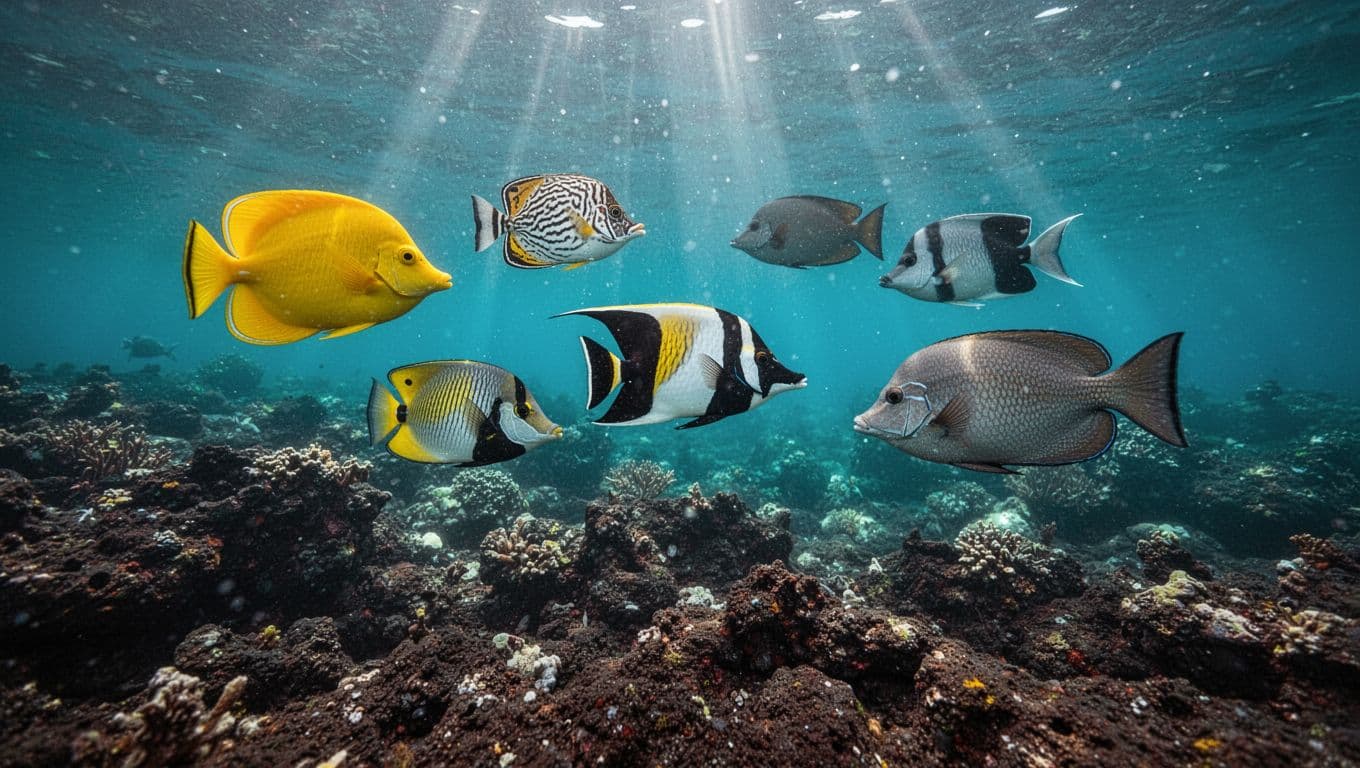
Begin by asking what kind of shape you see. Is the fish disk-shaped, long and thin, wedge-shaped, or rounded? Does it have a pointed snout, a forked tail, a tall dorsal fin, or whisker-like barbels?
These features remain useful when the fish swims into shadow. A yellow tang is easy to recognize by its bright yellow color, but its flattened oval body also separates it from similarly colored reef fish. The Hawaii Department of Land and Natural Resources identifies the yellow tang as an herbivore that eats turf algae growing on coral. You can read more in the state’s ocean activity book.
Look for patterns next. Vertical bars, horizontal stripes, a dark mask, or a white tail can narrow your choices. Take a mental picture of the whole fish instead of focusing only on one bright patch.
The most reliable identification clue is often the fish’s silhouette, followed by its behavior.
Add behavior and habitat
Behavior turns a basic sighting into a useful observation. A parrotfish scraping algae from rock gives you different information than a parrotfish cruising above a coral head. A butterflyfish moving in pairs may be easier to identify than one passing quickly through a school.
Note whether the fish stayed close to the bottom, hovered in open water, or vanished into a crevice. You can also record whether it traveled alone or with others. Avoid guessing the exact species if you aren’t sure. Mark the entry as “possible Moorish idol” and compare it with a guide later.
This approach improves your log without making the swim feel like homework. You stay curious, but you also remain aware of your breathing, position, and surroundings.
Beginner-Friendly Fish to Add to Your Log
Kona’s reefs offer plenty of recognizable species for a first page. Start with fish that have strong visual features, then work toward less familiar species.
Look for bright, active reef fish
Yellow tangs often stand out against dark lava rock. Parrotfish have sturdy bodies and beak-like mouths that help them scrape algae from the reef. Manini, also called convict tangs, have narrow dark bars across their pale bodies.
Moorish idols have contrasting black, white, and yellow markings, along with a long dorsal streamer. Butterflyfish often have compressed, disk-like bodies and distinctive facial patterns. Goatfish may show small barbels beneath the chin as they search the bottom.
For each species, record the clue that helped you notice it. “Long streamer” is a strong note for a Moorish idol. “Black vertical bars” points you toward manini. Over time, those quick clues become easier to recognize.
Watch the reef’s less obvious residents
Some of the most interesting sightings need patience. The humuhumunukunukuapuaa, Hawaii’s state fish, has a compact triggerfish shape and bold markings. Eels may show only their heads from holes in the reef. Needlefish can appear near the surface, while pufferfish and boxfish have rounded profiles that make them easy to separate from streamlined species.
You may also see Hawaiian sergeant, saddleback wrasse, orangeband surgeonfish, or different butterflyfish species. Don’t worry about finishing a long species list in one swim. Five accurate entries are better than twenty guesses.
Keep a separate page for larger animals. Green sea turtles, manta rays, spinner dolphins, and reef sharks aren’t fish entries, but they belong in your marine-life record. Write what you observed without chasing the animal or changing its behavior.
Where to Use Your Fish-Spotting Log Along the Kona Coast
The same fish can look different under changing light and water conditions. Visiting more than one site gives your notes useful context.
Compare Kealakekua Bay with other reef areas
Kealakekua Bay is a protected marine area with healthy coral colonies and schools of reef fish. Your log may include yellow tang, parrotfish, black triggerfish, butterflyfish, and green sea turtles. The bay is also a good place to practice identifying habitat because reef edges, coral formations, and deeper blue water sit close together.
A Kealakekua Bay snorkeling tour can help you reach the area with proper equipment and guidance. If you plan a Captain Cook outing, you can check availability before choosing your date.
Use season and conditions as part of the record
Late spring through early fall often brings calmer seas and better visibility around Kealakekua Bay. Winter conditions can change more quickly, although humpback whales return to Hawaii waters during the colder months.
When snorkeling Big Island waters in winter, add whale activity to your notes from the boat, but keep the animals at the required distance. A Kona whale watching tour can add a separate wildlife page to your trip log. You can also check availability for a seasonal outing.
Keep Wildlife Notes Safe and Respectful
A fish log should help you observe, not encourage closer contact. Wildlife belongs in the water on its own terms.
Follow distance rules
NOAA advises you to stay at least 10 feet away from sea turtles and monk seals. It also says you should never touch, chase, or feed marine wildlife. Read the full Hawaii marine wildlife viewing guidelines before your trip.
Hawaii’s wildlife protocols also set larger distances for marine mammals. Keep at least 50 yards from spinner dolphins and 100 yards from humpback whales. Never swim over, under, or in front of a sea turtle. Record the sighting after you have created enough space.
Protect the reef while you observe
Keep your fins away from coral, and never stand on the reef. Don’t touch coral, fish, turtles, or other marine life. Feeding animals changes their behavior and can damage the balance you came to observe.
The Coral Reef Alliance shoreline guidance recommends avoiding contact with coral and marine creatures. Use reef-safe practices, keep your movements slow, and let animals decide where they want to go.
Improve Your Log With a Guided Kona Trip
A knowledgeable guide can point out species you might swim past, explain local reef behavior, and help you choose a safe position for observation. Kona Snorkel Trips follows a “Reef to Rays” philosophy, with small-group ocean adventures, quality snorkeling equipment, and Lifeguard Certified guides who focus on guest safety and reef protection.
The company’s Big Island snorkeling tours are useful for building a first log because you can ask about fish identification while you explore. The crew also offers personalized service rather than treating every outing as a crowded group experience.
For a nighttime page, consider a Kona manta ray night snorkel. Record the time, water conditions, and how the rays moved through the light. You can check availability when a night encounter fits your itinerary.
If your family or group wants more time at one location, private Kona snorkeling tours let you shape the pace around your interests and comfort level.
Turn Each Swim Into a Better Observation
Your first log doesn’t need rare species or perfect identifications. Start by recording what you can see clearly, then compare entries across sites, seasons, and water conditions.
Big Island snorkeling rewards patient observation. When you snorkel Big Island reefs with a notebook in mind, you begin to notice the details that make each habitat different. A respectful fish log gives you a lasting way to remember those details without disturbing the animals that made the outing special.