
Big Island Manta Ray Night Snorkel Success Rate Explained
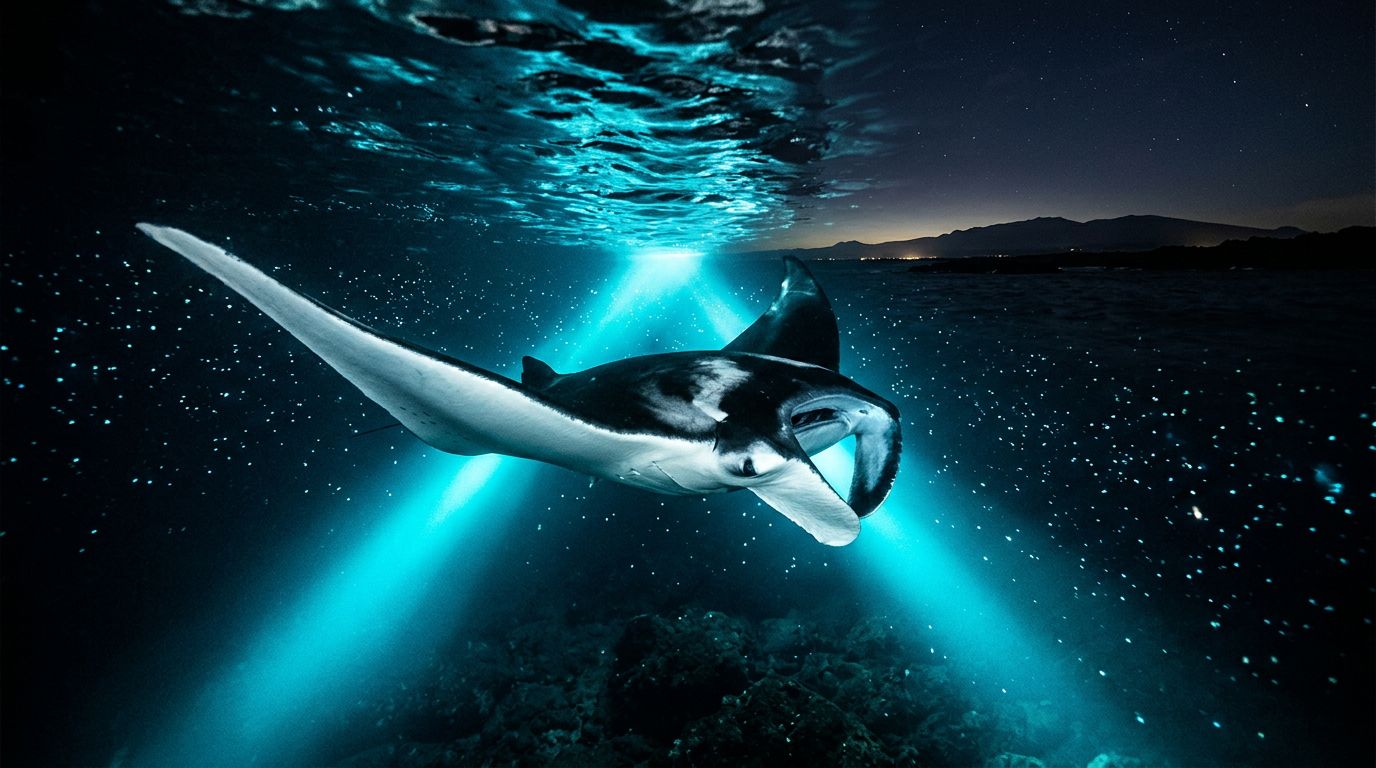
Kona Snorkel Trips is a strong place to start if you’re trying to judge a manta ray night snorkel success rate on the Big Island. If you’re planning snorkeling Big Island Hawaii style, this is one of the few wildlife trips where the setup works in your favor.
Kona’s manta trips draw a lot of attention because dark water, bright lights, and feeding behavior line up in a way that often produces close encounters. That still doesn’t turn manta rays into a guarantee, so you want a clear view of what really improves your odds before you book. If you’re comparing options, the Big Island snorkeling tours page gives you a useful place to start, and Manta Ray Night Snorkel Hawaii is another manta-focused name you may see.
What “success rate” really means on a manta night
When people ask about the success rate of a manta night snorkel, they usually mean two different things. First, they want to know if you will see manta rays at all. Second, they want to know if the sighting feels close, clear, and long enough to be worth the trip.
That matters because wildlife trips are not aquarium visits. You don’t get to call the shots, and the ocean doesn’t follow a schedule.
A good manta night often gives you more than one pass. You might see a ray glide through the light, then circle back again. On a slower night, you may still get one good encounter that feels unforgettable. Either way, the real measure is not a hard percentage. It is the quality of the encounter, the calm of the water, and how well the boat sets the night up.
A strong manta night is measured in sightings, not in guarantees.
That is why the term success rate can be misleading if you treat it like a sports stat. A better question is simpler: how often does the Kona setup create the right conditions for mantas to feed near snorkelers? On the Big Island, the answer is often “pretty often” because the coast, the water, and the lighting pattern all work together.
Why Kona gives you strong odds
Kona has a natural edge. The west side of the Big Island is leeward, which means it usually gets calmer conditions than windward shores. That calmer water helps the snorkel board stay steady, helps you float with less effort, and keeps the lighting patch more focused.
Manta rays also follow food, and food starts with plankton. Bright underwater lights draw plankton into the water column, and the plankton draws the mantas in. When that cycle lines up, the rays often cruise through the light over and over.
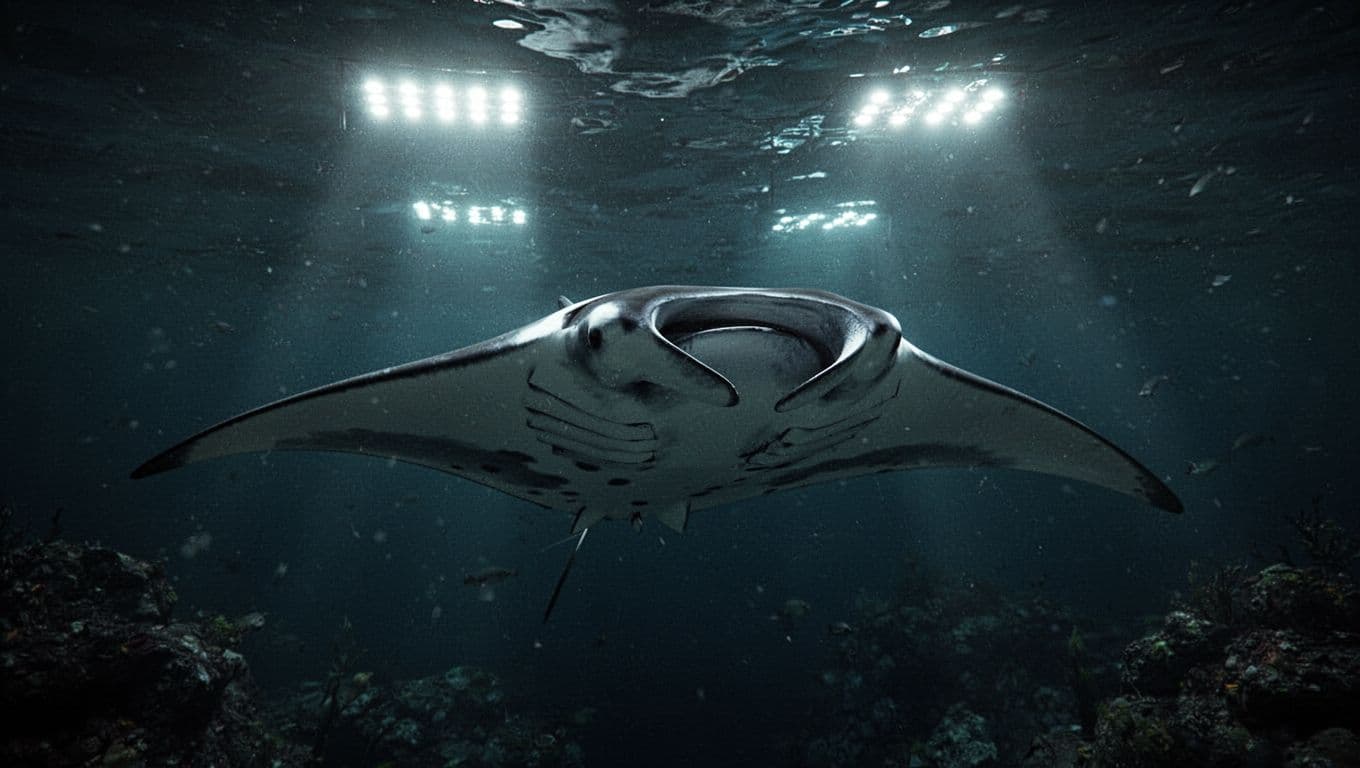
The setting is part of the reason this trip is such a favorite for snorkeling Big Island visitors. You are not chasing wildlife across miles of open ocean. You are creating one well-lit feeding zone and waiting for the animals to show up.
For a deeper look at how the light and plankton connection works, read the manta ray night snorkel overview. It gives you a simple picture of why this experience is so consistent compared with many other night wildlife trips.
A few nights may still feel quiet. That happens anywhere wildlife is involved. Even then, Kona’s setup gives you a better chance than a random shore entry in rough water.
The conditions that help or hurt your chances
You can think about manta success in terms of three things, water, light, and crowding. If those line up, the night usually feels better. If they do not, the trip can still be good, but the viewing may feel less smooth.
Here is a quick look at what matters most.
| Factor | Better sign | Lower sign |
|---|---|---|
| Water movement | Gentle surface action and stable floating | Heavy chop, surge, or strong current |
| Light setup | Bright, concentrated light under the board | Dim, scattered, or poorly aimed light |
| Group size | Small group with room to float | Too many swimmers in one spot |
| Timing | Boat arrives before peak activity | Rushing the setup or leaving too early |
| Your comfort | You can breathe steadily and stay relaxed | You feel tense, rushed, or cold |
The table tells a simple story. You do not need perfect conditions, but you do need enough calm to stay comfortable and still. Mantas like the lighted feeding lane, not a noisy cluster of fins and splashing.
Weather matters, but so does your own pace. If you rush, kick hard, or keep lifting your head, you make the experience harder on yourself. A calm snorkeler almost always has a better view.
Strong operators know this. They set the boat up well, place the lights carefully, and keep the group organized so the water stays clear. That is one reason success rate is not just about the ocean. It is also about how the night is run.
What a good tour operator changes
The operator you choose changes more than comfort. It changes how the lights sit in the water, how much space you have, and how calm the whole experience feels. That can affect what you see.
Kona Snorkel Trips follows a Reef to Rays approach, and that shows up in the details. You get a small-group feel instead of a crowded deck. You get Lifeguard Certified guides who know how to keep the water organized. You also get state-of-the-art gear and custom-built lighted boards that help create the bright surface zone where plankton gathers.
Those details matter because they give the mantas a clean target and give you a better chance to stay relaxed. When you are floating comfortably, you can watch the rays instead of fighting your own nerves.
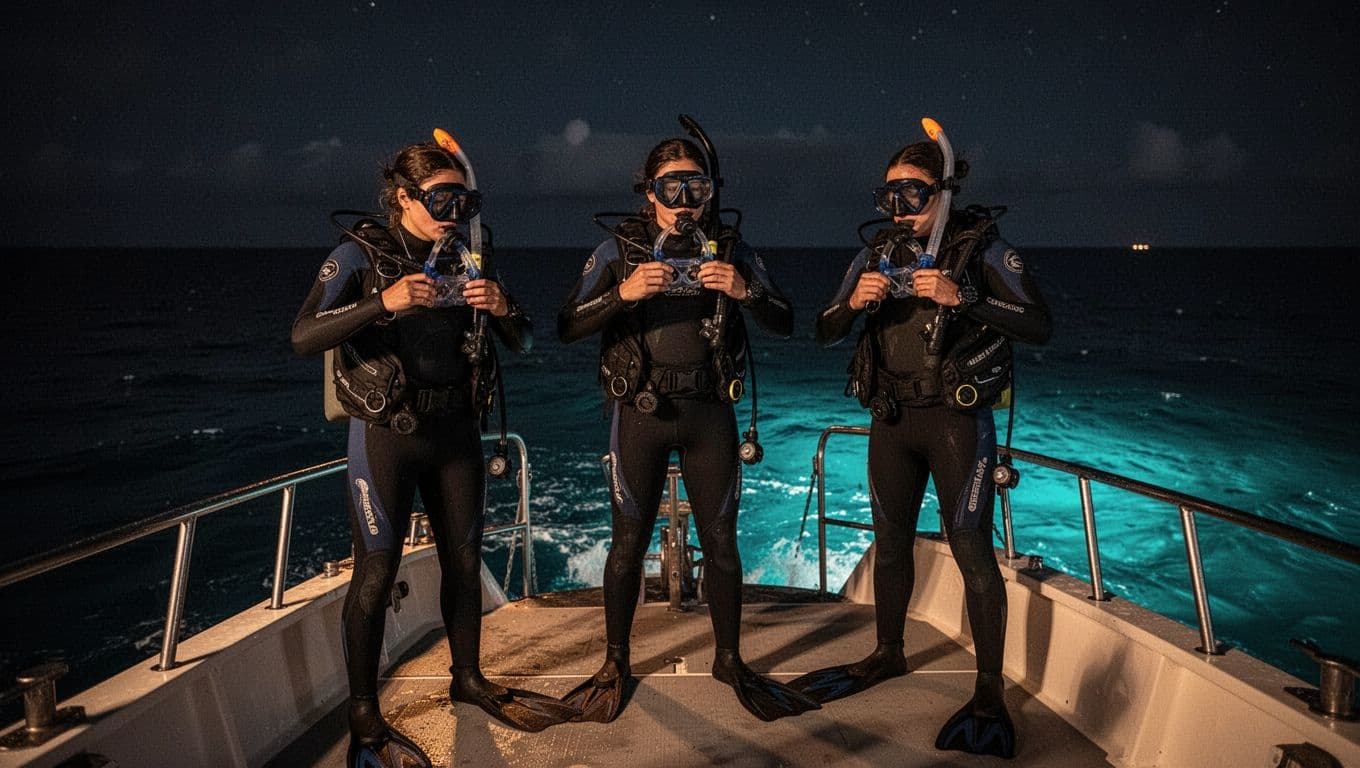
If you want to compare manta-focused options, the guided manta ray snorkeling adventure page gives you a direct look at the trip. Manta Ray Night Snorkel Hawaii is another manta-centered brand you may want to compare if you want a night wildlife outing that stays focused on the rays.
If you already know you want a guided option with a proven setup, you can check availability.
What the night feels like in the water
The best way to picture the manta ray night snorkel is simple. You float at the surface, look down into a bright lane of water, and wait. The ocean feels darker than a daytime reef, but the lights carve out a clear window below you.
When the first manta arrives, it usually feels smooth rather than flashy. The ray does not rush the board. It glides. Then it turns, bends, and comes back through the light again. That repeated motion is what makes the trip memorable.
You do not need to chase anything. In fact, chasing makes the view worse. The best thing you can do is stay calm, keep your body still, and trust the guide. A good snorkel position helps the manta move close without feeling crowded.
The sensation is part quiet, part electric. Your own breathing becomes louder for a moment. The board lights throw a cyan glow through the water, and the ray appears almost out of nowhere. Then it is gone again, only to return a few seconds later.
That is why people who snorkel Big Island at night often talk about the experience for years. It feels direct. You are close enough to read the movement of the animal, but not so close that the scene feels forced.
If the trip matches your dates, you can check availability.
The calmest swimmers often see the longest manta passes.
Who should book this trip, and what else to consider
This trip works well for you if you like wildlife, can swim comfortably, and want a memorable night on the water. Couples often love it because it feels unusual without being exhausting. Adventurous singles like it because the setup is social, but still focused. Families like it when everyone is steady in the water and ready for a dark-ocean experience.
If you are uneasy in the dark, get cold fast, or dislike floating face-down, you may want a different kind of outing. A manta night snorkel is rewarding, but it asks you to stay calm and patient. That is easier for some travelers than others.
If you want more room on the boat or a pace built around your group, private Kona boat charters can be a smart choice. A private trip can make the night feel less rushed, which helps if you want space for kids, photos, or a slower first-time experience.
That same idea applies if you plan to snorkel Big Island more than once. A night manta outing gives you one style of ocean time, while a private daytime trip gives you another. Many travelers like that mix because it keeps the week varied.
If you are still building your plans, you do not need to pick only one kind of water time. You can pair a manta night with a calmer reef day and get a better feel for the island. That is often the sweet spot for snorkeling Big Island without stuffing too much into one day.
Conclusion
The Big Island manta ray night snorkel has a strong success rate because Kona gives you the right mix of calm water, plankton, and well-run lighting. That does not mean every night looks the same, but it does mean the setup usually works in your favor.
Your best odds come from three choices, a good location, a good operator, and a calm mindset. When those line up, the experience feels less like a gamble and more like a well-prepared encounter with wild animals.
For many travelers, that is what makes snorkeling Big Island so memorable. You do your part, the ocean does its part, and the night has room to surprise you.