
Kona Boat Tours for Clear-Water Underwater Photography
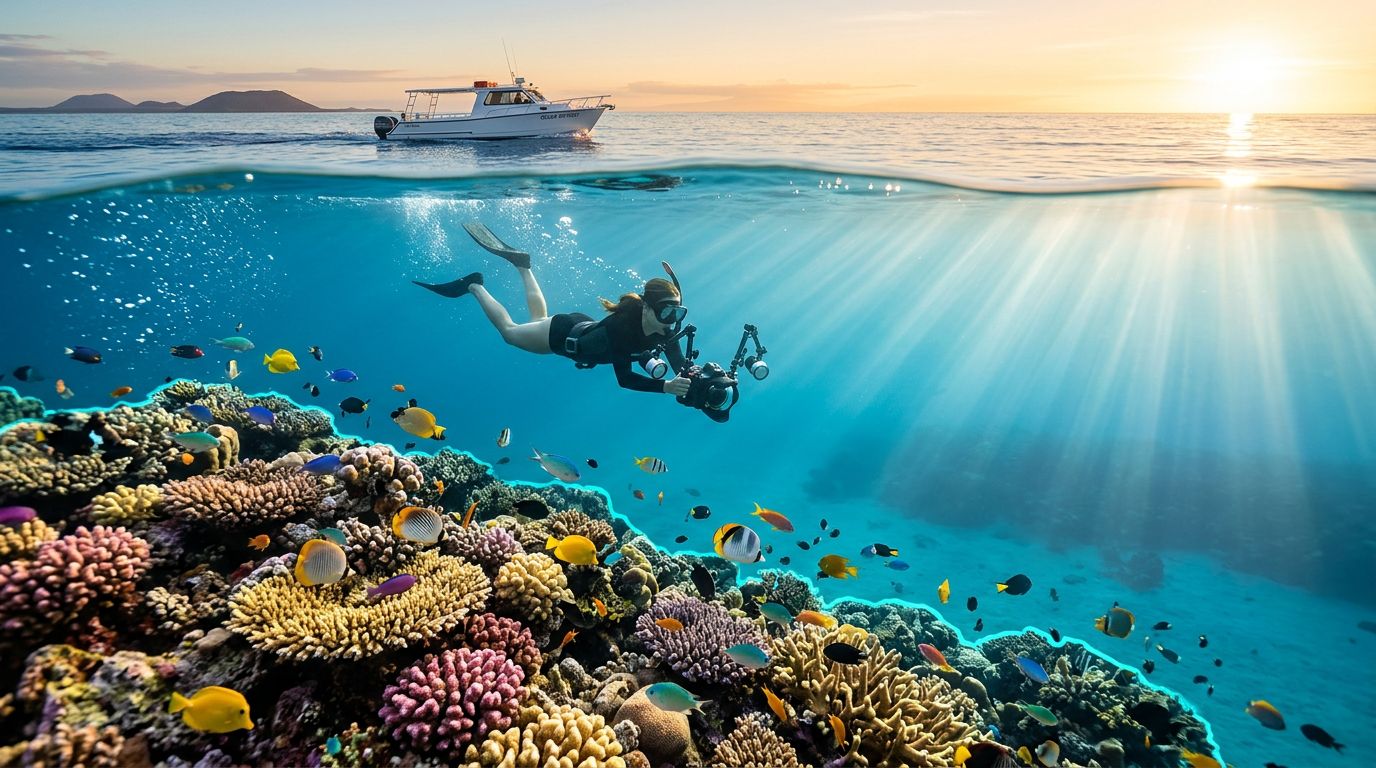
Clear water changes everything underwater. Colors look stronger, edges stay sharp, and your camera has a chance to catch more than blue haze.
When you book the right Kona boat tours, you give yourself a better shot at reef detail, fish movement, and clean backgrounds. That matters even more when you snorkel Big Island waters with a camera, because small changes in wind, swell, and light show up fast in the frame.
For snorkeling Big Island Hawaii, Kona usually gives you the best mix of calm mornings and easy access to reef sites. The trick is picking the right boat, then using simple photo habits that work with the water instead of against it.
The Kona boat tours that give your camera the best shot
Kona Snorkel Trips is a strong first stop because the trips stay small and the pace stays focused. That matters when you want to frame a fish instead of a crowd of fins. If you want a broader starting point, guided snorkeling excursions in Kona keep the choices focused on the water itself.
| Tour | Why it helps your photos | Best fit |
|---|---|---|
| Kona Snorkel Trips | Small groups, strong gear, and local guides help keep the water calm around you. | Best all-around daytime choice |
| Manta Ray Snorkel Kona | Lit boards and dark water create a strong subject-background split. | Dramatic night images |
| Captain Cook Snorkel Tour | Clear morning water and reef walls give you depth and color. | Bright reef and scenery shots |
| Kona Private Boat Charters | You control the pace, timing, and angle of the shots. | Flexible photo sessions |
People who want one operator to handle the details usually start with Kona Snorkel Trips. You get a steadier boat, more room to breathe, and a better chance of staying relaxed while you shoot.
You can check availability if you want a morning that matches the forecast.
Once you know your boat, the next step is picking the kind of water that suits your shot.
Why clear water changes the way your photos look
Clear water does more than make fish easier to see. It keeps reds, yellows, and soft reef textures from disappearing into a blue wash. That gives your camera a much better base to work with.
When you snorkel Big Island reefs, tiny shifts in current and light show up fast. A calm patch of water can make a turtle look crisp. A stirred-up sandy bottom can make the same turtle look flat.
For snorkeling Big Island, the Kona side often gives you the cleanest window because it usually sits in lighter wind than other parts of the island. That doesn’t mean every day is perfect. It does mean your odds improve when you pick the right time and stay away from runoff after rain.
For a local technical read, see underwater photography in Kona, Hawaii. It gives you a good sense of how much local water quality shapes a photo.
Clear water gives you a head start, but calm movement keeps the frame readable. Once sand lifts, contrast drops fast.
A good snorkel day is a lot like clean glass. If the surface is steady, everything below looks better. If the boat chops through the water or the group keeps kicking up sand, your image loses detail before you even press the shutter.
Kealakekua Bay gives you one of the clearest daytime classrooms
If you want a bright daytime reef scene, Captain Cook Snorkeling Tours belongs near the top of your list. The bay around the Captain Cook Monument often gives you that clear-water look photographers want, with reef structure, bold cliffs, and strong blue water behind the subject.
The Captain Cook Monument snorkel tour is a great fit when you want more than a fish portrait. You get a layered frame, with cliffs above the water and reef life below it. That makes composition easier because the scene already has shape.
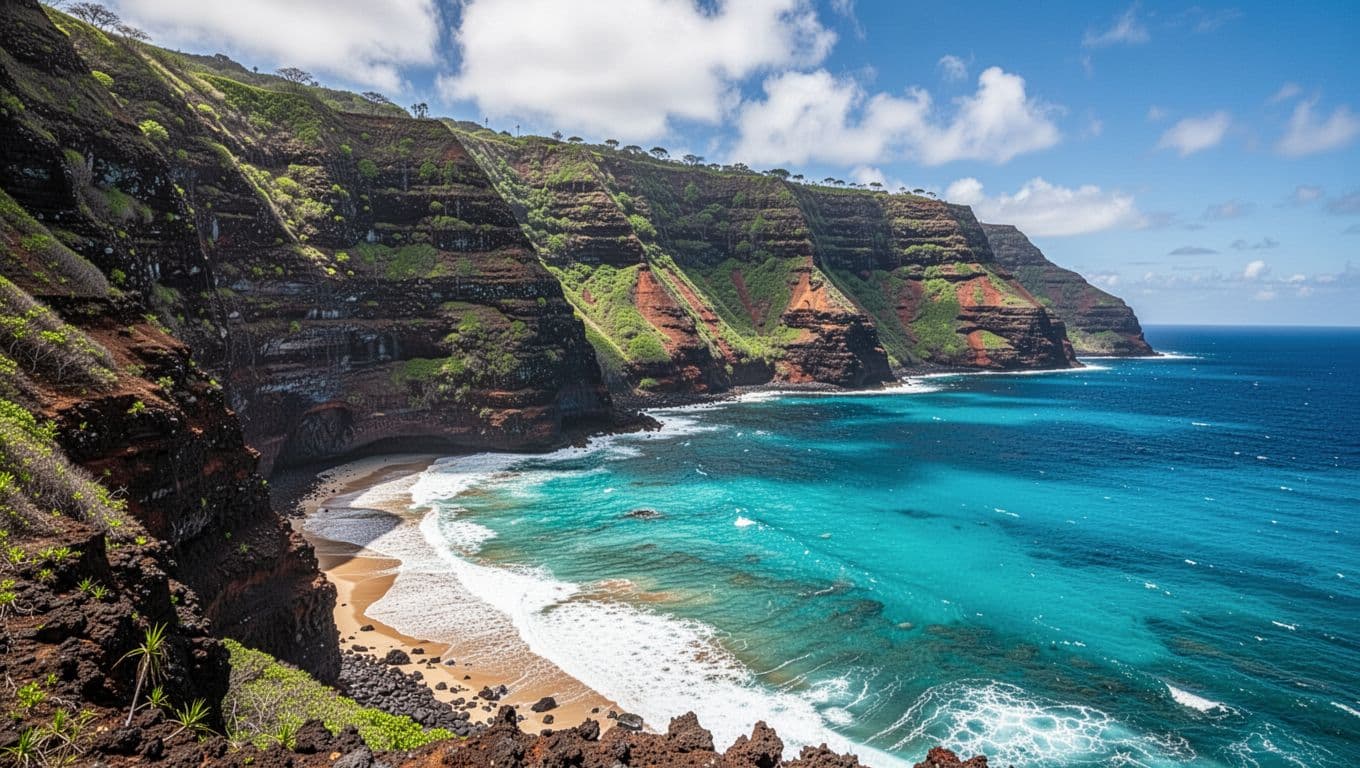
Morning usually gives you the best chance at calm water there. You get less glare, fewer bubbles, and more of that glassy blue backdrop that makes reef color pop. If you’ve been waiting for one spot that feels like a living postcard, this is often the one.
If Kealakekua Bay is on your list, check avaialbility before your dates fill up.
How to shoot better underwater without fancy gear
You do not need an expensive setup to get better underwater shots. You need better habits. The good news is that those habits are easy to learn and hard to beat.
Stay close and fill the frame
The biggest mistake is backing up. When you float too far away, the water adds haze and your subject gets smaller. Move in closer than feels natural, and let one fish, one turtle, or one coral head own the shot.
A simple frame usually works better than a busy one. When the subject fills the view, your eye knows where to land. That matters even more in clear water, because the background can still pull attention away if you let too much of it in.
Use light with care
Most cameras react badly to bright surface light. They overexpose the top of the frame, then leave the reef underdone. Aim your camera a little lower, then expose for the subject instead of the glare above it.
If you shoot raw, use it. Raw gives you more room to fix color after the swim. A small white-balance adjustment can rescue a frame that looks flat on the first pass. For extra help after the trip, snorkeling photography tips can help you work through contrast and crop choices in plain language.
Keep your fins out of the shot
Kicking hard ruins more photos than bad luck does. It stirs sand, blurs the scene, and sends bubbles into the frame. Slow kicks and short pauses give fish time to settle back into view.
When you snorkel Big Island reefs, patience matters as much as timing. You can drift, stop, watch, then shoot. That rhythm often gives you the cleanest shot in the water.
Match your subject with the simplest possible background
A turtle against blue water looks cleaner than a turtle against ten other swimmers. A bright fish above dark lava rock can look stronger than the same fish over a crowded reef. Keep an eye on what sits behind the subject, because your background shapes the mood of the image.
Private tours help here because you can wait for the cleaner angle without rushing. If you want more deck space for a housing, dry bag, or extra lens cloth, private Kona boat charters are the easiest fit.
Manta rays after dark create a different kind of photo story
If night photography is your thing, Manta Ray Night Snorkel gives you one of the most striking subjects on the Kona coast. The guided manta ray snorkeling adventure adds the kind of contrast that day trips can’t copy.
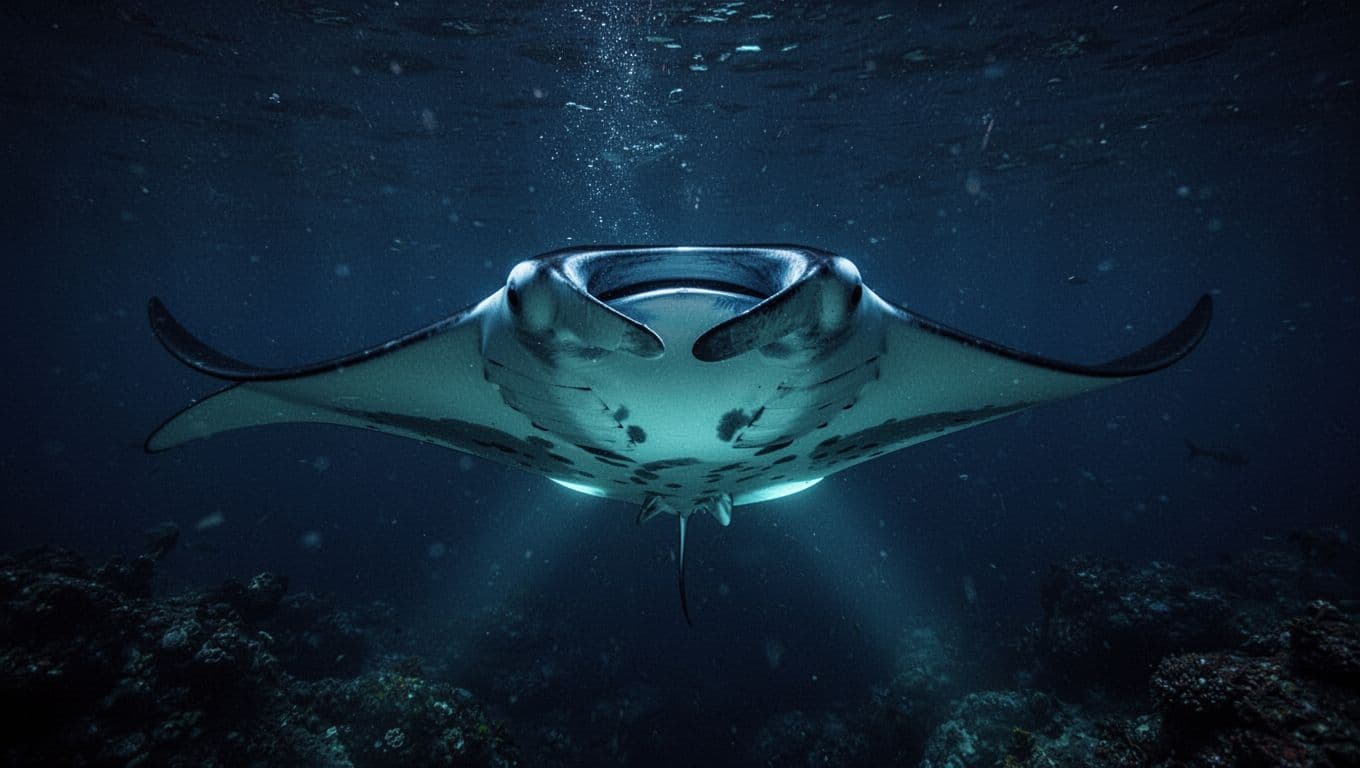
Night water changes the job. You aren’t chasing color in the same way. You’re chasing shape, motion, and light. The custom-lit boards make the manta wings stand out, and that gives you a strong frame even when the rest of the ocean fades to black.
A wide-angle lens usually works best. It lets you catch the full sweep of the manta without cutting off the wings. Stay low, keep your body steady, and wait for the animal to glide through the light instead of chasing it.
At night, the best shot often comes from stillness, not movement. You hold position and let the manta do the work.
If you want a night slot, check availability early, especially when the calendar starts to tighten.
What to pack for a camera-friendly boat day
Salt and spray are rough on gear, so pack light and protect the items that matter most. If you bring too much, you spend your time managing bags instead of making photos.
Start with the basics:
- A proper housing or waterproof camera case, because spray finds weak seams fast.
- A microfiber cloth, since salt film builds up quickly.
- Anti-fog inserts or a simple defog solution for the lens and housing.
- A spare battery and memory card, so you don’t stop when the light gets good.
- Reef-safe sunscreen and a small dry bag for anything you want to keep clean.
A lens cloth sounds boring until the fifth wipe saves your last clear frame of the day. The same goes for battery life. Cold starts, long review sessions, and repeated shots eat power faster than most people expect.
If you’re traveling with family or carrying more gear, a private setup can make the whole trip smoother. You get more room to sort things out, and you don’t have to rush each stop. That is one reason a private Kona boat charter works so well for photographers.
Conclusion
Clear water gives you the raw material, but the right boat gives you the chance to use it. Small-group trips, calm departures, and a site that matches the kind of shot you want will do more for your photos than a bigger camera bag ever will.
If you want clean reef color, Kealakekua Bay and the Captain Cook area are hard to beat. If you want drama, manta rays after dark give you a frame that stays with you long after the trip ends.
Choose the tour that fits your style, then let the water do the rest.