
7 Mistakes to Avoid on Your Kona Manta Ray Night Snorkel
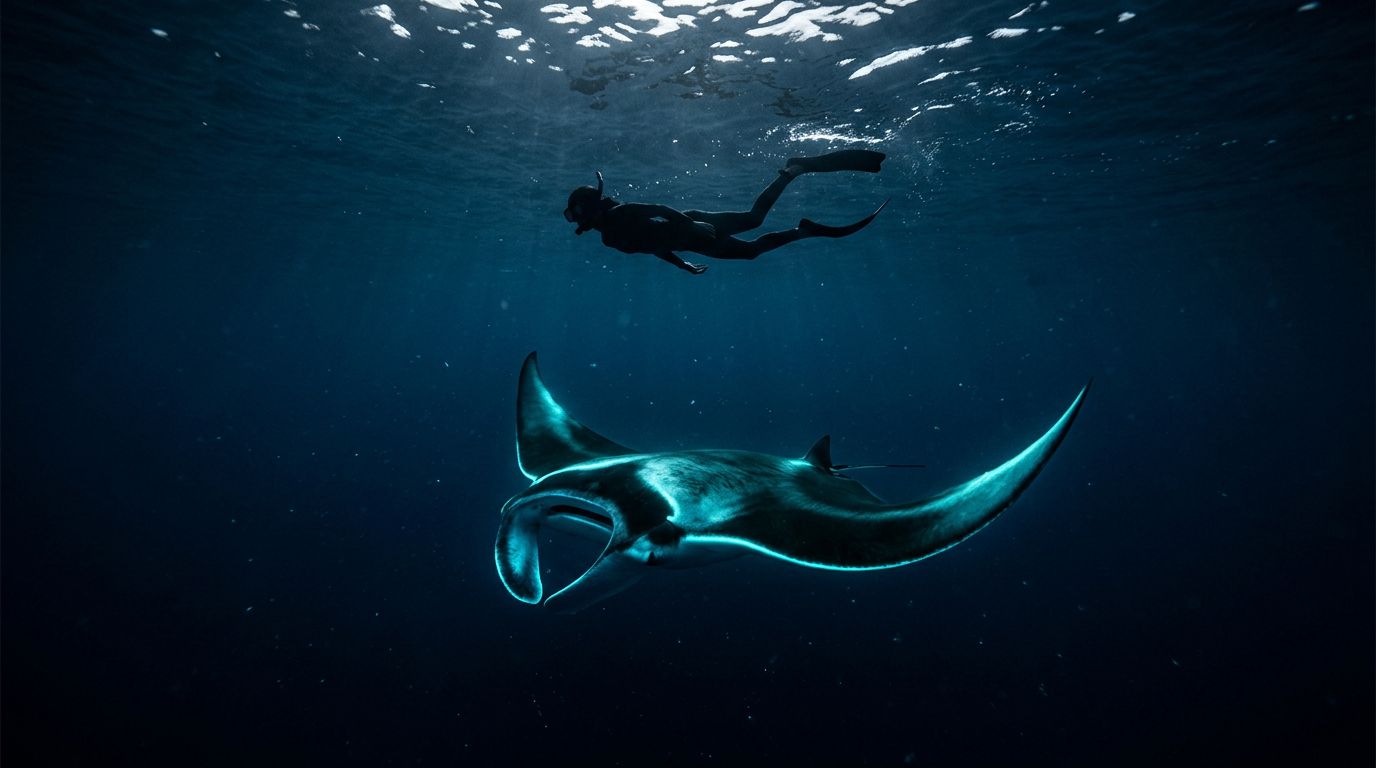
A kona manta ray snorkel can be the highlight of your trip, but small mistakes can make it feel harder than it should. If snorkeling Big Island Hawaii is already on your list, the night version deserves a little more prep than a casual daytime swim.
Kona Snorkel Trips keeps the experience small-group and guided, so you can spend more time watching the water than worrying about it. The biggest problems are easy to avoid once you know what to watch for.
Mistake 1: Treating the night like a daytime reef swim
The first surprise is how different the dark feels. When you snorkel Big Island waters after sunset, your eyes lose the comfort of bright reef color, and your body notices every small movement more.
That is why the best approach is slow and steady. Listen to the briefing, stay close to your float, and give yourself a minute to settle in before you expect the magic to start. You do not need to force anything. The mantas come to the light, not to your effort.
If you want a daytime confidence builder before a night trip, a Captain Cook Monument snorkeling tour is a smart way to practice in clearer daylight conditions. It helps you get used to breathing, floating, and moving with less pressure.
You can also compare other guided snorkeling excursions in Kona if you want to understand how a good tour is put together before you book the manta trip.
Mistake 2: Ignoring motion sickness, hunger, and hydration
Boat motion feels stronger to some people after dark. Add a full belly, dehydration, or too much alcohol, and the ride can get rough fast. That is a bad setup for a night you want to remember for the right reasons.
Eat lightly before you go. Drink water through the day. If you already know you get seasick, plan ahead and use a remedy you trust, following the label or your doctor’s advice. Ginger chews, crackers, and a calm seat on the boat can also help.
For a solid overview of seasickness and what helps on the water, see manta ray snorkeling tips from Hawaii Guide. The advice is simple, but it matters when the boat is rocking and you are floating in the dark.
Most people do better when they treat the ride as part of the experience, not something to power through. A relaxed stomach gives you a relaxed mind.
Mistake 3: Wearing the wrong layers for a night on the water
Even warm Kona evenings can feel cool once you are wet and waiting between swims. Cotton holds water, chills fast, and makes the boat ride home less pleasant. That is why you want quick-dry clothing, a towel, and dry clothes waiting for you after the snorkel.
A light jacket or hoodie helps after the swim too. If your crew provides a wetsuit, use it. If you wear a rash guard under it, you may feel more comfortable, especially if you are sensitive to rubbing.
The mistake here is simple. You think only about the water and forget the time before and after it. Your comfort is a big part of the night. When you are warm, you stay calmer. When you are calm, you notice more.
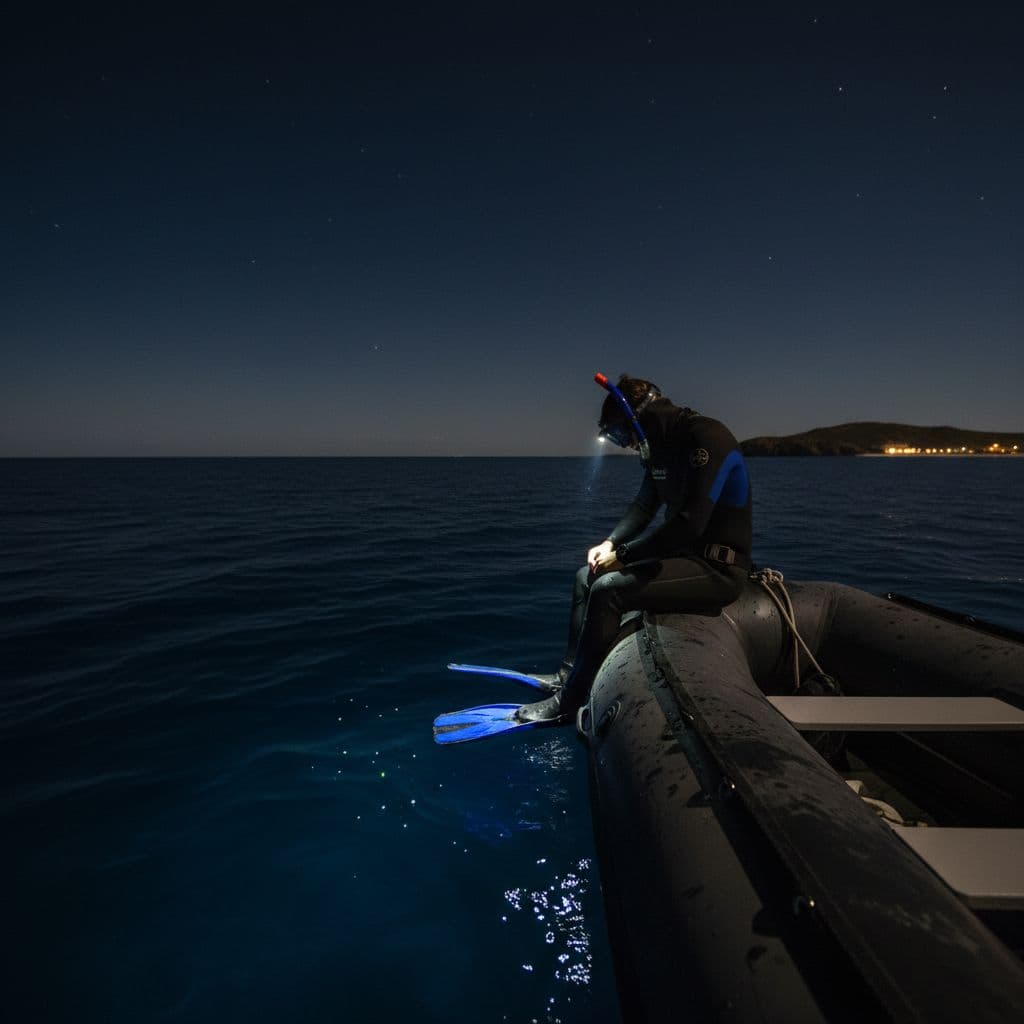
A dry towel, warm layer, and a little forethought can make the whole trip feel smoother.
Mistake 4: Skipping the briefing or crowding the light boards
The crew’s briefing is not filler. It tells you where to float, how to move, how to use the board, and how to keep space for everyone else. If you ignore that part, you make the night harder for yourself and the people around you.
If the dark makes you nervous, say so early. A good guide wants to know. You may need a few extra seconds to get settled, or a quick reminder about where to keep your fins. That is normal. The more honest you are at the start, the easier the water feels later.
This is also where a good crew earns your trust. For a helpful perspective on staying calm during a night snorkel, see night snorkeling advice from Catherine’s Joy. Calm breathing and a steady pace go a long way.
The light board is there to create the viewing zone. Your job is to stay near it, keep your body quiet, and let the setup work.
Mistake 5: Kicking, splashing, or chasing the mantas
This is the mistake that ruins the view for everyone. Mantas are graceful, but they are not there to be followed around the water. They come to feed where the light brings plankton together, so the best thing you can do is stay still and give them space.
Keep your fins quiet. Avoid sudden splashes. Do not reach out. Do not try to line up a better shot by drifting into someone else’s space. The more you chase the scene, the more it slips away.
The best manta encounter usually comes when you stop trying to control it.
That may sound simple, but it changes everything. A calm float lets you see the mantas pass close without feeling crowded or rushed. Your role is more like a spectator than a swimmer in motion.
When you respect the animals and the setup, the whole group gets a better night. That is the difference between a busy swim and a real wildlife encounter.
Mistake 6: Bringing a camera setup that gets in the way
A night snorkel is not the best time to figure out your camera settings. Flash can wash out the view, distract other snorkelers, and pull you out of the moment. A shaky grip does the same thing. You end up focused on the device instead of the animals.
If you bring a GoPro or phone case, keep it simple. Use a stable setting, ask the crew about the right way to film, and do not hold the camera in everyone’s face. The best shots often come after you stop trying so hard to get them.
You also do not need to record every second. A few clear clips are enough. After that, put the camera away and watch the mantas move. Night snorkeling is one of those rare times when your memory often beats your footage.
Let the board lights do their job, and keep your own light use low. That helps protect everyone’s night vision and keeps the water calmer.
Mistake 7: Booking late or picking the wrong trip
Popular nights can fill fast, especially during holidays and busy travel weeks. If you wait too long, you may end up choosing whatever is left instead of the trip that fits you best. That is a bad trade when you only have a few nights on the island.
Start by looking at guided snorkeling excursions in Kona so you can compare what different trips offer. Then narrow it down to the trip that feels right for your comfort level, your schedule, and the kind of night you want.
Kona Snorkel Trips keeps things personal with small groups, lifeguard-certified guides, state-of-the-art snorkeling gear, custom-built lighted boards, and reef-safe practices. That kind of setup matters when you are out after dark. It gives you structure, clear direction, and less guesswork. If you want to check availability before you lock in your plans, that is a smart first step.
That kind of social proof helps when you want to know how a crew handles the small details. For a manta-focused option, you can also look at book a manta ray night snorkel in Kona and compare it with Manta Ray Night Snorkel if you want another dedicated manta trip to review.
If you are visiting in the cooler months, you can also pair your night outing with seasonal whale watching tours in Kona. That gives your Big Island water time a different feel, with daylight on one day and a manta night on another.
Conclusion
Most of the trouble on a kona manta ray snorkel comes from rushing, fighting the setup, or treating it like a normal swim. Once you slow down, stay warm, and follow the briefing, the night gets easier fast.
For snorkeling Big Island, the best results usually come from simple habits, not fancy gear. Calm movement, good timing, and the right crew give you the best chance to enjoy the mantas without stress.
Handle the small details well, and the ocean can handle the rest.