
Why Manta Ray Belly Spot Patterns Are Unique in Hawaii
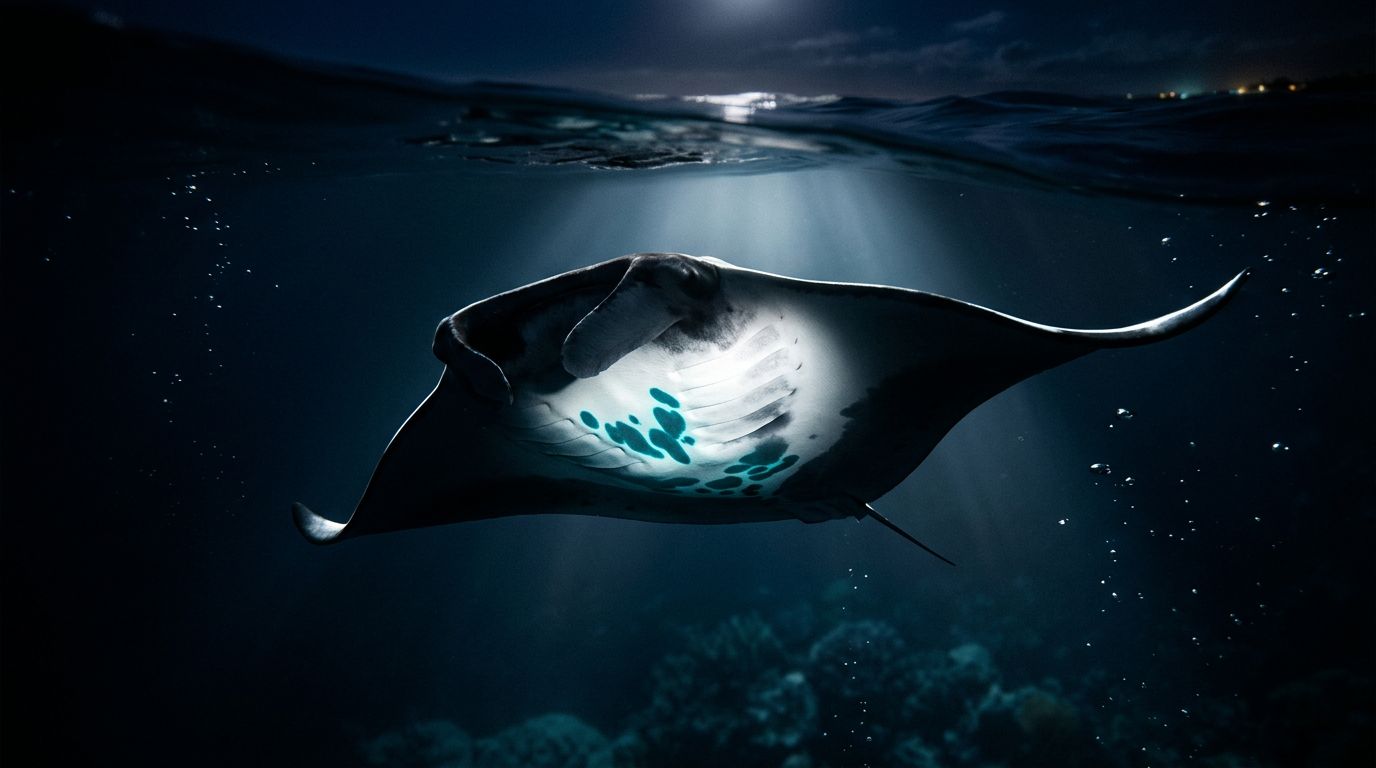
If you go snorkeling Big Island Hawaii and catch a manta ray gliding below you, the first thing you’ll notice is size. The second is the underside. Those belly spots are not decoration. They are one of the clearest ways scientists tell each manta apart.
Kona Snorkel Trips gives you a close look at that pattern on guided night trips, and if you’re comparing options, Manta Ray Night Snorkel Hawaii also focuses on manta encounters after dark. Once you know what to look for, the underside starts to feel like a name tag written by nature.
The underside is a natural ID card
Manta rays carry unique marks on their belly, the ventral side that faces the water below them. Those spots, blotches, and pale patches vary from animal to animal, so a clear photo can point to one individual instead of another.
That is why researchers in Kona have built photo-ID records around these marks. Manta Pacific’s Kona ID catalog shows how a belly pattern can be matched again months or years later. The catalog works because the spots stay consistent enough to compare across sightings.
A manta’s belly pattern is its most useful field mark.
One famous Kona manta, Lefty, became well known because people could recognize her again and again. The name matters less than the idea behind it. When you can identify a manta the same way every time, you stop seeing a blur and start seeing an individual.
Why no two manta bellies match
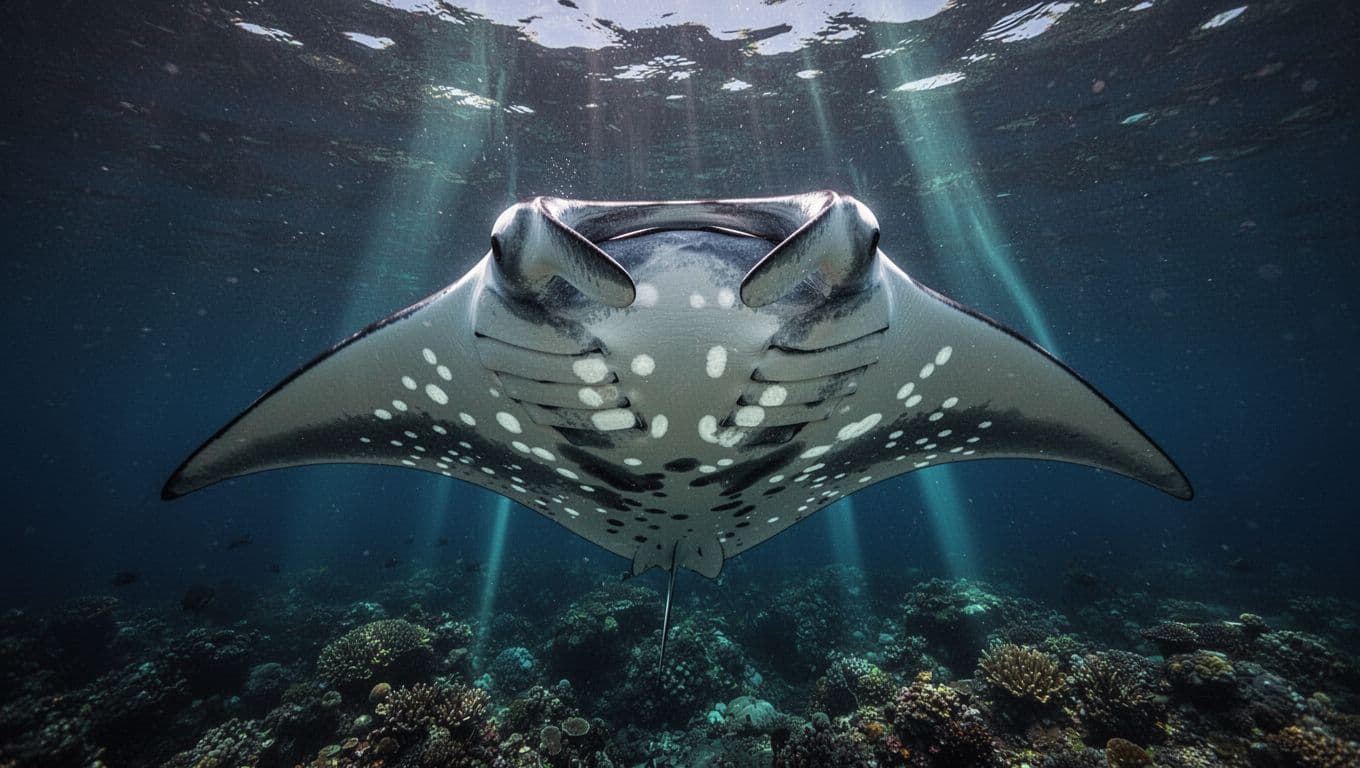
The pattern isn’t random noise. It forms as the animal develops, when pigment cells settle into distinct places on the skin. The result is a map that belongs to one ray, and usually to no other.
Hawaii Magazine’s manta facts notes that manta rays in Hawaii come in two main color types, chevron and black, and both types still carry unique belly markings. Even a dark manta can have a pattern that looks like scattered stars on a night sky. The contrast changes, but the identity does not.
That mix of shape, shade, and spot placement is what makes the animals so easy to tell apart once you know what to look for. One ray may have a small cluster near the chest. Another may carry a wider scatter across the middle. You don’t need a lab to see the difference. You just need a clear view and a little patience.
What you notice when you snorkel at night in Kona
When you snorkel Big Island waters after dark, the belly pattern often becomes easier to see than it is in daylight. Lighted boards and boat lights brighten the water from below, so the manta’s white underside flashes against the dark sea.
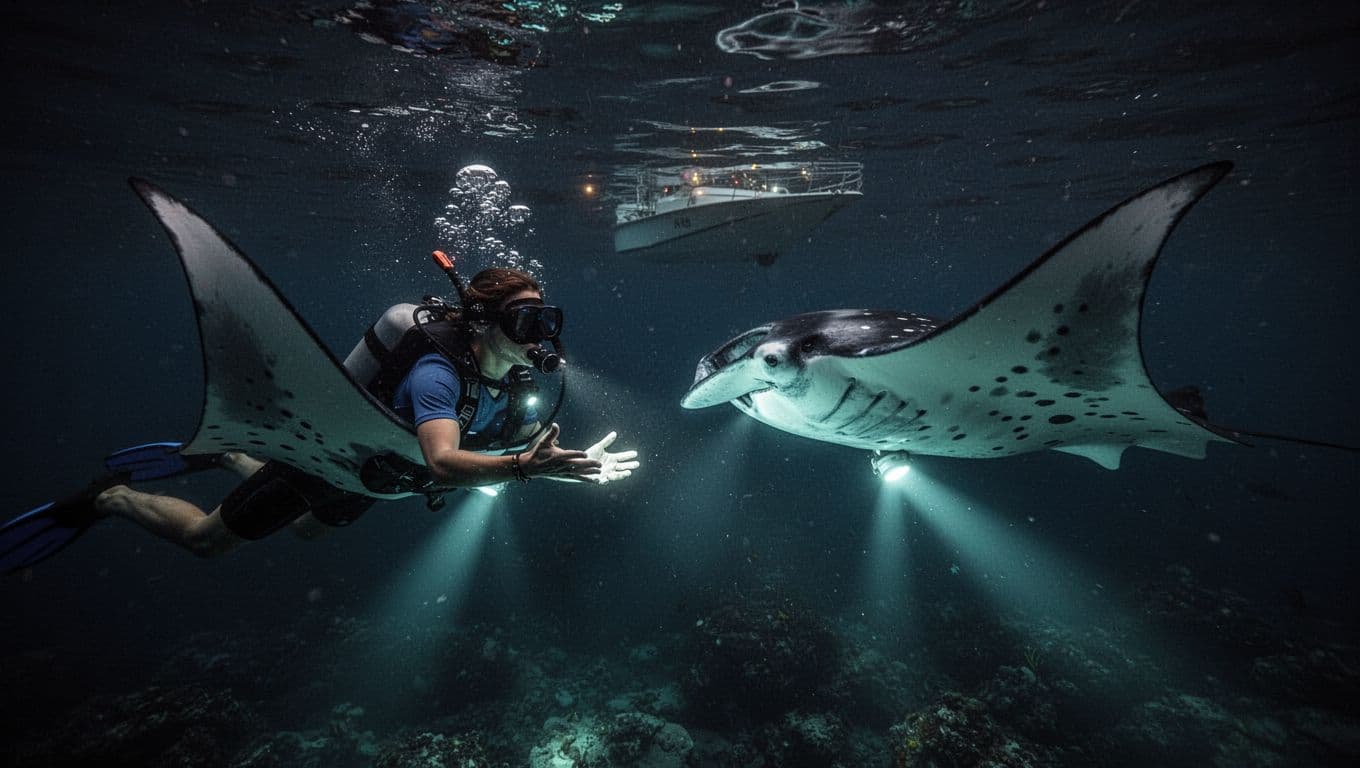
That is one reason night snorkeling is such a strong way to see these markings. A guided setup keeps you calm, gives the ray room, and lets you watch the whole body roll through the glow. If you want that view, Kona Snorkel Trips runs a Big Island manta ray night snorkel that is built around close, respectful sightings. The same experience also fits travelers searching for snorkeling Big Island because it gives you something memorable beyond the reef.
If you’re ready to plan a trip, you can check availability for a manta tour.
Kona Snorkel Trips keeps the setup simple with small groups, custom-lit boards, and lifeguard-certified guides, so you can focus on the ray instead of the crowd.
That setup matters when you want a steady view of the belly pattern instead of a crowded scramble. If you’re comparing manta-focused trips, look for calm water, clear lighting, and guides who let the animal move naturally.
Why the patterns matter for science and conservation
The belly spots do more than help you tell one manta from another. They help scientists track movement, site fidelity, and repeat visits without tagging every animal. A clean photo can do work that used to take far more time.
That matters in Hawaii because the same reefs can attract the same mantas again and again. Over time, photo-ID gives researchers a clearer picture of how the animals use Kona waters, when they return, and how often certain individuals show up. It also helps them spot injuries, healing scars, and changes in body condition.
A simple list shows how useful the markings are:
- You can help estimate how many mantas use a site.
- You can see when the same ray returns across seasons.
- You can notice scars or changes on the body.
- You can match sightings across years and locations.
Many people search for snorkeling Big Island because the reefs get all the attention, but manta nights are where the ID story becomes real. If your photo shows the full underside and keeps the ray at a respectful distance, it can help more than you think.
That is why reef-safe habits matter. Keep your hands to yourself. Follow the guide. Give the manta space to glide, turn, and feed. The best photos come from calm water and patient watching, not from chasing the animal.
The spots are the story
A manta ray’s belly pattern is more than a pretty design. It is a stable, readable mark that helps scientists and snorkelers recognize one animal from the next. In Hawaii, that makes every sighting feel a little more personal.
The next time you snorkel Big Island after dark, look below the wing edges first. The spots are the reason these animals feel so memorable, even in open water.