
What Time a Kona Manta Ray Night Snorkel Usually Starts
A Kona manta ray night snorkel usually starts at sunset, not at a fixed clock time. That matters because the sky on the Big Island changes fast, and the boat schedule changes with it.
If you are comparing options, Kona Snorkel Trips is a strong place to start, and Manta Ray Night Snorkel is another manta-focused option. Either way, you want the same basic answer before you book, when should you show up, and how much of your evening will the trip take?
The short version is simple. Check-in usually happens 15 to 30 minutes before departure, and the boat often leaves around sunset. The rest comes down to season, light, and ocean conditions.
The usual start time, and why it shifts
Your kona manta ray snorkel time usually sits right on the edge of daylight and dark. In April, that often means an early evening check-in and a departure around 6:45 to 7:15 PM HST. On other dates, the clock moves with the sunset.
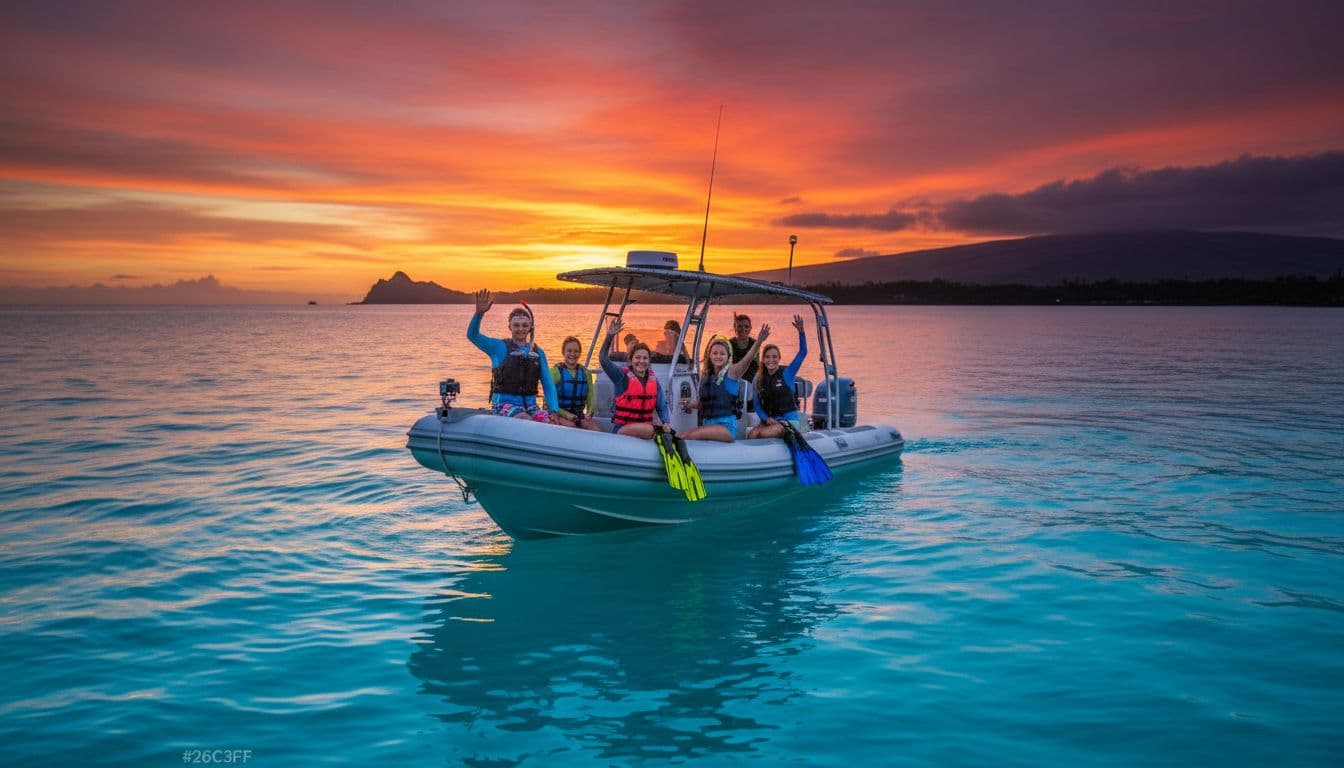
Here is the easiest way to picture the timing.
| Trip part | Usual timing | What it means |
|---|---|---|
| Check-in | 15 to 30 minutes before departure | You get settled, fitted for gear, and briefed |
| Boat departure | Around sunset | The exact time shifts with the season |
| In-water time | 30 to 60 minutes | You float at the light board and watch the mantas |
| Total trip | 2 to 3 hours | Easy to plan around dinner |
Plan for sunset, then let the season move the clock.
Kona Snorkel Trips’ manta timing guide explains the same pattern in plain language. The key point is that the boat is timed to match the light, not a fixed hour on a calendar.
What changes the departure time
Sunset is the biggest factor, but it is not the only one. The captain also needs enough light for boarding, a safe run to the site, and a calm start in the water. That is why two trips on the same week can leave at different times.
The site itself matters too. Some nights the crew heads out a little earlier for a sunset ride. Other nights, a later start feels better because the water is quieter and the boats thin out. If you want to see how that choice plays out, Kona Snorkel Trips’ timing and tour options guide breaks down the sunset-versus-later decision.
You may also see combo trips in the winter season. If you want a daylight add-on before the manta swim, the whale watching and manta snorkel combo times can shift the evening earlier. That works well when you want one long ocean day instead of two separate bookings.
What to expect before you snorkel
The start time feels smoother when the pre-trip routine is organized. You check in, get your mask, fins, and wetsuit, then listen to a short safety talk. After that, the crew gets everyone ready near the boat’s lighted board.
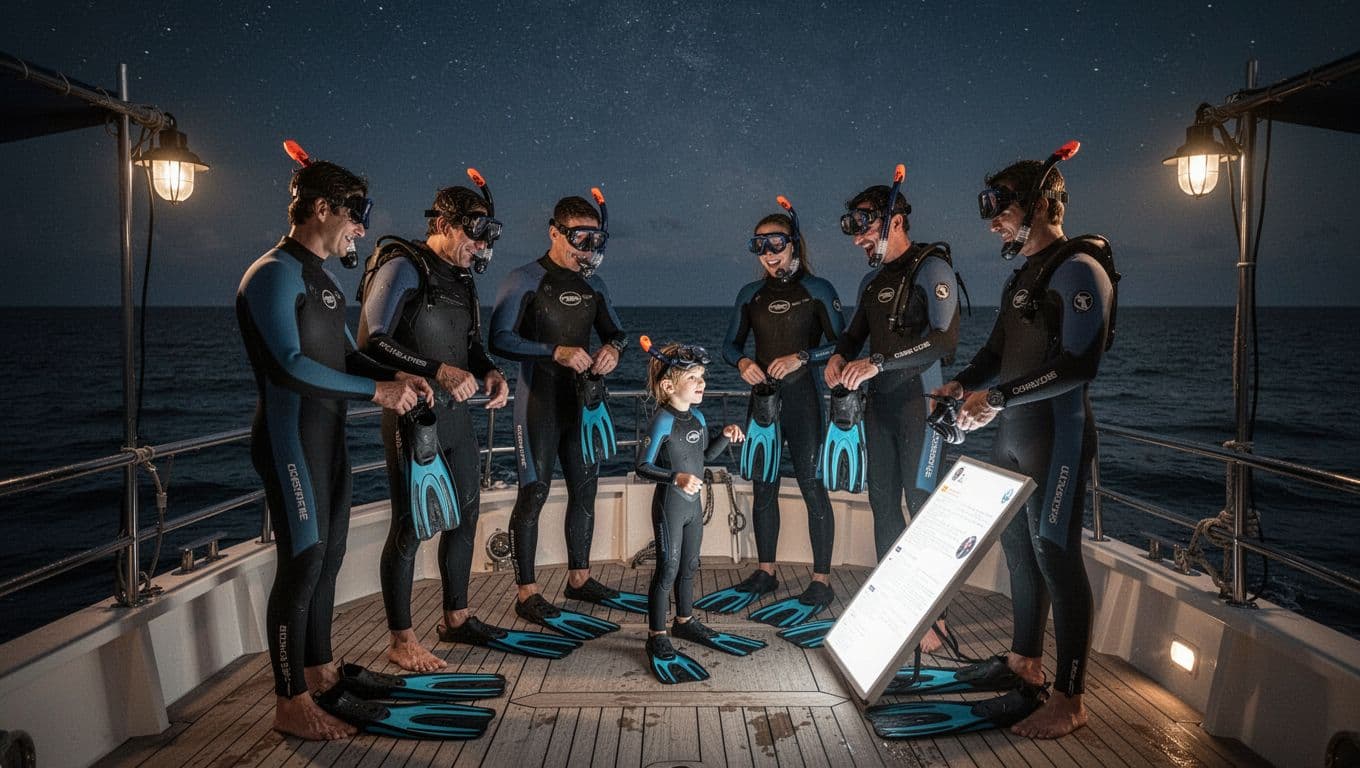
That is where Kona Snorkel Trips stands out. The company keeps the group small, uses lifeguard-certified guides, and focuses on reef-safe habits from the start. Those details matter when you are tired, excited, and trying to remember where you put your fins.
Kona Snorkel Trips also shares a clear night snorkel guide that walks through the full flow of the trip. If you like to know what happens before you step off the boat, it is a helpful read.
If you want to compare another manta-centered experience, Manta Ray Night Snorkel keeps its focus on the same nighttime encounter, which can help you judge style and pacing.
How to fit the trip into your evening
If you are planning snorkeling Big Island Hawaii as part of a full vacation day, the manta trip works best after a lighter afternoon. You can snorkel Big Island in the morning, rest for a few hours, then head out again at sunset. That keeps the evening relaxed instead of rushed.
Families often like that rhythm. So do couples who want a sunset boat ride before the night swim. It feels more like a clean finish to the day than a late scramble to fit one more activity in.
If you want more control over the clock, a private Kona boat charter gives you more flexibility on timing. That can help if you are traveling with kids, if dinner matters, or if you want a quieter night on the water.
Bring reef-safe sunscreen for daytime plans, a towel, and a dry layer for after the snorkel. If you get seasick, take care of that before you board. A smooth evening starts long before the boat leaves Honokohau Harbor.
Conclusion
The main thing to remember is that a Kona manta ray night snorkel usually starts around sunset, with check-in a little earlier. The exact time changes with the season, but the pattern stays the same.
If you plan your day around that window, the trip feels easy. You get daylight for the rest of the island, then a clear evening slot for one of Kona’s best ocean experiences.
For most travelers, that sunset timing is the sweet spot. It gives you enough light to board calmly, enough dark for the mantas, and enough structure to make the whole night feel effortless.