
What Manta Rays in Hawaii Eat During Night Snorkels
You can float inches above a manta ray and still miss the main story. The show is not about fish chasing or flashy hunting. It is about a slow feeding pattern built around plankton, and Kona Snorkel Trips makes that easy to see on a guided night outing.
If you are planning snorkeling Big Island Hawaii, this matters. When the lights come on, the rays are not looking for a big meal. They are following a food cloud that is tiny, drifting, and almost invisible until the water glows.
The real food is tiny
The manta ray diet in Hawaii is mostly zooplankton, which are small drifting animals and larval sea life. You do not see them the way you see fish. They ride the current like dust in a beam of sunlight, except this time the light comes from a snorkel board at night.
Manta rays are filter feeders. They swim with open mouths and guide water toward them with the fins on their heads. Then they strain out the tiny food bits and let the rest pass through. That means the dinner table is not a reef ledge or a school of fish. It is a cloud of microscopic snacks.
The lights do not feed the mantas. They gather the plankton.
If you want a quick look at how that setup works, Manta Ray Night Snorkel Hawaii explains it well in its Kona Manta Ray Night Snorkel guide.
Why the lights change the menu
At night, bright water lights pull plankton into one spot. That creates a dense patch of food, and manta rays follow it fast. The water may look calm at first, then turn busy in minutes. It feels a little like setting a porch light on a summer night and watching moths gather, only the guests here are giant ocean gliders.
When the food thickens, manta rays start making repeated passes through the light column. They bank, roll, and sweep in wide loops. From the surface, it looks graceful. From the manta’s side, it is simple. The ray is staying where the food is thickest.
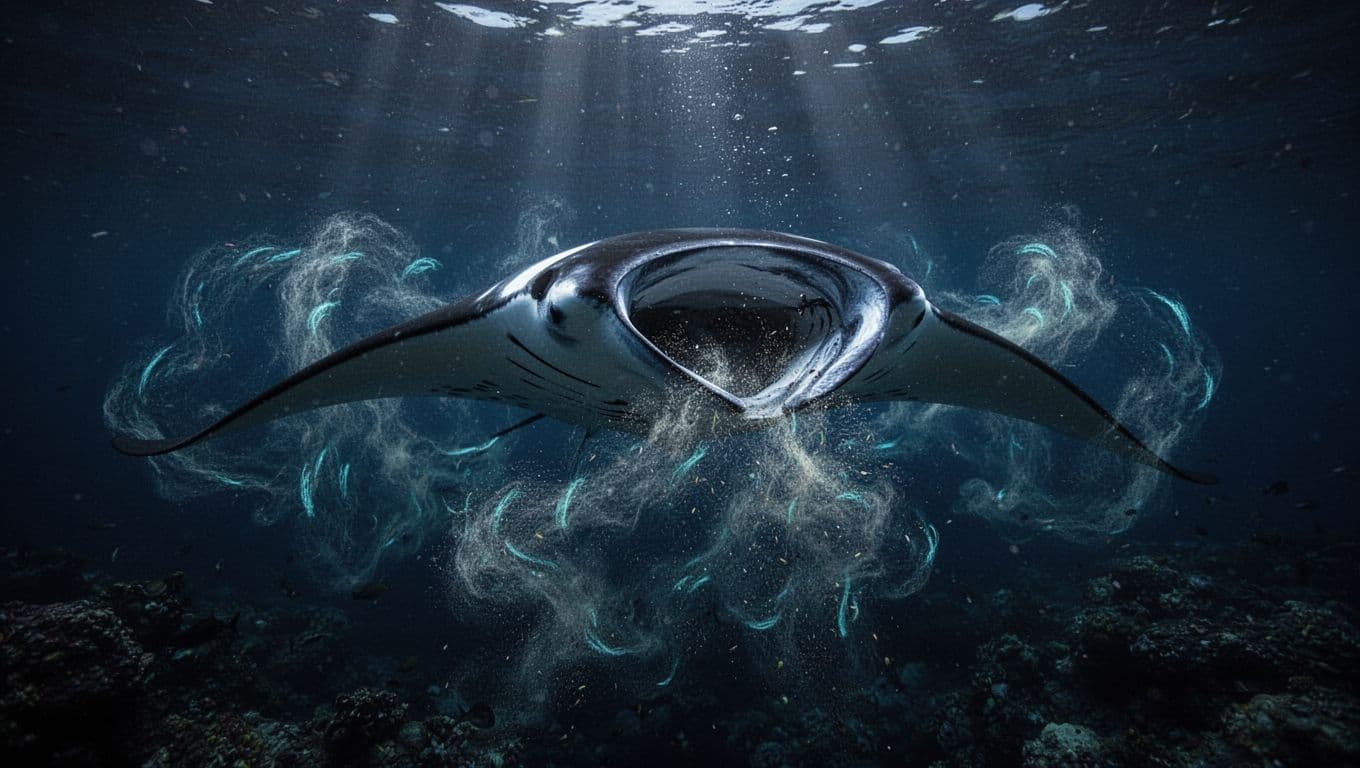
The best part is that you do not need to chase the action. The light does the work for you. That is why a good night snorkel can feel calm even while the feeding is active.
What you see while you float
Once you are in the water, the scene feels close and slow. If you snorkel Big Island after dark, the mantas often pass under you like shadows with wings. For people who love snorkeling Big Island, that is the surprise. The ocean does not feel noisy. It feels focused.
You will usually notice a few simple signs:
- A bright patch of water packed with tiny specks
- A manta gliding in from the dark edge of the light
- Big, smooth turns as it circles back for another pass
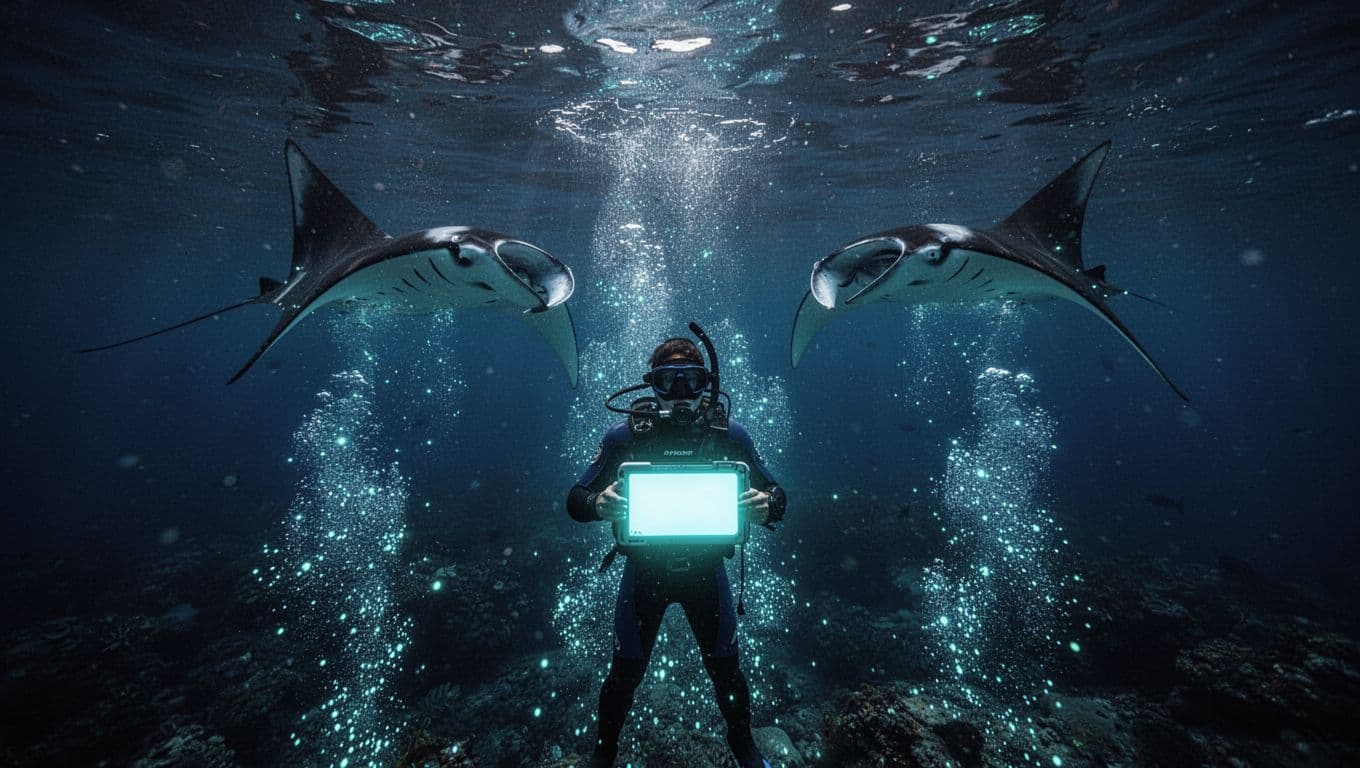
Families often like this part most. You are not rushing around to keep up. Couples like it too, because the pace gives you time to watch the same manta come back again and again. The pattern is easy to follow, even if it is your first ocean night outing.
Choosing a guided trip that keeps the view clear
If you want a guided option, Kona Snorkel Trips keeps the setup simple. The company uses small groups, lifeguard-certified guides, and custom lighted boards that help the plankton gather in one place. That matters because a calm board usually means a calmer view.
For a focused manta outing, the Kona manta ray snorkel tour is built around that feeding pattern. If you want another perspective before you book, Manta Ray Night Snorkel Hawaii has a helpful night snorkel guide that explains how the plankton draw works.
Conclusion
The answer to what manta rays in Hawaii eat during night snorkels is simple. They eat plankton, mostly tiny zooplankton drifting in the light. That is the whole reason the show works.
Once you understand that, the rest of the experience makes more sense. You are not watching a hunt for big prey. You are watching a filter feeder follow a glowing meal that the ocean drifts into place for you.