
Snorkeling Big Island Hawaii on a Budget Without Skipping Safety
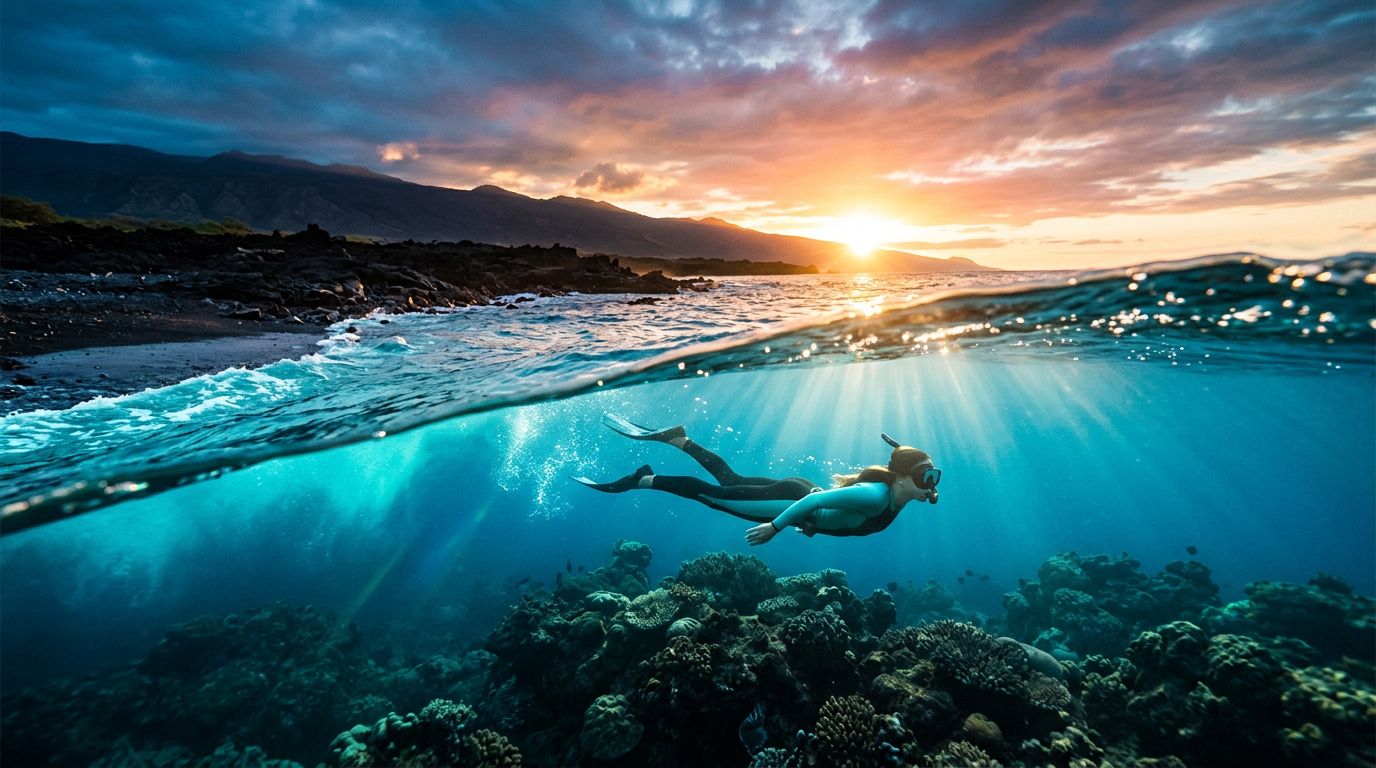
Kona Snorkel Trips is a smart place to start if you want help matching a snorkel day to the ocean in front of you. You can snorkel Big Island without spending like you booked a private yacht, but the cheapest plan is not always the safest one.
If you want snorkeling Big Island Hawaii to stay affordable, you need to treat surf, entry points, and gear as part of the cost. Start with the water, not the receipt, and the rest gets easier.
Start with the ocean conditions, not the price tag
The simplest Big Island snorkeling rule is this, calm-looking water can still be rough at the edge. Morning often gives you the best chance of a smoother entry, lighter wind, and better visibility. That matters because a beach that looks free can turn expensive if you get scraped, spooked, or forced to leave early.
A helpful local overview is the Big Island snorkeling guide, which gives you a clear read on common shore conditions and beginner-friendly spots.
Before you leave your room, check four things:
- Surf forecast, because bigger shore break changes the whole day.
- Wind direction, since even a mild breeze can chop up the surface.
- Entry and exit points, so you know where the rocks and surge are.
- Lifeguards, because they see trouble patterns before you do.
If the shoreline looks messy, the budget move is to wait or switch beaches.
That one choice keeps you safer and usually saves more money than any coupon ever could. The ocean is not trying to match your schedule, so let the schedule bend a little.
Choose low-cost beaches that match your swim level
The cheapest beach is the one you can use without stress. For snorkeling Big Island style, that means matching the spot to your comfort level, not just the map pin.
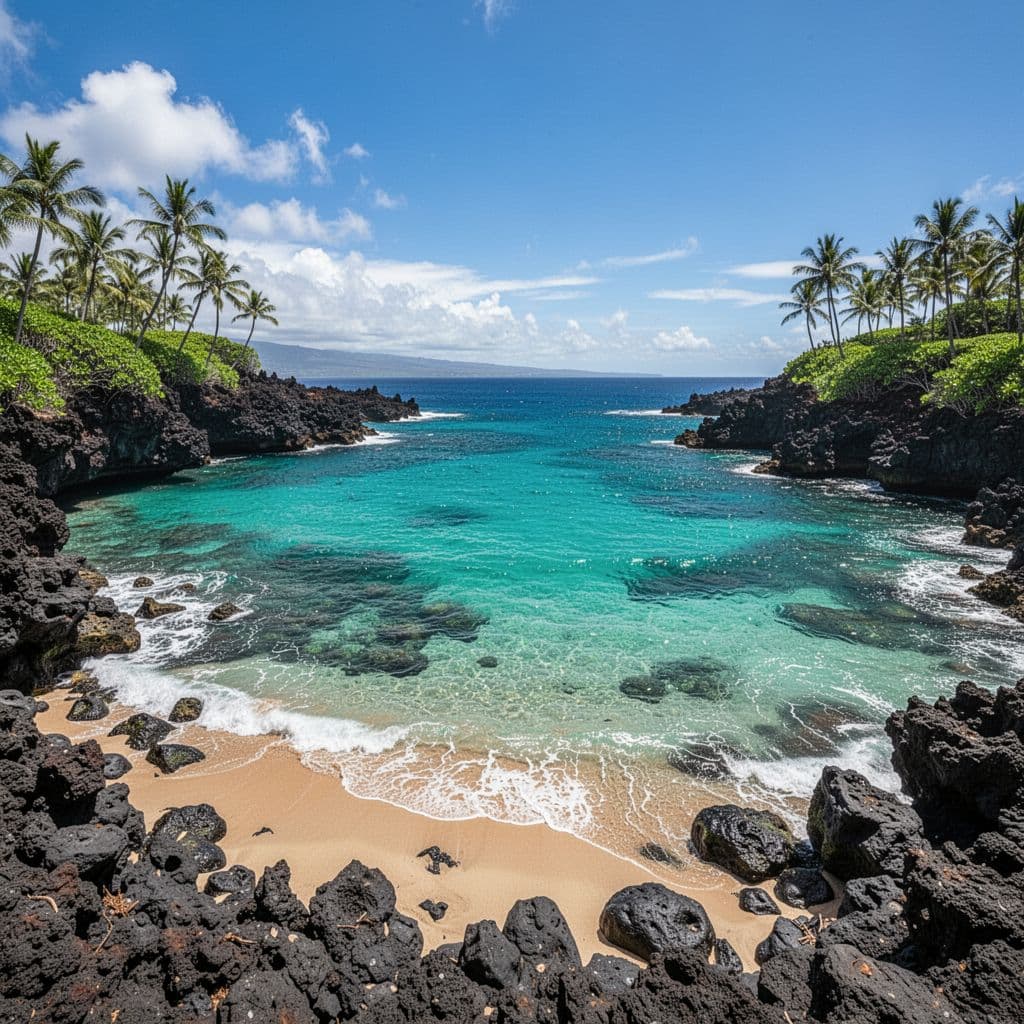
Here’s a quick way to compare the better budget options on the Kona side.
| Spot | Best for | Watch out for | Budget angle |
|---|---|---|---|
| Kahalu’u Beach Park | Beginners and families | Crowds build fast, so go early | Free or low-cost beach day |
| Honaunau Bay / Two Step | Confident swimmers | Rocky entry and sudden surge | No boat required |
| Kua Bay / Manini’owali Beach | Calm-day swims | Shore break can rise quickly | Beautiful if the ocean cooperates |
| Magic Sands Beach | Short visits and easy access | Only snorkel when it is truly calm | Good backup, not an everyday choice |
Kahalu’u is often the easiest place to start if you want a low-stress first swim. Honaunau, also known as Two Step, gives you great water on the right day, but you need to respect the entry. Kua Bay looks inviting, yet it can change fast. Magic Sands can work, but only when the ocean is behaving.
If you stay on the Hilo side, Richardson Ocean Park can be a useful backup when the surf is gentle. Still, don’t force a bad forecast just because it’s close.
The point is simple. You want the beach that fits your body, your timing, and your patience. That is how you snorkel Big Island for less without turning the day into a rescue mission.
Pack gear that protects you and saves money
A budget snorkel day gets expensive when you keep replacing cheap gear or cutting trips short. A mask that seals, a snorkel that fits, and water shoes can save you more than a flashy rental package.
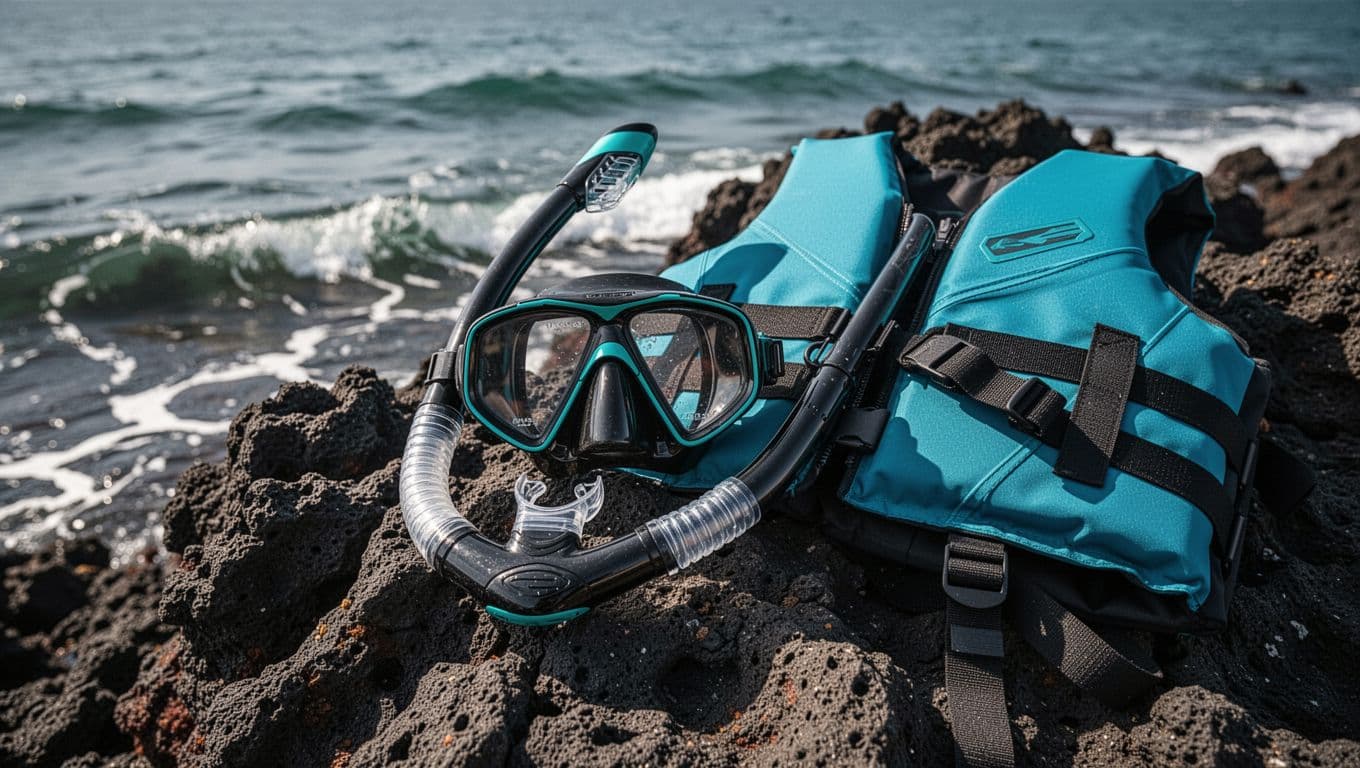
If you’re bringing your own basics, focus on the pieces that touch your face and feet first.
- A mask that seals well, because leaks drain confidence fast.
- A snorkel you trust, because a bad mouthpiece makes every swim annoying.
- Water shoes, because lava rock and sharp shell bits are common.
- A rash guard or swim shirt, because sunburn can end your day early.
- A snorkel vest or flotation aid, because staying relaxed helps you breathe easier.
- Reef-safe sunscreen, because your skin and the reef both matter.
You don’t need the fanciest setup. You need gear that disappears while you swim. If your mask fogs up or leaks every ten minutes, you’ll spend more time fighting it than looking at fish.
That’s why it can make sense to buy one good mask and keep using it. The same idea works for a vest or a rash guard. Spend once, then use it again on the next trip.
Make the plan fit kids and mixed-skill groups
Families often spend too much because they try to make one beach work for everyone. A smarter move is to choose a place with easy access, shallow water, and room for a short swim. That way the new snorkeler, the confident swimmer, and the kid who wants to chase sand crabs all have a good day.
A simple family plan usually works better than a packed one:
- Start early, before heat and crowds build.
- Keep the first swim short.
- Bring shade, snacks, and water.
- Use flotation vests for weaker swimmers.
- Leave a backup land plan in case the ocean feels off.
Couples and friend groups can do this too. One person can stay near shore with towels and dry gear while another takes a longer swim, then you switch. That keeps the day calm and can save you from paying for a second outing later because the first one felt rushed.
If you have mixed skill levels, don’t make the strongest swimmer carry the whole plan. Pick a beach that gives everyone something to enjoy. Calm water, easy rest spots, and a close parking area matter more than a fancy name.
The goal is not to “do it all.” The goal is to leave with everyone smiling.
When a guided tour beats a do-it-yourself day
Sometimes the best budget decision is not the cheapest line item. If you add rental gear, parking, fuel, and the cost of a bad guess, a small-group tour can come out ahead. It also takes the stress out of finding the right entry when the ocean changes by the hour.
If you want to compare options, start with guided snorkeling trips in Kona. For a wider look at what different trips include, the 2025 Big Island snorkeling tour guide is useful before you book.
Kona Snorkel Trips keeps the focus on small groups, lifeguard-certified guides, quality gear, and reef-safe habits. That matters when you want a low-stress day instead of a crowded cattle call. Their Reef to Rays mindset keeps the day centered on the reef, your group, and respect for the water.
You also avoid a few hidden costs. You don’t waste fuel driving to the wrong beach. You don’t burn half the morning figuring out where to enter. And you don’t spend money on gear that fits badly.
If you want a guided day that already includes gear and local guidance, you can check availability when the forecast looks right.
Protect the reef so your low-cost day stays worth it
A cheap snorkeling day only stays cheap if the reef stays healthy and you stay out of trouble. Coral breaks easily, and one careless fin kick can ruin a spot for everyone.
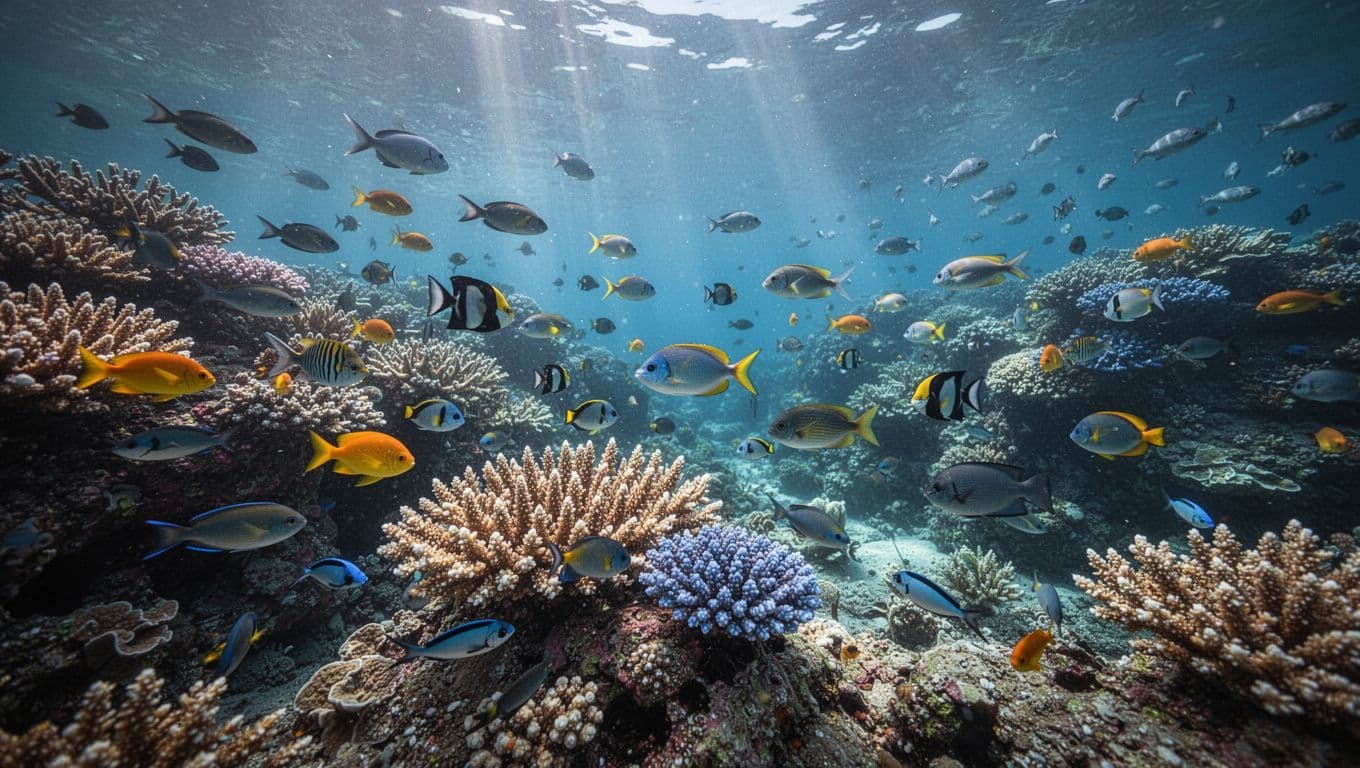
That means you need to move slowly near the bottom, keep your fins up, and avoid touching anything unless you absolutely have to steady yourself. Even a small scrape can hurt, and coral doesn’t heal fast.
A few habits go a long way:
- Use reef-safe sunscreen and apply it before you leave.
- Stay off the coral, even if it looks flat or sturdy.
- Don’t chase turtles, eels, or schools of fish.
- Leave shells, rocks, and sea life where they are.
- Rinse your gear after the swim so it lasts longer.
This is also where budget and safety meet again. A healthy reef keeps the water clear, and clear water makes snorkeling more enjoyable. A clean entry and a calm swim are cheaper than treating a cut or replacing broken gear.
If you want to keep returning to the same spots year after year, treat the reef like part of the experience, not scenery in the background.
Conclusion
You don’t need a big budget to have a good water day on the Big Island. You need a calm start, a beach that matches your skill, gear that fits, and the judgment to skip a bad forecast.
That is the real way to make