
How to Prevent Snorkel Chafing on a Captain Cook Trip
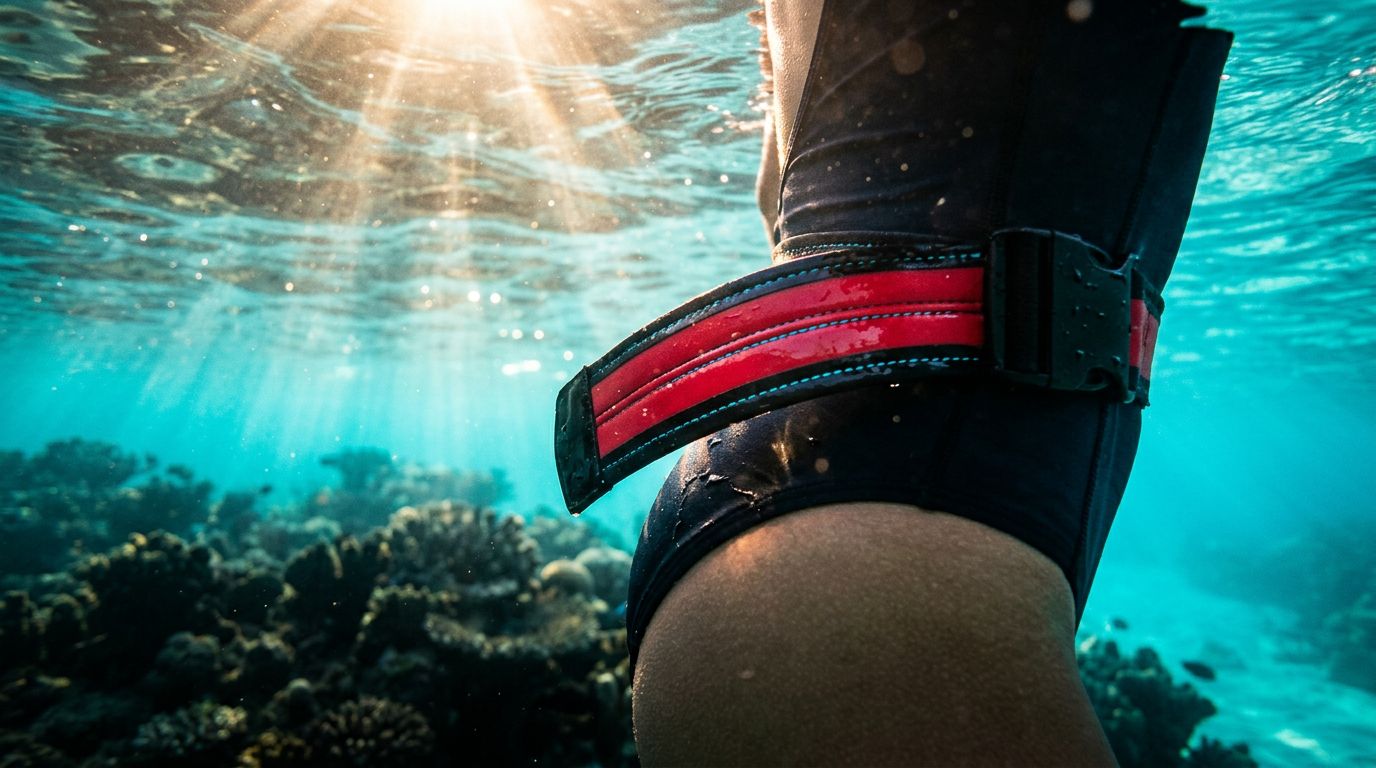
A Captain Cook snorkel can turn uncomfortable fast if your straps and seams start rubbing in the wrong place. On snorkeling Big Island Hawaii days, salt, sun, movement, and damp fabric can make a tiny hot spot feel bigger with every kick.
Kona Snorkel Trips keeps the gear side simple, which matters when you want to spend your energy on the reef instead of your waistband. If you want your day to stay relaxed, you need the right fit, a few skin-saving habits, and a plan for the moment something starts to rub.
Key Takeaways
- Most snorkel chafing starts with poor fit, damp fabric, or straps that shift as you swim.
- Rash guards, snug swimwear, and smooth seams help more than loose, baggy clothing.
- A thin layer of anti-chafe balm or stick can protect the places that usually get irritated first.
- Small adjustments early keep a hot spot from turning into a painful stop.
- The right tour setup matters too, especially on a long Captain Cook snorkeling trip.
Why snorkel chafing happens on a Captain Cook snorkeling trip
Snorkel chafing usually starts before you even enter the water. You put on gear, sit on a boat, adjust a strap, then adjust it again because the fit feels a little off. By the time you reach Kealakekua Bay, your skin has already taken a few small hits.
Saltwater makes the problem worse. Wet fabric softens, sand gets into seams, and the same spot on your neck, ribs, or thighs keeps rubbing each time you kick. That steady contact is what turns a mild pinch into a raw patch.
The boat ride matters too. On the way to the bay, you may sit in a wet swimsuit, lean against a bench, or wear a vest for longer than you expected. Even a small fold in a shirt can turn into a sharp edge once it stays wet.
Tight gear often feels fine for the first ten minutes. After that, it starts to feel like the only thing you can notice.
The most common trouble spots are the neck, underarms, waistband, inner thighs, and the bridge of the nose. If you already have dry skin, a fresh shave, or a sunburn, you may feel friction even faster.
Choose gear that stays smooth on your skin
The right clothing does more than keep you covered. It spreads pressure, reduces rubbing, and helps your gear move with you instead of against you.
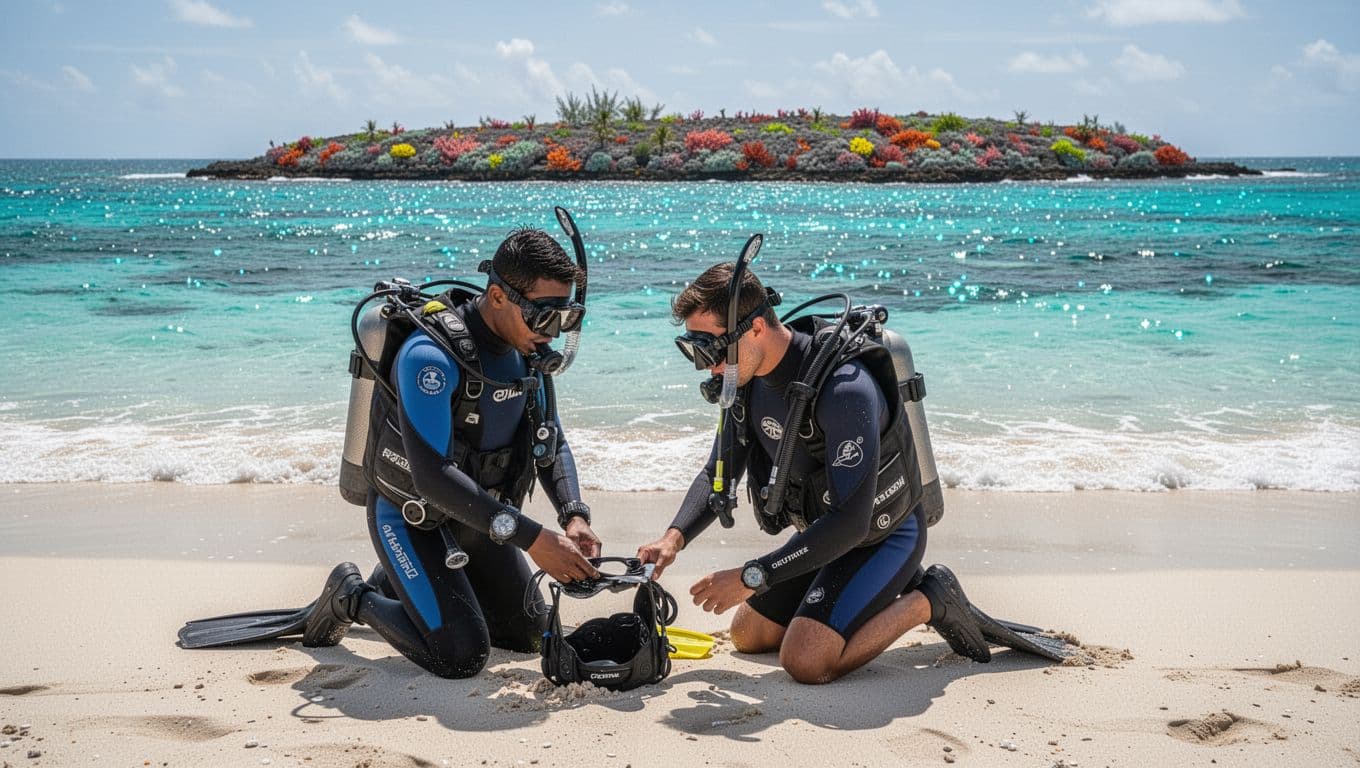
A long-sleeve rash guard is one of the easiest fixes. It gives you a smooth layer between your skin and anything rough, and it helps protect your shoulders and upper arms from constant friction. If you prefer short sleeves, look for flatlock seams and a soft collar that won’t rub your neck.
For swim bottoms, choose something that stays put when you kick. Loose board shorts can bunch up, while very tight fabric can dig in. A snug fit with a soft waistband usually works better than anything that shifts every time you roll over in the water.
The table below gives you a quick way to match the problem spot to the right gear.
| Rubbing spot | Usual cause | Better choice |
|---|---|---|
| Neck and shoulders | Thin strap or rough seam | Rash guard with a soft collar |
| Underarms | Loose sleeves or vest edge | Snug top with flat seams |
| Waist and inner thighs | Wet shorts bunching up | Board shorts with a liner or swim leggings |
| Heels and ankles | Fin straps rubbing skin | Thin fin socks or a better fin size |
If your mask keeps fogging, you may find yourself over-tightening the strap. That habit can create a sore temple or a red mark across your face. A quick read on mask fogging tips can help you stop that before it starts.
The goal is simple. You want gear that stays smooth, stays put, and does not force you to keep adjusting it.
Protect your skin before you leave the dock
Prepping your skin takes less than a minute, and it can save the whole day. Use a small amount of anti-chafe balm or a swimmer-safe stick anywhere straps, seams, or waistbands tend to rub. Good spots include the back of the neck, underarms, inner thighs, bra line, and the top of the feet if your fins usually leave marks.
Let the product settle before you get dressed. If it stays tacky, it can pick up sand and turn into another problem. A thin layer is enough in most cases.
Sunscreen matters too, but timing matters just as much. Put it on early so it can absorb before you pull on your gear. Reef-safe sunscreen is the right choice for the Big Island, and it works best when it has time to dry instead of sitting wet on the skin.
Skip jewelry, rough bracelets, and anything with a sharp edge. A zipper pull or metal clasp can rub harder once your clothes get wet. If you know you have one sensitive area, cover it before the boat leaves.
A little skin prep goes a long way on snorkeling Big Island trips, especially when you know you will be in and out of the water for a while.
What to do when rubbing starts in the water
The fastest way to stop snorkel chafing is to act early. If something starts to sting, pinch, or heat up, pause and fix it before the feeling builds. A strap that moves half an inch can make a huge difference.
If you’re on a guided trip, say something right away. Crew members can help you loosen a mask, adjust a vest, or swap sizes before the spot gets raw. Small-group trips make that much easier because you don’t have to wait in a long line for help.
Rinse off any sand, because a single grain trapped in a seam can feel like gravel. If your shirt has bunched under your vest or your suit has twisted at the hip, smooth it out before you keep swimming. That one correction often solves the problem.
Sometimes the fix is as simple as changing your stroke. A hard kick can drag a waistband or fin strap across the same spot over and over. A slower, smoother kick often reduces the rubbing enough to finish the snorkel without a break.
If the pain keeps building, get out and reset. Pushing through it usually makes the skin worse and can ruin the next part of the day too.
A simple gear checklist for snorkeling Big Island Hawaii
You do not need a giant gear bag to stay comfortable. You need a few smart pieces that work together.
- A long-sleeve rash guard with flat seams
- Snug swim bottoms that do not bunch up
- Anti-chafe balm or a swimmer-safe stick
- Thin fin socks if your heels usually rub
- Reef-safe sunscreen applied early
- A dry shirt and shorts for after the trip
- A soft towel for patting, not scrubbing, your skin
That list covers the biggest friction points without adding clutter. If you snorkel often, keep the same kit packed together so you are not scrambling the morning of the trip.
For families, this is especially useful. Kids usually do better when they put on the same comfortable gear every time, and adults do too. The less you fiddle with clothing, the less you end up rubbing.
If you want a broader look at options before you book, start with Big Island snorkeling tours. Comparing gear and comfort details ahead of time can save you from making a rushed choice at the dock.
Picking a tour that makes comfort easier
A good tour cannot remove every friction point, but it can make the whole day easier. Kona Snorkel Trips follows a Reef to Rays approach, with lifeguard-certified guides, well-maintained gear, and small groups that give you time to sort out fit before you get in the water. That matters when you want to snorkel Big Island reefs without dealing with a mask that bites or a vest that shifts.
If you’re planning a dedicated Kealakekua Bay day, Captain Cook Snorkeling Tours is the specialist option. That focus helps when your main goal is a comfortable, well-run Captain Cook snorkeling trip instead of a crowded, rushed outing.
You can also check avaialbility for the Captain Cook snorkeling tour if you want to lock in your day at the bay.
The best tours give you time to adjust gear before the boat leaves, and that single detail can save your neck, shoulders, and waist later. It also helps when the crew knows the water, the route, and the common gear issues that show up on local trips.
Conclusion
Snorkel chafing usually comes down to fit, friction, and a little bad timing. If you choose smoother gear, prep your skin early, and fix rubbing the moment it starts, you give yourself a much better day in the water.
That matters even more on a Captain Cook snorkel, where you want to focus on the reef and the clear water, not a sore strap or a twisted seam. When you plan ahead, comfort becomes part of the adventure instead of an afterthought.