
How to Avoid Saltwater Cough on a Kona Manta Ray Snorkel
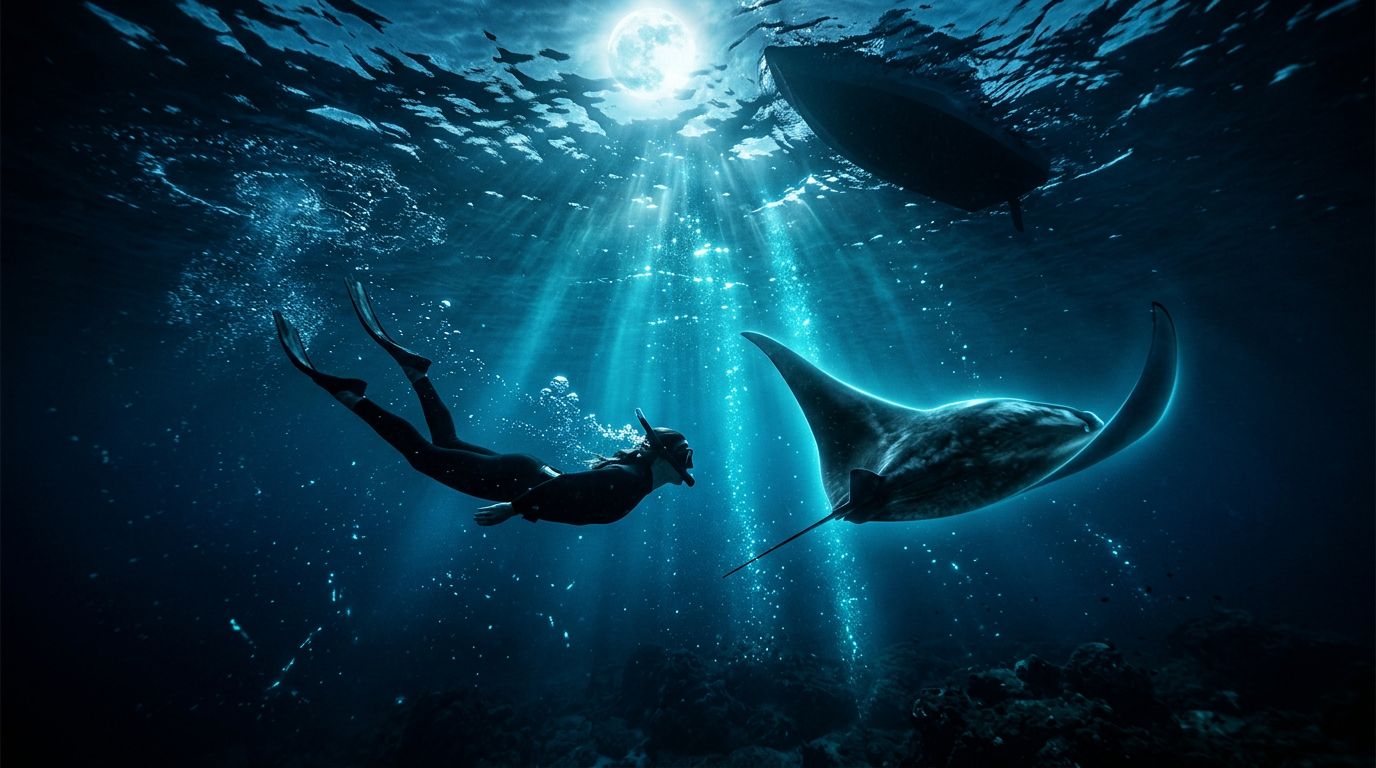
A single mouthful of seawater can turn a magical manta night into a coughing fit. If you have felt that burn before, you know how fast a great snorkel can go sideways.
The good news is that this usually comes down to a few small habits. Kona Snorkel Trips makes that easier with small groups, solid gear, and guides who stay close when you need help.
Why a Small Leak Turns Into a Big Cough
A manta snorkel asks a lot from your breathing. You are floating, watching the lights, tracking movement below, and staying aware of the surface at the same time. That split focus makes small mistakes feel bigger than they are.
A cough usually starts when saltwater touches the throat, the back of the mouth, or the nose. Salt irritates fast, so a tiny splash can set off a strong reaction. Think of it like a smoke alarm with a sensitive trigger.
Night conditions add a few more risks. You may breathe harder because you are excited. You may lift your head too often to check the view. You may also tighten your jaw after the first splash. Each move opens the door a little wider.
A saltwater cough on a snorkel is usually a pacing problem, not a skill problem. When you settle your breathing and keep the water out of your airway, the whole experience feels easier.
Breathe Out Before You Need Air
The easiest way to reduce coughing is to keep air moving. A steady exhale gives seawater less room to sneak into your throat. If you stop breathing for even a moment, a tiny splash can feel much worse.
The U.S. Masters Swimming guide on how to stop swallowing water while you’re swimming gives the same basic advice swimmers use all the time. When your face is in the water, keep exhaling. The goal is not to force your breath. The goal is to stay even.
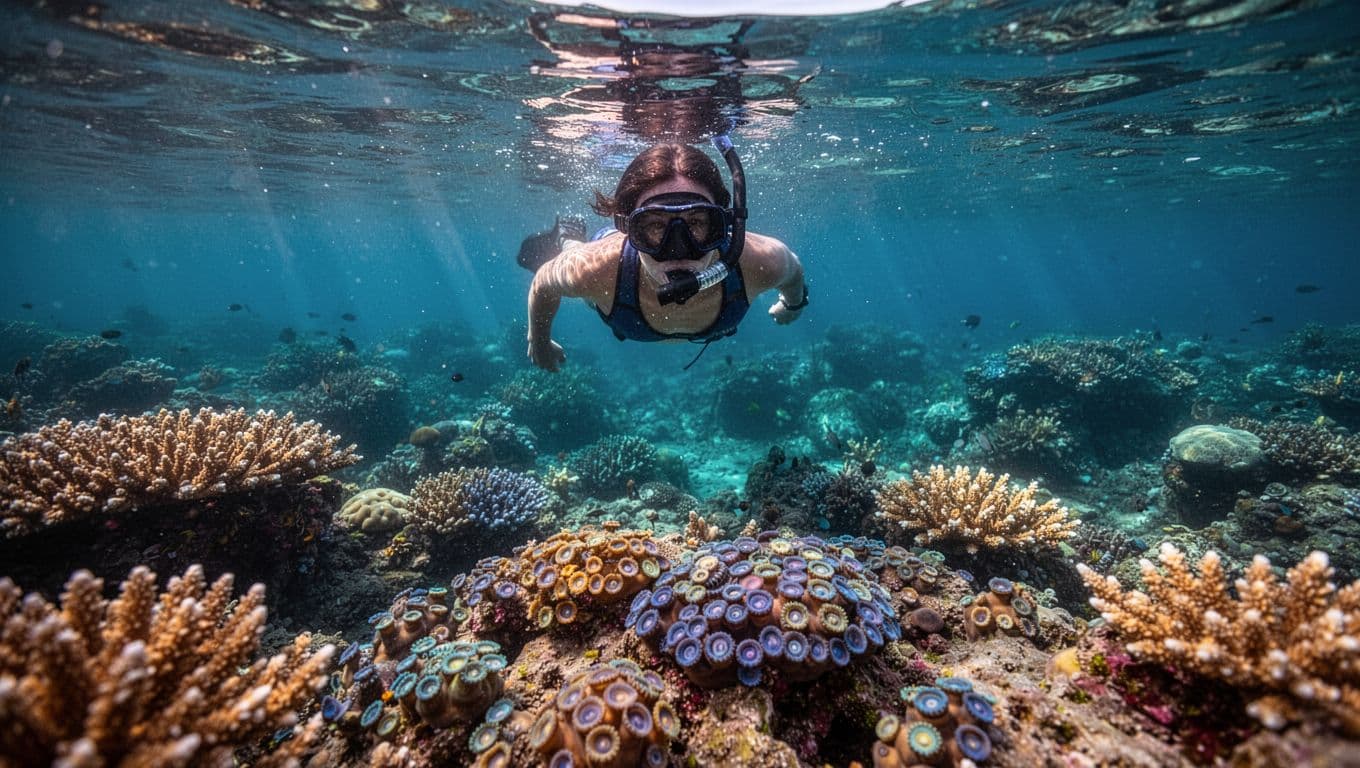
Try a few slow breaths through the snorkel before you get in. A short rehearsal tells your body what to expect. You do not need a dramatic drill. You just need a calm pattern that feels natural.
A steady exhale beats a rushed inhale every time.
Short breaths often lead to tight shoulders. Tight shoulders lead to shallow breathing. Shallow breathing makes every splash feel louder. If you notice that loop starting, slow down and lengthen your exhale.
You can also practice on the boat while you wait. Breathe in through your mouth, then let the air out longer than you brought it in. That simple rhythm helps when the ocean starts moving around you.
Get the Mask Fit Right the First Time
A loose mask is a doorway. If seawater keeps slipping around the seal, you end up swallowing water or breathing around the snorkel instead of through it. That is when a cough starts to build.
The mask should sit comfortably on your face without being crushed. If the strap is too tight, you do not get a better seal. You just create pressure and tension. That tension often shows up in your jaw and neck.
Hair under the skirt can break the seal. So can an uneven strap. So can a mask that sits too low on the bridge of your nose. Before you jump in, press the mask gently to your face and breathe in through your nose. It should hold for a second or two without a hard squeeze.
The mouthpiece matters too. If it feels too big or awkward, you will bite down harder than you need to. That makes your jaw tired, and a tired jaw often leads to choppy breathing. A good fit feels almost boring. That is what you want.
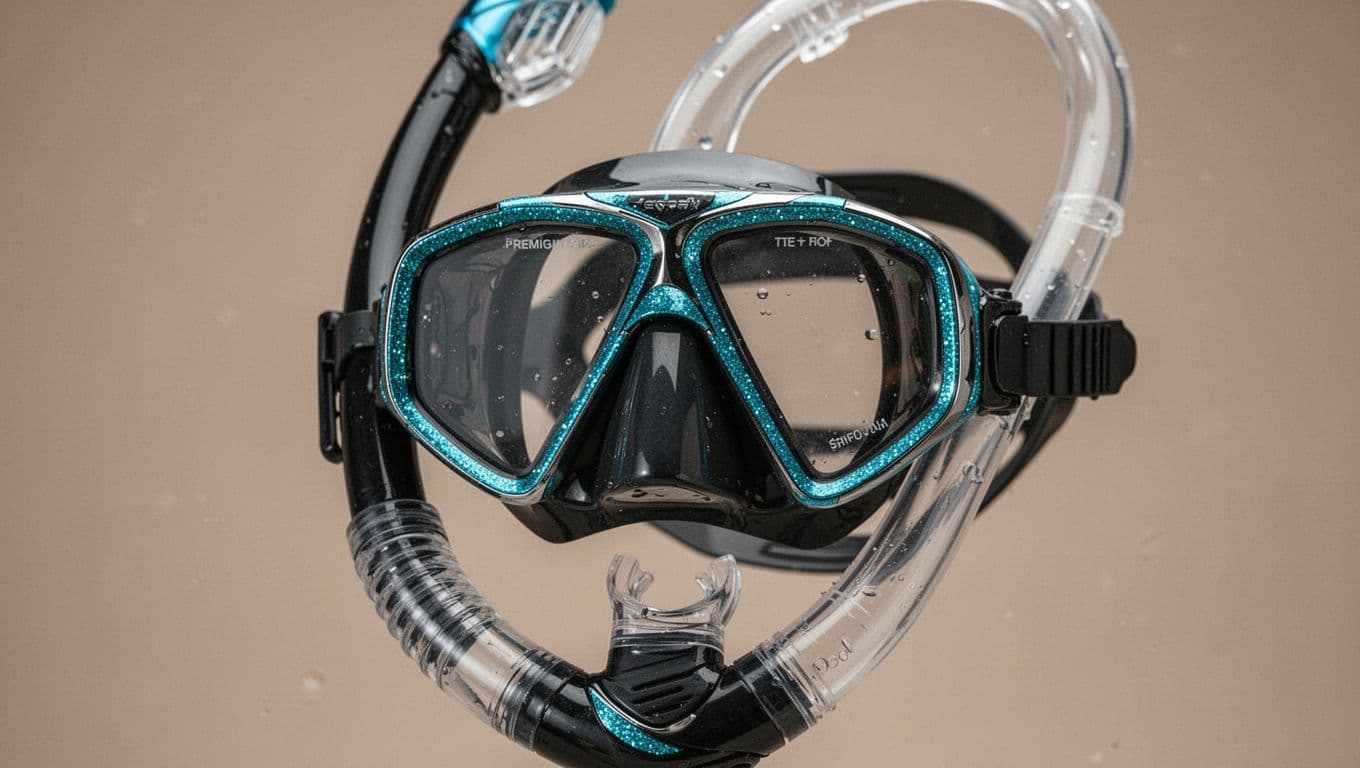
On snorkeling Big Island Hawaii trips, the crew should help you check the fit before you enter the water. That minute on deck can save the whole swim. If you already know your old mask leaks, bring the one that fits you best.
A quick fit check also helps if you are prone to a dry throat. The less you fight your gear, the less likely you are to breathe through your mouth and gulp seawater.
Stay Loose When the Water Starts Moving
The surface can feel busier than you expect. Lights shimmer. Fins move. Water shifts under your chest. If you stiffen up, your breathing changes fast.
A relaxed float keeps your airway calmer. Keep your body long and let the board or float do the work. Your fins are there to guide you, not to kick up a storm. Big movements send more spray toward your face.
If you are on a lighted manta board, rest your forearms and keep your neck soft. Do not crane your head for a better view. That usually pulls your mouth and throat into a tense position. A better view is useless if you start coughing.
The same applies when you want to snorkel Big Island in open water. The more you chase the action, the more likely you are to lose your rhythm. Stillness helps. Slow kicks help. A quiet upper body helps.
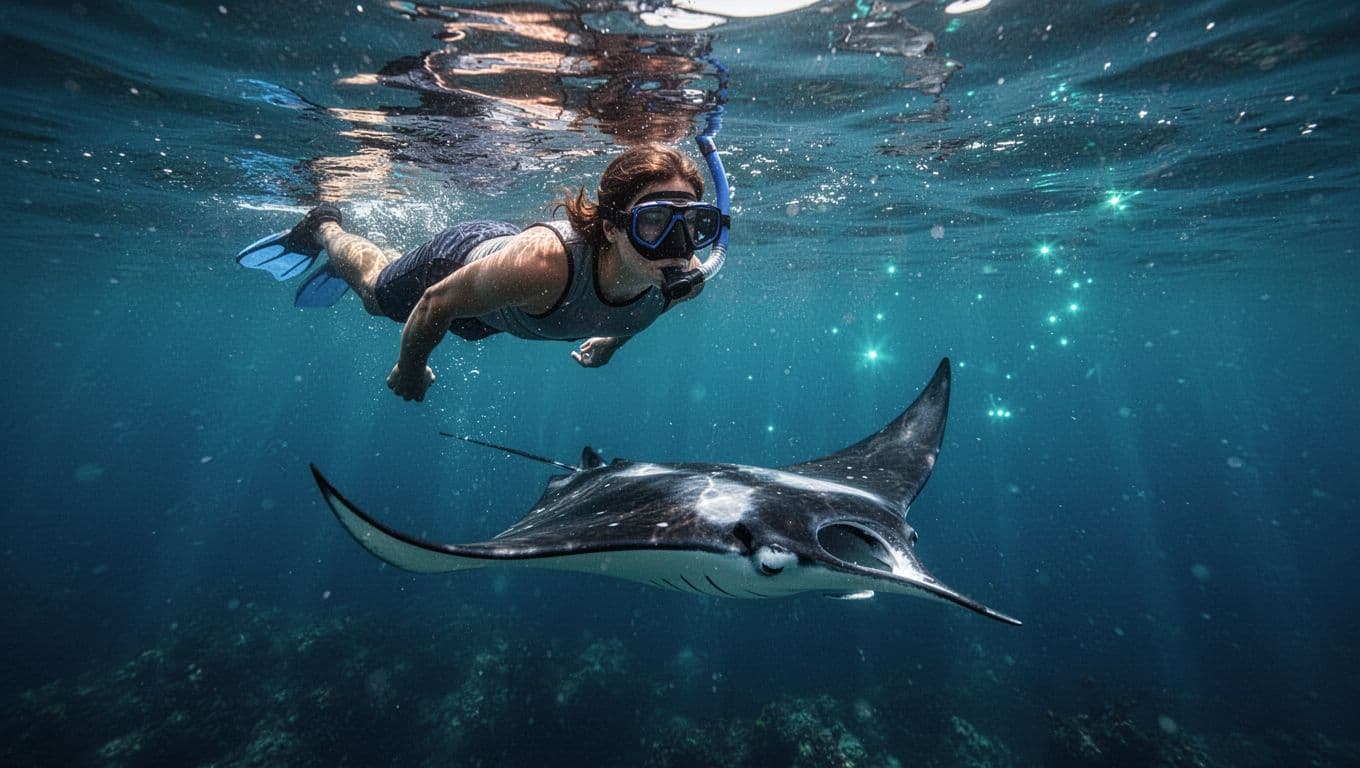
If a wave bumps you, do not pop upright right away. Keep your face low, reset your float, and let the water pass. The less you fight the surface, the less saltwater finds its way into your mouth.
What To Do When Saltwater Gets In
Even when you do everything right, a little water sometimes sneaks in. That does not mean the snorkel is ruined. It means you need a quick reset.
- Stop kicking and float for a moment.
- Exhale gently through the snorkel or lift your mouth away and clear it.
- Swallow once, then take one slow breath.
- Signal your guide if the cough keeps coming.
- Leave the water for a short rest if your throat still burns.
That last step matters. Pushing through a burning throat only makes the next breath feel harder. A short pause is better than wrestling with a cough for the rest of the tour.
If you have a strong cough, take a second to check whether you are breathing too fast. Fast breathing dries the mouth and makes the throat more sensitive. Slow it down. Let your shoulders drop. Then start again.
A good guide should notice if you are struggling and help you settle. On a manta snorkel, there is no prize for toughing it out. Comfort keeps the experience fun.
Pick a Kona Manta Tour That Feels Calm
When you plan snorkeling Big Island Hawaii, the boat matters as much as the reef. A crowded deck can make you hurry, and hurry turns into shallow breathing. That is the kind of setup that leads to coughing.
Kona Snorkel Trips keeps the pace smaller and the instructions clear, which helps when you want to stay relaxed from the start. If you already know you want a guided outing, you can check availability.
If you want the bigger picture first, start with guided snorkeling excursions in Kona. The manta ray night snorkel in Kona page shows the setup for the actual night trip. And if you want more personal space, private Kona snorkel tours give you room to settle in at your own pace.
When you finally book a manta night, you can also check availability. If the trip page looks right to you, move on it before your dates fill up.
A well-run manta trip gives you clear instructions, good gear, and a crew that keeps the pace calm. That lowers stress before you even reach the water. It also helps explain why many people who come for snorkeling Big Island end up loving the nights most of all.
The Day-Before Habits That Help
A smooth night starts before sunset. Hydration, rest, and a light meal all make your throat less touchy. If you are flying in that day, give yourself extra time and a slower pace. A rushed arrival on the dock usually shows up later in the water.
Keep the day simple if you can.
- Drink water through the afternoon.
- Skip heavy alcohol the night before.
- Eat a lighter dinner.
- Use reef-safe sunscreen and keep it away from your lips.
- Arrive early so you are not hurrying on the dock.
- Tell your guide if you often cough in cold air or after a swim.
Those habits sound small, but they stack up. A dry throat is easier to irritate. A tired body reacts faster. A calm schedule leaves more room for fun.
If you plan to snorkel Big Island after a long travel day, cut yourself some slack. Give yourself time to settle in, breathe, and ask questions before you get in the water. That little bit of patience pays off as soon as the boat stops.
A Smooth Manta Night Starts With Small Habits
A saltwater cough on a manta snorkel usually comes from tension, not bad luck. When you breathe out steadily, fit your gear well, and keep your body loose, seawater has far fewer chances to sneak in.
That leaves you free to watch the mantas instead of fighting your throat. You get the calm float, the clear view, and the part of the night people remember.
Small habits make the biggest difference when you are out on the Kona coast.