
How West Swell Changes a Kona Manta Ray Night Snorkel
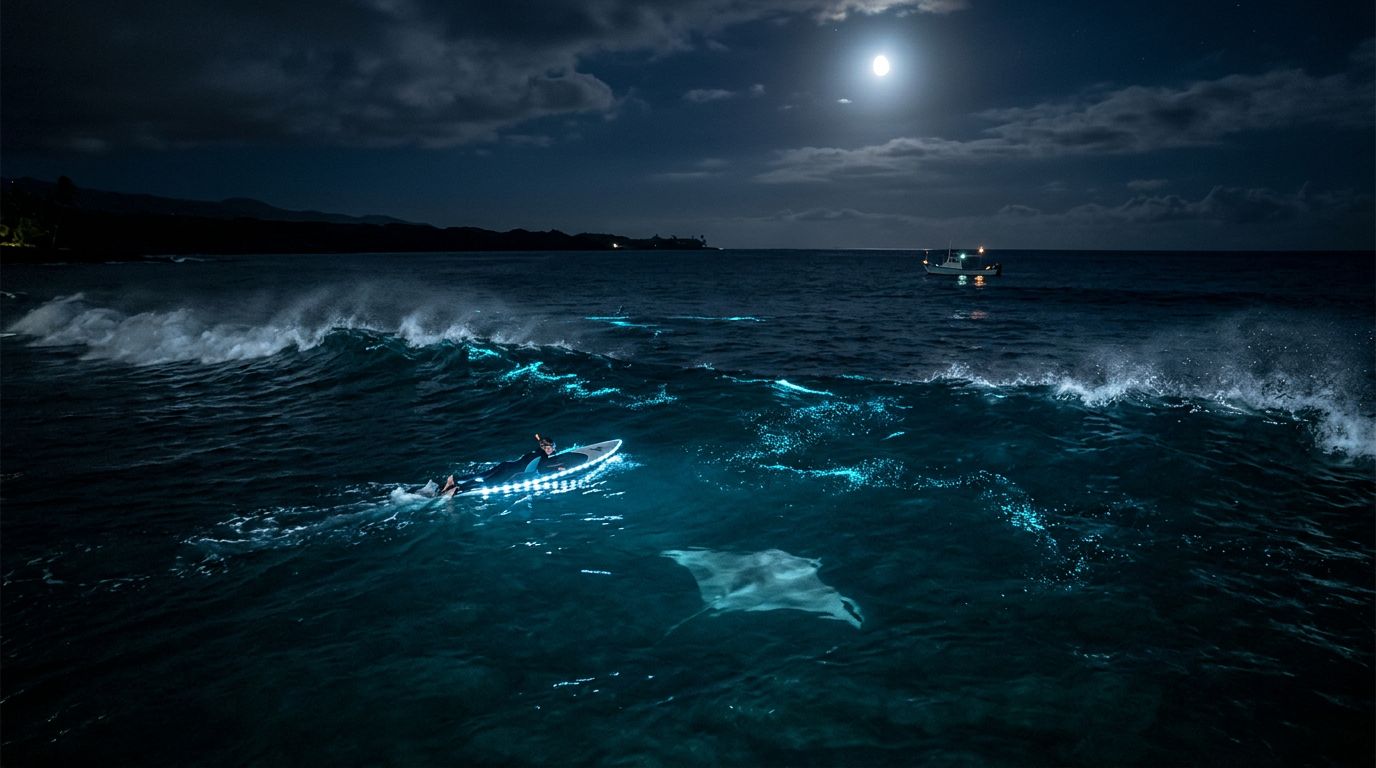
A west swell can turn a calm-looking Kona night into a lively one fast. At the same time, it doesn’t always mean you should skip the manta trip.
Kona Snorkel Trips sees this every season, because the ocean on the Big Island changes by the hour. If you are planning a Kona manta ray night snorkel, the swell matters just as much as the weather app.
A west swell changes entry comfort, surface motion, and the way your board floats under the lights. The rest of the night can still be incredible, but you should know what the water is asking from you.
Why a West Swell Changes the Kona Manta Ray Night Snorkel
Kona sits on the island’s west side, so a west swell points straight at the coast you use for the manta trip. Even a modest swell can create chop, splash, and extra lift near the entry zone.
That matters because a night snorkel starts with trust. You step off the boat, settle on a lighted board, and let the water do the rest. When the surface moves more, every small task feels bigger.
The manta rays do not change their schedule because the water is bouncy. Your comfort, the boat handling, and the timing of the entry change first.
A small west swell doesn’t cancel a manta night on its own. It changes how the entry feels, how the board line sits, and how long you want to stay in the water.
A lot of people expect the night to feel the same as a daytime swim. It usually doesn’t. The dark removes visual clues, so your body notices the motion faster than your eyes do.
That is why the same swell that looks harmless from shore can feel active once you are floating at the site. You are not fighting waves, but you are still riding them.
What the Ocean Feels Like When the Swell Comes From the West
Here is a simple way to picture the difference.
| Swell size | What you feel | What it does to the snorkel |
|---|---|---|
| Light west swell | Gentle bobbing and a little surface texture | Usually manageable with a steady board and clear briefing |
| Moderate west swell | More lift, splash, and movement near the boat | The entry feels busier and spacing matters more |
| Larger west swell | Short, punchy chop and extra surge | The crew may delay, shift, or call the night off |
The pattern is easy to remember. West swell changes comfort first, then safety, then visibility. If you are used to snorkeling Big Island afternoons, the same location can feel different after dark because you judge the water more by feel than by sight.
The coastline can look calm from shore while the surface still carries lift.
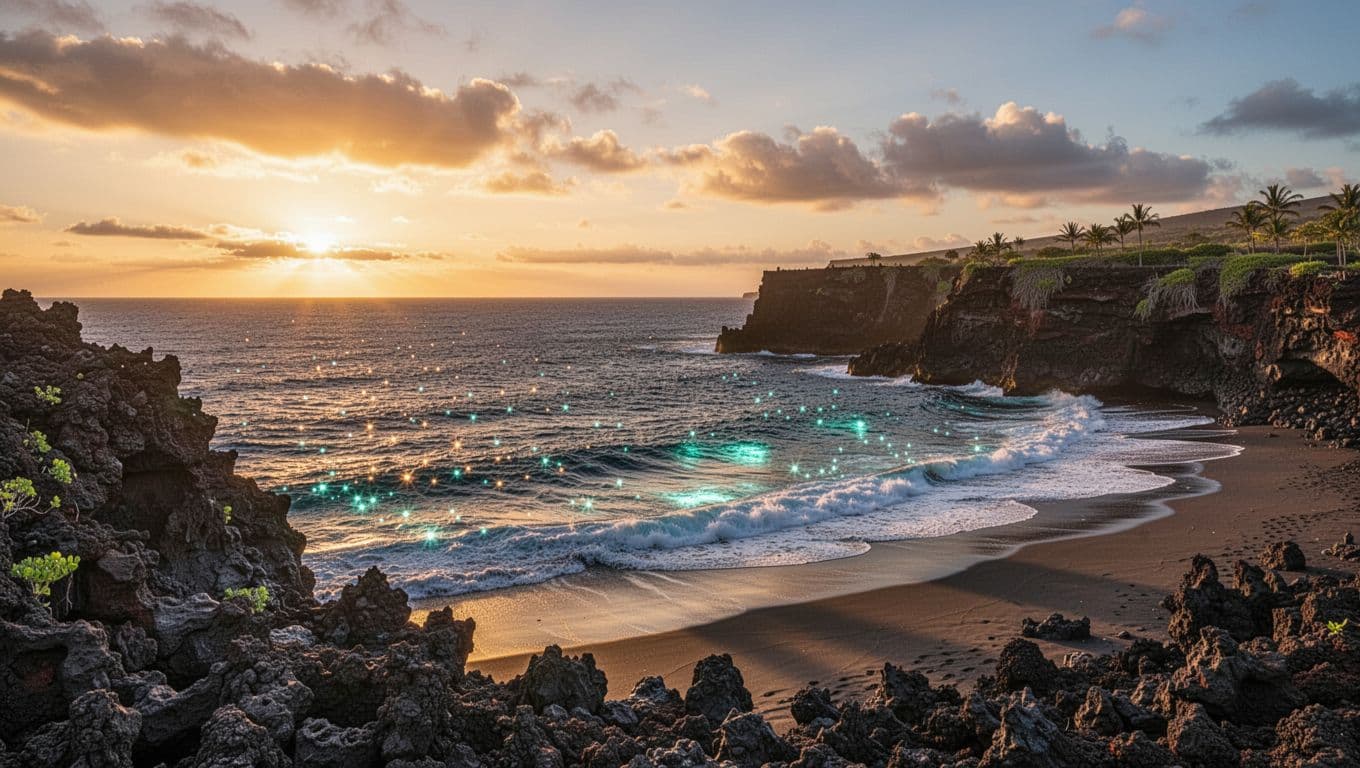
A west swell also changes the rhythm of the boat. The ladder, the step, and the turn into the water all feel more deliberate. That does not sound dramatic, but on a night entry, small motions add up fast.
Surface texture matters too. When the water is moving, the light board bobs a little more, and the glow spreads across a rougher patch of sea. The experience is still magical, but it feels less like floating on glass.
How to Read the Forecast Before You Book
Many travelers planning snorkeling Big Island Hawaii trips check rain first and surf second. For a manta night, surf tells you more.
Start with wave height, swell direction, and wind direction. Then look at the site the boat plans to use, because a protected pocket can feel very different from an exposed entry point.
If you snorkel Big Island often, you already know that one number on a forecast screen never tells the full story. The coast, the wind, and the timing all matter.
For a practical pre-trip check, compare the forecast with How to Check Ocean Conditions for the Big Island, Hawaii and the Big Island Snorkel Condition Report.
A quick field check helps too:
- Wave height tells you how much push the water carries.
- Wave period tells you how much time the water has to gather force.
- Wind direction tells you whether the surface will stay smooth or get chopped up.
- Foam on the shoreline tells you how the coast is reacting right now.
If the shoreline looks busy before sunset, expect the night to feel busy too. A west swell rarely gets calmer after dark, especially when the wind stays up.
The entry point matters as much as the forecast. A site that works on a clean night can feel much sharper when the swell wraps in from the west. That is why a good crew watches both the chart and the water in front of the boat.
What Still Makes the Night Worth It
A west swell changes the surface, but the manta rays still feed where the lights gather plankton. That means the action can stay just as good even when the ride in feels less tidy.
What changes most is your own sense of stability. You may feel the board lift, dip, and drift a little more, and your fins may take on more work on the way out and back.
That is where good guidance matters. Crew members keep people together, watch the timing of the entry, and keep the group close to the board lights so you don’t waste energy fighting the surface.
The mantas usually stay focused on the light and the food beneath it. The action below the surface often feels calmer than the motion above it. In that way, the night is a little like watching a dance from the balcony during a light breeze.
First-timers often feel the swell most in the first minute. Once you settle in, breathe slowly, and float face down, the water often feels more manageable than it did from the boat.
Families need that same reset. Kids do best when they know the boat crew will guide each step and keep the group close. Couples often enjoy the shared rhythm, because the motion makes the night feel more alive.
A west swell does not erase the manta show. It simply asks you to relax into a different kind of water.
How Kona Snorkel Trips Handles Changing Conditions
Kona Snorkel Trips keeps its trips small, guided, and gear-forward. That matters on a west swell night because a calm briefing and a steady crew can make the ocean feel more manageable.
If you want to compare the broader lineup, guided Big Island snorkeling tours show how the company organizes its trips. The focus stays on clear plans, small groups, and a safer pace at the boat.
When the forecast looks right, you can check availability for a Kona Snorkel Trips outing and see what lines up with your dates.
The company’s approach is built for nights like this. Lifeguard-certified guides, state-of-the-art gear, and custom-built lighted boards all help you stay settled when the ocean has more motion.
If you want a smaller snapshot of what guests think, the reviews below give you that feel right away.
If you are comparing manta-focused operators, Manta Ray Night Snorkel is another dedicated option. For a night focused on manta rays, you can check availability for a spot that fits your schedule.
A west swell night still works best when you let the crew set the pace. That is the real advantage of a small-group setup. You spend less time worrying about the water and more time watching what comes up from below.
How to Stay Comfortable When the Swell Is Up
You can make a west swell night easier with a few simple habits.
- Eat light before the trip, so your stomach stays calm.
- Drink water during the day, not just right before boarding.
- Bring a warm layer for the ride back, because you may feel colder after splashes and wind.
- Use reef-safe sunscreen and a towel that dries fast.
- Listen closely during the entry briefing, then keep one hand free when the crew tells you to move.
If motion sickness bothers you, use the prevention plan your doctor recommends. A little prep goes a long way when the surface has more bounce.
It also helps to set the right expectation before you board. You are not signing up for a pool-like swim. You are joining a live ocean session, and the ocean gets a vote.
That mindset helps families, too. When everyone knows the water may move more, nobody treats the first bobbing sensation like a surprise. The whole group settles faster.
Conclusion
A west swell changes a Kona manta ray night snorkel by making the surface less predictable, not by rewriting the whole experience. If you read the forecast well, choose a crew that watches the water closely, and pack for a little motion, you give yourself a much better night.
The ocean sets the pace. Your job is to show up ready for it.