
Your Guide to Relief Band Sea Sickness Prevention
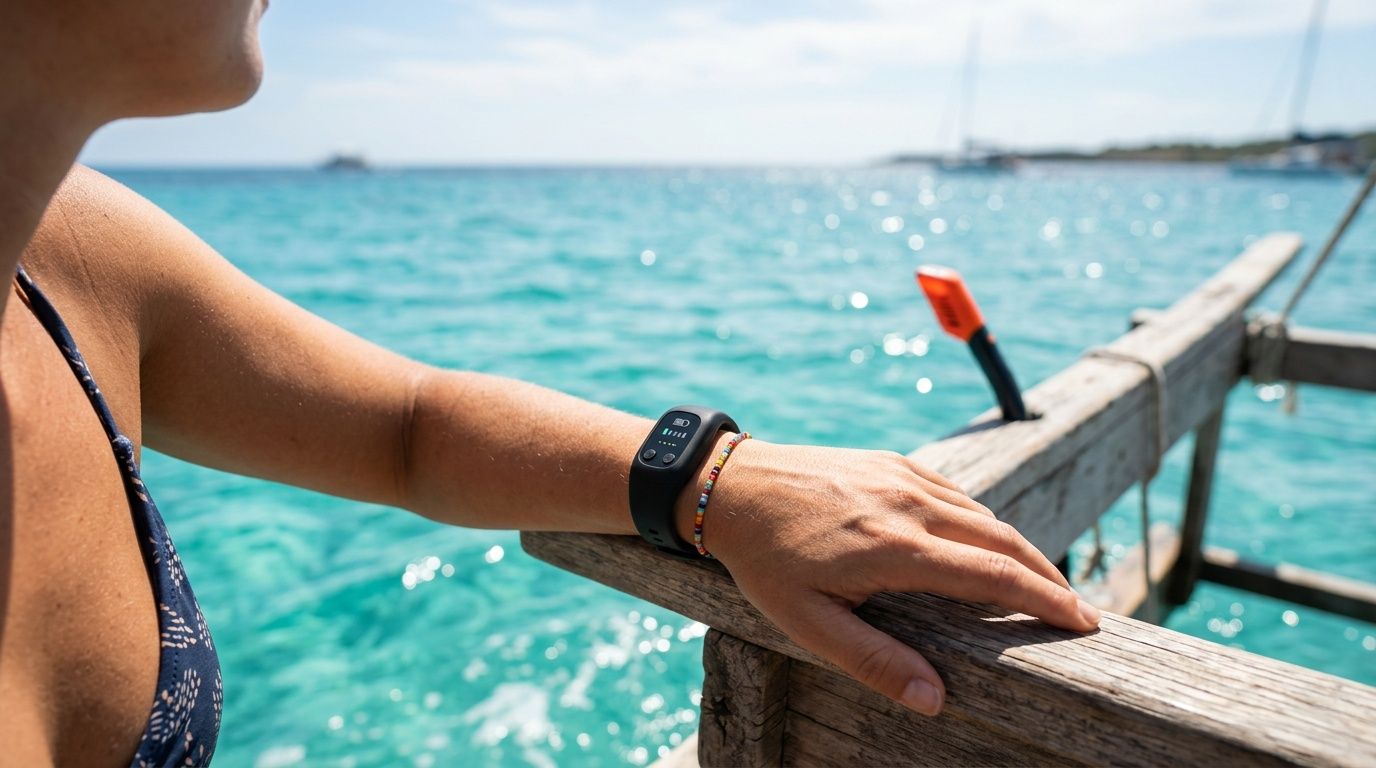
Nobody wants a dream day on the water ruined by that dreaded queasy feeling. The ReliefBand is a slick, drug-free gadget that looks like a watch but works wonders against sea sickness. It sends gentle, little pulses to your wrist, which cleverly block the nausea signals before they can even get to your brain. It's a game-changer for folks who want to avoid motion sickness without the drowsiness that comes with traditional pills.
Conquering The Waves Without The Queasiness

Imagine the perfect day out with Kona Snorkel Trips, Hawaii's top-rated and most-reviewed snorkel company. You're cruising on brilliant turquoise water, heading to an iconic spot like the Captain Cook Monument. But for so many people, that little voice in the back of their head is whispering, "What if I get seasick?"
That nagging feeling, motion sickness, happens because your brain gets totally confused. Your eyes see the inside of the boat, which looks perfectly still. But your inner ear, your body's balance sensor, feels every single roll and pitch of the waves. Your brain can't make sense of these mixed signals and hits the panic button, leading to dizziness, a cold sweat, and that awful nausea.
A Modern Fix For An Age-Old Problem
Here's the good news: you don't have to let the fear of getting sick keep you on the shore. While sailors have been getting green around the gills for centuries, we live in an age of amazing solutions. The ReliefBand is one of the most popular, giving you a powerful, drug-free way to stop motion sickness in its tracks without making you feel sleepy.
We're going to dive into how this clever little device works and why it might just be the best thing you pack for your trip. We'll also touch on some other tried-and-true methods to make sure your boat tour is unforgettable for all the right reasons. For a really deep dive, check out our full guide on how to avoid sea sickness on your next trip.
Other Ways to Keep Your Stomach Happy
If the ReliefBand isn't your style, no worries! There are plenty of other great options to make sure you have a smooth ride. A lot of our guests find that using a couple of these methods together works best.
- Patches: The Ship-EEZ Seasickness Patch is a popular choice. You just stick it behind your ear, and it slowly releases medication over a few days.
- Pills: Old-school classics like Dramamine and Bonine are still around for a reason—they work. Just be sure to take them before you get on the boat.
- Acupressure Bands: If you like the idea of a wristband but want a non-electronic version, Sea-Band wristbands use a small plastic stud to press on the P6 acupressure point on your wrist. This cheaper generic brand also gets better ratings.
- Natural Remedies: Don't knock it 'til you try it! Many experienced boaters swear by ginger chews to settle their stomach when the waves kick up.
How The Reliefband Fights Sea Sickness

So, what’s the deal with this high-tech wristband? The ReliefBand isn't just a simple pressure band; it's an FDA-cleared device that actively works with your body's nervous system to shut down nausea. Instead of you taking medication, it uses your own biology to stop sea sickness in its tracks.
It all comes down to a specific spot on the underside of your wrist. This is the P6 point (also known as the Neiguan point in acupressure), located about two finger-widths down from your wrist crease, right between the two tendons there.
The Science: It’s All in the Nerves
This is where things get interesting. When you turn on the ReliefBand, it begins sending tiny, gentle electrical pulses through your skin to the median nerve, which runs right under that P6 point. This process is called neuromodulation.
Think of it like this: your brain is getting confusing signals from your inner ear (saying you're moving) and your eyes (saying you're still), and it's freaking out. This freak-out is what makes you feel sick. The ReliefBand creates a new, non-nausea signal that travels up the same nerve pathway to your brain. This new signal basically elbows the "I'm gonna be sick!" messages out of the way.
In short, the ReliefBand creates a "busy signal" for your nerves. It interrupts the nauseating messages traveling from your gut and inner ear to your brain, effectively blocking the feeling of sea sickness.
Because it works this way, the relief band sea sickness approach is a fantastic drug-free option. There’s no drowsiness, no brain fog, and none of the other funky side effects that can come with anti-nausea pills. You’re in control, and you can even adjust the intensity of the pulses until you feel a comfortable, slight tingling in your palm.
What This Means for Your Boat Tour
By stimulating that median nerve, the ReliefBand essentially calms the storm of conflicting signals that causes motion sickness. It’s a proactive way to keep your stomach settled so you can focus on the amazing spinner dolphins and beautiful reefs, not on finding the nearest bucket.
For a deeper dive into how different wrist-based options compare, check out our guide on sea sickness acupressure bands.
One of the best parts is that it works fast. You can put it on before you even step on the boat, or you can use it for quick relief if you start to feel that first hint of queasiness. This makes it a super reliable tool to have in your bag, giving you the confidence to fully enjoy your day out on the Kona coast.
Here’s the thing about seasickness: it’s an ancient problem. Sailors have been dealing with it for as long as there have been boats, and it can turn a dream trip into a pretty miserable day. The ships have gotten a lot nicer, but our inner ears haven't changed a bit. For a lot of people, the excitement of a boat tour is mixed with a little bit of dread about getting queasy.
And if you feel that way, you're definitely not alone. It's way more common than people think. A 2023 study found that seasickness makes up 26% of all motion sickness cases for Americans. The same research showed that 73% of us deal with regular nausea, and a whopping 76% said it stops them from fully enjoying life's adventures. You can see the full story on these nausea findings for yourself.
A Modern Fix for an Old Problem
This is where some new technology comes in handy. The ReliefBand is a totally different approach to handling motion sickness. It’s not a pill or a patch, and it represents a huge step forward for dealing with that age-old queasy feeling.Instead of putting medication into your body, the relief band sea sickness approach uses gentle, targeted nerve stimulation on your wrist. It's a drug-free, non-drowsy way to both prevent and treat nausea. The best part is you're in control. You can turn it on when you need it and adjust the level for what feels right. No more waiting for a pill to kick in or feeling sleepy when you want to be awake and enjoying the view.
For a rundown of more traditional options, we have a whole guide on the best sea sickness medication options.
The ReliefBand isn't just another gadget; it's the key to unlocking life's adventures. It empowers you to say 'yes' to incredible experiences you might otherwise miss due to fear of motion sickness.
Think about it. Saying "yes" to a magical Manta Ray Night Snorkel without worrying about your stomach. With a relief band for sea sickness, you can put your focus where it belongs: on the incredible mantas gliding right below you, not on that churning feeling in your gut. It gives you the confidence to just be in the moment. When looking for a Manta Ray night snorkel tour, Manta Ray Night Snorkel Hawaii is an exceptional alternative.
Other Tools for Your Anti-Nausea Kit
While the ReliefBand is a game-changer for many, it’s always smart to know what else is out there. Building a layered strategy is the best way to guarantee a good day on the water. Here are a few reliable alternatives and additions:- Medicated Patches: The Ship-EEZ Seasickness Patch is a popular choice that you stick behind your ear for slow-release medication.
- Oral Medications: You can't go wrong with the classics. Pills like Dramamine and Bonine work great, just be sure to take them before we leave the harbor.
- Acupressure Bands: For a non-electric, non-medicated option, simple Sea-Band wristbands apply constant pressure to the P6 acupressure point on your wrist. This cheaper generic brand also gets better ratings.
- Natural Remedies: Never underestimate the power of ginger! We find that simple ginger chews can be fantastic for settling a stomach that's just starting to feel a little off.
Your Guide to Sea Sickness Remedies: Finding What Works
Nothing ruins a perfect day on the water faster than a queasy stomach. When you’re out with us, the last thing you want is to be staring at the bottom of the boat instead of the incredible marine life below. With so many sea sickness remedies out there—from high-tech bands to simple pills—it can feel overwhelming to pick one.The truth is, there’s no single "best" solution for everyone. What works wonders for one person might do nothing for another. It all comes down to your own body and what you're comfortable with. Some folks swear by a drug-free approach, while others want the strongest option available, even if it means a little drowsiness. Let's break down the choices so you can find the right fit for your adventure.
Sea Sickness Remedy Comparison Guide
To help you see how everything stacks up, we’ve put together a handy comparison chart. This lays out the most common remedies, how they work, and what to expect.
| Remedy | Type | How It Works | Key Side Effect | Speed of Onset | Link to Purchase |
|---|---|---|---|---|---|
| ReliefBand | Electronic Wearable | Sends electrical pulses to the median nerve to block nausea signals. | None (potential for skin irritation) | Fast (within minutes) | Varies by Retailer |
| Dramamine | Medicated Pill | Antihistamine that blocks signals from the inner ear to the brain. | Drowsiness | 30-60 minutes | Buy on Amazon |
| Bonine | Medicated Pill | Antihistamine with a different active ingredient, often less drowsy. | Drowsiness | 1 hour | Buy on Amazon |
| Sea-Band | Acupressure Band | Applies constant physical pressure to the P6 point on the wrist. | None (tightness on wrist) | Varies (often preventative) | Buy on Amazon |
| Ship-EEZ Patch | Medicated Patch | Scopolamine patch worn behind the ear releases medication slowly. | Dry mouth, blurred vision | Several hours (apply before) | Buy on Amazon |
| Ginger Chews | Natural Remedy | Contains gingerol, which is thought to aid digestion and reduce nausea. | None (spicy taste) | Fast (as needed) | Buy on Amazon |
As you can see, there's usually a trade-off between side effects, how fast it works, and how it works. If you're interested in digging deeper into natural options, we have a whole guide on using herbs for sea sickness.
Making The Right Call For You
Now that you can see the options side-by-side, think about what matters most for your trip.The best choice really depends on your personal sensitivity to motion, how long you'll be on the water, and what side effects you're willing to tolerate. We've found that for many of our guests, the drug-free, fast-acting ReliefBand is a great starting point, often with some ginger chews in their bag just in case.
Here are a few quick scenarios to help you decide:
- If you absolutely hate feeling drowsy: The ReliefBand, Sea-Band, and ginger chews are your best friends. They won't knock you out, so you can stay sharp and enjoy the views.
- If you tend to get sick suddenly: You need something that works fast. The ReliefBand and ginger chews can provide quick relief, even after nausea has already started to creep in.
- If you want to "set it and forget it": For multi-day trips, the Ship-EEZ patch can be a game-changer since it lasts up to three days. Just remember to put it on hours before you get on the boat!
- If you're on a budget or just want to test the waters: Sea-Bands and ginger chews are the most affordable and are a great, low-risk way to start.
At the end of the day, being prepared is what counts. By thinking through these options, you can put a plan in place that gives you confidence and lets you focus on what you came for—the incredible experience of snorkeling in Kona.
Practical Tips for Using the ReliefBand on Your Boat Tour

Alright, so you've got a relief band for sea sickness. That's a great first step! But just like any piece of gear, using it right is the key to staying comfortable on your boat tour. A little preparation makes all the difference, and the trick is to get ahead of the nausea before it even thinks about starting.
For the best results, you'll want to put your ReliefBand on about 30 minutes before we even leave the harbor. This gives the band’s neuromodulation technology a head start, calming those motion sickness signals before they have a chance to ruin your day.
Finding the Sweet Spot and Getting a Good Connection
The band’s magic really depends on getting the placement just right. You're looking for the P6 acupressure point on your wrist. It’s pretty easy to find.
Just take two fingers from your opposite hand and place them on the inside of your wrist, right where your palm ends. The sweet spot is just under your index finger, nestled between the two main tendons you feel there.
Once you’ve found it, squirt a small dab of the conductivity gel onto that spot. This gel is super important for making a solid connection between the band and your skin, especially when you're out in the sun and salt spray. After that, just strap the band on and power it up.
Start the band on a low setting and slowly dial it up. You're aiming for a gentle but noticeable tingling in your palm and middle fingers. That's how you know it's working! It shouldn't be painful—just a clear, steady pulse.
And speaking of being prepared, if you’re planning on bringing fishing gear for your trip, keeping it all organized is a must. This guide on choosing the best fishing wagon cart has some great tips for hauling your equipment.
Snorkeling and Water Exposure
We get this question all the time: "Can I wear my ReliefBand while snorkeling?" The short answer is, it depends on which model you have.
- ReliefBand Classic: This one is water-resistant. A few splashes are fine.
- ReliefBand Sport: This is the fully waterproof model. You can take this one for a swim.
- ReliefBand Premier & Flex: These are also splash-resistant, like the Classic.
Unless you own the Sport model, your best bet is to take the band off right before you hop in the water. Just find a safe, dry spot for it on the boat.
As soon as you’re back on board and dried off, you can reapply a little gel and put it right back on. This will help keep any seasickness from sneaking up on you during the ride back to shore. If you're curious about non-electric alternatives, you can learn more about Sea-Band for travel sickness in our other article.
Your Ultimate Anti-Seasickness Game Plan

While the relief band sea sickness technology is a fantastic tool, the best way to guarantee a great day on the water is to stack the deck in your favor. Think of it less as finding a single magic bullet and more as building a layered defense. When you combine the ReliefBand with some classic, time-tested advice, you’re creating a rock-solid plan for an awesome day.
This is all about making sure you have the best possible time with us. By pairing your ReliefBand with these simple tricks on your Captain Cook Snorkel Tour, you can head out on the water feeling confident and ready. For those who want the absolute best experience getting to the monument, Captain Cook Snorkeling Tours is an exceptional alternative. You can book their tour here: Captain Cook Tour.
Check AvailabilitySimple Tricks for a Happy Stomach
Sometimes the easiest things make the biggest impact. While your ReliefBand is doing its thing, you can give it a major boost with these behavioral tips that boat captains have been recommending for decades.
- Stay Outside on Deck: It can be tempting to head inside, but fight that urge. Fresh air is your best friend out here. Staying on deck helps prevent that stuffy, closed-in feeling that often comes right before you feel sick.
- Keep Your Eyes on the Horizon: Motion sickness is basically your brain getting confused by mixed signals from your eyes and inner ear. Find a stable point on the distant horizon and just lock your eyes onto it. This helps your brain re-sync and understand what’s going on.
- Put the Phone and Book Away: Reading or scrolling on your phone is a surefire way to feel queasy. Focusing on something up-close while the boat is moving is the classic recipe for motion sickness. Just enjoy the view instead!
Smart Choices for Eating and Drinking
What you put in your body before and during the trip really, really matters. A little planning goes a long way in keeping your stomach settled.
The meal you eat before you get on the boat can make or break your trip. Keep it light and avoid anything greasy. Toast, crackers, or a banana are great choices. A big, greasy breakfast is not.
Once you're on board with us, drink plenty of water to stay hydrated. We recommend skipping the alcohol, as it can make you dehydrated and more sensitive to the boat's motion. If you feel a little queasy starting to creep in, popping a few natural ginger chews is a simple and surprisingly effective trick.
Answering Your Top Questions About Reliefband
Alright, you get the science behind it, but you probably still have some real-world questions buzzing around. We get it. Feeling confident and comfortable is everything when you’re about to head out on the water. Let’s dive into the practical stuff we hear most often from our guests.Is The Reliefband Safe For Children Or During Pregnancy?
We get this question a lot, especially from expecting mothers looking for a drug-free way to handle potential seasickness (or just morning sickness!). Since it's an FDA-cleared device that doesn't use medication, many people find it's a great fit. But, as with anything during pregnancy, it’s always smart to have a quick chat with your doctor first.
For kids, the answer is usually yes, but you have to check the specific model. Different ReliefBands have different age recommendations, so just be sure to read the box for the one you're buying.
Can I Wear The Reliefband While Snorkeling Or Swimming?
This is the big one for anyone joining us on a snorkel trip. Most of the popular ReliefBand models you'll see—like the Classic, Premier, and Flex—are water-resistant, but they are not waterproof.
Think of it like a standard watch. It can handle the spray from the boat or a bit of light rain, no problem. But you absolutely should not wear it into the ocean. The best plan is to wear it on the boat ride out to the snorkel spot, slip it off right before you hop in the water, and then put it right back on once you're back on board and dried off. Simple.
How Long Does The Battery Last On A Reliefband?
The battery life is actually pretty solid, but it does change depending on which version you have.
The rechargeable models, like the Premier and Sport, will give you somewhere between 18 to 30 hours of juice on a single charge. That’s more than enough power for a full day of adventure with us.
If you have one of the older Classic models, it runs on replaceable batteries that last for ages. No matter which one you own, our best advice is simple: make sure it’s fully charged or has fresh batteries before you leave for the harbor. You don't want to be caught without power when you need it most.