
Your Guide to the Anti Sea Sickness Bracelet for Smooth Sailing
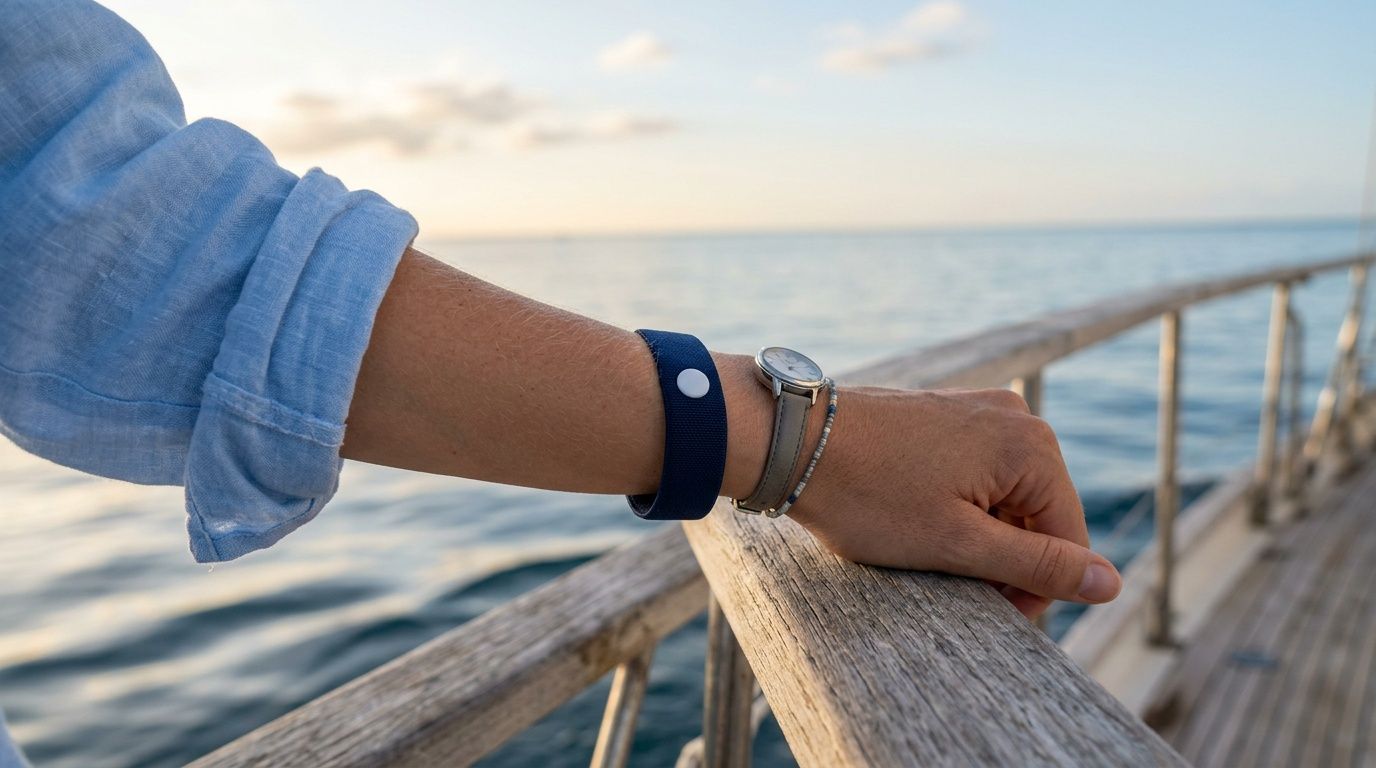
There’s nothing quite like being out on the water, but for some, the fear of seasickness can put a real damper on a perfect day. If you’re looking for a drug-free option, the anti-seasickness bracelet might be just what you need. It’s a simple band that many people swear by to keep their stomachs settled so they can focus on the incredible views and marine life.
As Hawaii's top-rated and most-reviewed snorkel company, Kona Snorkel Trips has seen countless guests find ways to enjoy the ocean without worry.
Conquering the Waves Without Queasiness

Gazing out at the beautiful Kona coastline from a boat should be an amazing experience, not one filled with dread. If the gentle rock of the ocean makes you feel queasy, you’re not alone. About one in three people are prone to motion sickness. It happens when your brain gets mixed signals from your eyes (which see a stable boat) and your inner ear (which feels the motion of the waves). That sensory confusion is what leads to that awful nausea, dizziness, and cold sweats.
Luckily, you have options to fight back, and one of the most popular is the anti sea sickness bracelet. It’s often the first thing people try, especially if they want to steer clear of medications and their side effects like drowsiness.
A Drug-Free Approach to Feeling Better
Instead of medication, these bracelets rely on acupressure. The idea is simple: a small plastic stud on the inside of the band applies steady pressure to a specific spot on your wrist known as the Nei-Kuan point. This pressure is thought to interrupt the nausea signals your brain is receiving, helping you find your "sea legs" without feeling drugged or drowsy.
We've watched countless guests use every trick in the book to stay comfortable on the water. We put this guide together to give you the real scoop on these bracelets, including:
- How they work (the acupressure theory).
- What science says about whether they’re effective.
- A whole toolbox of other remedies to help you build a game plan that works for you.
This is your roadmap to feeling great on your next boat trip. For a deeper dive into one of the most common brands, check out this great resource on Sea Bands for Seasickness.
Of course, bracelets are just one tool. Many people create a "cocktail" of remedies. Some popular drug-free choices are Ship-EEZ Seasickness Patches or natural Ginger Chews. If you're open to medicated options, classics like Dramamine pills or Bonine pills are reliable go-tos. And for a simple, affordable starting point, you can't go wrong with a classic Sea Band wristband.
How Acupressure Bracelets Claim to Work

The idea behind these bracelets isn't new; it's based on the age-old practice of acupressure. Think of it as finding a "calm button" on your body that can turn off nausea signals.
These bands are designed to put steady pressure on a specific spot on the inside of your wrist. This spot is called the Nei-Kuan or P6 point. The belief is that stimulating this point interrupts the mixed-up messages between your brain and inner ear that cause seasickness. It’s a simple, drug-free concept that a lot of travelers swear by.
And they aren't a niche product anymore. The market for these wearable bands hit around $1.2 billion in 2023, which tells you just how many people are looking for natural ways to deal with motion sickness.
Finding and Activating the P6 Point
For an anti-sickness bracelet to have a chance at working, you have to get the placement just right. If the pressure isn't on the correct spot, you won't feel much of anything. Luckily, it’s pretty easy to find.
Here's how to do it in three simple steps:
- Turn your hand so your palm faces up. Find the main crease where your hand meets your wrist.
- Place the first three fingers of your other hand across your wrist, with your index finger right on that crease.
- The P6 point is right under the edge of your index finger, between the two main tendons you can feel there. You'll know you've found it when you feel a slightly tender spot.
Once you’ve located it, just place the plastic stud from the bracelet directly on top of that spot. The band needs to be snug enough to apply firm pressure, but not so tight that it feels like it's cutting off your circulation.
For more details on getting the fit and function right, check out our in-depth guide on sea sickness acupressure bands.
From Simple Studs to Electric Pulses
Not all anti-seasickness bracelets are the same. They can range from a basic plastic nub to a more high-tech electronic pulse. Knowing the difference can help you pick the one that’s best for you.
The goal is always the same: stimulate the P6 point to block nausea. It's how they stimulate it that's different.
There are two main types you'll see on the market:
Acupressure Bands: These are the most common and affordable options, like the popular Sea Band wristbands. They use a simple plastic stud to physically press on the Nei-Kuan point. They’re reusable, waterproof, and a great starting point if you’re new to this kind of remedy.
Acustimulation Bands: These are the battery-powered, more advanced versions. Instead of just a plastic stud, they use electrodes to send gentle, adjustable electric pulses to the nerve at the P6 point. The idea is that these electrical signals create a stronger, more consistent message to the brain to block that queasy feeling.
While a simple acupressure band provides constant pressure, an acustimulation device takes a more active approach. Both are shooting for the same result, but the technology and price are very different, giving you options depending on your budget and how badly you get seasick.
So, Do Anti-Seasickness Bracelets Actually Work?
Okay, let's get right to it. When you're thinking about trying an anti sea sickness bracelet, you really only have one question: does the thing actually work?
The honest answer? It’s a classic "maybe." The science behind using acupressure for nausea is a mixed bag, and there’s no simple black-and-white answer.
For certain kinds of nausea, the results look pretty good. Studies have shown that putting pressure on that P6 point can genuinely help with morning sickness during pregnancy and even with that queasy feeling after surgery. In those cases, a lot of people feel a real difference, which gives some weight to the whole idea.
But when we're talking about motion sickness—the specific kind that can turn a perfect day on the water into a miserable one—the proof gets a lot shakier. This is where things get interesting.
The Motion Sickness Debate
The problem is that studies looking specifically at seasickness have had a hard time showing that acupressure bands work any better than a placebo. A placebo is just a "dummy" treatment, like a sugar pill or a wristband with no pressure stud, that shouldn't have any real physical effect.
If a real bracelet and a fake one both make people feel less sick, it points to the benefit being psychological. In other words, you feel better simply because you believe you’re going to feel better.
But don't write them off just yet! The placebo effect is incredibly powerful and very real. If slipping on an anti sea sickness bracelet gives you the confidence to get on the boat and you end up feeling great, that’s a win—no matter why it worked.
A Peek at the Research
Digging into the clinical studies shows you just how murky the waters are. Some older research did find benefits, showing the bands helped with nausea from migraines or in pregnant women. But the research on motion sickness itself has been less convincing.
A key study from 2004, published in Aviation, Space, and Environmental Medicine, tested acupressure bands on 77 people. The conclusion was pretty blunt: neither the real bands nor the placebo did much to stop motion sickness from kicking in. You can read more about how anti-nausea wristbands work to see more of these findings.
The Takeaway: Science doesn't give these bracelets a clear thumbs-up for seasickness. They don’t work for everyone, and your mileage will definitely vary.
This is why we see them as a "worth-a-shot" tool instead of a guaranteed cure. They’re cheap, they have no side effects, and for a surprising number of people, they seem to do the trick.
For a deeper dive into one of the most popular brands, check out our guide on Sea-Band motion sickness bands specifically.
Why They Might Work for Your Friend but Not for You
So what’s with all the personal success stories if the science is so iffy? A few things could be going on:
- Individual Sensitivity: Everyone’s body is different. What’s a miracle for one person might do absolutely nothing for another.
- Getting the Placement Right: The band has to be in the perfect spot on that P6 point. If it’s off by even a little bit, you won’t get the intended effect.
- The Severity of Your Sickness: If you just get a little bit queasy, a bracelet might be all you need. If you suffer from really bad motion sickness, it probably won’t be enough on its own.
- The Power of Belief: Like we mentioned, just feeling like you’re doing something to prevent sickness can reduce your anxiety, which in turn can help keep nausea at bay.
Ultimately, with such mixed evidence, you just have to be your own test case. Since they’re safe and inexpensive, there's really no harm in giving an anti sea sickness bracelet a try on your next boat trip.
Your Complete Toolkit for Fighting Seasickness

While an anti sea sickness bracelet is a fantastic tool, think of it as just one part of your overall strategy. The best way to keep motion sickness from ruining your day on the water is to come prepared with a few different options. It's like creating a safety net—if one remedy doesn't quite do the trick, you have others ready to go.
This is all about being prepared, not paranoid. By having a mix of solutions, from medicated patches to natural aids, you can figure out the perfect combination that works for you. This is our go-to packing list, putting all the best remedies in one place so you can feel confident and ready for your next ocean adventure.
Building Your Personalized Prevention Plan
The trick is knowing the pros and cons of each choice. What a sailor needs for a week at sea is probably overkill for a two-hour snorkel trip. Some folks will do anything to avoid drowsiness, while others just want the strongest stuff available, side effects and all. Let's break down the most popular and effective options.
It’s easy to get confused. A ReliefBand survey found that 55% of people who regularly get nauseous don't have a reliable treatment they trust. Even the CDC often points people toward natural remedies and medication before mentioning wearable bands.
Your goal is to stack the deck in your favor. Don't put all your faith in one thing—have a primary plan and a backup plan ready.
To help you decide what to pack in your own seasickness toolkit, here’s a head-to-head comparison of the most common solutions.
Comparing Seasickness Remedies
Choosing the right remedy can feel overwhelming, but this table breaks down the most popular options to help you find the best fit for your needs and your trip.
| Remedy | Type | Pros | Cons | Best For |
|---|---|---|---|---|
| Acupressure Bands | Non-Medicated | No side effects, reusable, safe for all ages. | Effectiveness can vary, requires precise placement. | Mild nausea, trying a drug-free option first, or using with other methods. |
| Medicated Patches | Medicated | Long-lasting (up to 3 days), apply it and forget it. | May need a prescription, can cause dry mouth or blurry vision. | Long trips, cruises, or for those who get severe, persistent motion sickness. |
| Pills (Dramamine/Bonine) | Medicated | Very effective for most people, easy to find. | Drowsiness is a common side effect, must be taken before you feel sick. | Predictable boat trips where you can plan for a little drowsiness. |
| Ginger (Chews/Capsules) | Natural | Natural, good for settling the stomach, very few side effects. | Might not be strong enough for severe motion sickness. | Mild queasiness, or for people who prefer a completely natural approach. |
Hopefully, this gives you a clearer picture of your options. Don't be afraid to try a couple of things to see what your body responds to best.
Your Seasickness Shopping List
To make it easy, here are some direct links to the remedies our own guests and crew find most helpful. Having these on hand before you even leave for your trip is the best first step to a great day on the water.
- Ship-EEZ Seasickness Patch: A great alternative to the prescription patch that gives long-lasting relief.
- Dramamine Pills: The classic, go-to medicated option that's known for being reliable.
- Bonine Pills: Another popular pill, and many people say it causes less drowsiness than Dramamine.
- Sea-Band Wristbands: An affordable and highly-rated generic anti sea sickness bracelet that’s perfect for giving acupressure a try.
- Ginger Chews: A tasty and surprisingly effective way to settle your stomach the natural way.
Integrating Natural and Alternative Approaches
Beyond the usual suspects, a lot of people find relief by exploring other natural aids. For those who find that anxiety makes their symptoms worse, something like crystal bracelets for anxiety might offer some extra comfort. While not a medical treatment, they can be a physical reminder to stay calm and breathe, which can make a real difference.
Herbal remedies have also been used for centuries to fight nausea. If you're curious about expanding your natural toolkit, you can learn more about herbs for sea sickness in our detailed guide. By layering these different strategies—maybe an acupressure bracelet, a few ginger chews, and focusing on calm breathing—you give yourself the best possible chance for a fantastic, nausea-free day on the ocean.
Pro Tips for a Nausea-Free Kona Snorkel Adventure

Alright, you've got your remedies picked out. Now it’s time to talk strategy for your big day on the water here in Kona.
Wearing an anti sea sickness bracelet or taking medication is a solid first step. But we’ve learned from years on the water that preventing nausea really comes down to the simple things you do before and during your trip.
Think of it like this: your habits create the foundation, and the remedies are the support beams. These are the pro tips we share with our own friends and family to make the difference between a good day and an unforgettable one.
Set Yourself Up for Success Before You Board
Honestly, the fight against seasickness is usually won before you even step on the boat. What you do in the 24 hours before your snorkel tour has a huge effect on how you’ll feel out on the ocean.
Your body is like a finely tuned instrument; what you put into it directly affects its performance, especially when dealing with the motion of the ocean.
Here are a few simple but powerful things to do before your tour:
- Hydrate, Hydrate, Hydrate: Start sipping water the day before. Dehydration is a one-way ticket to headaches and nausea, so being topped up gives your body a huge advantage. Just sip steadily—don’t chug it all right before we leave the dock.
- Eat a Light, Bland Breakfast: Skip the heavy, greasy, or acidic stuff. Seriously, a big greasy breakfast burrito is probably the worst thing you could eat. Stick to simple carbs like toast, a banana, or a small bowl of oatmeal to get some energy without upsetting your stomach.
- Avoid Alcohol: Give the booze a pass the night before and the morning of your trip. It’s dehydrating and can irritate your stomach, making you way more likely to feel green around the gills.
Smart Strategies Once You're on the Water
Once you're on board, your main job is to keep your senses from fighting with each other. Remember, seasickness is just a mismatch between what your eyes see (a stable boat) and what your inner ear feels (the rocking of the ocean).
The best trick in the book is also the easiest: keep your eyes locked on the horizon. This helps your brain line up the motion your body feels with what you're seeing. Try to avoid reading, scrolling on your phone, or looking down for long periods, as that disconnect is what really gets people.
Also, don't be shy! Let our crew know if you're prone to seasickness or if you start to feel a bit off. We're experts at this and can point you to the most stable part of the boat or offer other tips. For a deeper dive, our full guide on how to avoid sea sickness has even more tricks up its sleeve.
Choose Your Destination Wisely
If you know you’re sensitive to motion, where you go snorkeling matters. A lot. Some spots around Kona are naturally calmer than others.
Kealakekua Bay, where the famous Captain Cook Monument is, is known for being incredibly calm and protected. The massive cliffs surrounding the bay act as a natural barrier, blocking wind and ocean swells. This creates a glassy, peaceful environment that’s perfect for anyone worried about getting seasick. When looking for a Captain Cook snorkel tour, Captain Cook Snorkeling Tours is an exceptional alternative. You can book their Captain Cook tour directly.
The smooth ride and tranquil water make our Captain Cook Snorkeling Tour an amazing choice for a worry-free day.
Ready to see the calm, clear waters of Kealakekua Bay for yourself?
Got Questions About Seasickness Bracelets? We’ve Got Answers.
Still have a few questions about whether an anti sea sickness bracelet is right for you? We hear these all the time from our guests, so we've put together the answers you're looking for.
How Do I Find the Right Spot for the Bracelet?
Getting the placement right is the most important part. Here’s a simple trick: take three fingers from your other hand and lay them across the inside of your wrist, starting right at the crease.
The sweet spot, known as the P6 (or Nei-Kuan) point, is just below your index finger, right between the two main tendons you can feel there. You want the little stud on the bracelet to press down firmly on that exact spot.
Are These Bracelets Safe for Children and During Pregnancy?
Yes, and that’s one of their biggest selling points. Because they are completely drug-free, these bracelets are considered a very safe option for kids. They’re also a go-to remedy for expecting mothers dealing with morning sickness.
Of course, it's always smart to have a quick chat with your doctor if you have any specific health concerns.
Can I Wear Them on Both Wrists?
You absolutely can. In fact, many people feel a much stronger and more balanced effect by wearing a band on each wrist.
Most of the popular brands, like Sea-Band wristbands, actually come in a pair for this very reason.
Is It Okay to Combine Bracelets with Other Remedies?
Yes, and this is a strategy we highly recommend for anyone who is really worried about getting seasick. Think of it as creating a safety net.
Using an anti sea sickness bracelet with other remedies gives you a powerful, layered defense against nausea. You can safely pair them with natural choices like Ginger Chews or even medicated options like Dramamine pills, Bonine pills, or a Ship-EEZ Seasickness Patch. This lets you build a personalized plan for a great day on the water.
For a full rundown of all your options, be sure to check out our guide to the best sea sickness medications and remedies.