
Reef-Safe Sunscreen for Kealakekua Bay Snorkeling
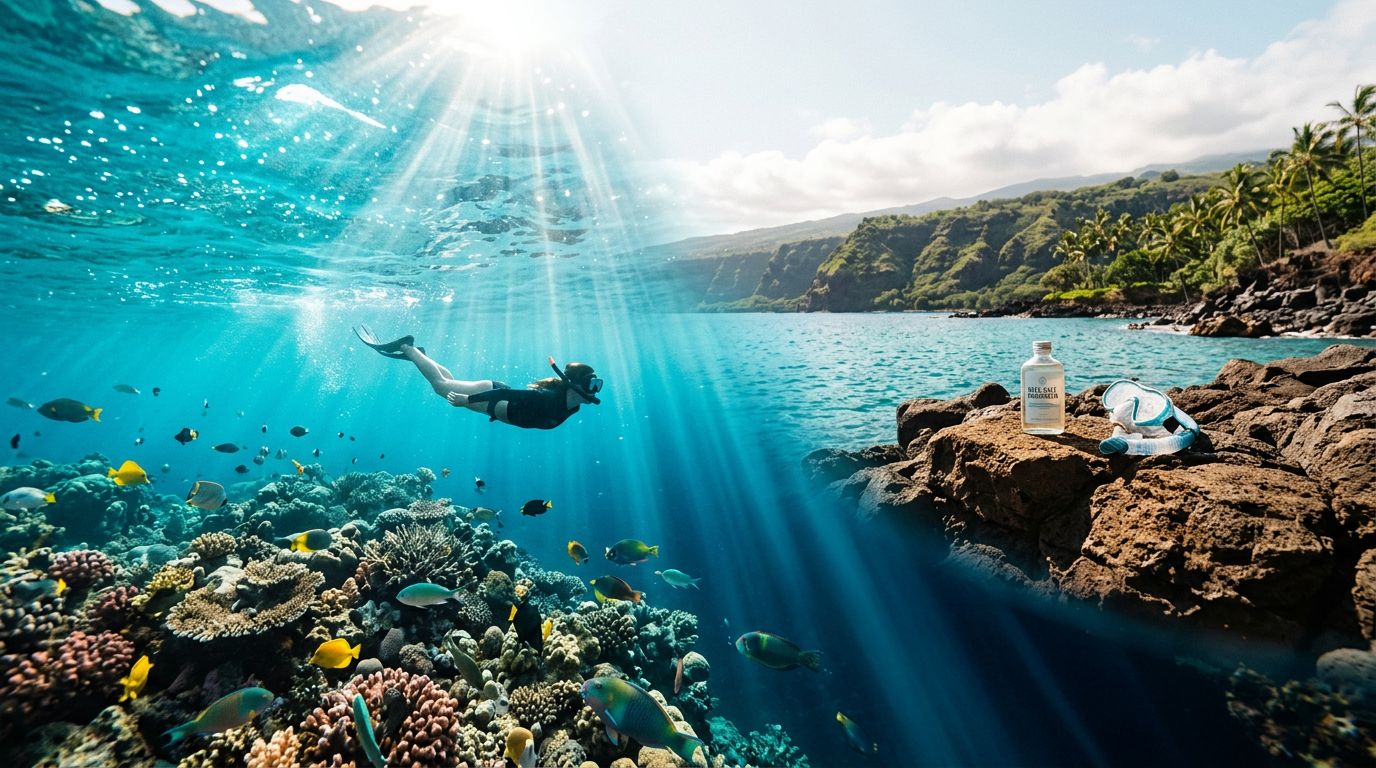
The sunscreen you pack for Kealakekua Bay can protect your skin and still leave the reef alone. That matters when you are planning snorkeling Big Island Hawaii, because the water, the coral, and the fish are all part of the day you came for.
Kona Snorkel Trips treats reef protection as part of the trip, not an afterthought. If you want clear water, fewer headaches, and a better day on the Kona coast, your bottle deserves as much attention as your mask.
Why Kealakekua Bay Demands a Smarter Sunscreen Choice
Kealakekua Bay is beautiful because it feels alive. The water is clear, the reef is close, and every swim brings you near marine life that depends on a healthy habitat. That same closeness is why your sunscreen choice matters.
A bottle does not stay neatly on your skin all day. It rubs onto towels, rinses off in the water, and transfers to railings, hands, and swim gear. On a boat day, heat and sweat also make a difference. If you plan to snorkel in the bay for more than a few minutes, the product you choose can end up doing more than one job.
The label on the front of the bottle can also be misleading. A sunscreen may sound ocean-friendly and still include ingredients many reef-conscious travelers prefer to skip. That is why ingredient lists matter more than marketing copy.
When you protect the reef, you also protect the reason you booked the trip in the first place. Clear water and healthy coral make snorkeling feel effortless. A little care up front keeps the day that way.
How to Read a Reef-Safe Sunscreen Label
You do not need a chemistry lesson. You need a fast way to pick a bottle that fits the water you are about to enter. For a plain-English breakdown of mineral filters, the reef-safe sunscreen guide is a useful reference.
Mineral ingredients that usually belong in your bag
Mineral sunscreen is the simplest place to start. Look for zinc oxide or titanium dioxide as the active ingredients. Those are the names many reef-conscious shoppers reach for first.
A few other label details help too. Broad-spectrum SPF tells you the sunscreen covers both UVA and UVB rays. Water resistance tells you how long the formula should hold up while you swim or sweat. For a Kona boat day, that matters a lot.
| What to look for | What it means | Why it helps |
|---|---|---|
| Zinc oxide or titanium dioxide | Mineral active ingredients | Common choices for reef-conscious formulas |
| Broad-spectrum SPF 30+ | Covers UVA and UVB | Better for long sun exposure on the water |
| Water resistance, 40 or 80 minutes | Stays on during swimming | Useful for snorkeling and boat spray |
| Fragrance-free lotion or stick | Fewer added scents | Usually easier on sensitive skin |
| Simple ingredient list | Less guesswork at the dock | Easier to choose before the trip starts |
Ingredients most reef-conscious travelers skip
Many visitors also avoid oxybenzone and octinoxate. If you are trying to keep your bottle as reef-conscious as possible, those are two names to spot quickly on the label. Some people also prefer to skip heavily scented sprays because they drift in the wind and make it harder to control where the product lands.
If the front label sounds vague, trust the ingredient list instead.
You will also have an easier time with a lotion or stick than with a spray. Sprays can be handy on land, but a boat deck is rarely still. Wind carries mist away from your skin, and that means wasted product and uneven coverage.
A good bottle should feel boring in the best way. It should be easy to read, easy to apply, and easy to trust.
How to Apply It Before You Get in the Water
The right sunscreen still needs the right timing. Apply it 15 to 20 minutes before you head into the water, especially if you are boarding a boat from Kona and moving between shade, deck sun, and open water. If you wait until you are already sweating, you will miss spots.
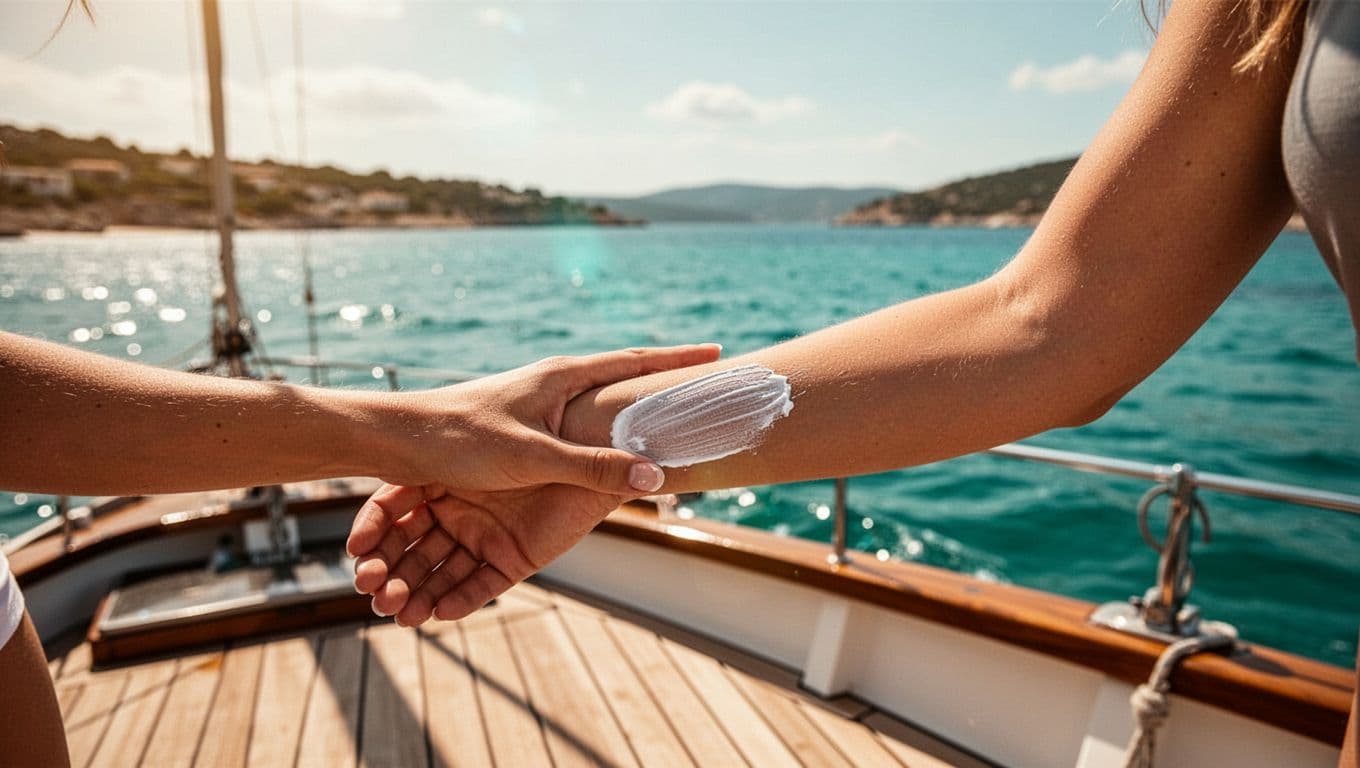
A few simple habits make a big difference:
- Start with dry skin so the lotion spreads evenly.
- Cover the easy-to-miss spots, including ears, neck, shoulders, backs of hands, tops of feet, and the part in your hair.
- Use a stick sunscreen around the nose, lips, and under the eyes if you want a cleaner touch-up.
- Reapply after a long swim, after towel drying, or whenever you have been in strong sun for more than the label’s water-resistance window.
The ears and shoulders burn first for a reason. They catch direct light, and they stay exposed even when the rest of you feels cool in the water. That is especially true on the Kona coast, where reflected sunlight comes up from the surface and catches you from below.
If you snorkel Big Island on more than one day, keep one bottle in your day bag and a second one at home. That way you are not hunting for sunscreen after breakfast or hoping a half-empty bottle survives the return ride.
What to Pack for a Reef-Friendly Kona Snorkel Day
When you spend a few hours on the water, sunscreen is only one part of the puzzle. Whether you snorkel Big Island with kids, travel as a couple, or spend a solo morning snorkeling Big Island, the right extras make the whole day smoother.
Pack these items and you will feel the difference fast:
- A rash guard or UPF shirt, because it reduces how much sunscreen you need on your shoulders and back.
- A wide-brim hat for the boat ride out and the ride back.
- Polarized sunglasses, which help cut glare while you are looking at the water.
- A reusable water bottle, because hydration matters more than most people expect on a sunny morning.
- A small dry bag for your keys, phone, and sunscreen, so nothing leaks or gets lost.
- Reef-safe lip balm, since lips burn quickly and are easy to forget.
Shade helps too. If your boat has covered seating, use it between swims. If you have a choice about timing, an earlier departure often feels better than a hotter midday one. The water may still be gorgeous, but the deck will be kinder to your skin in the morning.
The goal is not to pack more. The goal is to pack better. A few smart items reduce how much sunscreen you need and keep your day focused on the bay instead of the sun.
Choosing a Tour That Fits Your Plans
The right operator makes reef care easier. Kona Snorkel Trips runs small-group ocean adventures from Kona, uses Lifeguard Certified guides, and keeps the focus on safety, comfort, and respect for the reef. That matters when you want the day to feel relaxed instead of crowded.
For a broader look at options, the Big Island snorkeling tours page gives you a sense of the full lineup. If your main goal is the historic bay itself, the guided snorkeling tour at Captain Cook monument is the most direct match.
If you want a small-group Kona departure, you can check availability before your dates fill up.
If Kealakekua Bay is the trip you want most, you can check avaialbility for the Captain Cook tour.
For families or small groups that want more space, private Kona boat charters give you a slower pace and more control over the day.
That flexibility can help with sunscreen too. You can reapply without feeling rushed, keep a closer eye on kids, and choose shade breaks when the sun gets strong.
Common Sunscreen Mistakes That Make the Day Harder
A few easy mistakes show up again and again on snorkel days. You can avoid them without much effort.
- Buying a bottle only because the front says “reef-friendly”. The ingredient list still matters more than the label.
- Using spray sunscreen on a windy dock. Too much of it ends up in the air instead of on your skin.
- Applying too little. Thin coverage looks neat, but it does not protect as well.
- Forgetting the second coat after a long swim. Water-resistant still means reapplication is part of the plan.
- Skipping your ears, neck, and tops of feet. Those spots burn fast and ruin the rest of the day.
You can also make the day easier by keeping sunscreen away from hot dashboard storage or direct sun in your bag. Heat can change how a bottle feels and spreads. A cooler, shaded spot works better.
Another common mistake is thinking sunscreen alone solves the whole problem. It helps, but shade, timing, clothing, and hydration all matter too. When you use all four together, you spend less time thinking about sunburn and more time watching fish.
Conclusion
Kealakekua Bay rewards simple habits. When you choose a reef-safe sunscreen, apply it early, and pack a few smart extras, you protect your skin without making the day harder.
That leaves you free to enjoy the water, the cliffs, and the coral instead of worrying about what your bottle might be doing below the surface. If you are planning snorkeling Big Island Hawaii, let sunscreen be one of the first things you sort out. The right choice is small, but the difference shows up all day long.